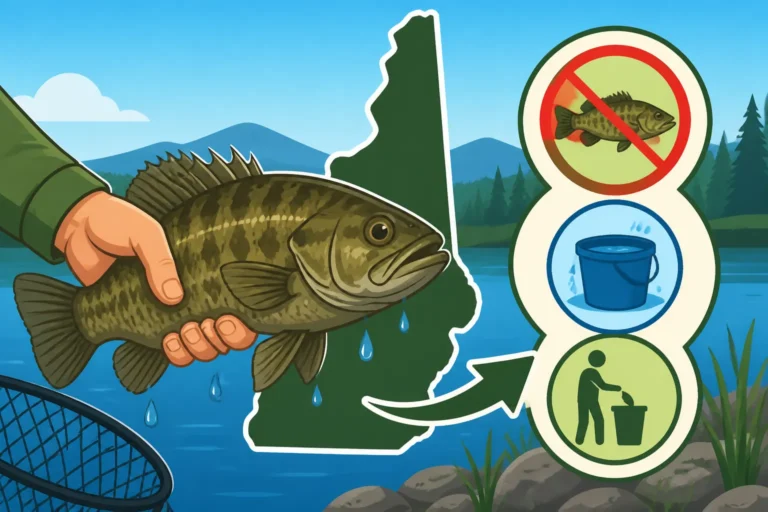
Where tiger trout are stocked in New Hampshire
Many anglers dream of battling a fish that’s not only beautiful but also puts up a truly memorable fight, and in New Hampshire, the tiger trout often fits that bill perfectly. But figuring out where these elusive, hard-hitting hybrids are actually stocked can feel like a secret mission, leaving many scratching their heads. This comprehensive guide will pull back the curtain on where you might find tiger trout in New Hampshire, helping you plan your next angling adventure with confidence and a clear target in mind.
The Allure of the Tiger Trout in New Hampshire Waters
Before we dive into locations, let's chat about what makes the tiger trout so special and why New Hampshire's angling community is often buzzing about them. These fish aren't just pretty faces; they're a unique challenge that adds a thrilling dimension to freshwater fishing.
What Exactly is a Tiger Trout?
A tiger trout isn't a naturally occurring species; it's a sterile hybrid created by crossing a male brook trout with a female brown trout. The result? A fish with an incredibly striking, labyrinthine pattern resembling tiger stripes, which is where it gets its name. Their coloration is usually a dark, wavy green-brown against a lighter background, often with an orange or yellow tint on their fins. Beyond their stunning looks, tiger trout are known for being exceptionally aggressive, hard-fighting, and relatively fast-growing. Because they're sterile, they put all their energy into growing, making them a fantastic sport fish for anglers looking for a real challenge. They're also quite tolerant of warmer water temperatures than some other trout species, which can extend their viability in certain ponds and lakes during the warmer months.
Why New Hampshire Stocks Tiger Trout
The New Hampshire Fish and Game Department has a thoughtful approach to managing its fisheries, and stocking tiger trout serves several strategic purposes. Primarily, they are stocked to provide a unique and exciting trophy fishing opportunity for anglers. Their aggressive nature means they readily strike lures and baits, offering a high-action experience. Because they're sterile, they don't compete with native or wild reproducing trout populations for spawning grounds or resources in the same way other stocked trout might, making them a responsible choice for enhancing recreational fisheries without disrupting natural ecosystems. Think of them as a special bonus, a unique "put-and-take" species that helps absorb some of the fishing pressure on wild populations while providing an incredibly fun target. They can also be quite effective at controlling populations of smaller, undesirable forage fish in certain water bodies, acting as a predatory management tool.
Where to Find Tiger Trout Stocked in the Granite State
Alright, let's get to the heart of the matter: where can you actually wet a line for these striped beauties? New Hampshire Fish and Game strategically stocks tiger trout into specific water bodies, often with the goal of creating special trophy fisheries. While stocking schedules and locations can change slightly year to year based on fish availability and management goals, there are general patterns and types of waters to look for. For the absolute most current and detailed information, always consult the New Hampshire Trout Stocking Report and Map directly on the NH Fish and Game Department's website. They release annual stocking reports that pinpoint exactly which species went into which waters, and when.
North Country Gems
The rugged and beautiful North Country of New Hampshire, with its cooler waters and abundant ponds, often plays host to tiger trout stockings. These remote, pristine settings are perfect for those seeking a more solitary and adventurous angling experience. You might find tiger trout in smaller, managed ponds that are specifically designated for trophy trout or special regulation waters. These waters are often chosen because they can sustain larger fish and provide a quality angling experience.
For example, ponds with good forage bases and cooler, well-oxygenated water are prime candidates. Imagine hiking into a secluded pond in the White Mountains or near the Canadian border, knowing that a hard-fighting tiger trout might be lurking beneath the surface. These northern waters offer a true wilderness feel, and catching a tiger trout here feels like earning a special reward after an effortful journey. It's not just about the fish, but the entire experience of exploring New Hampshire's wilder side.
Central New Hampshire Hotspots
Moving south, central New Hampshire also has its share of waters where tiger trout have been, or continue to be, stocked. These locations might be a bit more accessible than the deep North Country, but still offer fantastic opportunities. Look for mid-sized ponds and smaller lakes that are actively managed for trout species. Many of these waters are also popular for other types of trout fishing, so they often have good public access points, like boat ramps or shore fishing areas.
Some lakes and ponds in the Lakes Region, while better known for species like Lake Winnipesaukee Lake Trout Fishing or bass, might have specific areas or smaller, interconnected ponds that receive tiger trout. These waters are carefully selected to ensure the tiger trout have a good chance to grow to a respectable size, providing thrilling action for anglers. It's not uncommon for these central locations to see higher fishing pressure due to their accessibility, so knowing where to look and being patient is key. Think about waters that might have specific "Trout Management Areas" or "Fly Fishing Only" sections, as these often indicate a focused effort to cultivate quality trout fisheries, including sometimes tiger trout.
Southern Tier Opportunities
Even in the more densely populated southern tier of New Hampshire, opportunities for tiger trout can exist. These might be smaller, community ponds or reservoirs that are regularly stocked to provide local fishing recreation. While you might not find the same "wilderness" feel as the North Country, these waters offer convenient access for a quick fishing trip. The key here is often proximity and regular stocking by Fish and Game to ensure a consistent fishery.
These ponds are generally smaller and might warm up faster in summer, so tiger trout stockings are often geared towards spring and fall fishing. Anglers can often find success targeting these fish early in the season right after ice-out, or as the water cools down in autumn. Sometimes, these southern waters are part of specific youth fishing programs or community ponds designed to introduce new anglers to the sport. While the fish might not always reach "trophy" dimensions in these smaller, warmer waters, they still provide excellent sport and a chance to catch a uniquely beautiful fish close to home. Always double-check the stocking reports for these areas, as they can be highly localized and change frequently.
| Region | Typical Water Body Type | Characteristics | Best Times to Fish |
|---|---|---|---|
| North Country | Secluded ponds, small lakes | Cooler, pristine, less pressure, wilderness feel | Spring, Summer, Fall |
| Central NH | Mid-sized ponds, smaller lakes | Accessible, managed, moderate pressure | Spring, early Summer, Fall |
| Southern NH | Community ponds, reservoirs | Highly accessible, higher pressure, convenient | Spring, late Fall |
How to Find the Latest Stocking Information
As I mentioned, stocking programs are dynamic, and the exact locations can shift. Staying up-to-date is crucial for successful tiger trout hunting. Luckily, the New Hampshire Fish and Game Department makes this information readily available for dedicated anglers.
Official Resources and Updates
The absolute best resource for current tiger trout stocking locations is the New Hampshire Fish and Game Department's official website. They maintain a comprehensive "Trout Stocking Report" that is updated regularly throughout the stocking season. This report is your holy grail! It lists the specific water bodies, the species stocked (including tiger trout!), the number of fish, and the date of the stocking.
My recommendation is to bookmark their stocking page and check it frequently, especially in the spring and fall when most trout stockings occur. They often release a general stocking plan at the beginning of the season, followed by real-time updates as actual stockings take place. Don't rely on outdated information or hearsay; always go straight to the source. This is the only way to be certain you're targeting waters that actually hold these special fish. You can also often find a copy of the Reading the New Hampshire Freshwater Fishing Digest on their website, which will provide a lot of context for stocking efforts.
Local Knowledge and Online Communities
While official sources are paramount, don't underestimate the power of local knowledge and online angling communities. Local bait and tackle shops are often treasure troves of information. The folks working there live and breathe New Hampshire fishing, and they often know which local waters have been fishing well, or if there's been any chatter about recent stockings. A friendly chat can yield invaluable insights.
Online forums and social media groups dedicated to New Hampshire fishing are another excellent resource. Anglers love to share their experiences (sometimes!) and you can often pick up clues about recent catches, water conditions, and even tips on specific techniques for certain ponds. Just remember to take everything with a grain of salt and always verify information with official sources where possible. These communities are also a great place to learn about New Hampshire Fishing Seasons by Month and what to expect throughout the year.
Essential Gear and Proven Tactics for Tiger Trout Success
Once you know where to go, the next step is knowing how to catch them. Tiger trout are aggressive, but they can also be wary, especially in heavily fished waters. Having the right gear and employing effective techniques will significantly increase your chances of success.
Essential Tackle for Tiger Trout
For tiger trout, you'll generally want a light to medium-light spinning setup. A rod in the 6-foot to 7-foot range with a fast or moderate-fast action will give you the sensitivity to feel subtle bites and the backbone to handle a strong fighter. Pair this with a reliable spinning reel spooled with 4 to 6-pound test monofilament or fluorocarbon line. Fluorocarbon is often a good choice because it's nearly invisible underwater, which can be a huge advantage when targeting wary trout in clear New Hampshire waters. You can find a fantastic selection of these rods, reels, and lines on Amazon, often with detailed reviews from other anglers to help you make the best choice.
When it comes to leader material, a 2 to 4-pound fluorocarbon leader, about 2-3 feet long, tied to your main line with a swivel or blood knot, can be extremely effective. This lighter leader helps present your bait or lure more naturally. Don't forget a small pair of needle-nose pliers or hemostats for hook removal, as tiger trout tend to swallow baits deeply, and handling them gently is important for their survival if you plan to release them. Browsing the options for Best Gear for New Hampshire Trout Fishing can also give you great ideas.
Effective Lures and Baits
Tiger trout are opportunistic feeders, so a variety of lures and baits can be effective.
- Spinners: Classic inline spinners, like those from Mepps or Panther Martin, in sizes #0 to #2 are deadly. Silver, gold, or brass blades with a variety of dressed hooks (chartreuse, orange, black) are good choices. Cast them out and retrieve steadily, varying your speed until you find what triggers a strike.
- Spoons: Small casting spoons, such as Acme Kastmasters or Little Cleos, in silver or gold finishes are also excellent. Their erratic wobble on the retrieve can imitate wounded baitfish, which tiger trout can’t resist. A ½ to ¼ ounce spoon is usually perfect.
- Worms: Live nightcrawlers or garden worms, fished on a small hook (size 8 or 10) under a bobber or on the bottom with a small split shot, are always a reliable choice for any trout. The natural scent and movement are incredibly attractive.
- PowerBait/Dough Baits: Scented, moldable baits like PowerBait come in a vast array of colors and are very effective, especially in stocked ponds. A small ball of PowerBait on a treble hook, suspended just off the bottom, is a go-to for many trout anglers.
- Small Stickbaits/Jerkbaits: For more aggressive presentations, particularly when fish are feeding on baitfish, a small floating or suspending stickbait (1.5-3 inches) can entice a strike. Twitch and pause them erratically to mimic struggling prey. You might want to stock up on a few different brands and colors, and Amazon is a convenient place to compare options and read angler feedback.
- Flies: If you’re a fly angler, small streamers (like Woolly Buggers or Clouser Minnows) or even larger nymphs (like Prince Nymphs or Hare’s Ear Nymphs) can be highly effective, especially in waters with a good insect population. For fly fishing enthusiasts, looking into Fly Fishing for Trout in New Hampshire will provide even more tailored advice.
Remember, presentation is often as important as the lure itself. Experiment with retrieve speeds, depths, and colors until you find what the tiger trout are keying in on that day. And don't be afraid to switch things up if one approach isn't working! Many anglers find great success by having a diverse tackle box, which you can easily build by exploring the wide range of products available on Amazon.
Navigating Regulations and Practicing Responsible Tiger Trout Angling
Fishing for tiger trout in New Hampshire isn't just about the thrill of the catch; it's also about respecting the resource and adhering to the rules that keep these fisheries healthy. Understanding and following regulations is critical for every angler.
Understanding Special Regulations
Because tiger trout are often part of special management programs, the waters they inhabit may have unique regulations that differ from general statewide trout rules. These can include:
- Size Limits: Minimum or maximum length limits might be in place to protect larger fish or encourage specific harvest patterns.
- Bag Limits: The number of tiger trout you can keep in a day might be more restrictive than for other trout species.
- Gear Restrictions: Some waters might be designated "Fly Fishing Only" or "Artificial Lures Only," especially in areas managed for trophy trout.
- Seasonal Closures: Specific seasons might apply to tiger trout or the waters where they are stocked.
It is absolutely paramount that you check the current New Hampshire Fishing Regulations Explained and any specific regulations for the water body you intend to fish before you cast a line. These regulations are usually detailed in the annual New Hampshire Freshwater Fishing Digest, available both online and at license vendors. Failing to adhere to these rules can result in fines and other penalties, so ignorance is no excuse. Remember that these regulations are designed to ensure sustainable fishing for everyone.
Practicing Responsible Angling
Responsible angling goes beyond just following the law; it's about ethical behavior and conservation. When targeting tiger trout, especially if you plan on catch and release, consider these practices:
- Minimize Handling: Reduce the time the fish is out of the water. If possible, unhook the fish while it's still in the net or water.
- Wet Hands: Always wet your hands before touching a fish. Dry hands can remove the protective slime layer, leaving the fish vulnerable to disease.
- Use Barbless Hooks: Crushing the barb on your hooks makes removal much easier and causes less damage to the fish, significantly increasing its chances of survival. You can often find specialized barbless hooks or tools to crimp barbs on Amazon.
- Proper Release: Hold the fish gently upright in the water, allowing water to flow over its gills until it swims away on its own power. Don't simply toss it back.
- Pack It In, Pack It Out: Leave no trace. Take all your trash, including discarded fishing line, with you.
- Respect Private Property: Always be aware of property lines and gain permission if you need to access private land.
- Report Poaching: If you witness illegal fishing activity, report it to the New Hampshire Fish and Game Department.
By following these guidelines, you're not just ensuring great fishing for yourself, but also helping to preserve the quality of New Hampshire's tiger trout fisheries for future generations of anglers. For more on general rules, you can read up on topics like New Hampshire Fishing Regulations Explained.
Fishing for tiger trout in New Hampshire is a truly rewarding experience, offering the chance to catch a visually stunning and hard-fighting fish. By understanding what makes them unique, knowing where to look for stocking information, arming yourself with the right gear and tactics, and always adhering to regulations and ethical practices, you’ll be well on your way to a memorable adventure on the water.
Disclaimer
This article is for general informational purposes only and does not constitute professional advice. Laws, prices and regulations vary by location and change over time. Consult a qualified professional for guidance on your specific situation.