Are Tiger Muskie Stocked in New Hampshire?
It's incredibly exciting to think about what unique and powerful fish might be swimming in our beloved New Hampshire waters, and it’s totally natural to wonder about species like the Tiger Muskie. There's a lot of chatter out there, and it can be tough to separate fact from fishing lore. This guide is here to clear up the confusion surrounding Tiger Muskie and their presence in New Hampshire, helping you understand what these fish are and whether you might actually encounter one on your next fishing adventure in the Granite State.
Understanding Tiger Muskie: A Hybrid of Power
Many anglers dream of battling a truly massive freshwater predator, and the Muskie definitely fits that bill. When you add "Tiger" to it, it conjures images of something even more formidable. But what exactly is a Tiger Muskie, and why is there so much interest in them potentially being in New Hampshire?
What is a Tiger Muskie?
A Tiger Muskie isn't a standalone species you'd find naturally reproducing in a pristine lake. Instead, it's a fascinating hybrid, a cross between two well-known predatory fish: the Muskellunge (often just called Muskie) and the Northern Pike. Think of it like a mule in the animal kingdom – it's a cross between a horse and a donkey. They're typically sterile, meaning they can't reproduce on their own, which is a key factor in how and why they might be introduced into certain fisheries.
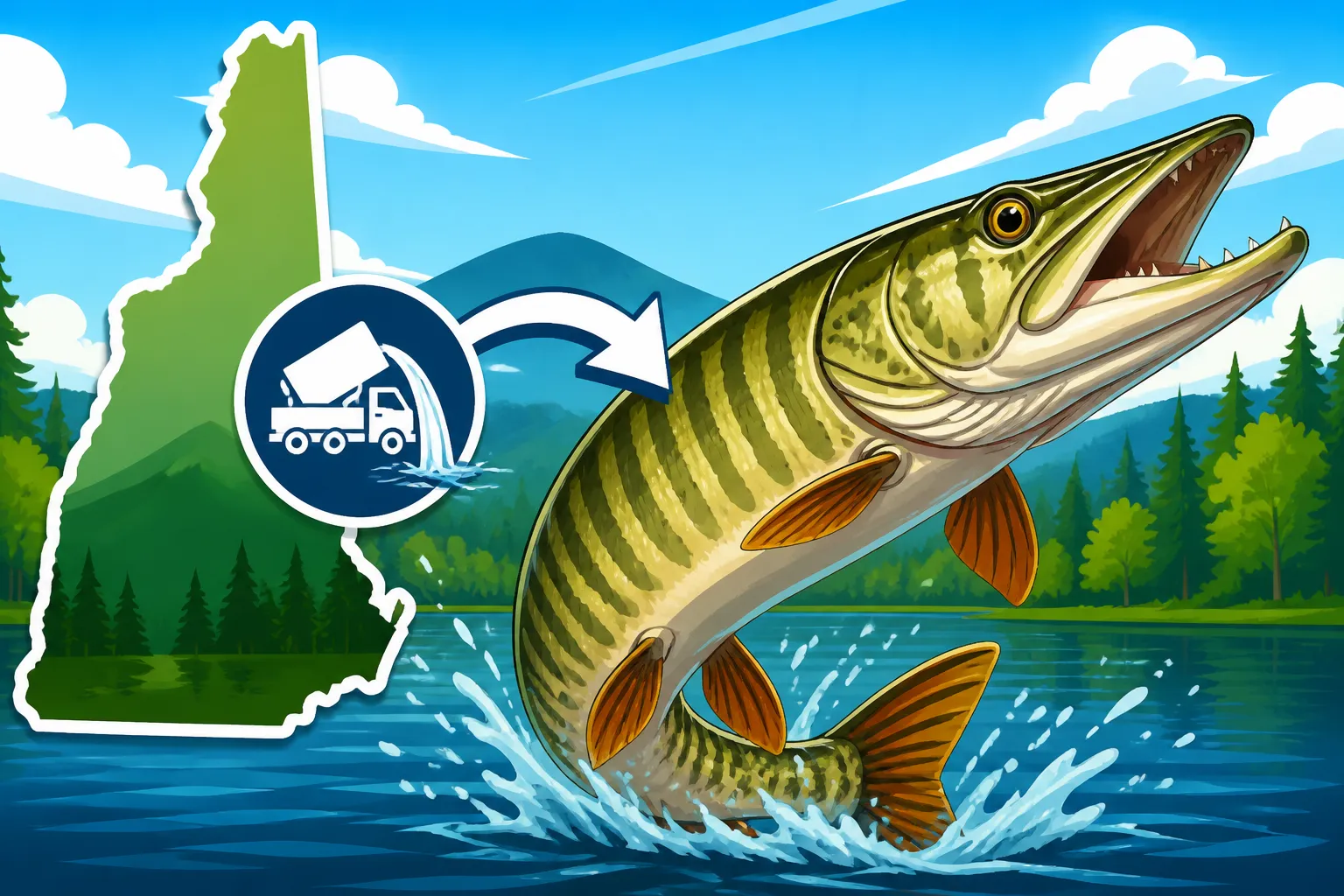
They get their "tiger" name from the distinctive stripe or bar patterns along their flanks, which can sometimes look like tiger stripes or vertical bars, differentiating them from the more spotted or splotchy patterns of a pure Muskie or the bean-shaped spots of a Northern Pike. These markings can vary quite a bit, but they always have that characteristic hybrid look. They also tend to grow faster than pure muskies in many environments, which makes them attractive for stocking programs designed to create trophy fisheries quickly. Their aggressive nature and powerful fights are legendary among anglers, making them a highly sought-after sport fish.
Why Fishery Managers Consider Stocking Hybrids
Fishery managers often look for ways to enhance recreational fishing opportunities, and sometimes that involves introducing species or hybrids that offer unique benefits. For tiger muskies, their hybrid vigor often means they grow faster and are hardier than their parent species. They can reach impressive sizes in a relatively short amount of time, providing a thrilling challenge for anglers. Because they are typically sterile, there's less concern about them overpopulating a water body or establishing a self-sustaining population that might compete too heavily with native species or disrupt the existing ecosystem. This controlled nature makes them an appealing option for creating "put-grow-and-take" fisheries where the goal is to provide a trophy experience without long-term ecological impact from reproduction. They also have a voracious appetite, which can sometimes be utilized to control populations of overly abundant panfish or undesirable species in certain lakes. This management tool is carefully considered, as introducing any non-native fish has potential ecological ripple effects.
New Hampshire's Approach to Exotic Fish Species
New Hampshire is incredibly proud of its natural fisheries, including its robust populations of trout, salmon, and bass. When it comes to introducing new or exotic fish species, especially powerful predators, the state takes a very cautious and measured approach. This isn't just about what anglers might want; it's about protecting the delicate balance of existing ecosystems.
General Policy on Non-Native Introductions
New Hampshire Fish and Game (NHF&G) has a pretty clear stance: they prioritize the health and sustainability of native fish populations. Introducing non-native or hybrid species is not something they do lightly. There's a rigorous evaluation process that considers potential impacts on native fish, their habitats, and the overall aquatic environment. The primary concern is always preventing ecological harm, such as competition for food and habitat, predation on native species, or the introduction of diseases. For instance, species like Invasive Fish Species in New Hampshire Waters are closely monitored and managed because of their potential threat to the ecosystem.
The state's fisheries management strategy is largely focused on maintaining and enhancing the excellent fishing opportunities already present for species like our native brook trout, landlocked salmon, lake trout, and various bass species. Any proposal for a new introduction would require extensive research, public input, and a thorough assessment of risks versus benefits, making it a very rare occurrence.
Tiger Muskie and New Hampshire Stocking Records
So, getting right to the heart of the matter: are Tiger Muskie stocked in New Hampshire? The straightforward answer, based on available information and past stocking practices, is no. New Hampshire Fish and Game does not, and historically has not, stocked Tiger Muskie in any of the state's public waters. Their stocking programs focus on species like various trout species, landlocked salmon, and occasionally other game fish that are either native or have established, managed populations. You can find out more about what the state does stock in resources like the New Hampshire Trout Stocking Report and Map.
This might come as a surprise to some anglers, especially those who've heard rumors or seen similar fish in other states. It's easy to confuse different species, and sometimes a particularly large or unusually patterned Northern Pike might be mistaken for a Tiger Muskie. But rest assured, if you're fishing in New Hampshire, you won't be encountering a state-stocked Tiger Muskie. The focus remains squarely on our existing, cherished fisheries.
Why No Tiger Muskie in New Hampshire?
It's natural to wonder, if other states stock Tiger Muskie for sport fishing, why doesn't New Hampshire? The reasons are multifaceted, blending environmental conservation with practical fishery management goals.
Potential Ecological Concerns
Introducing a new predatory species, even a sterile hybrid like the Tiger Muskie, carries significant ecological risks. While the intention might be to create a trophy fishery, the reality is that predators need to eat, and their diet could impact other species. Consider a hypothetical scenario: if Tiger Muskie were introduced into a lake that already supports a thriving population of Landlocked Salmon Fishing in New Hampshire or Lake Trout Fishing in New Hampshire, they would compete for the same forage fish, like smelt. This could put undue pressure on these forage populations, which are critical for the health and growth of the salmon and trout.
Furthermore, there's always the concern of predation on smaller game fish or even young native fish that are part of the existing ecosystem. Even if sterile, a large, aggressive predator can shift the balance of an aquatic environment in unforeseen ways. New Hampshire's fisheries managers are highly protective of the state's current fish communities and are understandably hesitant to introduce any species that could jeopardize that delicate balance. It's a "better safe than sorry" approach when it comes to ecosystem integrity.
Focus on Native and Established Fisheries
New Hampshire has an incredible array of fishing opportunities already, from fly fishing for brook trout in mountain streams to trolling for lake trout in deep, cold lakes. The state's efforts are largely directed at managing and enhancing these existing fisheries. This means stocking appropriate native or naturalized species, improving habitat, and regulating harvest to ensure sustainable populations for future generations.
For example, our rivers and streams are carefully managed for species like brown and rainbow trout, and our larger lakes provide phenomenal fishing for Smallmouth Bass Fishing in New Hampshire and Largemouth Bass Fishing in New Hampshire. Instead of adding a new, potentially disruptive species, NHF&G dedicates its resources to optimizing what we already have. It's about playing to our strengths and ensuring the continued health of the species that define New Hampshire fishing. This dedicated focus also helps ensure that regulations, like those covered in New Hampshire Fishing Regulations Explained, are tailored to species that truly belong and thrive here.
Identifying Similar Fish and What to Expect
Since Tiger Muskie aren't officially stocked, what might you be seeing if you think you've caught one, or what other large predators could you encounter? It's all about knowing your fish!
Differentiating Pike from Muskie Hybrids
This is where it gets tricky for many anglers! In New Hampshire, the fish most often confused with a Tiger Muskie is the Northern Pike. Northern Pike are present in some New Hampshire waters, though not as widespread as bass or trout. They are also long, predatory, and have a similar torpedo shape.
Here’s a quick guide to tell them apart:
| Feature | Northern Pike | Muskellunge (Pure) | Tiger Muskie (Hybrid) |
|---|---|---|---|
| Markings | Light, bean-shaped spots on dark body | Dark spots/bars on light body | Dark, distinct vertical bars/stripes |
| Scales on Cheek | Fully scaled | Scaled on upper half only | Fully scaled on upper half, partially scaled on lower |
| Scales on Operculum | Fully scaled | Scaled on upper half only | Scaled on upper half only |
| Pore Count (Lower Jaw) | 5 or less | 6-9 pores | Typically 6-9 pores |
| Tail Shape | Rounded to slightly forked | Deeply forked | Often rounded, but can vary |
The key difference for identification in New Hampshire, where you wouldn't typically find pure Muskie, is usually between a Northern Pike and what might be mistaken for a Tiger Muskie. Northern Pike will have those characteristic light, horizontal or bean-shaped spots on a darker body, and their cheeks and gill covers (operculum) will be fully scaled. A very large, dark Northern Pike might sometimes be misidentified due to its size and intimidating appearance, but its spotting pattern is usually the giveaway.
What Large Predators You Can Expect in New Hampshire Waters
When you cast your line in New Hampshire, you're targeting some fantastic predatory fish, even without the Tiger Muskie. You can expect to encounter:
- Northern Pike: As mentioned, these large, toothy predators are present in some lakes and rivers, particularly in the central and southern parts of the state. They offer an exciting fight and can grow quite large. Fishing for them often involves large spoons, spinnerbaits, or even live bait under a float. If you're looking for gear specifically designed for these robust fish, Amazon has a wide selection of heavy-duty tackle that can stand up to their sharp teeth and powerful runs.
- Chain Pickerel: Often confused with Northern Pike (they're cousins!), Chain Pickerel are more widespread in New Hampshire's warmer, weedier waters. They don't typically grow as large as Northern Pike, but they are incredibly aggressive and fun to catch, especially on light tackle. Their distinctive chain-like markings are a dead giveaway. You can learn more about them in Chain Pickerel Fishing in New Hampshire.
- Largemouth Bass: These iconic green fish are top predators in many of our warmer lakes and ponds, particularly those with plenty of weeds and structure. They provide explosive topwater action and powerful fights.
- Smallmouth Bass: Known for their bronze color and incredible fighting spirit, smallmouth bass thrive in clear, rocky lakes and rivers. They are arguably one of New Hampshire's most popular game fish. If you're gearing up for smallmouth, checking out reviews for specific lures on Amazon can give you an edge.
- Lake Trout: In our deeper, colder lakes, the majestic Lake Trout reigns supreme. These fish can grow to immense sizes and are incredible fighters, often requiring specialized deep-water trolling techniques.
- Landlocked Salmon: Found in many of the same lakes as lake trout, these silvery acrobats are renowned for their spectacular leaps when hooked. They are a prized catch for many anglers.
So, while the Tiger Muskie might not be on the menu for New Hampshire anglers, there's certainly no shortage of thrilling predatory fish to pursue, each with its own unique challenge and charm. Just be sure you understand the New Hampshire Bag and Possession Limits by Species for whatever you're targeting!
Disclaimer
This article is for general informational purposes only and does not constitute professional advice. Laws, prices and regulations vary by location and change over time. Consult a qualified professional for guidance on your specific situation.