How long lake trout live in New Hampshire
One common question I hear from fellow anglers, especially when we're out on the big lakes like Winnipesaukee, is "Just how old do these lake trout get?" It's a natural curiosity when you're pulling up one of these magnificent, often ancient-looking fish from the cold depths. You might even feel a sense of reverence, wondering about the years it's spent roaming the underwater landscape. This guide will dive deep into the fascinating longevity of New Hampshire's lake trout, exploring the factors that contribute to their impressive lifespans and what we, as anglers, can do to help them thrive.
The Impressive Lifespan of New Hampshire's Lake Trout
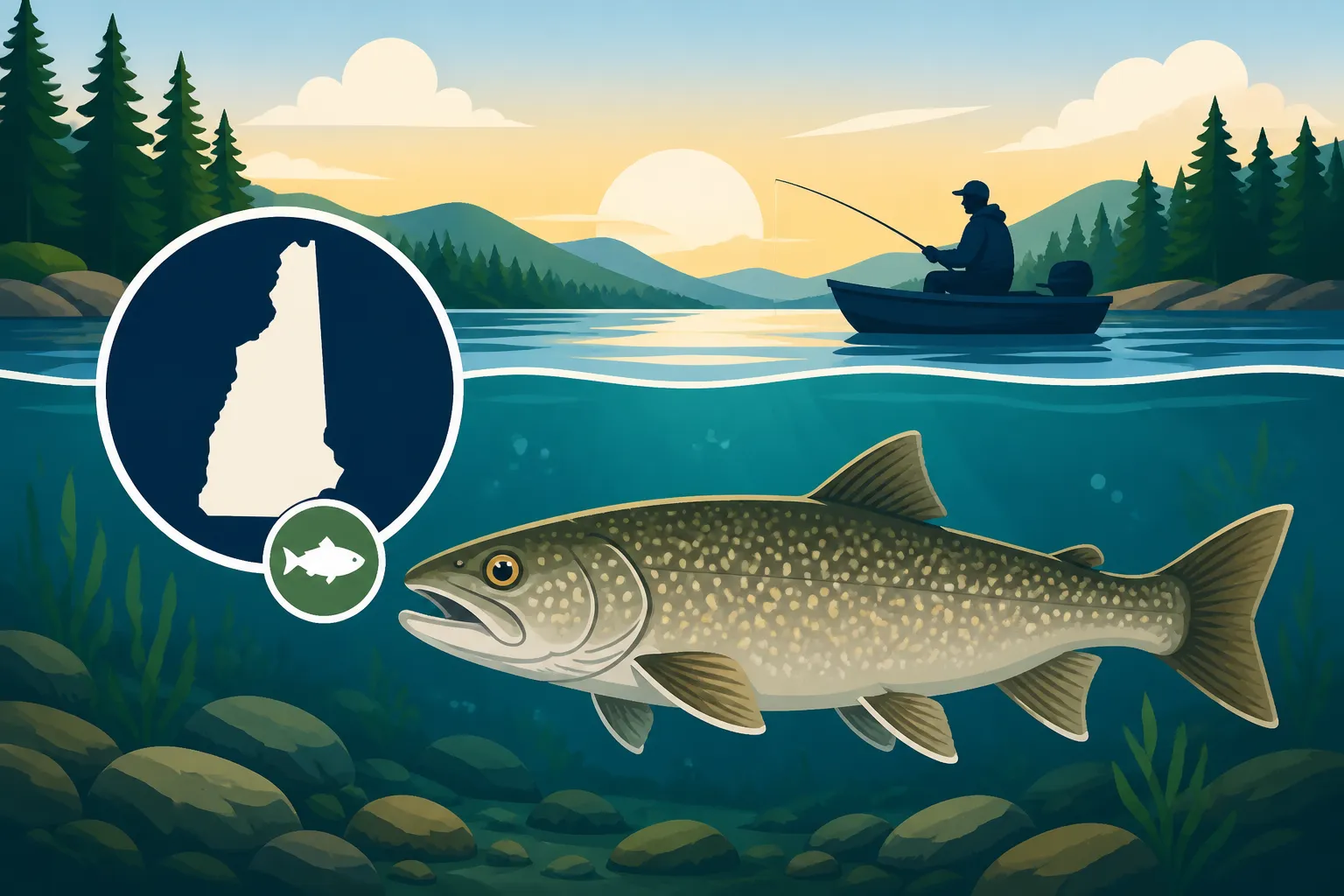
Lake trout, or 'lakers' as we affectionately call them, are known for their impressive longevity, especially when compared to many other freshwater fish species. In the cold, oxygen-rich waters of New Hampshire's deep lakes, these fish can live for a surprisingly long time. We're not talking about a few years; we're talking about decades. It's truly incredible to think that a fish you catch might have been swimming around for longer than some of us have been alive!
Generally speaking, a lake trout in New Hampshire can easily live for 10 to 20 years. However, under ideal conditions and in certain water bodies, they can push past that, with some individuals reaching ages of 30, 40, or even over 50 years! Imagine the stories such a fish could tell if it could talk. It has likely seen generations of anglers come and go, witnessed countless seasons change, and navigated the ever-shifting dynamics of its underwater world. These truly ancient fish are often the biggest ones, the grizzled veterans of the deep, having survived countless challenges over their long lives. While the average size of lake trout in New Hampshire lakes can be quite respectable, it's those exceptionally old fish that often hold the state record potential. You can learn more about their size in Lake Trout Average Size in New Hampshire Lakes.
Compared to some of our other beloved New Hampshire fish, like brook trout which typically live only 3-5 years, or even rainbow and brown trout which might reach 7-10 years, the lake trout stands out as a true Methuselah of the aquatic world. This extended lifespan is largely due to their specific habitat requirements and slow growth rates in cold water. They don't mature quickly, nor do they live fast and die young. Instead, they embrace a slow, steady pace of life, perfectly adapted to the deep, dark, and often stable environments they call home.
Factors Influencing Lake Trout Longevity in New Hampshire
The longevity of a lake trout isn't just a random occurrence; it's a complex interplay of environmental factors, food availability, and human interaction. Understanding these elements helps us appreciate the delicate balance required for these fish to reach their full potential age.
Pristine Water Quality and Ideal Habitat
Lake trout are incredibly particular about their environment. They demand cold, highly oxygenated water, which is why you'll find them in the deeper, colder basins of our larger lakes like Winnipesaukee, Newfound, and Sunapee. These specific conditions are vital for their survival and long-term health. A slight rise in water temperature, especially in the deeper zones during summer, or a decrease in dissolved oxygen can put immense stress on these fish, shortening their lives considerably.
Think about it: they are perfectly adapted to a stable, frigid environment. Any significant change, whether from pollution runoff, increased nutrient loading leading to algae blooms (which deplete oxygen when they decompose), or even extended periods of warmer surface temperatures slowly seeping deeper, can impact their physiological well-being. Lakes with consistently excellent water quality, less development along the shoreline, and robust cold-water sanctuaries are precisely where you'll find the oldest and healthiest lake trout populations. These are the pristine havens where a lake trout can truly settle in for the long haul.
Abundant and Consistent Forage
Just like any other living creature, lake trout need a steady and nutritious diet to grow and maintain their health over many years. In New Hampshire, the primary forage for larger lake trout is often rainbow smelt. These small, silvery fish are packed with calories and fat, providing the lakers with the energy they need to thrive in their cold, slow-metabolism world. A thriving smelt population directly contributes to a healthy, long-lived lake trout population. If you're interested in what fuels these giants, take a look at What lake trout eat in New Hampshire lakes.
When forage is abundant, lake trout grow at a consistent, albeit slow, rate. They can store energy, recover from spawning, and withstand periods of lesser food availability. However, if the smelt population declines, perhaps due to environmental changes or over-predation, the lake trout suffer. They might experience stunted growth, become more susceptible to disease, and ultimately have shorter lifespans. It's a classic predator-prey relationship where the health of the prey dictates the potential of the predator. Researchers constantly monitor these forage bases to ensure the ecosystem remains balanced.
Impact of Fishing Pressure and Responsible Angling
Fishing pressure is undeniably a significant factor in how long lake trout live, especially for the larger, older individuals. While New Hampshire Fish and Game Department sets regulations to manage populations sustainably, any fish caught and kept reduces the number of older fish in the system. Even with catch-and-release, there's always a degree of stress on the fish, and in deep-water species like lake trout, barotrauma (injury from rapid changes in pressure when brought from deep water to the surface) can be a concern.
Responsible angling practices are crucial for supporting the longevity of these fish. Using appropriate gear, handling fish gently, minimizing their time out of water, and employing descending devices for deep-water releases can significantly increase their survival chances. Many anglers invest in specialized tools and tackle designed to reduce harm to fish, which you can often find readily available on platforms like Amazon. Education about these practices helps ensure that the lake trout we cherish continue to grace our waters for years to come. For instance, understanding the different fishing seasons and limits, such as those covered in New Hampshire Lake Trout Ice Fishing Season Dates, is a vital part of responsible angling.
Disease, Parasites, and Genetic Resilience
Like all wild animals, lake trout are susceptible to diseases and parasites. These can be naturally occurring and, in a healthy fish, often manageable. However, if a lake trout is already stressed due to poor water quality, lack of food, or previous angling encounters, a disease or parasitic infection can become much more serious, potentially leading to a shortened lifespan. Environmental stressors can weaken their immune systems, making them more vulnerable.
On the other hand, genetic factors also play a role. Some individual lake trout populations might simply have a stronger genetic predisposition for longevity, potentially inheriting genes that confer greater resistance to disease or better metabolic efficiency in cold water. These are the fish that defy the odds and reach those truly ancient ages. Researchers study these populations to understand what makes them so robust. Learning about the specific adaptations that allow lake trout to thrive can give us a deeper appreciation for their resilience.
Age Determination and Research in New Hampshire Lake Trout
So, how do biologists actually figure out how old a lake trout is? It's not like they have birth certificates! This is where some fascinating science comes into play, and it's absolutely vital for effective fisheries management. The ability to accurately age fish allows biologists to understand population dynamics, growth rates, and the impact of regulations and environmental changes.
Unlocking Secrets from Otoliths and Scales
The most common and reliable method for aging fish like lake trout involves examining their otoliths, often called "ear stones." These small, calcified structures are found in the inner ear of bony fish. Much like tree rings, otoliths grow by adding a new layer each year, creating visible rings that can be counted under a microscope. Each ring represents a year of the fish's life. It's a meticulous process, often requiring thin sections of the otolith to be cut and polished before examination.
Another method, less precise for older fish but still useful, involves examining scales. Fish scales also grow by adding rings, called circuli, which can be counted to estimate age. However, scales can sometimes be reabsorbed or damaged, making them less reliable than otoliths, especially for very old or slow-growing species like lake trout. For larger, older lake trout, otolith analysis is the gold standard for accuracy.
The Role of NH Fish and Game
The New Hampshire Fish and Game Department plays a crucial role in conducting this research. Biologists regularly collect samples from harvested fish, either through creel surveys at boat launches or from fish collected during scientific netting operations. They then take these otoliths and scales back to the lab for analysis. This data is indispensable. By aging a representative sample of fish from various lakes, they can determine the age structure of the population, identify growth rates, and track trends over time.
For example, if they start seeing fewer older fish in their samples from a particular lake, it might indicate issues with survival, increased fishing pressure, or changes in habitat. Conversely, a healthy distribution of age classes, including a good number of older fish, suggests a robust and well-managed fishery. This information directly informs decisions about stocking levels, bag limits, and other regulations designed to protect and enhance lake trout populations. Their work helps ensure that we continue to have healthy Lake Trout Fishing in New Hampshire for generations.
Challenges in Aging the Oldest Fish
While otoliths are incredibly reliable, aging very old lake trout can still present challenges. The annual rings on older fish can become very compressed and fine, making them difficult to distinguish even under high magnification. Sometimes, specialized techniques and experienced readers are required to get the most accurate age estimates for fish that have lived for several decades. It's a testament to the skill and dedication of fisheries biologists that they can accurately decipher these intricate natural records.
It's also worth remembering that the biggest fish aren't always the oldest. While there's a general correlation between size and age, some fish might grow faster due to genetic factors or localized food abundance, while others might be older but smaller due to less favorable conditions. However, when we talk about truly giant lake trout, like The largest lake trout ever caught in New Hampshire, you can almost guarantee they've been around for a very long time.
Conservation Efforts and Their Impact on Lake Trout Longevity
The impressive longevity of New Hampshire's lake trout isn't just a natural phenomenon; it's also a testament to ongoing conservation efforts by state agencies, local organizations, and responsible anglers. These efforts are crucial in ensuring that these deep-water giants continue to thrive and reach their venerable ages in our pristine lakes.
Balancing Stocking and Protecting Wild Reproduction
New Hampshire manages many of its lake trout fisheries through a combination of stocking and protecting wild, naturally reproducing populations. Stocking programs introduce young lake trout into suitable waters, augmenting natural reproduction or establishing fisheries where natural spawning might be limited. These stocked fish provide angling opportunities and help maintain healthy population numbers. However, the goal is always to support, not replace, natural processes.
For lakes with established wild lake trout populations, the focus shifts to protecting critical spawning habitats and ensuring water quality remains high. Lake trout typically spawn on rocky shoals in late fall, often around the time When lake trout spawn in New Hampshire. Protecting these sensitive areas from disturbance, pollution, and excessive pressure during spawning is paramount for the long-term health and longevity of the wild fish. The balance between stocking and preserving wild populations is a delicate one, but it's essential for a sustainable future.
Regulations and Management Strategies
The New Hampshire Fish and Game Department implements a range of regulations specifically designed to manage lake trout populations. These include daily bag limits, minimum length limits, and sometimes even slot limits (where fish within a certain size range must be released). These rules are not arbitrary; they are carefully crafted based on scientific data, including age and growth studies, to ensure that enough fish survive to reproductive age and that a healthy number of older, larger fish remain in the system.
For example, a length limit might be set to protect younger fish, allowing them to grow and spawn at least once. Slot limits are often designed to protect the most prolific spawners (which are typically mature, mid-sized fish) or to encourage the harvest of smaller, more numerous fish while protecting the trophy-sized, oldest individuals. Adhering to these regulations is a direct way every angler contributes to the longevity of lake trout. You can often find official fishing regulations and digests, which are important resources, on the NH Fish and Game website or through various outdoor retailers and information providers.
Habitat Protection and Environmental Stewardship
Ultimately, the most significant factor influencing lake trout longevity is the health of their habitat. This means protecting the cold, clean, deep waters they depend on. Conservation efforts extend beyond just the fish themselves to the entire ecosystem. This includes initiatives to prevent pollution, manage stormwater runoff, protect shoreline habitats, and combat invasive species that could disrupt the food chain or degrade water quality.
Anglers and outdoor enthusiasts play a vital role in this environmental stewardship. Supporting conservation organizations, participating in clean-up efforts, reporting pollution, and practicing "leave no trace" ethics when enjoying our lakes all contribute to the pristine conditions that allow lake trout to live long, healthy lives. Every effort to keep our waters clean and cold directly benefits these amazing fish.
Understanding Growth Rates and Comparison to Other Species
It's interesting to consider how lake trout growth rates compare to other species. They grow slowly, but consistently, reaching impressive sizes over many years. This slow growth is intrinsically linked to their long lifespan. Unlike some fast-growing, shorter-lived species, lake trout invest their energy over a longer period, resulting in a robust, enduring fish.
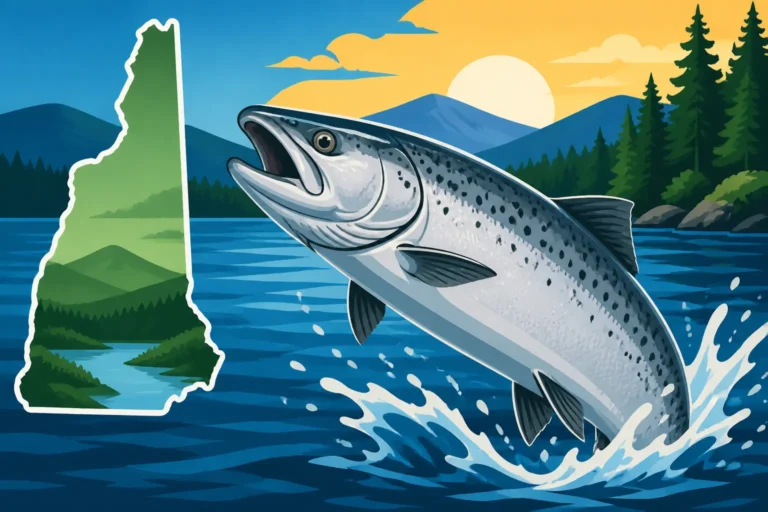
Take a moment to compare them to landlocked salmon, another prized cold-water species in New Hampshire. While landlocked salmon are also long-lived and grow to impressive sizes, they typically don't reach the same extreme ages as lake trout. This difference in potential lifespan is one of the many fascinating aspects of our New Hampshire fisheries, highlighting the unique ecological niches each species occupies. If you're curious about this comparison, check out Do Lake Trout Get Bigger Than Landlocked Salmon in New Hampshire?.
What Anglers Can Do to Support Lake Trout Longevity
As anglers, we have a significant impact on the health and longevity of lake trout populations. Our actions, both on and off the water, can make a real difference. Embracing a mindset of conservation and respect for these incredible fish ensures that future generations will also have the opportunity to marvel at their endurance.
Practice Responsible Catch-and-Release
For any lake trout you intend to release, practicing proper catch-and-release techniques is paramount. This includes:
- Minimizing Fight Time: Use appropriate tackle to bring the fish in quickly. This means using rods and reels that can handle the size of the lake trout you're targeting. Many excellent options for Best Trolling Gear for New Hampshire Lake Trout or other specialized setups can be found on Amazon.
- Gentle Handling: Keep the fish in the water as much as possible. If you must lift it for a photo, support its body horizontally. Avoid touching its gills or eyes. Use a knotless, rubberized landing net, which is gentler on their scales and slime coat.
- Quick Release: Have your de-hooking tool ready. Remove the hook as quickly and gently as possible. If the fish is hooked deeply, cut the line as close to the hook as you can rather than trying to rip it out.
- Descending Devices for Deep Water: This is crucial for lake trout caught from significant depths (say, 30 feet or more). Barotrauma can cause their swim bladder to expand, making it difficult for them to swim back down. A descending device (like a seaqualizer or similar tool) allows you to safely return the fish to its original depth, recompressing the swim bladder and dramatically increasing its survival chances. You can find various descending devices and tools for responsible angling by searching on Amazon.
- Minimize Exposure to Air: Time out of the water should be counted in seconds, not minutes. If you want a photo, be quick and get the fish back into the water immediately.
Adhere to All Regulations
Always be informed and strictly adhere to New Hampshire's fishing regulations for lake trout. This includes understanding bag limits, length limits, and season dates. These rules are put in place for a reason – to protect the fishery and ensure its long-term health. Ignorance of the law is not an excuse, and violating regulations can have serious consequences for both you and the fish population. The New Hampshire Fishing Regulations Explained guide is an invaluable resource for staying informed.
Support Conservation Efforts
Beyond personal angling practices, consider supporting organizations dedicated to cold-water fisheries conservation in New Hampshire. These groups often work on habitat restoration projects, water quality monitoring, and public education. Even small contributions of time or resources can add up to a significant impact on the overall health of our lake trout waters. Being an advocate for clean water and healthy ecosystems is perhaps the greatest thing we can do for these magnificent, long-lived fish.
When you're out on a boat, perhaps trolling for lake trout using techniques found in Best Lures for Lake Trout Trolling or exploring different depths like those discussed in How deep lake trout go in summer, take a moment to appreciate the incredible journey each fish has made. Whether it's a young, energetic fish or an ancient, scarred veteran of the deep, each lake trout contributes to the rich tapestry of New Hampshire's aquatic life. Their longevity is a testament to the resilience of nature and the effectiveness of concerted conservation efforts.
| Factor | Impact on Lake Trout Longevity | Example in New Hampshire |
|---|---|---|
| Water Temperature | Crucial for survival | Cold, deep lakes like Winnipesaukee, Newfound, Sunapee |
| Dissolved Oxygen | Essential for respiration | Lakes with good circulation and minimal organic decomposition |
| Forage Availability | Supports growth and health | Abundant rainbow smelt populations |
| Fishing Pressure | Can reduce older age classes | Regulations like bag and length limits on popular lakes |
| Catch-and-Release | Impacts survival rates | Proper handling, use of descending devices, quick release |
| Habitat Protection | Preserves spawning & living areas | Protecting rocky shoals and minimizing shoreline development |
| Disease/Parasites | Can weaken or kill fish | Generally healthy populations in pristine waters |
| Genetic Predisposition | Some populations live longer | Robust wild populations adapted to specific lake conditions |
Remember, every time you encounter a lake trout in New Hampshire, you're interacting with a creature that could have a history stretching back decades. That's a profound thought, and it underscores the importance of our role in protecting these incredible fish and their habitats for the long haul.
Disclaimer
This article is for general informational purposes only and does not constitute professional advice. Laws, prices and regulations vary by location and change over time. Consult a qualified professional for guidance on your specific situation.