How big smallmouth bass get on Winnipesaukee
If you've ever cast a line into the vast, shimmering waters of Lake Winnipesaukee, you've likely dreamt of hooking into one of its legendary smallmouth bass. There's nothing quite like the powerful fight of a smallmouth, especially when it's a true lunker. But for many anglers, the big question isn't just how to catch them, but realistically, how big do these bronzebacks actually get in New Hampshire's largest lake? This guide dives deep into what makes Winnipesaukee a smallmouth paradise and sets clear expectations for the size of the bass you can expect to encounter.
The Allure of Lake Winnipesaukee Smallmouth Bass
Lake Winnipesaukee isn't just New Hampshire's biggest lake; it's a true gem for anglers, especially those who chase smallmouth bass. With its incredible clarity, varied structure, and abundant forage, it offers an environment where smallmouth can truly thrive. This isn't just a pretty face of a lake; it's a dynamic ecosystem that produces some seriously impressive fish, making it a bucket-list destination for many.
Why Winnipesaukee is a Smallmouth Paradise
Winnipesaukee’s unique characteristics contribute to its reputation as a premier smallmouth fishery. Imagine dropping a line into crystal-clear waters, looking down to see rocky bottom structures, submerged humps, and intricate weed lines — it's a smallmouth's dream home. These fish are masters of their rocky domain, using the underwater topography for ambush points, shelter, and spawning grounds. The lake's expansive size, dotted with islands and countless coves, creates a diverse range of habitats. From shallow, sun-warmed bays in spring to deep, cool humps in the summer, there’s always a perfect spot for smallmouth to hang out, feed, and grow. This incredible diversity means that whether you're a seasoned pro or just starting out, you can find productive water. For more on what makes this lake so special for bass, check out Lake Winnipesaukee Smallmouth Bass Fishing.
Beyond the structure, the lake boasts an incredibly rich forage base. Smallmouth bass are opportunistic predators, and Winnipesaukee offers a buffet. They feast on everything from crayfish, which are abundant in the rocky areas, to various baitfish like alewives, shiners, and yellow perch. A plentiful and diverse diet directly translates to faster growth rates and larger, healthier fish. This rich food chain ensures that when a smallmouth finds a good territory, it has everything it needs to put on size. The strong currents and oxygenated waters also contribute to a robust ecosystem, ensuring the bass are active and strong.
The Average Size of Winnipesaukee Smallmouth
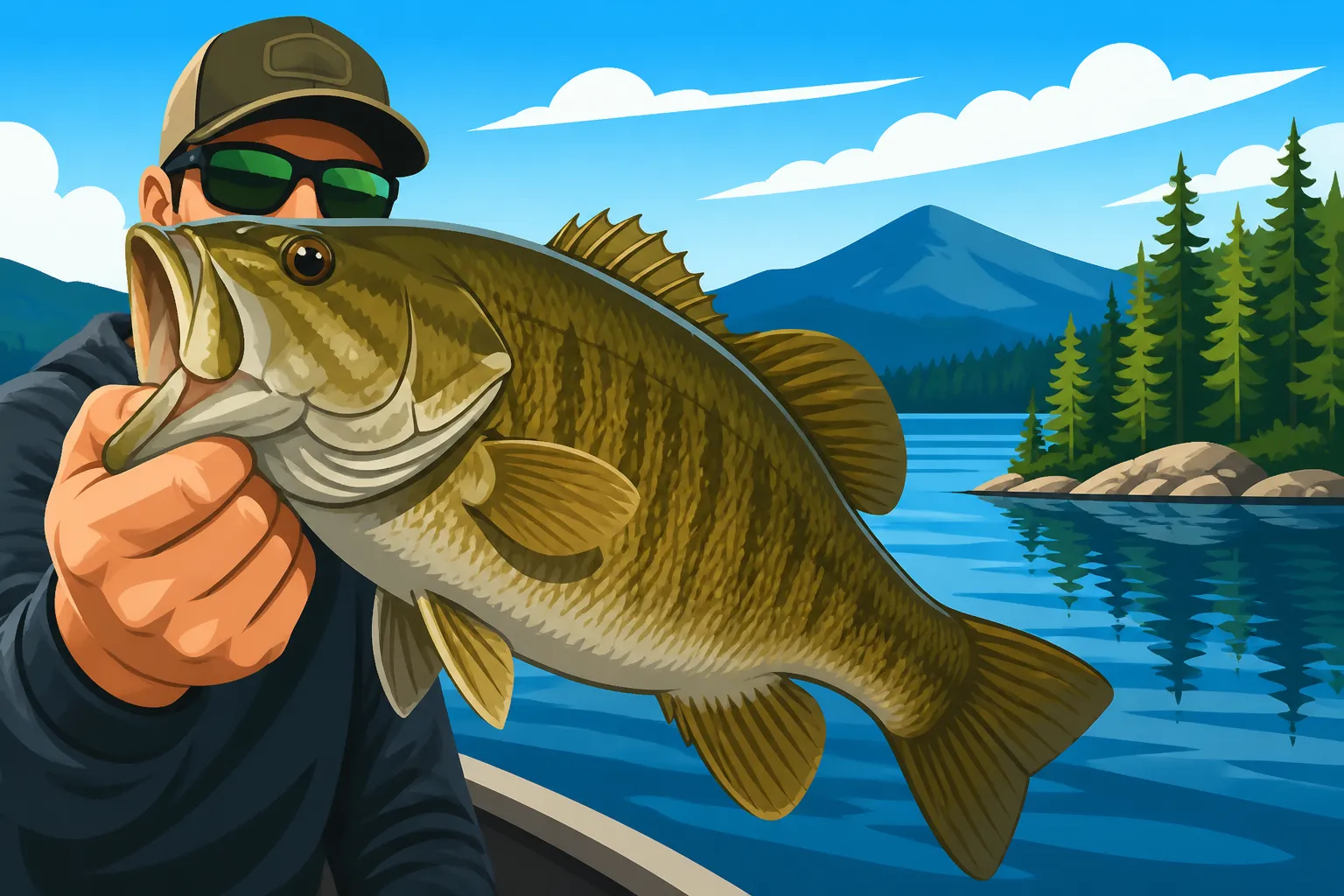
So, let's get down to brass tacks: what's a "normal" smallmouth on Winnipesaukee? While every angler dreams of a monster, the reality is that most smallmouth bass you'll catch will fall into a very respectable size range. You can typically expect to catch fish in the 1 to 2.5-pound range, often measuring between 12 and 16 inches. These are feisty, healthy fish that provide an excellent fight and make for a truly rewarding angling experience. Many local anglers consider a 15-inch smallmouth a "keeper" if they choose to harvest, and you'll find plenty of them.
However, Winnipesaukee has a well-deserved reputation for producing much larger specimens. It's not uncommon to land smallmouth bass in the 3 to 4-pound class, stretching 18 to 20 inches. These are the fish that really make your drag sing and leave you with shaking hands. They're often referred to as "trophy" bass by many, and catching even one of these during a trip is enough to make lifelong memories. While fish over 5 pounds are certainly less frequent, they are absolutely present, and consistent anglers can certainly target them. The current state record for smallmouth bass from New Hampshire is a testament to the potential for truly massive fish, caught in another large lake, proving that New Hampshire waters, including Winnipesaukee, can produce giants.
Factors Influencing Smallmouth Bass Size in Winnipesaukee
The size of smallmouth bass in Lake Winnipesaukee isn't just random; it's a delicate balance of ecological factors. Understanding these elements can not only deepen your appreciation for the fishery but also help you pinpoint areas where you might find those larger, more elusive fish. It’s all about environment, diet, genetics, and how well the fishery is managed.
Forage Availability and Diet
As mentioned, a rich and consistent food source is paramount for fish to grow large. Smallmouth bass are carnivores, and their diet in Winnipesaukee is diverse and plentiful. Crayfish are a huge component, especially in rocky habitats where smallmouth love to ambush them. The abundance of these crustaceans provides a high-protein, calorie-rich diet crucial for growth. You'll often find anglers specifically choosing crayfish-imitating lures like tubes or jigs, which you can easily find on Amazon, because they know how effective they are.
Beyond crayfish, various baitfish species form a significant part of the smallmouth's diet. Schools of alewives, shiners, and even juvenile yellow perch provide an open-water food source that allows bass to feed efficiently and grow quickly. A healthy baitfish population means less competition for food among the bass and a more consistent nutritional intake, pushing them toward larger sizes. When these baitfish populations are thriving, so are the bass. This is particularly true during different seasons, as smallmouth will adjust their feeding patterns to target the most abundant food source available.
Water Quality and Habitat
Lake Winnipesaukee's reputation for clear, clean water isn't just for aesthetics; it's vital for a healthy smallmouth fishery. Excellent water quality, with appropriate oxygen levels and minimal pollution, ensures that bass can thrive, reproduce successfully, and grow without environmental stressors. Smallmouth bass prefer cooler, well-oxygenated water, and Winnipesaukee, with its considerable depth, offers plenty of that, even during the warmer summer months.
The diversity of habitat within the lake is equally critical. Smallmouth are structure-oriented fish, and Winnipesaukee delivers in spades. From vast rock piles, sunken islands, and steep drop-offs to expansive gravel flats and scattered weed beds, there's a habitat for smallmouth at every life stage and during every season. Larger bass, in particular, often seek out more complex and deeper structures that offer better ambush points and protection, allowing them to conserve energy and ambush larger prey. When you're out on the water, look for these transitions – where hard bottom meets soft, where a point drops into deep water, or where a weed line forms along a rocky shelf. These are often the places where you'll find Smallmouth Bass Habits on Winnipesaukee.
Genetics and Age
Just like any species, the genetic makeup of individual smallmouth bass plays a role in their potential growth. Some fish are simply predisposed to grow larger and faster than others. While you can't influence the genetics of the fish, a healthy, genetically diverse population ensures a good chance of having "big fish" genes present in the lake.
Age is another obvious, yet crucial, factor. A smallmouth bass needs time to grow. While they grow relatively quickly in their first few years, reaching legal size (often around 12 inches) within 3-4 years, those true giants are much older. A 4 or 5-pound smallmouth from Winnipesaukee could easily be 8-10 years old, sometimes even older. These older, larger fish have survived numerous challenges – predators, harsh winters, and angling pressure – which makes them particularly special catches. The longevity of the species in a healthy environment directly correlates with the potential for trophy-sized fish.
Fishing Pressure and Management
Human impact, specifically fishing pressure and the management strategies employed by New Hampshire Fish and Game, significantly influence the average and trophy size of smallmouth bass. Heavy fishing pressure can remove larger, older fish from the population, potentially shifting the average size downwards. This isn't necessarily a bad thing if the population remains healthy, but it does mean fewer "once-in-a-lifetime" catches.
However, responsible management practices are key to sustaining a trophy fishery. New Hampshire Fish and Game implements regulations such as length limits and bag limits to protect the bass population, especially larger spawning fish. For example, specific slot limits or minimum length requirements ensure that a certain percentage of fish, particularly those in their prime breeding age, are released to continue reproducing. Adherence to New Hampshire Bass Limits and Slot Rules helps maintain a balanced population, allowing some fish to grow to truly impressive sizes. Catch-and-release practices, especially for larger breeding females, also play a monumental role in sustaining the trophy potential of Winnipesaukee.
Targeting Trophy Smallmouth Bass on Winnipesaukee
So, you're not just looking for a "good" smallmouth; you want a trophy. Great! While luck always plays a part, there are specific strategies and approaches you can take to increase your odds of connecting with those bigger bronzebacks on Lake Winnipesaukee. It often involves understanding their preferences, knowing where they hide, and presenting the right offering at the right time.
Identifying Prime Locations for Bigger Bass
Trophy smallmouth bass are not evenly distributed throughout the lake. They often hold in very specific areas that offer a combination of deep water access, abundant forage, and protective structure. Think about offshore humps and reefs that rise sharply from deeper water. These underwater structures act like magnets, attracting baitfish and, consequently, the larger predatory bass. Look for areas on your fish finder that show dramatic depth changes, ledges, and transition zones where rock gives way to sand or gravel. Many experienced anglers spend hours studying bathymetric maps, which you can often find online or purchase, to identify these subtle but critical features.
Another key area is steep-dropping points and main lake rocky shorelines that quickly descend into deep water. These spots provide quick access to both shallow feeding grounds and deep sanctuary. Current breaks, even subtle ones caused by points or submerged rock piles, can also be hotspots, as baitfish are often concentrated there, and bass use them as ambush points. Pay attention to how the prevailing winds affect these areas; wind-blown points can push baitfish into concentrated areas, creating feeding opportunities for large smallmouth. Knowing where to look for them is half the battle; consider guides like Best Fishing Lakes in New Hampshire for broader context on top spots.
Effective Techniques and Lures for Large Smallmouth
When targeting bigger smallmouth, it's often about presenting larger baits that appeal to their predatory instincts and conserve their energy. While a smallmouth will eat smaller offerings, a bigger meal means less effort for a big fish. Jerkbaits are fantastic in cooler water, mimicking injured baitfish, and you can find many effective options on Amazon. A slow, erratic retrieve with long pauses can often tempt a wary lunker. Crankbaits that dive to different depths, especially those that "bounce" off rocky bottoms, are also highly effective at drawing reaction strikes. Consider deep-diving crankbaits that mimic the lake's abundant baitfish.
For vertical presentations, heavy drop shot rigs or tube jigs can be deadly, especially when fish are relating tightly to structure in deeper water. These allow you to maintain contact with the bottom and present a subtle, natural-looking bait right in the strike zone. You might be interested in Best Crankbaits for New Hampshire Smallmouth Bass for specific recommendations. Don't shy away from throwing larger swimbaits or umbrella rigs, especially if you're marking schools of baitfish. These big presentations can really call in the biggest bass. Remember, sometimes "matching the hatch" means matching the size of the forage, not just the color. Experimenting with different presentations is key, but often, simplicity and persistence with a proven big-fish bait pay off.
Best Times of Year for Trophy Smallmouth
Timing is everything when it comes to trophy smallmouth. While Winnipesaukee offers smallmouth fishing year-round (including ice fishing!), certain seasons dramatically increase your chances of hooking into a truly large specimen. Spring, particularly shortly after ice-out and leading up to the spawn, is prime time. The bass are moving into shallower waters, actively feeding to regain energy and prepare for spawning, making them more accessible and aggressive. This pre-spawn period sees some of the biggest smallmouth caught, as they're often at their heaviest before expending energy on reproduction. You can learn more about this in Best time of year to catch smallmouth bass in New Hampshire.
Fall is another fantastic season for trophy smallmouth. As water temperatures drop, bass embark on a major feeding frenzy to put on fat reserves for the winter. They'll often school up on offshore humps and points, aggressively chasing baitfish. This can lead to incredible days where multiple large fish are caught. During both spring and fall, smallmouth are often more concentrated and willing to chase larger lures, making them more predictable targets. Conversely, summer can be challenging for trophy smallmouth, as they often retreat to deeper, cooler waters, requiring specialized deep-water tactics. Understanding What water temperature smallmouth bass prefer can guide your seasonal approach.
Understanding New Hampshire's Bass Regulations
Part of being a responsible angler and contributing to the health of Winnipesaukee's smallmouth population is understanding and adhering to the fishing regulations set by New Hampshire Fish and Game. These rules aren't just arbitrary; they are carefully crafted to ensure sustainable fishing for generations to come, especially for those coveted larger fish.
Length and Bag Limits for Smallmouth Bass
New Hampshire has specific regulations regarding length and bag limits for smallmouth bass, which are subject to change, so always consult the latest New Hampshire Freshwater Fishing Digest. Generally, there's a minimum length limit, meaning any bass caught under that size must be immediately released. This protects juvenile fish, allowing them to grow and mature. Additionally, a daily bag limit restricts the number of bass an angler can keep per day. This prevents overharvesting and helps maintain a healthy population balance. For many years, New Hampshire has also had special slot limits or seasons for bass, particularly in the spring, allowing for catch-and-release only during certain periods to protect spawning fish. These regulations are crucial for managing the fishery and are often detailed in resources like New Hampshire Bass Limits and Slot Rules.
For example, during the early part of the bass season, it's typically catch-and-release only, often referred to as the "Bass Catch-and-Release Season." This ensures that the biggest, most productive spawning bass are protected during their most vulnerable time. Only after this period does the traditional harvest season open with specific length and bag limits. Always double-check these dates and limits before you head out, as they are sometimes adjusted based on fish population health and biological surveys. Knowing these rules is not just about avoiding fines; it's about being a good steward of the resource and ensuring the long-term health of the smallmouth fishery in Winnipesaukee.
Catch and Release Practices for Big Bass
When you do hook into one of those magnificent, larger smallmouth bass on Winnipesaukee, practicing proper catch and release is paramount, especially if you're not planning to keep it. These older, larger fish are often the best spawners, contributing significantly to the next generation of bass. Minimizing stress on the fish increases its chances of survival after release.
Here are a few tips for responsible catch and release:
- Handle with care: Wet your hands before touching the fish to protect its slime coat, which is its primary defense against infection.
- Minimize air exposure: Keep the fish in the water as much as possible. If you need to take a photo, do it quickly and hold the fish horizontally, supporting its belly. Avoid hanging it vertically by the jaw, as this can damage internal organs and the jaw itself, especially for heavy fish.
- Use appropriate tools: Barbless hooks can make unhooking easier and quicker. If the fish is deeply hooked, consider cutting the line as close to the hook as possible rather than trying to rip the hook out. Pliers or forceps, which you can find on Amazon for a good price, are essential for quick hook removal.
- Revive gently: If the fish seems sluggish, hold it gently in the water, facing into a mild current, until it can swim away under its own power. Don't just toss it back; give it a chance to recover.
Adhering to these practices ensures that the trophy smallmouth you release today can continue to grow, spawn, and provide exciting angling opportunities for others in the future. For more on this critical conservation aspect, see New Hampshire Bass Catch-and-Release Season, Explained.
Winnipesaukee Smallmouth Bass Size Comparison
To give you a clearer picture, here's a general comparison of smallmouth bass sizes you might encounter in Lake Winnipesaukee:
| Category | Typical Length Range (inches) | Typical Weight Range (pounds) | Description |
|---|---|---|---|
| Average Catch | 12 – 16 | 1.0 – 2.5 | The most common size, active and fun to catch. |
| "Good" Fish | 16 – 18 | 2.5 – 3.5 | A solid catch, showing good growth and a strong fight. |
| Trophy Potential | 18 – 20+ | 3.5 – 5.0+ | Less frequent, these are the lunkers that make the trip memorable. |
| Record Breaker | 22+ | 6.0+ | Extremely rare, representing a fish that has lived a long, successful life. |
While these ranges are general, they reflect the realistic potential of the fishery. Catching a smallmouth in the "trophy potential" category from Winnipesaukee is a significant accomplishment and a testament to the lake's health and the fish's resilience.
Lake Winnipesaukee truly holds some fantastic smallmouth bass, and the potential to catch a fish of a lifetime is a real draw for anglers. While the average catch will provide plenty of exciting action, the consistent presence of larger fish makes every cast an anticipation-filled moment. By understanding the lake's unique ecosystem, utilizing effective techniques, and practicing responsible angling, you can increase your chances of connecting with those truly impressive Winnipesaukee bronzebacks. So, grab your gear, perhaps a new lure from Amazon, and get ready to experience some of the best smallmouth fishing New Hampshire has to offer!
Disclaimer
This article is for general informational purposes only and does not constitute professional advice. Laws, prices and regulations vary by location and change over time. Consult a qualified professional for guidance on your specific situation.