New Hampshire under-16 fishing license exemption details
One of the biggest headaches for anyone planning a fishing trip, especially if you're bringing the family along, is figuring out who needs a license and who doesn't. It's easy to get tangled up in the rules, and no one wants to accidentally break the law when all they're trying to do is enjoy a peaceful day on the water. This guide is going to clear up all the confusion specifically about New Hampshire's fishing license requirements for anglers under the age of 16, so you can focus on making memories, not paperwork.
Understanding the Under-16 Fishing License Exemption
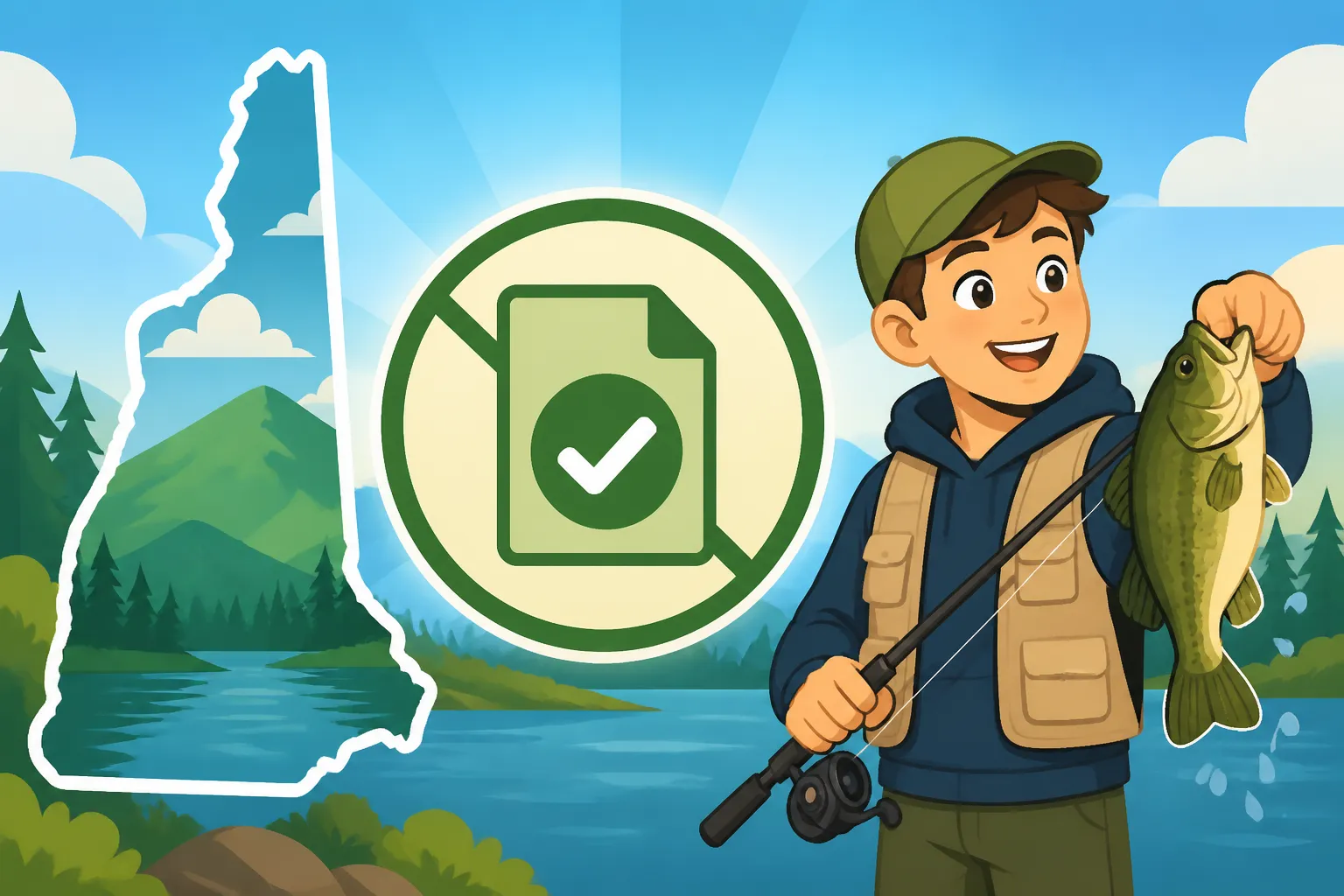
Let's get right to the heart of it: If you're an angler under the age of 16 in New Hampshire, you generally don't need a fishing license to enjoy the state's incredible freshwater and saltwater opportunities. That's right, the Granite State wants to encourage its youth and visiting youngsters to get out there and experience the joy of fishing without the added barrier of purchasing a license. This exemption is a huge win for families and a great way to introduce kids to the outdoors without extra cost or bureaucracy.
This rule applies whether you're a resident of New Hampshire or just visiting from out of state. It's a universal exemption based purely on age. So, if your child is 15 years old, they're good to go. The day they turn 16, however, they'll need to secure their own license to continue fishing legally. This generous policy is designed to foster a love for fishing early on, making it easier for parents, grandparents, and guardians to bring young ones along without an extra step. It’s a common question, and thankfully, the answer is often simpler than people expect when it comes to New Hampshire Fishing License Age Requirements.
Why New Hampshire Exempts Young Anglers
The reasoning behind this exemption is pretty straightforward and rooted in a common-sense approach to wildlife management and public recreation. New Hampshire Fish and Game, like many state wildlife agencies, recognizes the importance of engaging youth in outdoor activities. Introducing kids to fishing at a young age not only provides them with a healthy hobby but also helps instill an appreciation for conservation and the natural environment.
Think about it: the more hoops you have to jump through, the less likely busy parents are to sign their kids up for new activities. By removing the license requirement for those under 16, the state effectively lowers the barrier to entry. This means more kids get lines in the water, more families spend time together outdoors, and ultimately, a new generation grows up understanding the value of New Hampshire's lakes, rivers, and coastal waters. It's an investment in the future of fishing and conservation, ensuring that the legacy of outdoor recreation continues. This commitment is part of a broader effort to make fishing accessible, similar to how they approach New Hampshire Free Fishing Days, Explained.
What This Means for Different Fishing Scenarios
Understanding the under-16 exemption is one thing, but how does it play out in various real-world fishing situations? Let's break down some common scenarios you might encounter when fishing with youngsters in New Hampshire.
Fishing with Parents or Guardians
This is probably the most common scenario. If you, as an adult, have your valid New Hampshire fishing license, your child or grandchild under 16 can fish alongside you without needing their own license. You can even help them bait hooks, cast, and reel in fish without any issue. It's all about providing that guidance and sharing the experience. Imagine a calm morning on Lake Winnipesaukee, teaching your 10-year-old how to jig for smallmouth bass. You're covered by your license, and they're covered by their age. No need for an extra purchase, which means more money for snacks or perhaps that new lure you saw on Amazon. This makes family fishing trips significantly less stressful and more spontaneous.
Kids Fishing Alone or with Peers
What if your 14-year-old wants to walk down to the local pond with a friend, both under 16, and try their luck? Good news! As long as both children are under 16 years old, they do not need a license to fish New Hampshire's public waters, even if no adult is present. This encourages independence and allows young anglers to explore their passion. However, it's crucial that they still abide by all other fishing regulations, such as New Hampshire Bag and Possession Limits by Species and any special rules for the specific water body they're fishing. The license exemption doesn't mean a free pass on all other rules!
Freshwater Versus Saltwater Fishing
The under-16 fishing license exemption in New Hampshire applies to both freshwater and saltwater fishing. This is a common point of confusion, as some states have different rules for their marine fisheries. In New Hampshire, whether your youngster is casting for trout in a mountain stream or trying to catch striped bass in the Great Bay, if they are under 16, they do not need a license. This consistency simplifies things considerably and ensures that the coast remains as accessible as the inland lakes and rivers for young anglers. So, whether you're headed to a local stocked pond or the Atlantic coastline, the age rule holds true.
Beyond the License: Other Important Regulations for Young Anglers
While the license exemption for those under 16 is fantastic, it's really important to remember that it doesn't exempt them from all fishing rules. Think of it like driving: you don't need a license to ride in the car, but you still need to wear a seatbelt. The same principle applies here.
Following Catch Limits and Seasons
Every fish species in New Hampshire has specific regulations regarding daily limits (how many you can keep), possession limits (how many you can have with you or at home), and open seasons. For example, there might be a specific New Hampshire Bass Catch-and-Release Season, Explained before the harvest season opens. Kids, just like adults, must adhere to these rules. If a 12-year-old catches six trout but the daily limit is five, they must release one. It’s the perfect opportunity to teach them responsible angling practices and the importance of conservation. It’s also an important lesson in respecting the resource for future generations.
Understanding Water Body Specific Rules
Some lakes, ponds, or rivers in New Hampshire have unique regulations that differ from the general statewide rules. These "special regulation waters" might have different length limits, tackle restrictions (like fly-fishing only), or even catch-and-release only rules. Before heading out, especially with kids, it's always a good idea to check the latest New Hampshire Freshwater Fishing Digest. This crucial document, available digitally on the NH Fish and Game website or in print at most license vendors, will detail any specific rules for your chosen fishing spot. You can also explore specific rules like those for New Hampshire Trout Stocking and Fishing Rules to ensure compliance.
Boating Safety and Life Jacket Requirements
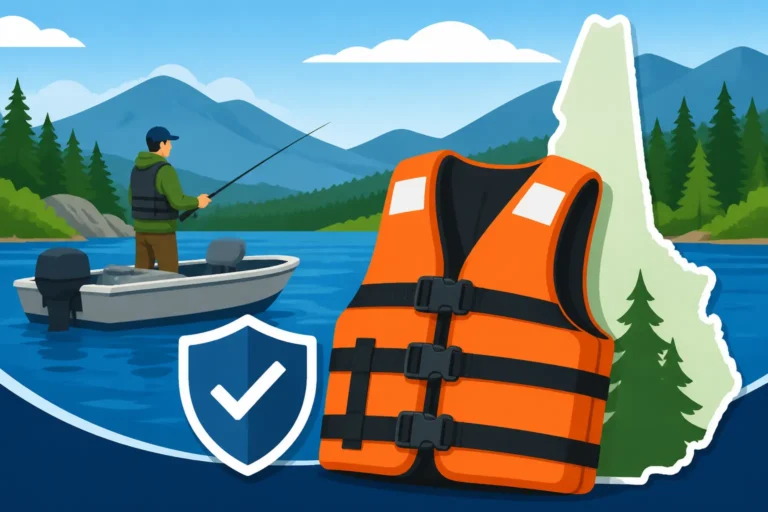
If your young angler is fishing from a boat, canoe, kayak, or any other vessel, New Hampshire's boating laws still apply. Specifically, any child 12 years of age and younger must wear a U.S. Coast Guard approved life jacket at all times while underway on a vessel, unless they are in an enclosed cabin. Even for older children, it's always wise to wear a life jacket, regardless of the legal requirement. Safety should always be paramount on the water. You can find more details in our guide on New Hampshire Boating Laws for Anglers. These rules are non-negotiable for everyone, regardless of age or license status.
Practical Tips for Fishing with Youngsters in New Hampshire
Making fishing enjoyable for kids goes beyond just understanding the license rules. It’s about creating a positive experience that keeps them coming back. Here are a few practical tips to help you make the most of your time on the water with young anglers.
Keep it Simple and Fun
Kids often have shorter attention spans than adults. Focus on easy-to-use gear and accessible spots where they have a good chance of catching something, even if it's just a small panfish. Simple worm-and-bobber setups are often the best bet for beginners. A successful catch, no matter how small, can be incredibly exciting and build confidence. Don't push them too hard, and be prepared to take breaks, explore, or even just watch the ducks. The goal is enjoyment, not necessarily a trophy fish on the first outing.
Gear Choices for Little Hands
When it comes to tackle, prioritize ease of use and durability. A simple spinning rod and reel combo that's appropriately sized for their hands can make a huge difference. You can find some excellent beginner combos at local tackle shops or even on Amazon that won't break the bank. Look for rods with shorter handles and lighter actions, making it easier for them to cast and manage. A tackle box with separate compartments for hooks, sinkers, and bobbers helps them stay organized and teaches them about their gear.
Focus on the Experience, Not Just the Catch
While catching fish is definitely a thrill, remember that the overall experience is what truly matters for kids. Point out wildlife, talk about the different plants and trees, and simply enjoy being outdoors together. Teach them about the types of fish they might encounter, like in our Panfish Fishing in New Hampshire guide, or explain why certain baits work best. Even if the fish aren't biting, the shared time and lessons learned are invaluable. Pack plenty of snacks, drinks, and maybe even a small game or book for downtime.
Lead by Example in Conservation
Fishing with kids is a fantastic opportunity to teach them about ethical angling and conservation. Show them how to handle fish gently, especially if practicing catch and release. Explain why it's important to keep our waterways clean and to only take what you need. Teach them about proper disposal of fishing line and trash. These lessons stick with them and help foster a lifelong respect for nature. You can also discuss the importance of local efforts like New Hampshire Trout Stocking Report and Map to see where the fish come from.
Summary of New Hampshire Fishing License Requirements by Age
To make things even clearer, here's a quick reference table summarizing the general fishing license requirements based on age in New Hampshire.
| Age Group | Fishing License Required? | Notes |
|---|---|---|
| Under 16 | No | Applies to both residents and nonresidents, freshwater and saltwater. |
| 16 and older | Yes | Must purchase appropriate resident or nonresident license. |
| Special Categories | Varies | Exemptions for specific disabilities, military, or milestone licenses (check NH Fish and Game for details). |
This table provides a snapshot, but always refer to the official New Hampshire Fish and Game Department resources for the most up-to-date and complete information on all regulations. When someone turns 16, they'll need to figure out How to Buy a Fishing License Online in New Hampshire.
Final Thoughts on Youth Fishing in New Hampshire
New Hampshire truly shines as a destination for family fishing adventures, and the under-16 fishing license exemption is a testament to the state's commitment to outdoor recreation for all ages. It removes a common hurdle and encourages parents and guardians to introduce the next generation to the joys of angling. While the license itself isn't needed for younger kids, remember that all other regulations, from bag limits to boating safety, still apply. Use this opportunity to teach them not just how to fish, but how to be responsible stewards of our beautiful natural resources. So grab your rods, pack some snacks, and get ready to make some unforgettable memories on the water with your young anglers!
Disclaimer
The information provided in this guide is intended for general informational purposes only and is subject to change. While we strive to offer accurate and up-to-date content, fishing regulations, license requirements, and laws can be updated by the New Hampshire Fish and Game Department. Always consult the official New Hampshire Fish and Game website or their latest Freshwater Fishing Digest for the most current and authoritative information before engaging in any fishing activities. Compliance with all state and federal regulations is the responsibility of each individual angler.