What age can you fish without a license in New Hampshire
One of the most common questions I hear from families planning a fishing trip in the Granite State is, "Do my kids need a fishing license?" It's a fair question, and honestly, the rules around age exemptions can sometimes feel a bit like trying to untangle a backlash on a spinning reel – confusing if you don't know where to start. This guide aims to clear up all that head-scratching, helping you understand exactly what age your budding anglers can enjoy the thrill of a New Hampshire catch without needing their own license.
Understanding New Hampshire's Youth Fishing License Exemptions
It's a wonderful thing to introduce a child to fishing. The quiet moments on the water, the excitement of a tug on the line, and the memories created are priceless. New Hampshire's Fish and Game Department recognizes this, and they've actually made it quite straightforward for young anglers, at least for a while. The goal is to encourage participation, not create barriers.
The Specific Age Cutoff for Anglers
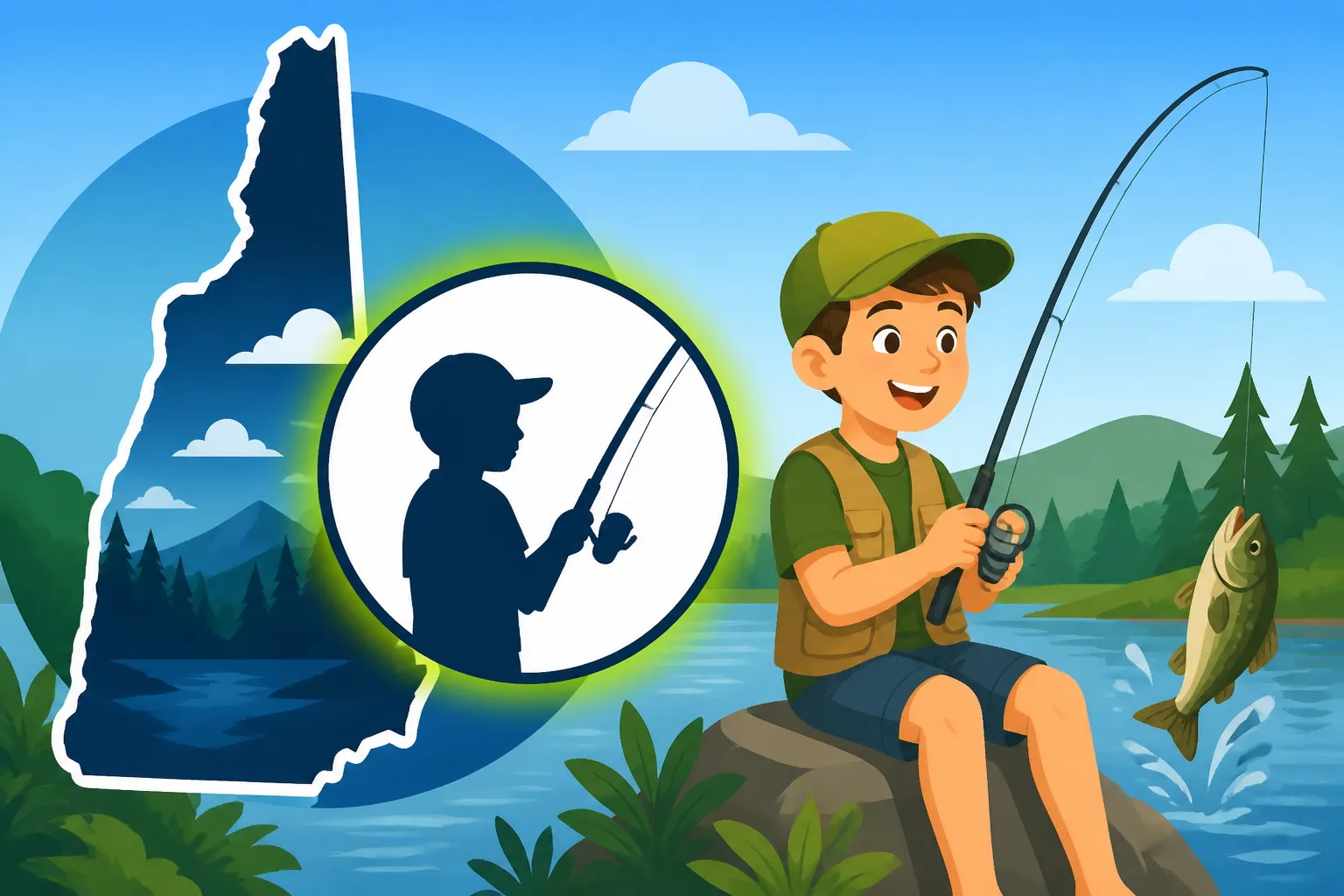
In New Hampshire, the law is pretty clear: anyone 15 years of age and younger does not need a fishing license to cast a line in the state's public waters. That's right, if your child is 15 years old or younger, they can fish without a license. This applies to both residents and nonresidents, which is a fantastic perk for families visiting the state for a vacation. Once they hit their 16th birthday, however, they are officially considered an adult in the eyes of the New Hampshire Fish and Game Department when it comes to fishing, and they will need to purchase the appropriate license.
This exemption is a huge relief for many parents. It means you don't have to worry about an additional cost or paperwork for each child you bring along. You can simply focus on packing the tackle box, grabbing some snacks, and heading out to your favorite pond or stream. It’s an open invitation for youth to explore the natural beauty and bountiful waters of New Hampshire.
Think of it this way: for all those precious years from toddlerhood right up until they're old enough to start thinking about driving, they're free to fish. This generous age limit encourages a love for the outdoors and fishing from a young age, fostering responsible angling habits under the guidance of licensed adults. It's a program designed to make entry into the sport as easy and welcoming as possible.
Why These Rules Matter for Family Fishing Trips
Understanding this age cutoff is absolutely crucial for planning any family fishing excursion in New Hampshire. Imagine the disappointment if you arrived at a beautiful lake like Lake Winnipesaukee or a trout stream in the White Mountains, only to realize your older teen couldn't fish because you misunderstood the regulations. This simple rule simplifies trips and removes a significant hurdle for families, particularly those with multiple children.
For parents or guardians who are already licensed, having younger kids fish for free means fewer expenses and less administrative hassle. It allows you to invest more in quality gear, bait, or even a picnic lunch to make the day even more special. It’s also a fantastic incentive for children to join in, as they feel included in the activity without the grown-up responsibility of their own license until they're older.
Moreover, this rule fosters a sense of community and shared experience. Youngsters aren't just tagging along; they're actively participating. They learn about local fish species, responsible catch-and-release practices, and the importance of conservation, all while enjoying the freedom of the water. It’s an investment in the next generation of anglers, ensuring that the rich tradition of New Hampshire fishing continues to thrive.
Beyond the Basics: Other Situations and Special Exemptions
While the 15-and-under rule covers most youth, there are a few other scenarios where a fishing license might not be required, or where special considerations apply. It's always worth knowing these details, as they can sometimes open up additional opportunities or clarify niche situations that might arise.
Free Fishing Days in New Hampshire
One of the absolute best opportunities for anyone, regardless of age, to fish without a license in New Hampshire are the designated New Hampshire Free Fishing Days, Explained. The New Hampshire Fish and Game Department typically designates a couple of days each year – usually one in winter for ice fishing and one in summer for open water fishing – where residents and nonresidents alike can fish without a license. These days are a fantastic way to introduce friends or family members to fishing who might be hesitant to buy a full license right away.
These free fishing days are publicized well in advance by the Fish and Game Department. They serve as a perfect entry point for adults who haven't fished in years, or for those who want to try it out before committing to a full license. Even if you're a seasoned angler, it's a great excuse to bring along someone new and share your passion without any financial barrier for them. Just remember that all other fishing regulations, such as bag limits and season dates, still apply on these free days.
It’s truly a community event, often coinciding with local fishing derbies or educational programs. You’ll see families, scout troops, and individuals out on the water, all sharing in the joy of fishing. Keep an eye on the official NH Fish and Game website or local tackle shops for announcements about upcoming dates, and mark your calendar for these can't-miss opportunities.
Fishing on Private Property and Stocked Ponds
Generally, if you are fishing on your own private property, from land that you own, in a pond or stream that is entirely contained within your property and has no inlet or outlet to public waters, you might not need a license. However, this is a very specific and often rare scenario. The vast majority of fishing in New Hampshire takes place in public waters or waters with public access. It's critical to understand that if the water body connects to any other public water, or if you're fishing from land you don't own, a license is almost certainly required for those over 15.
There are also instances of privately-owned, commercially operated "pay-to-fish" ponds. These venues sometimes have their own internal licensing or permit systems, and may explicitly state that a state fishing license is not required while on their property. Always double-check with the specific private facility you plan to visit, as their rules supersede general state regulations for fishing within their controlled environment. For example, some fish farms or private resorts might offer fishing experiences where their own permit is all you need.
It's a nuanced area, and when in doubt, it's always safer and wiser to assume a license is needed if you are 16 or older and fishing anywhere that isn't explicitly your own completely enclosed private pond. Relying on an exemption for private property can be risky if you don't fully understand the legal definitions of "private waters" in New Hampshire, which are quite stringent.
Exceptions for Disabled Anglers or Specific Programs
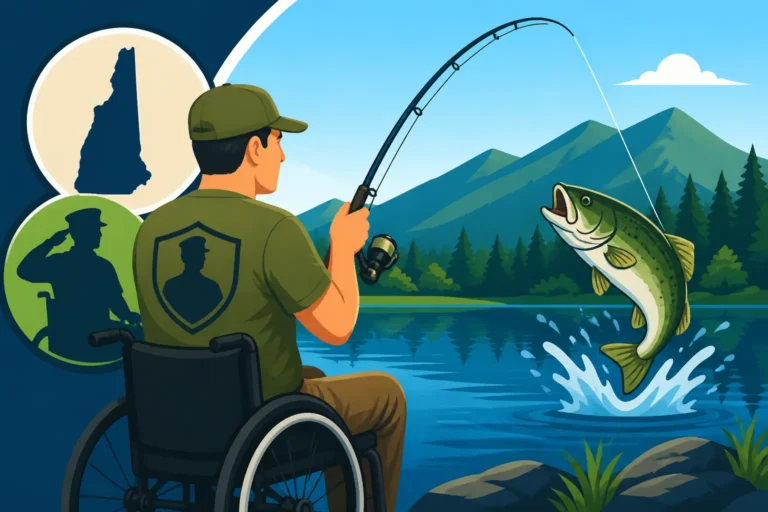
New Hampshire also offers certain exemptions or discounted licenses for specific groups, including residents with disabilities, especially those who are permanently and totally disabled. While these aren't "no license needed" situations for adults, they represent a significant reduction in cost or a specialized permit, making fishing more accessible. For instance, there are provisions for New Hampshire fishing license for disabled residents which can significantly ease the financial burden.
Beyond direct disability, the Fish and Game Department sometimes runs specific educational or therapeutic fishing programs where participants might be exempt from licensing requirements for the duration of the event. These are typically organized and supervised programs, not general exemptions for individuals. Always check with the program organizers for specific details on licensing during these events.
For veterans, especially those with certain disability ratings, there might also be specific programs or discounts available, though typically a "license" of some form is still part of the process, even if it's free or deeply discounted. These efforts highlight the state's commitment to ensuring that fishing remains a joyful and accessible pastime for all its citizens, particularly those who have served or face unique challenges.
Navigating Licensing for Those Who Need One
Okay, so we've established that if you're 15 or younger, you're good to go. But what about everyone else? Or, more importantly, what about the adults who are bringing those 15-and-under anglers out on the water? It's essential for adults to understand their own responsibilities when it comes to licensing. This ensures a smooth, worry-free fishing experience for everyone involved.
When Parents and Guardians Need a License
Here's the golden rule: if you are 16 years old or older, and you are fishing in New Hampshire's public waters, you must possess a valid New Hampshire fishing license. It doesn't matter if you're just "helping" your child cast, baiting their hook, or simply holding a rod for a moment – if you are actively participating in the act of fishing, you need a license. This applies whether you're a resident or a nonresident.
Many parents make the mistake of thinking that because their kids don't need a license, they might be exempt if they're only facilitating the children's fishing. However, if that line goes in the water and you are the one holding the rod or actively tending to it, you are considered to be fishing. It's always better to be safe than sorry; invest in your own license before heading out. This not only keeps you compliant with the law but also sets a good example for your young anglers about respecting regulations. You can find comprehensive details about what type of license you might need, whether it's an annual, 1-day, or 3-day option, in the New Hampshire Fishing License Guide for 2026.
Remember, the responsibility ultimately falls on the adult. Even if you're just enjoying the scenery while your licensed teen casts away, if you pick up a second rod and cast it, you need a license. This clarity helps prevent accidental violations and ensures that all adults understand their role in maintaining responsible angling practices across the state.
How to Obtain a New Hampshire Fishing License
Purchasing a New Hampshire fishing license is thankfully a pretty straightforward process these days. You have several convenient options, making it easy to get what you need before you hit the water. The most popular method for many is to buy their license online. The New Hampshire Fish and Game Department has an intuitive online portal where you can select your license type (resident, nonresident, annual, 1-day, 3-day, etc.), fill in your details, and print your license right from home. It's quick, efficient, and means you can secure your license at any time of day or night. Many anglers also find a vast array of related gear, from tackle to fishing guides, on platforms like Amazon, making it a one-stop-shop for planning.
If you prefer a more traditional route, or if you want to chat with a local expert, you can also purchase a license in person. There are numerous authorized license agents located across the state, including many sporting goods stores, bait shops, and even some town clerks. These agents can help you select the right license and often provide valuable local fishing tips. To find a location near you, check the New Hampshire Fish and Game website for an updated list of vendors. For a complete walkthrough of the options, refer to Where and How to Buy a New Hampshire Fishing License.
Whether you choose online or in-person, make sure you have your necessary identification (like a driver's license) and proof of residency if you're claiming resident status. Non-residents will also need appropriate identification. The ease of access to licenses means there's really no excuse for fishing without one if you're over 15, and taking that small step ensures a worry-free day on the water.
Common Misconceptions and Avoiding Penalties
Even with clear rules, misunderstandings can still crop up. It's easy to assume things, especially if you're new to fishing in New Hampshire or if you've fished in other states with different regulations. Being aware of these common pitfalls can save you a lot of hassle and potential fines.
The Difference Between Freshwater and Saltwater Licenses
This is a big one that often trips people up. In New Hampshire, there is a combined freshwater fishing license that covers all inland freshwater bodies. If you plan to fish for trout in a stream, bass in a lake, or perch through the ice, this is the license you need. However, if your angling adventures take you to the coast, specifically to the marine waters for species like striped bass or cod, you will need a separate New Hampshire Saltwater Fishing License.
It's a common misconception that a freshwater license automatically covers all fishing within the state. Not so! The Great Bay estuary, for example, despite being largely enclosed, is considered saltwater for licensing purposes due to its tidal connection to the ocean. So, if you're planning to chase striped bass in the Great Bay, your standard freshwater license won't cut it. You'll need to secure the appropriate New Hampshire Saltwater Fishing License, Explained. Always consider where you'll be fishing and what species you're targeting to ensure you have the correct license class.
The split between freshwater and saltwater licensing is fairly typical across many coastal states. New Hampshire's coastline may be short, but it offers fantastic marine angling opportunities, so don't overlook the need for that separate license if you're heading to the ocean or tidal rivers. When in doubt, always consult the official New Hampshire Fishing Regulations Explained or the annual freshwater fishing digest. You can often find guides and resources, like various fishing books detailing the New England coast, on Amazon, which can further clarify these distinctions.
Consequences of Fishing Without the Proper License
Let's be blunt: fishing without a required license in New Hampshire is not a minor infraction. It's a violation of state law, and the New Hampshire Fish and Game Department takes these matters seriously. Enforcement officers patrol popular fishing spots, and they are trained to verify licenses. The penalties for fishing without a license can range from significant fines to the confiscation of your fishing gear, and potentially even court appearances. These penalties are designed to deter illegal activity and help fund conservation efforts.
It's also important to remember that ignorance of the law is generally not a valid defense. An officer won't likely be sympathetic if you claim you "didn't know" your 16-year-old needed a license, or that your freshwater license didn't cover your Great Bay striper fishing. The responsibility falls on the individual angler to understand and abide by all current regulations. The cost of a fishing license is relatively small compared to the potential fines and legal fees you could face.
Beyond the legal and financial repercussions, fishing without a license undermines the very system that supports healthy fish populations and maintains public access to fishing spots. License sales are a crucial funding source for fish stocking programs, habitat restoration, and enforcement efforts that benefit all anglers. So, by ensuring you and your eligible family members have the correct licenses, you're not just avoiding trouble; you're actively contributing to the preservation and improvement of New Hampshire's incredible fishing resources. For more detailed information on penalties, consult Fishing Without a License in New Hampshire: Penalties.
Here's a quick reference table to summarize the age requirements for a New Hampshire fishing license:
| Age Group | New Hampshire Fishing License Required? | Notes |
|---|---|---|
| 0-15 years old | No | Applies to both residents and nonresidents. |
| 16 years old + | Yes | Requires appropriate resident or nonresident license. |
| Free Fishing Days | No (for anyone) | Specific designated days, check NH Fish & Game calendar. |
| Private Ponds | Usually No | Only if completely enclosed, privately owned, and not connected to public waters. Check specific facility rules. |
| Disabled Residents | Yes (but discounted) | Special provisions and discounted rates may apply for eligible residents. |
Disclaimer
The information provided in this guide is intended for general informational purposes only and is subject to change. While we strive to provide accurate and up-to-date information, fishing regulations can be complex and are regularly updated by the New Hampshire Fish and Game Department. Always consult the official New Hampshire Freshwater Fishing Digest and the New Hampshire Fish and Game website for the most current and authoritative regulations before heading out to fish. Your adherence to all state laws and regulations is your sole responsibility.