How rainbow smelt affect New Hampshire lake fisheries
Rainbow smelt act as nutritious forage fish in New Hampshire lakes, fueling growth for lake trout and landlocked salmon.
Know what’s on the line.
Gamefish and panfish profiles — identification, behavior, feeding habits, and species-specific strategies for every catch.
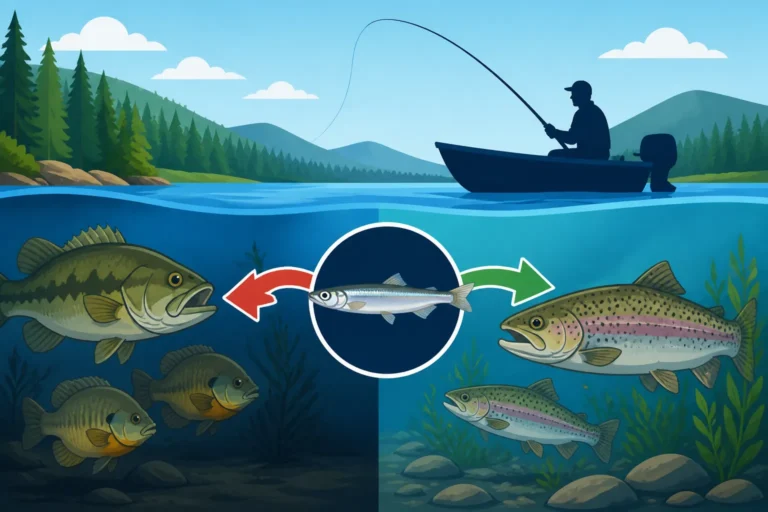
Rainbow smelt act as nutritious forage fish in New Hampshire lakes, fueling growth for lake trout and landlocked salmon.
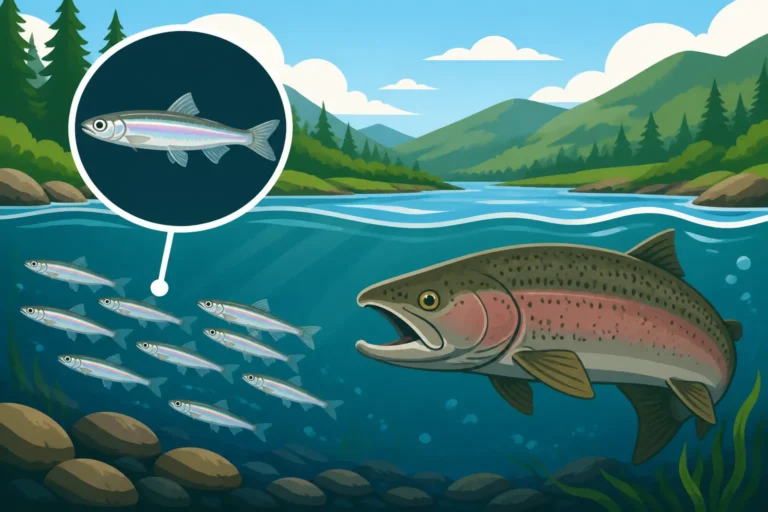
Rainbow smelt are five to nine inch silvery fish that spawn in early spring to drive the health and growth of landlocked salmon.
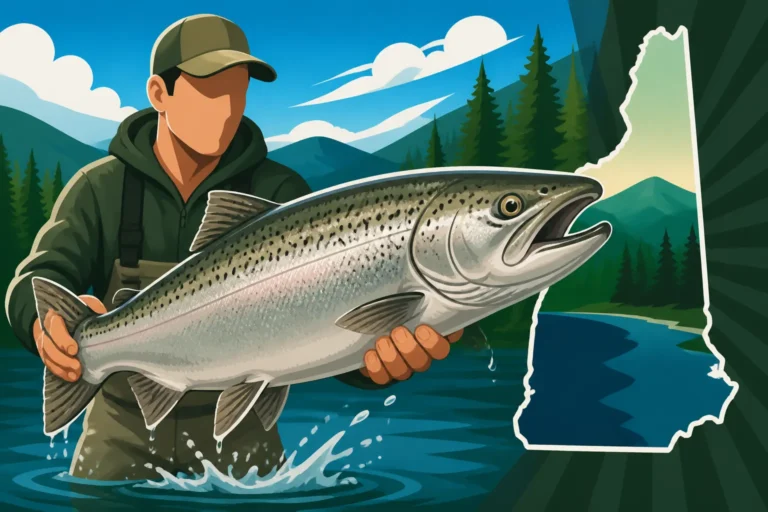
Lake Winnipesaukee and other deep New Hampshire waters provide cold oxygenated habitats and rainbow smelt for trophy salmon growth.
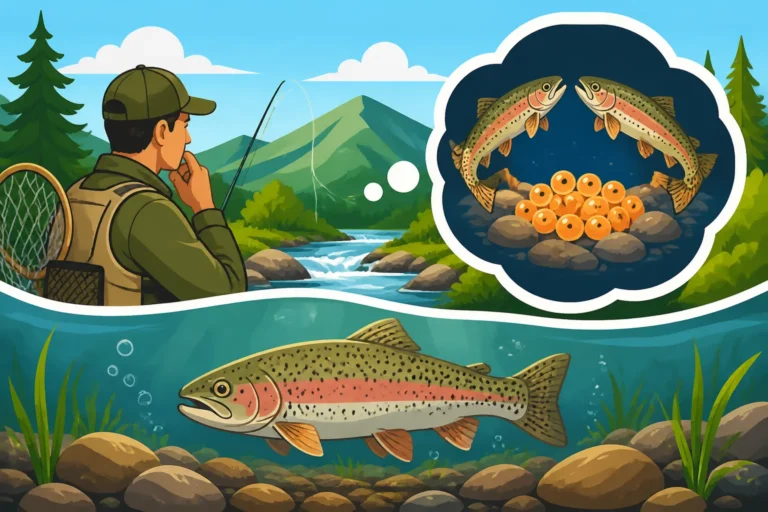
New Hampshire streams support both wild trout populations and state stocking programs, balancing natural reproduction with angling demands.

New Hampshire holdover trout are hatchery fish that survive past the initial stocking period in local lakes and streams.
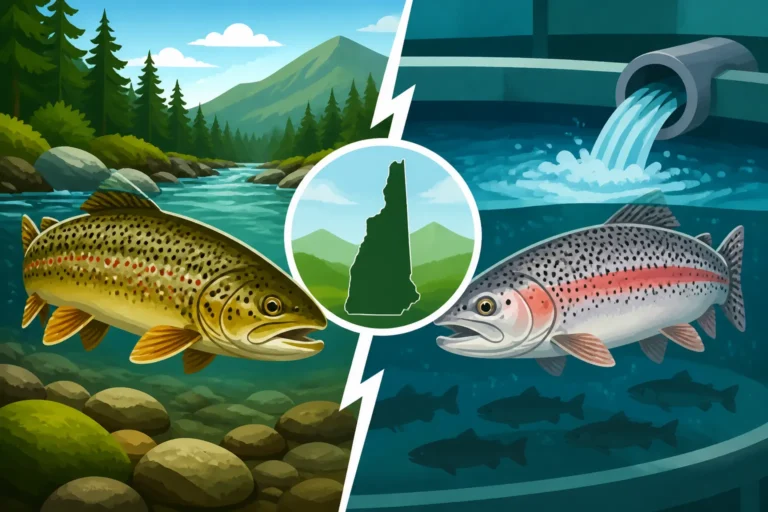
Wild and stocked trout in New Hampshire feature distinct physical and behavioral differences that anglers can easily observe.
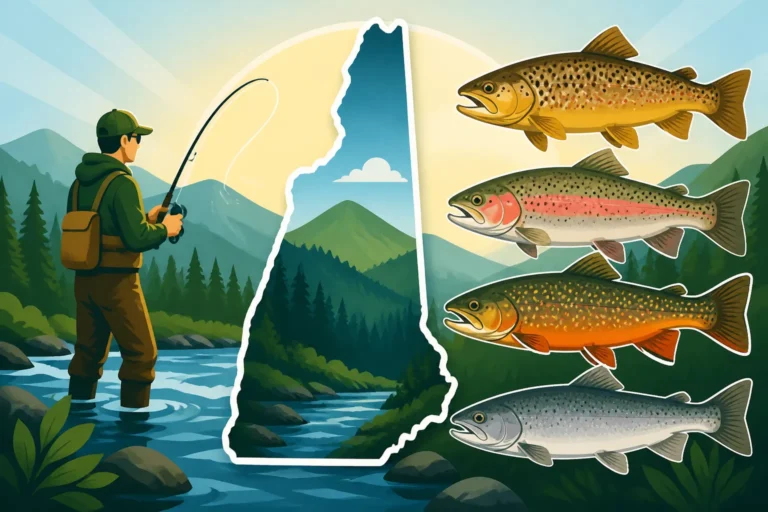
New Hampshire trout species include three true varieties: brook trout, brown trout, and rainbow trout, plus landlocked salmon and splake.
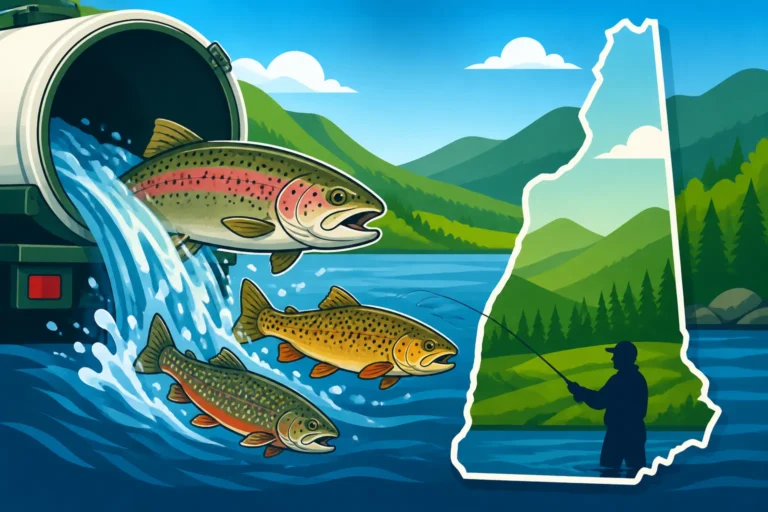
New Hampshire trout stocking programs release non-native fish species into public waters to support recreational fishing.

New Hampshire brook trout are the only fish species truly native to the state, unlike introduced rainbow and brown trout.
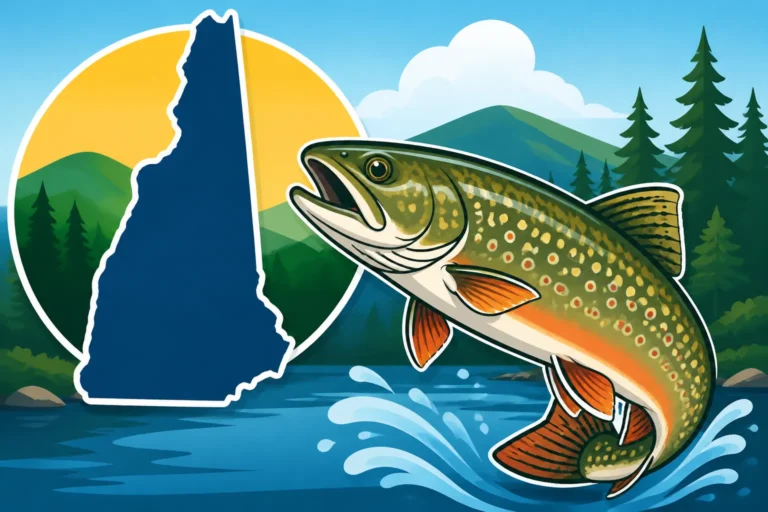
New Hampshire designates the brook trout as its official state fish to represent cold waters, ecosystems, and deep historical roots.