Best hair jig technique for winter smallmouth
Oh, the crisp, quiet beauty of a New Hampshire winter! While many anglers pack away their gear once the lakes start to skim over with ice, those of us who chase smallmouth bass know that some of the most rewarding, albeit challenging, fishing can be found when the water turns cold. If you've ever struggled to get a bite when the air bites back, you're not alone. Those winter smallmouth get incredibly finicky, but I'm here to tell you that mastering the hair jig can absolutely transform your cold-weather success and unlock some truly memorable catches.
Why Hair Jigs Dominate for Winter Smallmouth in New Hampshire
Winter smallmouth fishing in New Hampshire is a whole different ballgame compared to the frenetic topwater action of summer. Gone are the days of aggressive strikes and chasing down schools of bait. When the water temperatures plummet, everything slows down, and that includes our beloved smallmouth. This shift in behavior makes traditional, high-action lures less effective, but it creates the perfect stage for the subtle magic of a hair jig.
The Finicky Nature of Coldwater Smallmouth
Let's be real, when the lakes and rivers around New Hampshire get icy cold, smallmouth bass are basically in a metabolic slowdown. Imagine trying to run a marathon in a deep freezer – you're just not going to have a lot of energy! Their digestive systems are slow, their movements are lethargic, and they're not going to expend much energy chasing down a fast-moving meal. They want something easy, something that looks injured or just drifting along, practically begging to be eaten.
This means those big, flashy crankbaits and fast-moving jerkbaits that worked wonders in July will often get ignored in December or March. They're simply too much for a cold, sluggish fish to commit to. The frustration of casting and retrieving with no response is something every winter angler has faced. It's a test of patience, and more importantly, a test of your presentation. This is why having a deep understanding of How to Catch Smallmouth Bass in New Hampshire Lakes during these colder months is so crucial.
The Unbeatable Appeal of a Hair Jig
This is where the hair jig steps in as your winter smallmouth superhero. What makes it so special? It's all about the subtle, natural action that no other lure can truly replicate in cold water. Made from natural materials like deer hair, rabbit fur, or even squirrel tail, these jigs breathe and pulse with the slightest movement, even when barely nudged. Think about it: synthetic soft plastics tend to stiffen up in cold water, losing their natural flutter. But natural hair, with its thousands of individual strands, maintains an incredible softness and undulation.
When you drop a hair jig into the water, those fibers fan out and contract with every tiny current, every minuscule twitch of your rod tip, creating an almost lifelike illusion of something fragile and easy to eat. It's not about big, flashy movements; it's about a quiet, inviting dance. This minimalist action is precisely what triggers strikes from dormant smallmouth that might otherwise ignore anything more aggressive.
Mimicking Winter Forage
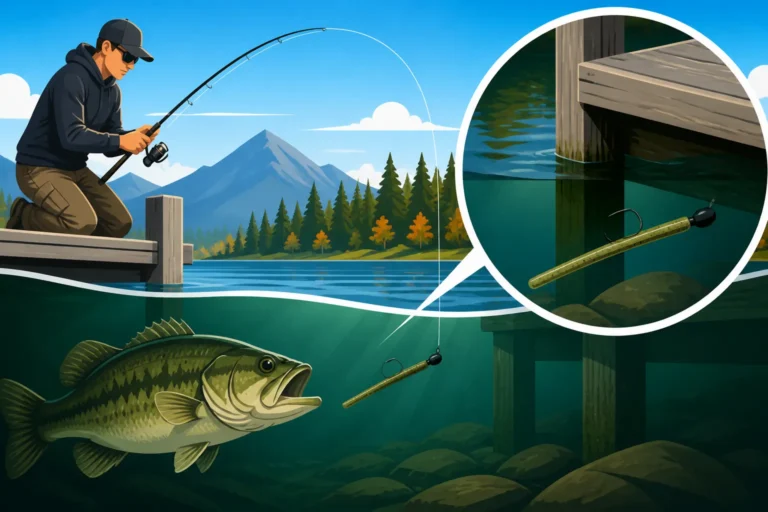
Beyond the action, hair jigs are masters of deception, perfectly mimicking the kind of forage that winter smallmouth are willing to eat. In New Hampshire's clear, cold waters, common prey like crawfish, sculpins, or even dying baitfish are often moving slowly or resting on the bottom. A small, dark-colored hair jig drifting or subtly bouncing along the bottom looks exactly like a crawfish hunkering down or a sculpin trying to hide in the rocks.
A white or lighter-colored hair jig can imitate a stunned or dying baitfish, fluttering downward. The key is that these lures aren't bulky. They present a small, vulnerable profile that appeals to a bass that isn't looking for a huge, energy-intensive meal. The natural texture and appearance make them incredibly convincing, even to the most wary smallmouth.
Essential Gear for Hair Jigging in New Hampshire's Winter
Successfully fishing hair jigs for winter smallmouth isn't just about having the right lure; it's also about having the right setup to detect those incredibly subtle bites and manage your presentation in challenging conditions. The clear, cold water and slow-moving fish demand a refined approach to your gear.
Rod, Reel, and Line Selection for Sensitivity
When you're hair jigging, sensitivity is king. You're trying to feel the lightest "tick" or simply a slight increase in pressure from a bass that might just inhale the jig without a dramatic strike.
- Rod: You'll want a spinning rod that's typically 6'6" to 7'6" in length with a medium-light to medium power and a fast or extra-fast action. The fast tip allows for precise casting and jig manipulation, while the softer backbone helps absorb head shakes from a feisty smallmouth on light line. Graphite rods are preferred for their superior sensitivity, transmitting even the slightest touch directly to your hand. Brands like St. Croix or Fenwick offer excellent options for this type of finesse fishing. If you're looking for recommendations, researching "best spinning rods for smallmouth bass" might point you towards some great choices.
- Reel: Pair your sensitive rod with a high-quality spinning reel that has a smooth drag system. A 1000 or 2000 series reel is usually perfect. The smooth drag is crucial because winter smallmouth, even if sluggish, can still make powerful runs when hooked, and you don't want to snap your light line.
- Line: This is perhaps the most critical component for feeling those subtle bites. I highly recommend using a main line of 6-10 lb braided line, especially a high-visibility color, which helps with line watching. Then, tie on a 6-10 foot leader of 4-8 lb fluorocarbon line. Fluorocarbon is nearly invisible in the water, sinks, and offers excellent abrasion resistance against rocks and structure. Crucially, it has very low stretch, which enhances sensitivity. The braid-to-fluoro setup gives you the best of both worlds: casting distance and sensitivity from the braid, and stealth and abrasion resistance from the fluoro.
Choosing the Right Hair Jig
Selecting the right hair jig involves considering weight, color, and hook quality. You'll find a ton of options on places like Amazon, so understanding what you need is key.
- Weight: For most New Hampshire winter conditions, especially fishing depths of 15-35 feet, 1/8 oz to 1/4 oz jigs are your bread and butter. The lighter the jig you can get away with while still maintaining bottom contact, the better. Lighter jigs fall slower and have a more natural, lifelike action. On super windy days or in deeper water, you might occasionally bump up to 3/8 oz, but resist the urge to go heavier than necessary.
- Color: Clear winter water generally calls for natural, subdued colors. Black, brown, green pumpkin, and olive are fantastic choices because they mimic crawfish, sculpins, and other bottom-dwelling creatures. White or grey can imitate baitfish, especially on brighter days. Don't be afraid to experiment with jigs that have subtle flashes of pearl or silver if the water is exceptionally clear, but generally, less is more.
- Hook Quality: Always invest in jigs with high-quality, sharp hooks. Winter bites can be light, and a dull hook will result in missed fish. Some anglers prefer jigs with a weedguard, especially if fishing around submerged brush or timber, but often, the subtle presentation of a hair jig is best unencumbered. When stocking up on Best Tackle for New Hampshire Smallmouth Bass, make sure hair jigs are high on your list.
Accessories for Cold Weather Comfort and Success
Fishing in New Hampshire's winter means dealing with the elements. Staying comfortable and prepared is just as important as your fishing tackle.
- Warm Gear: Layering is essential. Insulated, waterproof outerwear, warm gloves (fingerless for tying knots, or flip-mitts), a warm hat, and insulated boots will make your day much more enjoyable. Cold hands and feet will quickly end a fishing trip.
- Portable Sonar/Fish Finder: A good fish finder is invaluable for locating those deep, subtle winter smallmouth hangouts. Look for units that offer clear down-imaging and side-imaging to help you pinpoint structure, baitfish, and the smallmouth holding tight to them. This is especially true if you're exploring Best Fishing Lakes in New Hampshire where finding deep structure is key. You might find a great portable unit that suits your budget on Amazon.
- Anchor System: If fishing from a boat, a reliable anchor system is crucial for holding your position over key structure, especially on windy days. Smallmouth will often stack up in very specific spots, and being able to stay put is vital. For kayakers, a kayak anchor trolley system is a game-changer.
- Hot Beverages: A thermos of coffee, tea, or hot cocoa isn't just for comfort; it can genuinely help keep your core temperature up and your spirits high during long, cold stretches of fishing.
Mastering the Hair Jig Presentation for Winter Smallmouth
Once you have your gear dialed in, the next step is mastering the presentation. This isn't power fishing; this is finesse at its finest. It requires patience, focus, and a keen understanding of how cold-blooded smallmouth behave.
Locating Winter Smallmouth Hangouts
The first rule of winter smallmouth fishing: they love deep, stable water. As the surface temperatures drop and shallow areas become inhospitable, bass retreat to areas where the water temperature is more consistent, often in deeper sections of lakes and rivers.
- Deep Structure: Look for distinct features like deep points that extend far out into a lake, offshore humps, ledges, submerged rock piles, and deep breaks. These spots offer cover, ambush points, and proximity to deeper water for refuge. On large bodies of water like Lake Winnipesaukee, smallmouth might hold on underwater humps in 20-40 feet of water, or near rock walls that drop off into much deeper basins. These specific areas are often where you'll find the most concentrated populations, so understanding Smallmouth Bass Habits on Winnipesaukee during winter is critical.
- Thermal Stability: Deep water maintains a more consistent temperature, which is less stressful for fish. Smallmouth will often suspend slightly off the bottom or hug tightly to structure. This is where your fish finder truly shines; you'll be looking for schools of baitfish or individual arches hovering near structure.
- Electronics are Key: Don't go out in winter without your electronics. They are your eyes underwater. Use your sonar to scan for changes in depth, hard bottom, and fish. Mark any promising structure or fish concentrations on your GPS so you can return to them later.
The "Do Nothing" or Minimalist Retrieve
This is the hardest part for many anglers, but it's absolutely essential. Winter smallmouth want a slow, subtle presentation. Overworking your hair jig is one of the quickest ways to scare them off.
- Drifting and Dead Sticking: If you're in a boat, allow the wind or current to slowly drift you over likely spots, keeping your line tight enough to feel the bottom. Let the hair jig simply "dead stick" on the bottom, or lift it just an inch or two and let it fall. The key is to let the natural hair fibers do the work.
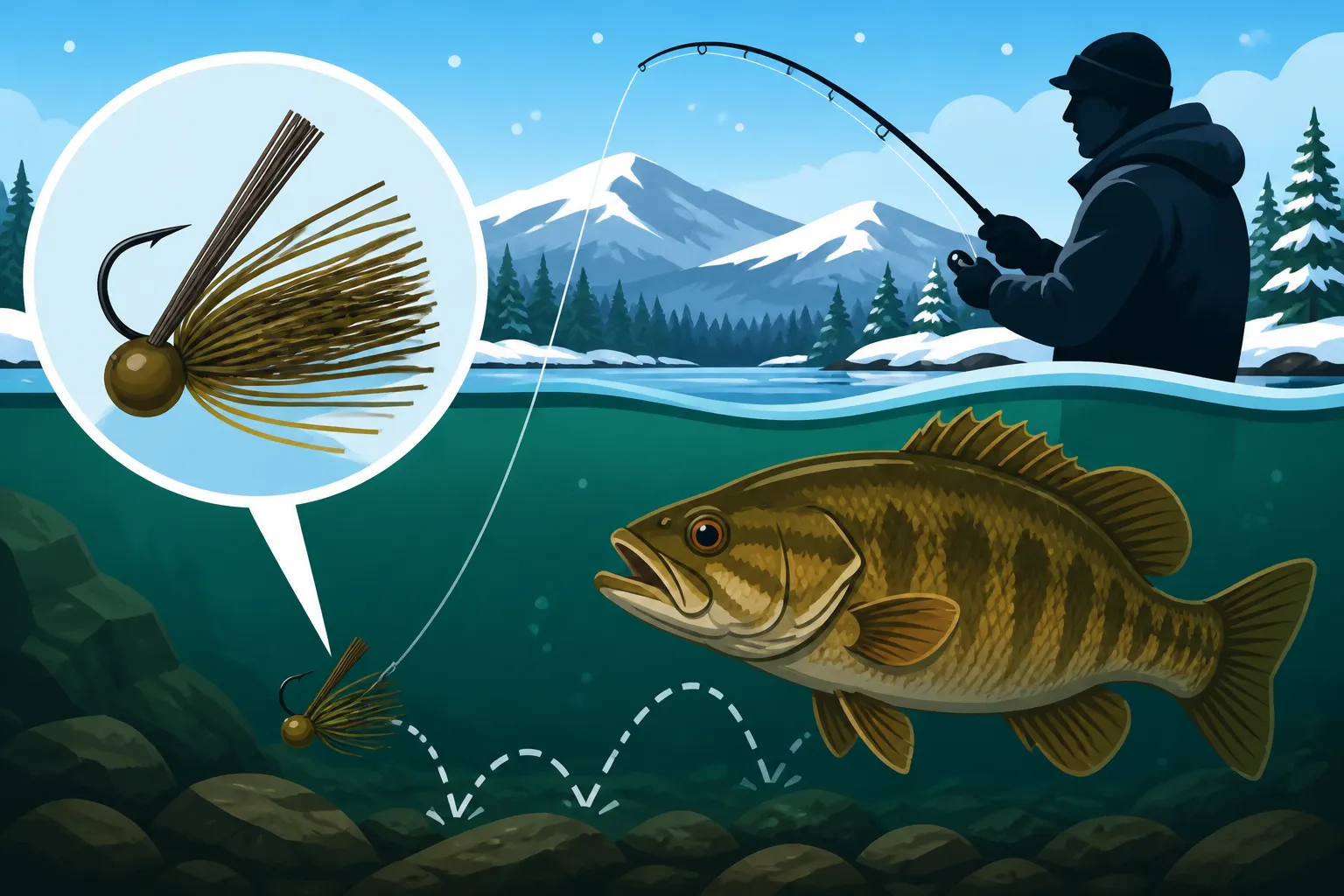
- Slow Drags: Cast your hair jig out, let it sink to the bottom on a slack line (watching your line for any tell-tale "jump" indicating a bite on the fall). Once it's down, slowly drag it along the bottom with your rod tip pointed low towards the water. Move it only a few inches at a time, then pause for several seconds. Think of a crawfish slowly crawling or pausing.
- Tiny Hops and Quivers: Occasionally, impart a tiny hop, no more than 6-12 inches, by lifting your rod tip. Then, let the jig fall back to the bottom on a controlled slack. Allow it to sit there, quivering in the current, for an extended period. Sometimes, holding the rod perfectly still for 10-20 seconds after a slight movement is what finally convinces a bass to strike. The colder the water, the longer your pauses should be. I'm talking minutes between movements sometimes. It really tests your patience.
Reading the Bite and Hooksetting in Winter
Winter smallmouth bites are notoriously subtle. Forget those aggressive "rod-ripping" strikes; you're looking for finesse.
- The "Tick" or Added Weight: Often, you won't feel a distinct "thump." Instead, it might be a subtle "tick" on your line, a feeling of added weight, or your line simply going slack when it shouldn't. Sometimes, it's just a mushy feeling when you try to move the jig again. Pay close attention to your line, especially where it enters the water. Any jump, twitch, or sudden movement can indicate a bite.
- Sweeping Hookset: When you suspect a bite, don't rear back and try to rip the fish's head off. Instead, use a firm, sweeping hookset. Point your rod tip low, reel up any slack, then sweep the rod smoothly and powerfully to the side or up, setting the hook into the fish's mouth. This gives the fish a chance to fully take the small jig and prevents tearing out.
- The "Cold Fingers" Challenge: Winter fishing means cold hands, which can reduce your sensitivity. This is another reason why a sensitive rod and low-stretch line are so important. Try to keep your hands as warm as possible to maintain maximum feel.
Common Mistakes and Advanced Tips for Hair Jigging
Even with the right gear and a good understanding of the basics, hair jigging in New Hampshire's winter can be tough. Learning from common mistakes and incorporating a few advanced tips can significantly improve your catch rate.
Overworking the Lure and Too Much Weight
The biggest mistake I see, and honestly, the one I still have to fight myself on sometimes, is overworking the lure. Our instincts tell us to make the lure "swim" or "dart," but for coldwater smallmouth, that's often a turn-off.
- Resist the Twitch: It's hard to believe, but often the less you do, the better. When you twitch and jerk too much, you make the jig look erratic and unnatural to a sluggish bass. Focus on minimal movements, long pauses, and letting the hair do its subtle undulation. If you have trouble slowing down, try setting your rod down after a short drag or hop for 30 seconds or even a minute. This forces you to be patient.
- Go Lighter on Weight: There's a temptation to use a heavier jig to feel the bottom better or to get down faster. However, a heavier jig falls unnaturally fast and can also get snagged more easily. Use the absolute lightest jig that allows you to maintain consistent bottom contact. If you're struggling to keep track of your jig, experiment with braided main line to improve feel, or try a slightly heavier jig, but always err on the side of lighter.
Ignoring Water Clarity and Light Conditions
New Hampshire's winter waters are often crystal clear, and light conditions can play a significant role in how fish perceive your lure.
- Clear Water, Subtle Colors: In bright sunlight and ultra-clear water, fish can be very wary. Opt for the most natural, drab colors like black, brown, or olive. Sometimes, a tiny bit of flash can be good, but avoid anything overly bright or flashy that might spook them. This is also why Fluorocarbon Leader Length for Spooky Trout can teach you lessons applicable to smallmouth – clear water demands stealth.
- Cloudy Days, Slightly More Contrast: On overcast days, or if the water has a slight stain, you can sometimes get away with a jig that has a bit more contrast, perhaps a black and blue or a jig with a touch of chartreuse. The overall principle of natural colors still applies, but you might have a bit more leeway.
- Low Light, Dark Silhouettes: During dawn, dusk, or heavily overcast conditions, a black hair jig can create a strong silhouette against the lighter sky above, making it easier for bass to see.
Experimentation and Patience
Winter smallmouth fishing is a puzzle, and it rarely gets solved the same way twice.
- Mix It Up: Don't be afraid to experiment with different jig weights, colors, and retrieve speeds until you find what the fish want on a particular day. Sometimes, a subtle lift-and-drop works, other times a dead-slow drag. Keep a variety of hair jigs on hand, perhaps a selection you ordered from Amazon, to ensure you can adapt.
- Patience is Your Best Friend: This cannot be stressed enough. Winter fishing is not about covering miles of water; it's about meticulously dissecting small areas where fish are likely to be holding. You might go an hour or two without a bite, then suddenly catch two or three fish from the same small spot. Trust your electronics, trust your technique, and be patient. Those hard-earned winter smallmouth are often some of the biggest and most rewarding catches of the year, making the effort truly worthwhile. Keep an eye on Best Time of Year to Fish in New Hampshire for these subtle seasonal shifts.
Here's a quick look at common hair jig weights and their uses:
| Hair Jig Weight | Typical Depth Range (feet) | Preferred Conditions | Key Characteristics |
|---|---|---|---|
| 1/16 oz | 5-15 | Ultra-clear, very calm water | Extremely slow fall, most subtle action, ideal for super wary fish in shallow to medium depth |
| 1/8 oz | 10-25 | Most common | Versatile, excellent natural fall rate, great for moderate depths, good all-around choice |
| 3/16 oz | 15-30 | Deeper water, slight current | Good balance of fall rate and bottom contact, slightly more feel in deeper water or light wind |
| 1/4 oz | 20-40+ | Deepest water, stronger wind | Faster fall, maintains bottom contact in strong wind or current, for aggressive deep fish |
Remember that these are guidelines. Factors like line diameter, current, and retrieve speed will all influence how a particular jig weight performs.
Disclaimer
This article is for general informational purposes only and does not constitute professional advice. Laws, prices and regulations vary by location and change over time. Consult a qualified professional for guidance on your specific situation.