Best time to fish for perch in winter
Trying to figure out the absolute best time to hit the ice for perch in New Hampshire can feel like a guessing game sometimes. One day they're biting like crazy, the next it's crickets, leaving you wondering if you missed the window or if they just weren't there. This guide will dive deep into understanding perch behavior under the ice, revealing the prime times to drop a line and boost your chances of filling your bucket with these tasty winter favorites.
Understanding Winter Perch Behavior in New Hampshire
Yellow perch are a staple of New Hampshire's ice fishing scene, prized for their delicious fillets and willingness to bite even in frigid conditions. But like any fish, their behavior changes dramatically once the lakes and ponds freeze over. Knowing why they do what they do is the first step to figuring out when to find them.
Perch Migration and Schooling Habits
As the water temperatures plummet and ice begins to form, perch undergo a significant shift in their behavior. They transition from their warmer-water foraging patterns to seeking out more stable environments. Generally, you'll find them moving deeper, often away from shallow, oxygen-depleted areas, and congregating in large schools. This schooling behavior is a protective mechanism, helping them conserve energy and offering safety in numbers from predators like lake trout and even bigger perch. You might find these schools suspended over deeper basins, but more commonly, they'll relate to some form of underwater structure.
Identifying these winter holding areas is crucial. Look for transition zones – where a flat drops off into deeper water, the edges of submerged humps, or the deep ends of weed lines that still have some green growth. These spots provide both cover and access to food sources, even if they're scarce. In larger lakes, like Lake Winnipesaukee or Lake Winnisquam, perch might be found in 20-40 feet of water, while in smaller, shallower ponds, 10-20 feet could be their comfort zone. They're often on or near the bottom, but don't be surprised to mark schools suspended a few feet off the lakebed, especially if they're actively chasing baitfish like smelt.
Impact of Water Temperature and Oxygen Levels
Under a blanket of ice, the aquatic environment becomes a lot more stable in terms of temperature, but oxygen levels can become a concern as the winter progresses. Water density is highest at 39 degrees Fahrenheit (4 degrees Celsius), so the warmest water often settles at the bottom of a lake, creating a thermal refuge for fish. Perch, being cold-blooded, become less active in these colder temperatures, their metabolism slowing down significantly. This means they don't need to feed as often or as aggressively as they do in open water.
Oxygen levels are another critical factor. As plants die off and decompose under the ice, they consume oxygen. Heavy snow cover can block sunlight, preventing what little photosynthetic activity might occur. This can lead to decreased oxygen, especially in shallower, weedy bays. Perch will actively avoid areas with low oxygen, seeking out higher concentrations. This often means moving to deeper, more open water, or to areas where fresh water inflows (like springs or stream inlets) might introduce new oxygen. Monitoring these environmental factors, even indirectly by observing fish behavior, can help you locate where perch are most comfortable and, therefore, more likely to bite.
Daily Activity Patterns
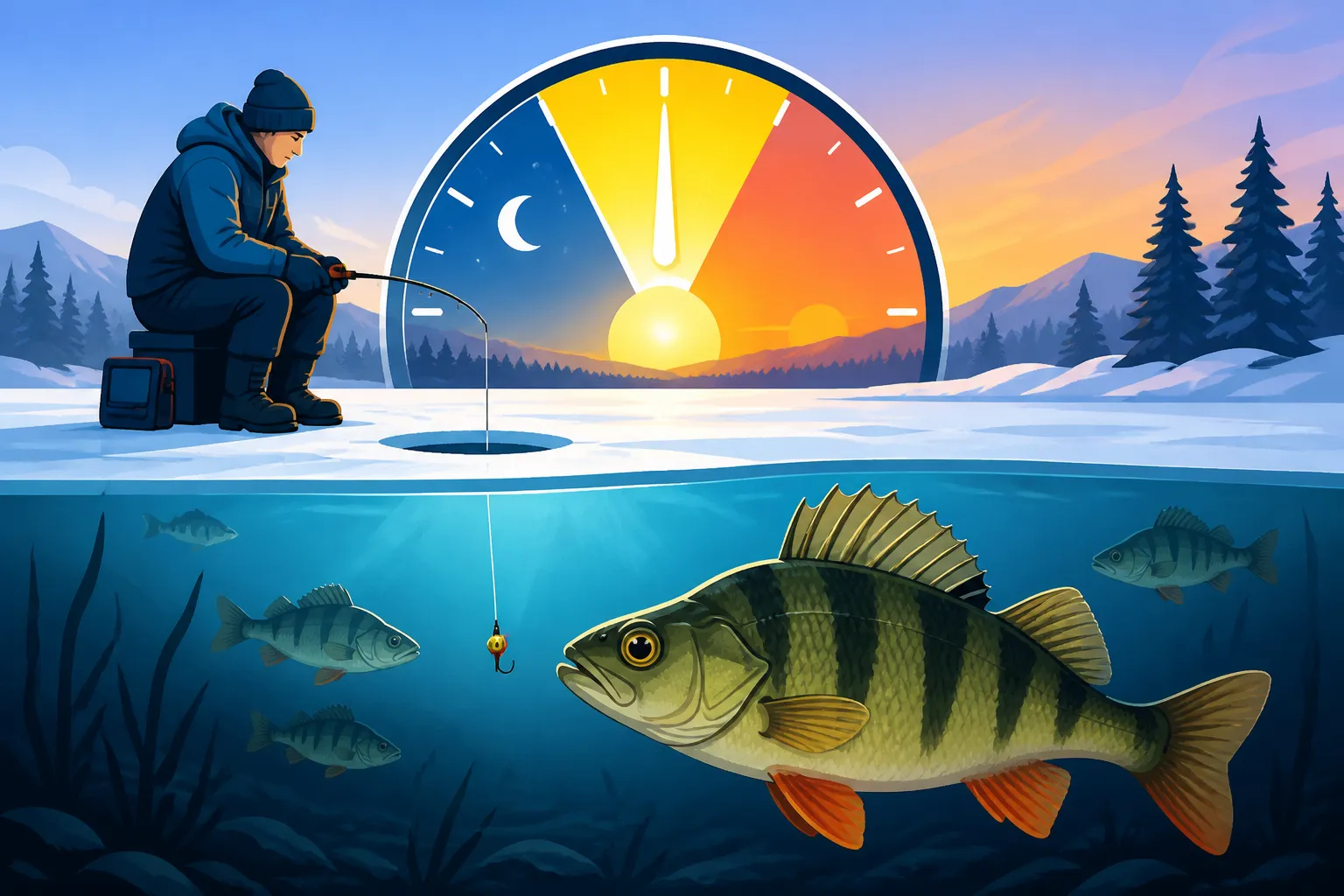
Even with their slowed metabolism, perch still have daily activity patterns influenced by light and their internal biological clock. While they don't necessarily feed constantly throughout the day, there are certainly windows of increased activity. These windows are often tied to changes in light intensity, mimicking their open-water behavior. Just because the surface is covered in ice doesn't mean light isn't penetrating – it just changes its quality and intensity.
You might notice that perch bites often correlate with sunrise and sunset, or even during significant weather changes, which we'll delve into more deeply. During these periods, perch tend to be more willing to move and feed. However, they can also become quite active during the brightest parts of the day if presented with an enticing offering, especially if the weather is overcast, which diffuses light, making fish feel more comfortable. It's not always a hard and fast rule, but understanding these general trends can help you plan your ice fishing adventures for maximum success.
Prime Times for Winter Perch Fishing
So, when should you actually brave the New Hampshire cold and head out onto the ice? While perch can be caught at almost any time of day, there are certainly peak periods where your chances of consistent action dramatically increase. Think of these as your "golden hours" on the ice.
Early Morning and Late Afternoon Bites
This is practically an ironclad rule for many species, and yellow perch are no exception. The periods just after sunrise and just before sunset often offer the most consistent and aggressive perch bites. In the early morning, as the first rays of diffused light penetrate the ice, perch often become more active, moving out from their deeper holding areas to forage. They might be hungry from a night of inactivity, making them more receptive to your presentation. This bite can last for an hour or two after sunrise.
Similarly, the late afternoon period, typically from an hour or two before sunset until just after, is another prime feeding window. As the light begins to fade, perch often go on another feeding binge, preparing for the long, dark night. During these times, you might find schools moving shallower or becoming more aggressive in their deeper haunts. This is when you want to be actively jigging, trying different retrieves and baits. Many seasoned ice anglers schedule their trips specifically to hit one or both of these windows, knowing that their chances are significantly higher. If you're looking for more general ice fishing advice, check out our guide on Ice Fishing in New Hampshire.
Mid-Day Lulls and Strategies for Overcoming Them
Ah, the dreaded mid-day lull. You've had a fantastic early morning, but as the sun climbs high and brightness intensifies, the bite often slows to a crawl. It's easy to get discouraged during this period, but it doesn't mean the fish aren't there; they're just less active. During the brightest parts of the day, especially if the ice is clear and there's no snow cover, perch might retreat to deeper water or tuck themselves tighter to structure, feeling more exposed. Their feeding instincts might wane, making them harder to entice.
To overcome the mid-day slump, you need to adjust your tactics. Firstly, don't be afraid to move. If your spot goes dead, drill new holes, perhaps a bit deeper or closer to a defined structure. Secondly, refine your presentation. This might mean downsizing your lure, switching to a more subtle color (like natural silver or gold), or slowing down your jigging motion. Sometimes, a tiny tungsten jig tipped with a single maki or a small piece of live bait, barely moved, is all it takes to trigger a reluctant perch. This is where having a variety of jigs and knowing your Best panfish jig colors for winter can really pay off. Sometimes just letting your bait sit perfectly still for an extended period after a few subtle jiggles can seal the deal.
Weather and Barometric Pressure Influences
Just like open-water fishing, winter perch are highly susceptible to changes in weather and barometric pressure. A stable period of high pressure often means consistent, if not always aggressive, fishing. But rapid changes in pressure can really shake things up. Many anglers find that falling barometric pressure (often associated with an approaching storm or snow event) can stimulate a feeding frenzy. The fish sense the change and feed heavily before the weather turns foul.
Conversely, a sudden spike in high pressure after a storm can sometimes lead to a tougher bite, as fish tend to become less active. Overcast days, even if cold, often provide excellent fishing conditions because the diffused light makes perch feel more secure and willing to roam. Bright, sunny days can sometimes make fish shy, especially in shallow water. Pay attention to the weather forecast before you head out. If you see a snowstorm rolling in, consider hitting the ice a day or two before; it might just be the best fishing you get all season. And remember to always check How thick ice needs to be to fish safely in New Hampshire before venturing out!
Seasonal Considerations for Winter Perch
The winter ice fishing season in New Hampshire isn't a monolithic block; it's a dynamic period with distinct phases, each offering unique challenges and opportunities for perch anglers. Understanding these phases can help you tailor your approach throughout the colder months.
Early Ice Strategies
Early ice is arguably one of the most exciting times to target perch. This is typically the first few weeks after safe ice has formed, usually in December through early January in most New Hampshire lakes. During this period, perch are often still relatively shallow, having not yet fully transitioned to their mid-winter deep-water patterns. The water column is generally well-oxygenated, and fish are often quite active, still holding close to structure like remaining green weed beds, rocky points, and shallow flats.
Anglers should focus on shallower areas, perhaps 8-15 feet of water, especially where you'd find perch during late fall. Look for the last remnants of healthy vegetation. Using smaller jigs, like the kind you'd find on Amazon, tipped with a lively grub or small shiner, can be incredibly effective. The perch during early ice tend to be more aggressive, so a slightly more active jigging presentation might work well. This is a fantastic time for a quick, productive outing before the deep winter freeze truly sets in. Remember to always prioritize safety during early ice, as conditions can be unpredictable.
Mid-Winter Slump and Deep Water Tactics
As winter progresses, usually from mid-January through February, many lakes experience what's known as the "mid-winter slump." Ice thickens, snow piles up, and the deep freeze really takes hold. Perch often become much less active, their metabolism slowing even further. They tend to move to deeper, more stable thermal refuges, sometimes suspended over basin areas or tightly schooled around deep humps and drop-offs. Oxygen levels can become a factor in certain areas, forcing fish to move.
During this challenging period, patience is key, and your tactics need to shift. Focus on deeper water, often 20-40 feet, depending on the lake's specific structure. Your presentations need to be slower, more subtle. Think tiny jigs, like a Best jig weight for perch through the ice, barely moved, or dead-sticking a live bait just off the bottom. This is where a good fish finder or flasher becomes invaluable, as you'll often be targeting tight schools that are harder to locate without electronics. Don't be afraid to spend more time at each hole, waiting for a reluctant bite. You'll likely catch fewer fish than in early or late ice, but the ones you do hook might be larger, as bigger perch are often less affected by the extreme cold.
Late Ice Revival
Just before ice-out, typically in March, New Hampshire's lakes and ponds experience the "late ice revival." This is another prime time for perch fishing, often as good as, if not better than, early ice. As spring approaches, sunlight penetrates the ice more effectively, even through snow, stimulating phytoplankton and increasing oxygen levels. Perch, sensing the impending thaw and the opportunity to feed before spawning, become much more active and aggressive. They'll often move back into shallower areas, especially near stream inlets or areas with slightly warmer water.
The late ice period is characterized by strong bites, often lasting longer throughout the day. Perch are actively looking for food, trying to bulk up. You might find them in depths similar to early ice, 10-25 feet, often cruising the edges of drop-offs or over gradually sloping flats. Again, live bait works wonders, but aggressive jigging with spoons and flashy lures can also trigger some serious strikes. This is a great time to hit up some of the Best Ice Fishing Lakes in New Hampshire for a final winter hurrah. However, late ice also brings increased danger, as the ice can deteriorate rapidly. Always check conditions and exercise extreme caution.
Locating Winter Perch Hotspots
Knowing when to fish is only half the battle; knowing where to drill your holes for perch is equally critical. Perch aren't just swimming randomly under the ice; they're relating to specific features that provide comfort, safety, and access to food.
Key Structures and Depths
When you're out on a frozen New Hampshire lake or pond, think about what might attract perch in open water, and chances are, similar structures will hold them under the ice. Drop-offs are absolute magnets. These are areas where the bottom depth changes dramatically, creating a "highway" for fish to move between shallower feeding grounds and deeper holding areas. Perch will often stage on the edge of a drop-off, waiting for prey. Submerged humps or islands are also prime locations, especially if they have some cover like rocks or sparse weeds. The shallower top of the hump might attract smaller baitfish, while the edges and surrounding deeper water will hold the perch.
Green weed beds, even sparse ones, can be incredibly productive, especially during early and late ice. These weeds provide cover and, crucially, continue to produce oxygen, which is vital in a frozen ecosystem. If you can find a pocket of healthy weeds, you're likely to find perch. Flats adjacent to deeper water, particularly those with a mixed bottom of sand and rock, can also hold roaming schools. Don't overlook inlets and outlets of streams; these can bring in warmer, more oxygenated water and food sources, concentrating fish. When you're out there, remember that the New Hampshire Ice Fishing Regulations by Water Body might have specific rules for certain locations, so always consult them.
Using Electronics for Perch Detection
In modern ice fishing, electronics are no longer a luxury; they're a necessity, especially when targeting schooled fish like perch. A good fish finder or flasher can drastically improve your success rate by showing you exactly what's beneath your hole. Flashers, like those made by Vexilar or Marcum, give you real-time feedback on fish presence, depth, and even how they're reacting to your lure. This allows you to adjust your presentation on the fly. You can see if fish are rising to your bait, falling away, or ignoring it completely.
Portable fish finders, which can be found easily on Amazon, are also excellent, offering more detailed screens and often mapping capabilities. They allow you to mark specific waypoints where you've found perch, helping you return to productive spots on future trips. When you're looking for Best portable fish finder for kayak fishing, many of those models are also perfectly suited for ice fishing with an appropriate transducer. Using electronics saves you countless hours of drilling unproductive holes. If you drop your transducer down and don't mark any fish after a few minutes, it's often best to move on and drill another hole. Even if you don't mark fish, sometimes just seeing the bottom composition can tell you if you're over a promising structure or not.
| Time of Day/Season | Perch Activity Level | Recommended Depth | Key Tactics | Notes |
|---|---|---|---|---|
| Early Morning | High | 10-25 feet | Active jigging, live bait | First light, often strong bite for 1-2 hours. |
| Late Afternoon | High | 10-25 feet | Active jigging, live bait | Last 1-2 hours before dark, preparing for night. |
| Mid-Day Lull | Low to Moderate | 15-40 feet | Slow, subtle jigging, dead-sticking, smaller baits | Fish often deeper, less aggressive, requires patience. |
| Early Ice (Dec-Jan) | High | 8-20 feet | Active search, target weeds & shallow structure | Fish are active and often shallow; caution with ice thickness. |
| Mid-Winter (Jan-Feb) | Low | 20-40+ feet | Deep water focus, electronics essential, subtle presentations | Often toughest bite, fish tightly schooled and lethargic. |
| Late Ice (Mar) | High | 10-25 feet | Aggressive presentations, target inlets & warmer water | Strong pre-spawn bite, but ice conditions can be dangerous. |
| Falling Pressure | High | Variable | Fish feed actively before storms | Can trigger a strong bite; good to fish ahead of a snowstorm. |
| Rising Pressure | Low | Variable | Fish often less active after storms | Tougher bite, focus on subtle approaches. |
Essential Gear for Winter Perch Fishing Success
Having the right gear makes all the difference when you're targeting perch through the ice. It's not just about catching fish; it's also about staying comfortable and safe in the harsh New Hampshire winter conditions. A well-equipped angler will always have an edge. For comprehensive advice on what to bring, consult our Best Ice Fishing Gear for New Hampshire guide.
First and foremost, you need appropriate ice fishing rods and reels. For perch, light to ultra-light action rods are preferred. These rods are sensitive enough to detect the subtle bites of lethargic winter perch but have enough backbone to handle a decent-sized fish. Paired with a small spinning reel spooled with 4-6 lb test fluorocarbon or monofilament line, you'll have a versatile setup. Fluorocarbon is great because it's virtually invisible underwater and has less stretch, which helps with bite detection.
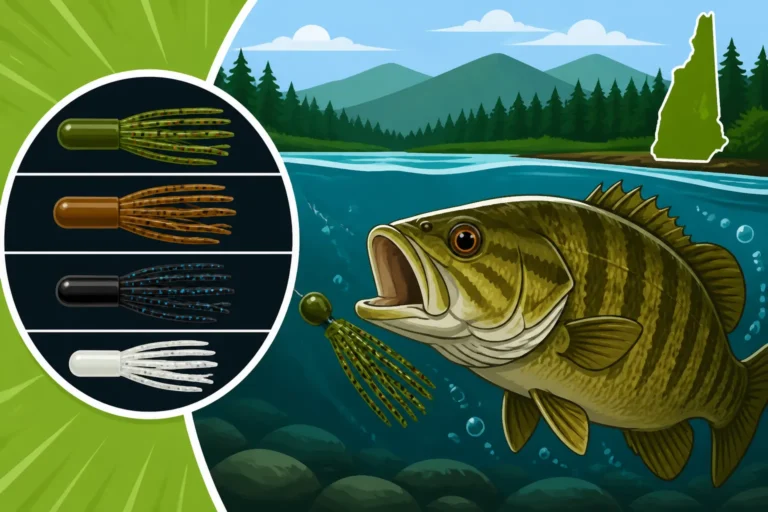
Next, consider your terminal tackle. Jigs are the bread and butter of perch ice fishing. Small tungsten jigs are excellent because their density allows them to sink quickly to deep fish, even in small sizes. Colors can vary, but often natural tones like silver, gold, and white, or brighter chartreuse and orange, work well. Tip these jigs with small pieces of real bait like wax worms, spikes, or a tiny minnow head for added attraction. Beyond jigs, small spoons or "blade baits" can also be effective, especially when perch are aggressive. Make sure to have a good selection, perhaps picked up from an online retailer like Amazon, to adapt to different conditions and fish moods. You can learn more about specific techniques in Jigging for Perch Through the Ice.
Finally, safety and comfort are paramount. An ice auger, either a hand auger for thinner ice or a power auger for thicker conditions, is essential for drilling holes. You might also want a skimmer to clear ice chips from your hole. A portable ice shelter or shanty can provide much-needed protection from the wind and cold, making your time on the ice much more enjoyable, especially during long mid-day sessions. For warmth, layers are crucial, including waterproof outer shells, insulated boots, and warm gloves or mittens. Don't forget a comfortable bucket or chair, and a sled to haul all your gear across the ice.
Disclaimer
Fishing conditions and regulations in New Hampshire can change. Always consult the most current New Hampshire Fish and Game Department regulations before heading out on the ice. Prioritize safety by checking ice thickness, especially during early and late ice periods, and never fish alone. This guide is for informational purposes only and should not replace official guidelines or common sense safety practices.