Best crankbait retrieve for Winnipesaukee smallmouth
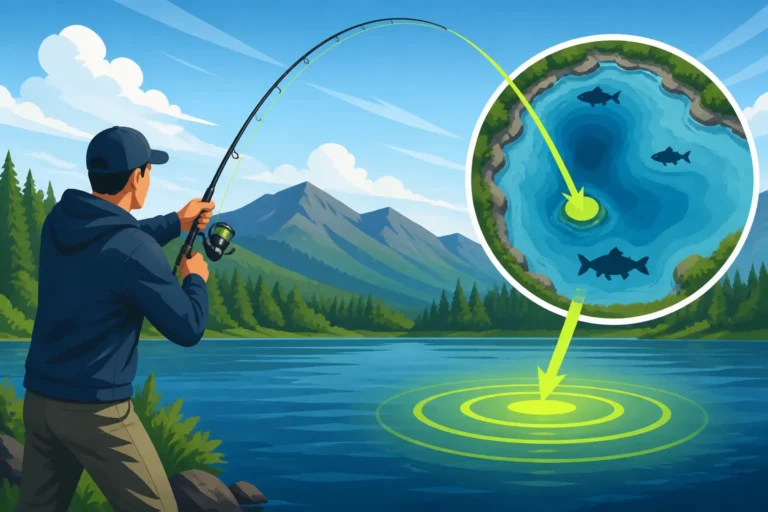
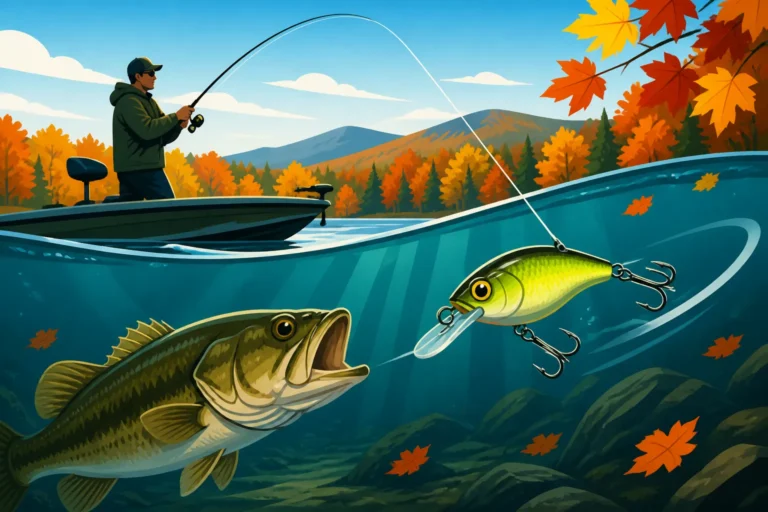
There’s nothing quite like the thrill of a smallmouth bass smashing a crankbait, especially on a vast, stunning lake like Winnipesaukee. But let's be real, sometimes it feels like you're just dragging a piece of plastic through the water with no rhyme or reason, hoping for a bite. Understanding the best crankbait retrieve for Winnipesaukee smallmouth isn't just about reeling; it's about connecting with the fish's mood and environment. This guide is all about giving you the insights to turn those "hopeful casts" into consistent hook-ups.
Understanding the Winnipesaukee Smallmouth Bass Behavior
Before we even talk about how to reel in a crankbait, it’s crucial to understand the very creatures we’re trying to entice. Smallmouth bass in Lake Winnipesaukee are magnificent, hard-fighting fish, but they're also particular. Their behavior shifts dramatically with the seasons and even the time of day, and knowing these patterns is your first step to a successful crankbait presentation.
Seasonal Movements and Forage
Smallmouth bass are incredibly dynamic throughout the year in Winnipesaukee. In the early spring, after the ice-out, they're often found in relatively shallow, warming water near rocky shorelines and protected coves. They're sluggish from the winter and looking for easy meals to bulk up before the spawn. As the water warms further, they'll push shallower for the spawn, typically in late May or early June, setting up nests on gravelly bottoms. During this period, they can be aggressive defenders of their territory, but also wary.
Once summer fully arrives and water temperatures rise, many smallmouth will move deeper, seeking cooler, oxygenated water, often congregating around offshore humps, ledges, and deep-water points. They follow baitfish like rainbow smelt and alewives, which are key forage in Winnipesaukee. When these baitfish move, so do the smallmouth. In the fall, as water temperatures drop again, smallmouth will often move shallower once more for a feeding frenzy, bulking up for winter before retreating to deep, stable water for the coldest months. Understanding these seasonal shifts in depth and location is paramount because it dictates not only where you cast, but also what depth your crankbait needs to reach, and consequently, the retrieve that will be most effective. For a deeper dive into where these fish hang out, check out our guide on Lake Winnipesaukee Smallmouth Bass Fishing.
Water Clarity and Structure Preferences
Winnipesaukee is known for its incredible water clarity, especially in many of its deeper sections. This crystal-clear water is a double-edged sword: it allows smallmouth to see your bait from a long distance, but it also means they can see you and any unnatural aspects of your presentation. This high visibility often calls for more natural bait colors and refined, less erratic retrieves in certain situations. When the water is exceptionally clear, smallmouth can become "spooky," making subtle presentations key.
Smallmouth are also lovers of hard structure. Think rocky points, boulder fields, submerged humps, ledges, and drop-offs. These areas provide ambush points, protection from predators, and often hold baitfish. Winnipesaukee is absolutely riddled with this kind of terrain. A crankbait retrieve that intentionally "collides" with these structures can often trigger an aggressive reaction strike from a smallmouth defending its territory or startled by the sudden deflection. Understanding the contours of the lake bottom, perhaps with the help of a good fish finder, can dramatically increase your success in placing your crankbait exactly where it needs to be to interact with these key structural elements. To learn more about identifying these key areas, read our article on How to read structure for smallmouth on Winnipesaukee.
Mastering Crankbait Retrieves for Different Conditions
Now that we understand a bit more about the smallmouth themselves, let's talk about the art of the retrieve. It's not just a simple reel-in; it's a dynamic dance with your lure, designed to mimic struggling baitfish or provoke an aggressive response. Each retrieve style has its time and place, and mastering them will make you a much more versatile and successful angler on Winnipesaukee.
The Slow Roll and Steady Retrieve
The slow roll or steady retrieve is often overlooked by anglers eager for flashier, more erratic presentations, but it can be incredibly effective, especially in specific scenarios on Winnipesaukee. This retrieve involves simply casting your crankbait out and reeling it back in at a consistent, often slow to moderate, pace. The key is to let the crankbait do its job, wiggling and diving naturally based on its design.
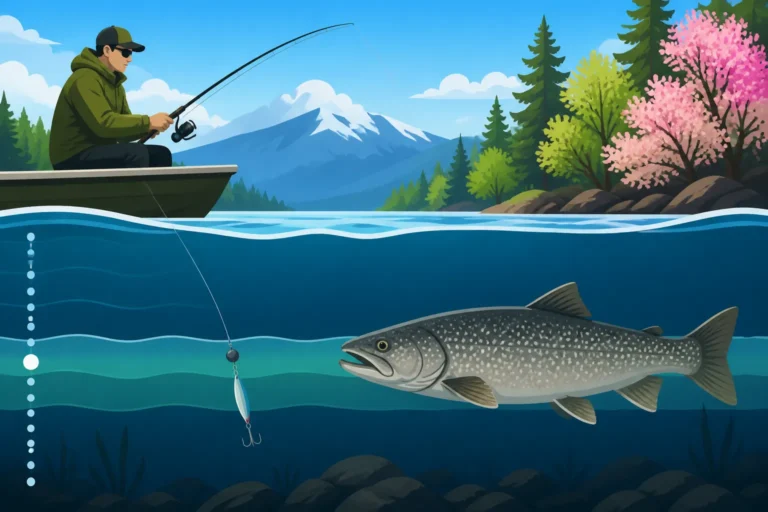
This retrieve excels in cooler water conditions, such as early spring or late fall, when smallmouth are less active and more reluctant to chase fast-moving baits. It's also fantastic when fish are heavily pressured or simply being finicky, often found holding tight to deep structure. The slow, steady presentation makes the lure look like an easy meal – a slow-swimming baitfish, perhaps stunned or injured, that doesn't require a lot of energy to catch. Deep-diving crankbaits are often ideal for this technique when fish are holding in 15-30 feet or more, allowing the lure to reach its maximum depth and maintain it for an extended period. You can find a fantastic selection of these deep-diving crankbaits, often from reputable brands like Rapala or Strike King, readily available on Amazon. Just remember, consistency is key; maintain a constant retrieve speed without jerks or pauses for the most natural, appealing presentation.
The Stop-and-Go and Rip-Pause Technique
When smallmouth are more active, or you're trying to provoke a reaction strike, the stop-and-go or rip-pause retrieve comes into its own. This technique is all about imparting an erratic, dying-baitfish action to your crankbait, making it seem vulnerable and an easy target. For the stop-and-go, you'll reel for a few turns, pause for a second or two, then resume reeling. The pause allows the bait's buoyancy to work its magic – a floating crankbait will slowly rise, while a suspending crankbait will hang tantalizingly in the water column. Often, the strike comes right as the bait begins to move again after the pause.
The rip-pause is a more aggressive version, particularly effective with lipless crankbaits or suspending jerkbaits. After casting, you’ll reel up the slack, then give your rod a sharp, downward rip, making the bait dart erratically. Immediately after the rip, you pause, letting the bait fall or suspend. The length of the pause can vary from a quick twitch to several seconds, allowing the fish to catch up and decide to strike. This technique is especially potent when fishing over submerged weed beds or around scattered rock piles, as the sudden movements mimic a fleeing baitfish. It's also excellent when you're trying to cover water quickly and identify active fish. For some great examples of versatile baits that excel with this technique, you can explore the various suspending jerkbaits and lipless crankbaits on Amazon.
The Deflection Retrieve for Structure Fishing
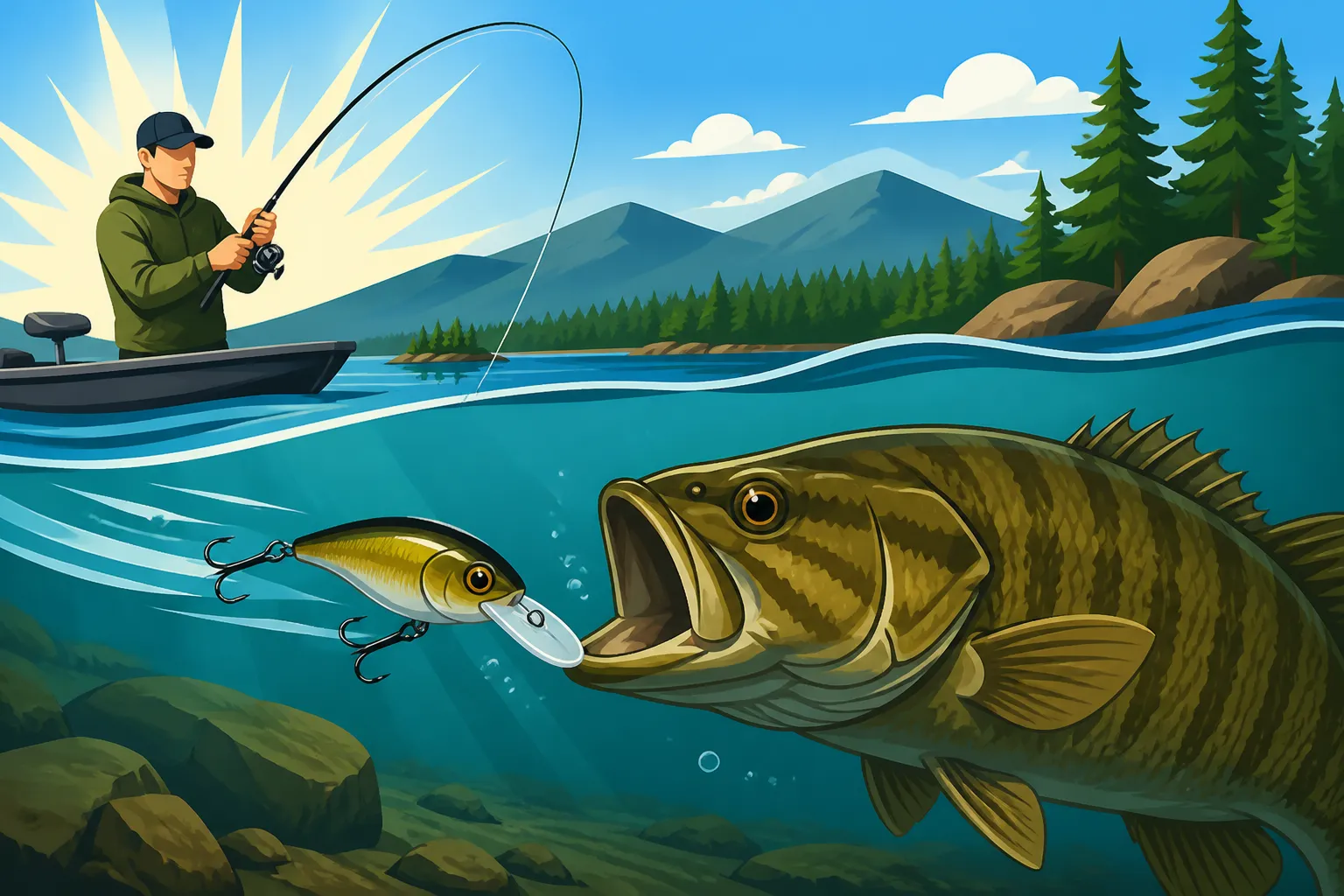
This is arguably one of the most productive crankbait retrieves for smallmouth bass, especially on a lake like Winnipesaukee that is absolutely loaded with rocky structure. The deflection retrieve is all about intentionally crashing your crankbait into submerged rocks, logs, or other hard cover, and then pausing or changing direction. When a crankbait hits an obstruction, it often deflects violently, suddenly changing direction like a startled or injured baitfish. This sudden, unpredictable movement is a huge trigger for predatory smallmouth.
To execute this, cast your crankbait so that you anticipate it hitting structure at its maximum diving depth. As you feel the lure make contact, give your rod a slight twitch or pause, allowing the bait to "kick" off the obstruction. Many strikes occur immediately after this deflection, as the fish interprets the sudden erratic motion as a weakness. Square bill crankbaits are absolute kings for this technique in shallower, rockier areas (up to 8-10 feet), as their square bills help them deflect without getting hung up as easily as round-billed cranks. Medium-diving crankbaits also work wonders for deeper ledges and humps. The key here is not to be afraid of hitting the bottom or the cover – that’s exactly what you want to do! The constant contact with structure telegraphs vibrations up your line, letting you feel every bump and grind, which helps you understand the bottom composition.
Matching Crankbaits to the Retrieve and Conditions
The retrieve is only half the battle; selecting the right crankbait for the job is equally important. Different crankbait styles are designed to excel with specific retrieves and in particular conditions. Understanding these nuances will help you build a well-rounded tackle box and make more informed decisions on the water.
Crankbait Styles and Their Ideal Retrieves
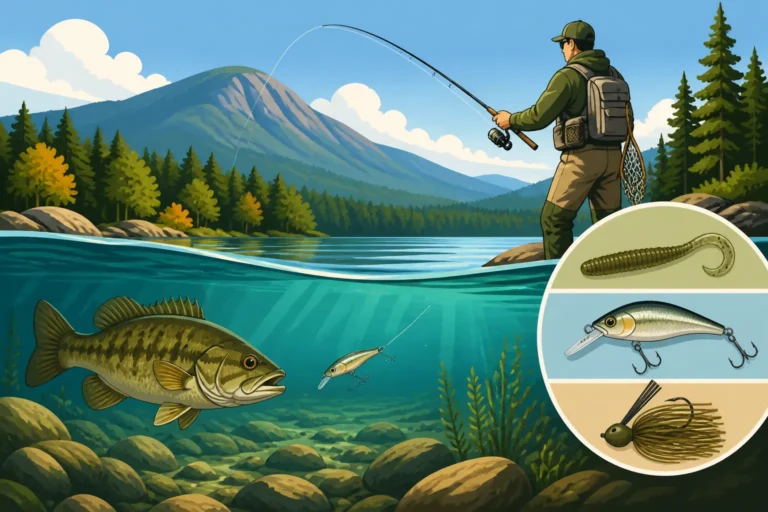
There's a dizzying array of crankbait styles out there, each with unique characteristics that lend themselves to different retrieves and depths. Let's break down some of the most common ones you'll use for Winnipesaukee smallmouth:
| Crankbait Type | Ideal Retrieve | Key Characteristics | Best Conditions | Depth Range |
|---|---|---|---|---|
| Square Bill | Deflection, Erratic, Stop-and-Go | Square lip, aggressive wobble, deflects easily | Shallow, rocky areas, laydowns, high cover | 2-8 feet |
| Lipless | Rip-Pause, Yo-Yo, Steady Burn | No lip, vibrates on retrieve, sinks quickly | Over weed beds, open water, vertical jigging, cold water | All depths |
| Medium Diver | Deflection, Stop-and-Go, Steady | Round lip, dives to mid-depths | Ledges, humps, points, intermediate depths | 8-15 feet |
| Deep Diver | Slow Roll, Steady Retrieve | Large, steep lip, dives quickly and deeply | Deep humps, main lake points, targeting thermocline | 15-30+ feet |
| Suspending Jerkbait | Rip-Pause, Twitch-Pause, Long Pauses | Darts erratically, suspends at a specific depth when paused | Clear water, active fish, cold fronts, wary fish | 2-10 feet (depends on bait) |
Each of these baits has a specific action due to its bill design, body shape, and internal weighting. For instance, a square bill's lip pushes a lot of water and is designed to "walk" over cover. Lipless crankbaits vibrate intensely on the retrieve and sink, making them great for burning through open water or vertical presentations. Deep divers have that huge bill to get down quickly and stay there. By matching the crankbait style to your chosen retrieve and the depth the fish are holding, you're dramatically increasing your chances. Many anglers have a dedicated box for these versatile crankbaits, often filled with different colors and sizes found in bulk or specialty packs on Amazon.
Color, Sound, and Size Considerations
Beyond the retrieve itself, the color, sound, and size of your crankbait play a massive role in its effectiveness on Winnipesaukee. Because of the lake's clear water, natural colors are often paramount. Patterns that mimic common forage species like rainbow smelt (silver, blue, chartreuse accents), alewives (silver, light green, black back), or crawfish (brown, orange, red) tend to be highly effective. In extremely clear conditions, more translucent or matte finishes can also be very productive. However, on overcast days or in slightly stained water (which can happen after heavy rain), brighter colors or those with chartreuse or orange accents can sometimes stand out better.
The sound a crankbait makes is also important. Many crankbaits contain internal rattles that emit noise, attracting fish from a distance. In dingy water or on windy days when visibility is reduced, a noisy crankbait can be a real advantage. However, in super clear water with pressured fish, a "silent" crankbait that relies solely on its natural action might be more effective, as too much noise can sometimes spook wary smallmouth.
Finally, consider the size of your crankbait. Match the hatch, as they say. If you know smallmouth are feeding on smaller baitfish, a smaller profile crankbait will likely be more effective. If they're targeting larger forage or you're specifically hunting for bigger fish, a larger crankbait might be the ticket. Don't be afraid to experiment with different sizes until you find what the smallmouth are keying in on that day. For insights on what specific lures tend to work, you might want to check out Best smallmouth bass lures for Winnipesaukee in summer.
Advanced Tips for Maximizing Crankbait Success
To truly elevate your crankbait game on Winnipesaukee, it’s worth paying attention to the details of your setup and developing an adaptable mindset on the water. These "advanced" tips aren't necessarily complicated, but they represent the difference between an average day and an exceptional one.
Rod, Reel, and Line Setup for Crankbaiting
Having the right gear makes a substantial difference in how effectively you can present and retrieve your crankbaits, and ultimately, how many fish you put in the boat. For crankbait fishing, many seasoned smallmouth anglers prefer a moderate-fast or moderate action rod. This softer action allows the rod to "load up" better on the cast, giving you more distance, and more importantly, it acts as a shock absorber. When a smallmouth hits a crankbait, they often swipe at it, and a moderate action rod helps prevent the fish from tearing the treble hooks out of their mouths. A medium-heavy power rod is usually a good all-around choice, providing enough backbone to cast heavier baits and control larger fish. You can find excellent quality rods for this purpose by searching for "medium-heavy moderate action casting rod" on Amazon.
When it comes to reels, a baitcasting reel with a gear ratio in the 5.1:1 to 6.4:1 range is ideal. A slower gear ratio provides more torque, making it easier to retrieve large, deep-diving crankbaits that pull hard through the water. It also encourages a slower, more controlled retrieve, which, as we've discussed, can be crucial. As for line, fluorocarbon is a popular choice for crankbaiting, especially on clear lakes like Winnipesaukee. Its low stretch provides good sensitivity, and its near invisibility in water can be a huge advantage with wary smallmouth. A 10-15lb test fluorocarbon line is a good starting point. However, some anglers prefer monofilament for its buoyancy (which can slightly increase the depth a crankbait runs) and its stretch, which can further aid in keeping fish hooked. For more on line choices, consider reading about Best fluorocarbon line for clear lake water.
Reading the Water and Adjusting Your Approach
Perhaps the most crucial "advanced" tip is simply to be a keen observer and remain flexible. Smallmouth bass behavior on Winnipesaukee can change throughout the day, influenced by factors like sunlight, wind, boat traffic, and sudden weather shifts. What worked perfectly an hour ago might be completely ineffective now.
Pay attention to what the water is telling you. Are baitfish schooling on the surface? Are there signs of active feeding? Is the wind picking up, creating chop on the water, which might make fish less wary and more aggressive? Strong winds can position baitfish and bass on wind-blown points and shores. Overcast conditions might bring smallmouth shallower or make them more willing to chase faster retrieves. Bright sun often pushes them deeper or tighter to cover. Don't be afraid to change your retrieve speed, vary your pauses, or even switch to a completely different crankbait style or color if what you're doing isn't producing. The best anglers are not just good at one technique; they're masters of adaptation, constantly trying new things and listening to the feedback from the water and the fish themselves. Every cast is an experiment, and every strike is a clue. Being observant and willing to adjust your crankbait retrieve is the true hallmark of a successful smallmouth angler on Winnipesaukee.
Disclaimer
Fishing regulations and conditions can change rapidly. Always consult the latest New Hampshire Fish and Game Department rules and regulations before heading out on the water. This guide is for informational purposes only and does not constitute official advice. Ensure you have the proper licenses and safety equipment.