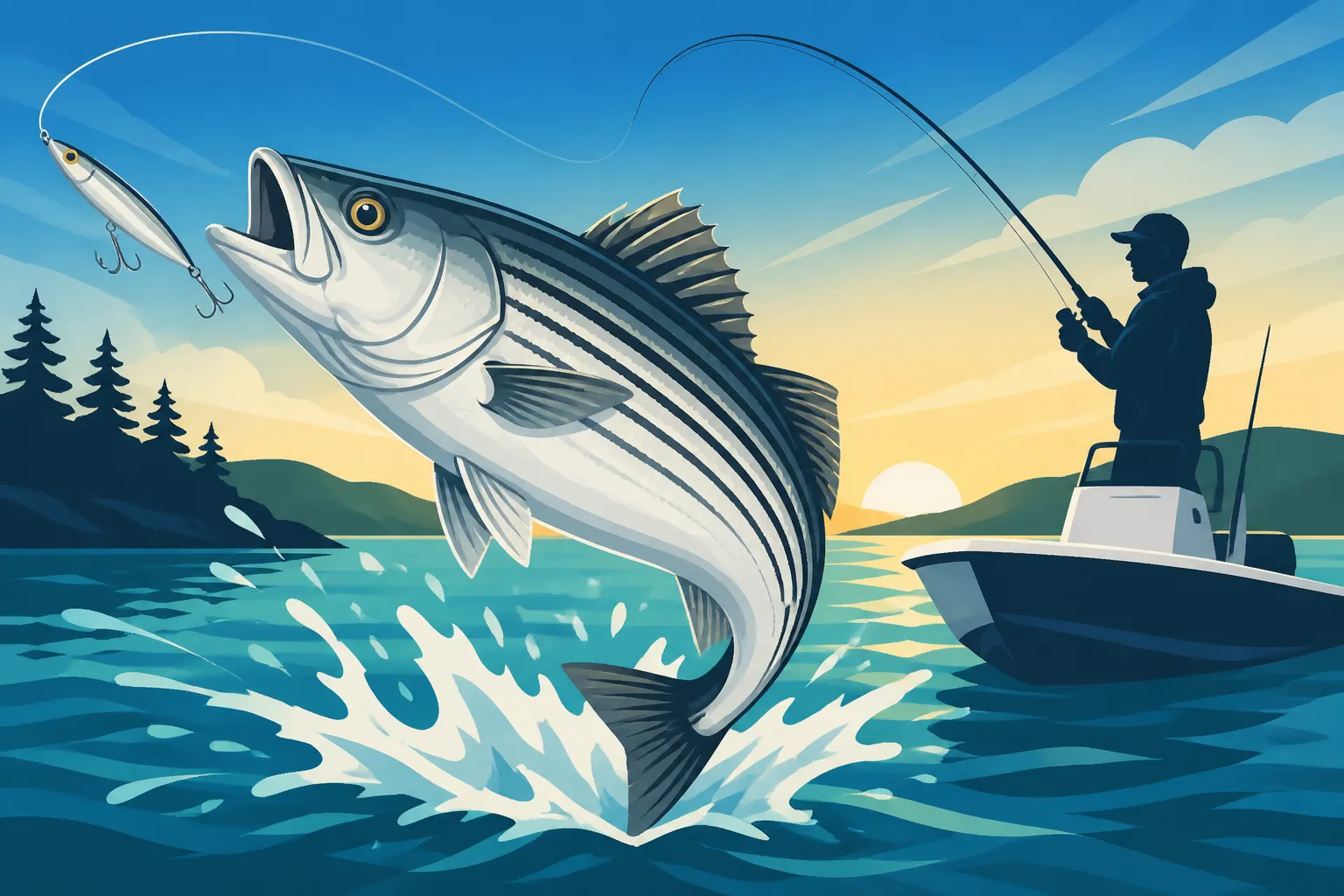
Best Techniques for Striped Bass in Great Bay
Fishing for striped bass in New Hampshire's Great Bay presents a unique challenge, thrilling and frustrating in equal measure. These powerful, migratory fish navigate complex tidal currents and vast expanses of water, often making them elusive targets for even seasoned anglers. This comprehensive guide will break down the proven techniques, essential gear, and strategic insights you need to significantly improve your chances of hooking into some impressive stripers in the dynamic waters of Great Bay.
Understanding Striped Bass Behavior in Great Bay
To consistently catch striped bass in Great Bay, you first need to think like a striper. These fish are opportunists, constantly seeking out baitfish and advantageous ambush points in a highly dynamic environment. Their behavior is heavily influenced by the unique characteristics of the Great Bay estuary.
The Estuarine Environment: Tides and Forage
Great Bay isn't just a big pond; it's a massive, shallow, and highly productive estuary where freshwater from numerous rivers mixes with the saltwater of the Atlantic Ocean, creating a brackish environment. This mixing zone is incredibly rich in nutrients, supporting an abundance of baitfish like herring, mackerel, sand eels, and even juvenile river species. Striped bass enter Great Bay primarily to feed on this bounty. They are constantly on the move, following these baitfish schools and utilizing the strong tidal currents to their advantage. Understanding the ebb and flow is paramount. The current brings in new food, concentrates existing bait, and creates ambush points around structure. A strong incoming or outgoing tide can drastically change where fish are holding and how they are feeding.
The varied bottom composition, from muddy flats to rocky ledges and oyster beds, also plays a crucial role. Stripers will cruise flats during higher tides to root out crabs and worms, then retreat to channels or deeper pockets during lower tides. They use any available structure—rocks, docks, bridge pilings, channel edges—to break the current and ambush unsuspecting prey. Water clarity can also be a factor; Great Bay often has murky or stained water, which can influence lure choices and fishing times, often favoring darker or more vibrant colors and perhaps even scent. The constantly changing salinity and temperature gradients also subtly affect where stripers choose to feed and rest throughout the day.
Striped Bass Migration and Seasonal Patterns
Striped bass are highly migratory fish, and their presence in Great Bay is largely seasonal. They typically begin arriving in the estuary in late April or early May, following the warmer water and abundant baitfish schools that enter the bay. These initial waves of fish are often smaller "schoolie" stripers, ranging from 18 to 28 inches, eager to feed after their long migration north. As spring progresses into early summer, larger, more mature fish will make their way into the bay, often seeking out the most productive feeding grounds. The peak season for striped bass in Great Bay generally runs from late May through September, when the water temperatures are optimal and baitfish are most plentiful.
During the peak summer months, you might find stripers spread throughout the bay, from the deeper channels of the Piscataqua River to the shallower reaches of its many tributaries. As fall approaches, usually around September and October, the water temperatures begin to drop, signaling the stripers to start their southward migration. This "fall run" can be incredibly productive, as the fish feed aggressively to build up fat reserves for their journey. During this time, they often school up in larger numbers, becoming more predictable to target, especially around the mouths of the bay and along the coast. Anglers should always keep an eye on the Striped Bass Migration into Great Bay to understand when the fish are likely to be present and active. The timing can shift slightly year to year based on ocean temperatures and baitfish movements, so staying informed through local reports is crucial.
Essential Gear for Great Bay Striped Bass
Having the right equipment is non-negotiable when targeting striped bass in Great Bay. These fish are powerful fighters, and the challenging environment demands robust, reliable gear. Trying to get by with undersized or inappropriate tackle will only lead to frustration and lost fish.
Rods, Reels, and Line Selection
For Great Bay striped bass, you'll want a rod and reel combination that offers both power for fighting strong fish and sensitivity for detecting subtle bites, especially with lures. A medium-heavy to heavy action spinning rod, typically 7 to 8 feet in length, is ideal for both casting lures a good distance from shore or boat and handling the fight of a 10-20 pound striper in current. Rods from brands like Penn or St. Croix are popular choices among serious striper anglers due to their durability and performance. Paired with this, a robust spinning reel in the 4000 to 6000 series size, known for its smooth drag system and ample line capacity, is essential. Ensure the reel is rated for saltwater use to prevent corrosion.
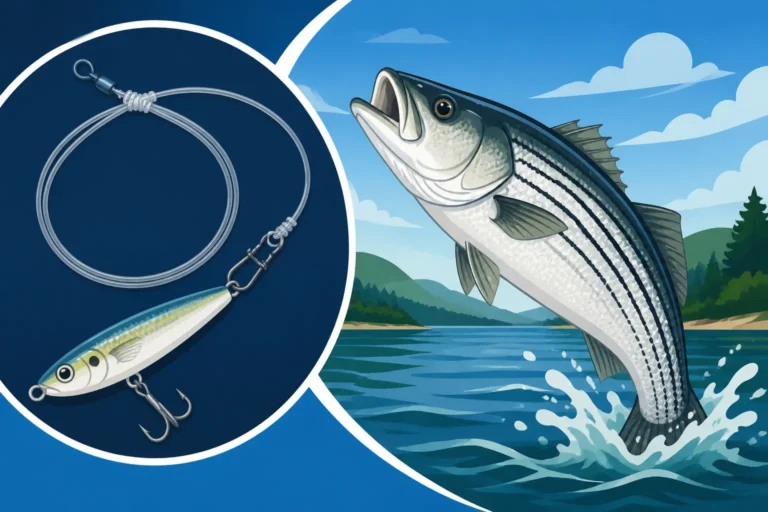
When it comes to line, braided line is the clear winner for Great Bay stripers. Its lack of stretch provides superior sensitivity, allowing you to feel every bump and subtle take, even in strong currents or when fishing deep. It also offers incredible strength-to-diameter ratio, allowing you to use a lighter line that casts further without sacrificing power. A 20-30 lb braided line is a good all-around choice. You’ll want to attach a leader of 3-4 feet of fluorocarbon line to the braid. Fluorocarbon is nearly invisible underwater, more abrasion-resistant than mono, and helps absorb some of the shock during the fight. A 20-40 lb test fluorocarbon leader is appropriate, depending on the size of fish you're targeting and the water clarity. For more specific advice, check out what makes the Best Leader for Striped Bass in Great Bay. You can find a fantastic selection of these specialized rods, reels, and lines on platforms like Amazon, making it easy to outfit yourself properly.
Lures, Baits, and Terminal Tackle Essentials
The diversity of baitfish in Great Bay means stripers will hit a wide variety of lures and natural baits. Having a versatile tackle box is key.
Top Lures:
- Soft Plastics: These are incredibly effective. Think about soft plastic paddletails (like those from Amazon Basics or Keitech), swim shads, or worm imitations rigged on jig heads ranging from 3/4 oz to 2 oz, depending on current and depth. Chartreuse, white, and natural baitfish colors are staples.
- Plugs and Stickbaits: When stripers are chasing bait on the surface or just below, topwater plugs (like poppers or walk-the-dog lures) can create explosive strikes. Subsurface swimmers and lipped plugs (e.g., Rapala, Daiwa SP Minnows) are excellent for imitating fleeing baitfish.
- Metal Jigs and Spoons: For reaching deeper schools or when stripers are keyed in on dense bait balls, diamond jigs or Kastmasters can be dropped down and jigged vertically or cast and retrieved with a jigging motion.
- Bucktail Jigs: These classic lures are incredibly versatile. Tipped with a pork rind or a soft plastic trailer, they can be bounced along the bottom, swam through the water column, or jigged around structure. White, yellow, and chartreuse are popular colors.
Natural Baits:
- Live Bait: Mackerel, herring, eels, and pogies (menhaden) are irresistible to large stripers. They can be slow-trolled, drifted, or fished under a float. Knowing How to rig live bait for Great Bay striped bass properly is crucial for success.
- Chunk Bait: Cut pieces of fresh mackerel, pogies, or bunker can be deadly, especially when fished on the bottom in channels or current seams. The scent trail they create attracts stripers from a distance. Clams and worms are also effective, particularly in muddier bottom areas.
Terminal Tackle:
- Hooks: Circle hooks are mandatory when fishing with natural bait in New Hampshire, helping to prevent gut-hooking and improve catch-and-release survival. Sizes 5/0 to 8/0 are common.
- Swivels: High-quality barrel or ball-bearing swivels (around 50-80 lb test) prevent line twist, especially when using braided line and retrieving lures.
- Weights: Egg sinkers, pyramid sinkers, or bank sinkers in various weights (1 oz to 6 oz) are needed for bottom fishing with bait, depending on current strength.
- Pliers: Strong, corrosion-resistant pliers are essential for removing hooks, cutting line, and crimping sleeves.
- Boga Grip/Lip Grippers: These tools help safely handle fish, especially larger ones, for unhooking and photography without damaging their jaws.
A good Tackle Box Setup for New Hampshire Anglers will have a mix of these options to adapt to varying conditions.
| Lure Type | Best Use Case | Retrieve Style | Ideal Conditions |
|---|---|---|---|
| Soft Plastic Swimbait | Versatile, imitating various baitfish | Steady retrieve, jigging, slow roll | All conditions, especially murky water |
| Topwater Plug | Active surface feeders, low light, exciting strikes | Walk-the-dog, popping, stop-and-go | Calm water, dawn/dusk, active fish |
| Bucktail Jig | Bottom structure, current seams, deep water | Bouncing, jigging, steady retrieve with twitch | Strong currents, rocky bottoms |
| Hard Body Swimmer | Imitating injured baitfish, subsurface | Steady retrieve with pauses, twitching | Open water, areas with scattered bait |
| Metal Jig / Spoon | Deep water, fast retrieve, imitating fleeing bait | Fast retrieve, vertical jigging, casting and dropping | Deep channels, schooling baitfish |
Effective Shore Fishing Strategies
Shore fishing for striped bass in Great Bay can be incredibly productive, offering accessibility and the chance to observe the water closely. Success often comes down to understanding the terrain and timing your efforts.
Casting Techniques and Lure Presentation
When fishing from shore in Great Bay, casting distance is often crucial, especially if you're trying to reach deeper channels or distant structure. Learn to make long, accurate casts with your chosen lures. A good overhead cast or a modified surf cast will maximize your reach. Focus on areas where currents converge, around rock outcroppings, jetty corners, or anywhere baitfish might be concentrated or disoriented by the flow. These are prime ambush points for stripers.
Once your lure is in the water, presentation is everything. With soft plastics on jig heads, you'll want to experiment with a retrieve that mimics the natural movement of a baitfish. This might be a steady retrieve, a stop-and-go action, or a lift-and-drop motion that allows the jig to bounce along the bottom. For plugs, vary your retrieve speed and incorporate twitches to make the lure dart and pause. Topwater lures demand an active retrieve – popping them to create splashes, or walking them across the surface. Pay attention to how the current affects your lure. Sometimes, simply letting the current sweep your lure past a piece of structure can be incredibly effective, as it presents a natural, effortless meal to a waiting striper. Don't be afraid to experiment with retrieve speeds and lure actions until you find what the fish are responding to on a given day. Shore fishing can also give you a better sense of Great Bay Striped Bass Spots as you can explore different access points.
Live Bait and Chunk Bait Tactics
When fishing with natural baits from shore, the goal is often to present a tantalizing, easily accessible meal to a cruising striper.
Live Bait: If you're able to acquire live bait like mackerel, herring, or even smaller pogies, fishing them under a float or freely drifting them can be incredibly effective. A slip float rig allows you to present the bait at a specific depth, while a free-lined bait (with just a hook and possibly a small split shot) allows it to swim naturally in the current. Cast your live bait into areas where you suspect stripers are holding, such as deep holes, current seams, or around structure. Let the current do some of the work, moving your bait slowly through productive zones. Always use circle hooks to ensure ethical catch-and-release.
Chunk Bait: For those times when live bait isn't available or practical, chunk bait can be a highly productive alternative. Freshly cut pieces of oily fish like mackerel, bunker (menhaden), or even bluefish release a strong scent trail that can attract stripers from a distance. Rig your chunk bait on a fish-finder rig: a slider allows your line to run freely through a sinker (like a pyramid or bank sinker, weighted enough to hold bottom in the current), terminating in a leader with a circle hook. This setup ensures that when a striper picks up the bait, it doesn't immediately feel the weight of the sinker, allowing it to take the bait more confidently. Cast your chunk bait into channels, depressions, or along the edges of flats during incoming tides, and be patient. The smell will draw them in. Shore anglers often find good success targeting Great Bay Striped Bass Spots with chunk bait, particularly at night when stripers are less wary.
Successful Boat Fishing Approaches
Fishing from a boat in Great Bay opens up a vast array of opportunities that shore anglers simply can't access. You can cover more water, reach deeper channels, and target offshore structure, but it also requires a different set of strategies.
Trolling and Drifting for Stripers
Boat fishing offers two primary methods for covering water and finding active fish: trolling and drifting. Both are highly effective for Great Bay stripers, depending on the conditions and the fish's mood.
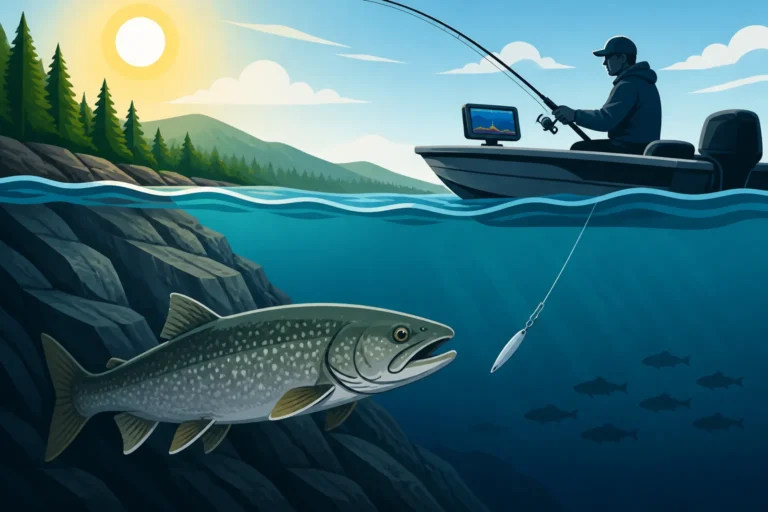
Trolling: Trolling involves moving your boat slowly (typically 2-4 knots) while dragging lures or baits behind it. This technique allows you to systematically search large areas of Great Bay, especially deeper channels and expansive flats. Use diving plugs that imitate baitfish (like the Bomber Long A or Rapala X-Rap magnum), large soft plastic paddle tails on weighted jig heads, or even live bait on weighted lines. Downriggers or planer boards can be employed to get lures to specific depths or away from the boat's wake, increasing your spread and covering more water. Pay close attention to your fish finder to identify bait schools or structure, and troll your lures through or around these areas. When trolling, look for changes in depth, current seams, or areas where birds are diving, indicating baitfish activity. Vary your trolling speed and direction (S-turns can be very effective) to see what triggers a strike.
Drifting: Drifting is a more passive, yet often incredibly effective, method. It involves allowing your boat to be carried by the wind and current, presenting live or chunk baits naturally. This is particularly productive over oyster beds, rocky bottoms, or along channel edges where stripers might be holding. Drop live eels, mackerel, or chunks of menhaden down to the bottom, letting them drift with the current. Use just enough weight to keep your bait near the bottom without anchoring it. The natural movement of the bait as it tumbles in the current can be irresistible to a feeding striper. Pay attention to your drift path and try to repeat successful drifts. You can use a sea anchor (drift sock) to slow your drift if the current or wind is too strong, allowing your baits to stay in the strike zone longer. This method can be especially productive during moving tides, as the current carries your scent trail.
Casting to Structure and Schools
While trolling and drifting cover large areas, casting from a boat allows for precise targeting of specific structures or visible schools of fish. This is often a more active and engaging form of striper fishing.
Casting to Visible Schools: Keep a keen eye out for signs of active fish: diving birds, surface disturbances, or baitfish jumping. When you spot these "busts," quickly position your boat upwind or upcurrent, cut the engine, and cast your lures into the feeding frenzy. Soft plastic swim shads, metal jigs, or topwater plugs are excellent choices for these situations. The key is to get your lure in front of the fish quickly without spooking them. Work the edges of the school first, as stripers often herd baitfish against the perimeter.
Targeting Structure: Striped bass are drawn to structure that provides current breaks, ambush points, or cover. From a boat, you can pinpoint these spots using your fish finder and GPS. Bridge pilings, rocky ledges, submerged humps, channel drop-offs, and even mooring fields can hold fish. Position your boat to cast jigs or plugs tight to these structures. Use lures that can be worked effectively around snags, such as weedless soft plastics or bucktail jigs. Often, the strike will come just as your lure clears the structure. Don't overlook the potential of New Hampshire Boating Laws for Anglers and safety equipment like life jackets, which are critical for these active fishing excursions. Knowing the rules will keep you safe and legal on the water while you focus on the fishing.
Reading the Water and Maximizing Your Chances
Successfully fishing for striped bass in Great Bay isn't just about gear and techniques; it's about understanding the environment and making informed decisions on the water. Great Bay is constantly changing, and learning to "read the water" will dramatically increase your catch rate.
Interpreting Tides and Currents
The tidal flow in Great Bay is arguably the most critical factor influencing striped bass behavior. Stripers are powerful swimmers, but they are also opportunists, using the currents to conserve energy and ambush prey.
Incoming Tide: As the tide rises and pushes into the bay, it brings in cooler, saltier ocean water and often new schools of baitfish. Stripers will move into shallower areas, over flats, and into the mouths of smaller creeks and rivers to feed. The early to mid-incoming tide can be excellent for targeting fish around points, marsh edges, and shallow rocky areas with topwater lures, soft plastics, or by drifting live bait. The strong incoming current around bottlenecks and bridge pilings can concentrate bait and create prime ambush points. Knowing How to catch striped bass on the incoming tide is a huge advantage.
Outgoing Tide: As the tide falls, water from the shallower areas and tributaries drains out, often carrying disoriented baitfish, crabs, and worms with it. Stripers will position themselves along drop-offs, channel edges, and at the mouths of estuaries to intercept this outgoing bounty. The last two hours of the outgoing tide and the first hour of the incoming tide (the "slack before flood") are often considered prime times, as the slowing current can concentrate bait, and fish become more active as the tide begins to turn. Conversely, the "slack after flood" can be slow, as the current has diminished and baitfish can disperse. Observing the current direction and speed, and how it's influencing baitfish movement, is crucial for positioning yourself correctly.
Locating Structure and Baitfish
Striped bass are rarely found in vast, featureless expanses of open water unless they are actively busting schools of bait. They are almost always associated with some form of structure or concentrations of their food source.
Identifying Structure: Structure can be anything that deviates from the uniform bottom. In Great Bay, this includes:
- Rocky Ledges and Reefs: These provide cover, current breaks, and often hold crabs, mussels, and baitfish.
- Oyster Beds: These are rich ecosystems, attracting baitfish and providing a food source for stripers.
- Channel Edges and Drop-offs: Stripers patrol these transitions between shallow and deep water, ambushing bait that moves between depths.
- Bridge Pilings, Docks, and Moorings: Man-made structures offer cover and ambush points.
- Submerged Humps and Islands: These can create current breaks and concentrate bait.
Use your fish finder to map out these bottom features. Pay attention to contour lines on nautical charts. When fishing from shore, look for visual cues like exposed rocks, jetties, or points of land that extend into the current.
Finding Baitfish: The presence of baitfish is often the most reliable indicator of where stripers will be.
- Visual Cues: Look for schools of baitfish on the surface, especially during low light conditions or when stripers are actively chasing them. Diving birds, particularly terns and gulls, are excellent indicators of baitfish being pushed to the surface.
- Fish Finder: On a boat, your fish finder is your best friend. Look for dense clouds or arches representing bait schools. Stripers will often be lurking directly below or on the edges of these schools.
- River Mouths and Estuaries: These areas often act as funnels for baitfish moving in and out with the tides.
- Seasonal Movements: Be aware of the What striped bass eat when they enter Great Bay throughout the season. Early in the year, they might be targeting river herring, while later they might be focused on mackerel or pogies entering the bay from the ocean. Adjust your lure choices to mimic the prevalent bait.
Advanced Tips and Seasonal Considerations
Beyond the basics, there are several nuances and seasonal adaptations that can significantly improve your success rate for Great Bay striped bass. Thinking proactively about the conditions will set you apart.
Night Fishing for Great Bay Stripers
Many experienced striper anglers will tell you that the best fishing happens under the cover of darkness, especially for larger fish. Striped bass are often more active and less wary at night, particularly in heavily fished areas or during hot summer days when they retreat to deeper, cooler water. Night fishing in Great Bay can be incredibly productive for several reasons. The cover of darkness reduces visibility for predators and prey alike, making stripers bolder in their pursuit of food. It also often calms boat traffic and other disturbances, allowing the fish to move more freely into shallower feeding grounds they might avoid during the day.
When night fishing, focus on areas with artificial light sources like bridge lights, dock lights, or streetlights near the water. These lights attract baitfish, which in turn attract stripers. Use dark-colored lures (like black, dark purple, or blurple) as they create a stronger silhouette against the moonlight or artificial light, making them easier for stripers to detect. Soft plastics, bucktail jigs, and noisy topwater plugs can all be effective. Pay extra attention to safety: always inform someone of your plans, carry a reliable headlamp and backup light, and be extra cautious navigating in the dark, especially around currents and submerged structure. The peaceful solitude of night fishing, combined with the chance for a trophy fish, makes it a highly rewarding experience in Great Bay.
Adapting to Weather and Water Conditions
Great Bay's fishing conditions can change rapidly due to weather and external factors. Learning to adapt is crucial.
Wind: Wind can be both a blessing and a curse. A light chop on the water can break up the surface, making stripers less wary and improving the effectiveness of topwater lures. However, strong winds can make casting difficult from shore and make boat control challenging, leading to poor lure presentation. On very windy days, try to find sheltered coves or areas with wind-protected shorelines, or use heavier lures and baits to cut through the gusts.
Rain: Light rain can often spark a feeding frenzy, especially if it cools the water slightly and adds oxygen. Heavy rain can muddy the water, which might turn off sight-feeding fish, but can also concentrate baitfish near clearer water inflows. In muddy conditions, switch to lures with strong vibrations or rattling sounds, and consider brighter colors like chartreuse or solid white, or even darker silhouettes mentioned for night fishing.
Water Temperature: Striped bass are cold-blooded, and their metabolism and activity levels are directly linked to water temperature. They generally prefer water temperatures between 55-70°F (13-21°C). In early spring, look for warmer, shallower areas that heat up first. In mid-summer, they might seek cooler, deeper water or feed primarily during cooler periods like dawn, dusk, or night. A general rule of thumb is that if the water is too cold, fish will be sluggish, and if it's too warm, they'll be stressed and inactive. Keep an eye on local water temperature reports to gauge activity.
Water Clarity: Great Bay can range from relatively clear to very murky. In clear water, stripers can be more wary, requiring longer leaders, smaller lures, or more subtle presentations. Natural baitfish colors work well. In murky or stained water, brighter colors, noisy lures, or scented baits can be more effective as they rely on vibration, scent, or contrast rather than pure visual appeal. The Best lure color for muddy water bass fishing can often apply to stripers in similar conditions.
Responsible Angling and Conservation in Great Bay
The thrill of catching striped bass in Great Bay comes with the responsibility of ensuring the health and sustainability of this incredible fishery. Adhering to regulations and practicing good conservation habits is paramount.
Catch and Release Best Practices
Many anglers choose to practice catch and release, especially for larger breeding-size striped bass, to help sustain the population. If you intend to release a fish, follow these guidelines to maximize its survival chances:
- Minimize Fight Time: Use appropriately sized gear that allows you to land the fish as quickly as possible without completely exhausting it.
- Handle with Care: Avoid touching the fish's gills or eyes. If possible, keep the fish in the water while unhooking it. If you must remove it from the water, support its entire body horizontally, especially larger fish, to prevent internal organ damage. A lip gripper like a Boga Grip can be very helpful here.
- Use Barbless Hooks: Crushing the barb on your hooks (or using barbless hooks) makes removal much easier and quicker, reducing stress and injury to the fish. Circle hooks are also excellent for preventing deep hooking.
- Quick Unhooking: Have pliers or a de-hooking tool readily available. Remove the hook as gently and quickly as possible. If the fish is deeply hooked and removal would cause significant trauma, cut the line as close to the hook as possible. The hook will often rust out over time.
- Revive Properly: If the fish seems sluggish, hold it upright in the water, facing into the current (if any), and gently move it back and forth to force water over its gills until it regains its strength and swims away on its own. Do not just toss it back; ensure it's vigorous enough to escape predators.
By following these practices, you play a vital role in preserving the striped bass fishery for future generations.
Understanding Regulations and Limits
New Hampshire Fish and Game Department (NHFG) sets specific regulations for striped bass fishing in Great Bay and all other coastal waters to manage the stock effectively. These regulations are subject to change based on scientific assessments of the stock, so it's critical to stay updated.
Key Regulations to Know:
- Size Limits: There is usually a slot limit, meaning you can only keep fish within a certain length range (e.g., 28 to 31 inches). This protects both juvenile fish and large breeding adults.
- Bag Limits: There's typically a daily bag limit (e.g., one fish per person per day).
- Season Dates: While striped bass are generally available for much of the open water season, specific dates may apply to harvest.
- Gear Restrictions: As mentioned earlier, circle hooks are often required when fishing with natural bait for striped bass.
It is your responsibility as an angler to know and abide by these rules. Before every season, and even during the season if you hear of potential changes, always consult the official New Hampshire Fishing Regulations Explained on the NHFG website or pick up a copy of the freshwater and saltwater fishing digest. Ignorance of the law is not an excuse, and penalties for violations can be significant, including hefty fines and loss of fishing privileges. Respecting these regulations helps maintain the health of the striped bass population in Great Bay, ensuring that the incredible fishing opportunities we enjoy today will be around tomorrow.
Disclaimer
Please remember that fishing conditions, regulations, and fish behavior can change. Always consult the latest New Hampshire Fish and Game Department regulations before heading out. This guide is for informational purposes only and does not substitute for official regulatory information. Stay safe on the water and always prioritize conservation.