Best fishing spots in Carroll County
Trying to figure out where to cast your line in Carroll County, New Hampshire, can feel a bit like trying to find a needle in a haystack – there are just so many incredible options, and it's tough to know where to begin. Between the sprawling depths of Lake Winnipesaukee and the countless tucked-away ponds and pristine mountain streams, the sheer volume of choices can be overwhelming. This guide is designed to cut through that confusion, providing you with a detailed breakdown of the very best fishing spots in Carroll County, tailored to help you make the most of your next angling adventure.
Understanding Carroll County's Unique Fisheries
Carroll County, nestled in the heart of New Hampshire, is a true gem for anglers, boasting a remarkable diversity of freshwater fishing experiences. It’s not just one type of fishing; it’s a whole spectrum, from the deep, cold waters holding ancient lake trout to the shallow, weedy coves teeming with bass. This rich variety is what makes it such a sought-after destination, but it also means understanding the nuances of its different water bodies is key to a successful outing.
Diverse Habitats and Target Species
What truly sets Carroll County apart is its incredibly varied aquatic ecosystems. You've got the vast, oligotrophic (nutrient-poor, deep, cold) lakes like Winnipesaukee, which are perfect for cold-water species that demand specific thermal refuge. These lakes are home to formidable lake trout, elusive landlocked salmon, and robust smallmouth bass, all thriving in different depths and structures. Then, you have numerous mesotrophic (moderate nutrient levels) and eutrophic (nutrient-rich, shallower, warmer) ponds and smaller lakes, which are prime habitats for warm-water species. Think big largemouth bass lurking in lily pads, aggressive chain pickerel ready to ambush, and abundant panfish like yellow perch and black crappie, perfect for a family outing.
Beyond the lakes, the county is crisscrossed by a network of rivers and streams, many originating in the White Mountains. These flowing waters provide entirely different environments, ranging from broad, slow-moving sections that hold smallmouth bass and even some anadromous species like American shad further downstream, to the classic freestone mountain streams where native brook trout dart between rocks. Understanding which species prefers which habitat is your first step to narrowing down the seemingly endless choices. For instance, if you're chasing the thrill of a hard-fighting Landlocked Salmon Fishing in New Hampshire, you'll be looking at the big lakes, but if you're after the vibrant colors of a native brook trout, the smaller, colder mountain streams will be your calling.
Seasonal Considerations for Carroll County Anglers
The fishing in Carroll County is a year-round affair, but what you target and how you do it changes dramatically with the seasons. Spring, right after ice-out, is a frenzy of activity. This is when the water temperatures are rising, prompting many species to become highly active and move into shallower waters. Lake trout and landlocked salmon, which spent the winter deep, often come closer to the surface, making them more accessible to trollers. Bass begin to stage for their spawn, and trout streams come alive with hungry fish. The early season can offer some of the best fishing of the year, but it also means variable weather and water conditions.
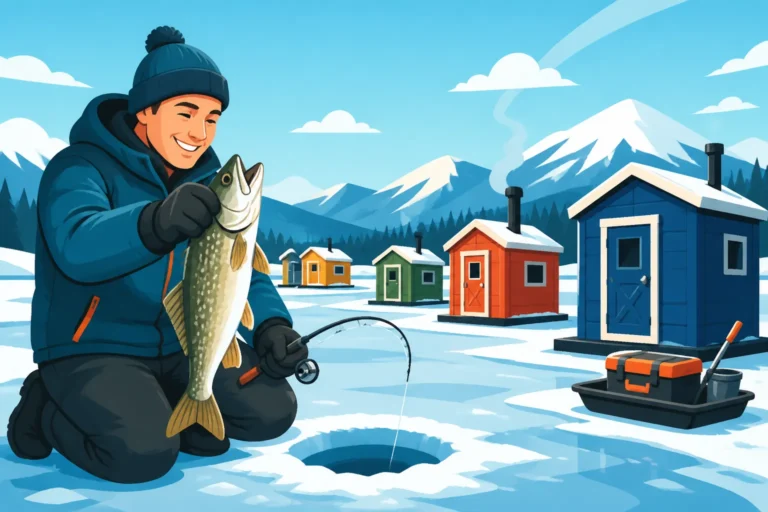
Summer brings warmer water temperatures, pushing cold-water species deeper to find thermal refuge. This often means targeting lake trout and salmon with downriggers or on deep structure. Bass, however, thrive in the summer, with early morning and late evening topwater bites being legendary. Panfish are also readily available in shallower areas. Fall is a spectacular time, with cooler temperatures invigorating most species. Landlocked salmon become incredibly aggressive as they prepare to spawn, and bass are often in a feeding frenzy, packing on weight before winter. And, of course, once the ice forms, Carroll County transforms into an ice fishing paradise, with anglers setting up shanties to jig for perch, lake trout, and pickerel. Knowing what fish are active and where they'll be during your visit is crucial to maximizing your time on the water.
Top Lakes and Ponds for Fishing in Carroll County
When you think of fishing in Carroll County, inevitably your mind goes to the lakes. And for good reason! This region is defined by its magnificent water bodies, each offering distinct opportunities and challenges for anglers. From the iconic expanse of Winnipesaukee to the more intimate settings of smaller ponds, there's a lake for every type of angler.
Lake Winnipesaukee: A Giant with Endless Opportunities
Lake Winnipesaukee isn't just a lake; it's an inland sea, covering over 72 square miles with depths reaching over 180 feet. Its sheer size and complex structure mean it holds an incredible diversity of fish and fishing experiences. For many, Winnipesaukee is the ultimate trophy lake trout destination. These deep-water giants require specialized gear, often involving downriggers and precise trolling patterns, especially in the summer months when they retreat to the cold abyss. The areas around The Broads or off Center Harbor are prime spots for Lake Winnipesaukee Lake Trout Fishing. Beyond lake trout, Winnipesaukee is renowned for its landlocked salmon, which offer a thrilling fight on lighter tackle, particularly in the spring and fall when they cruise closer to the surface.
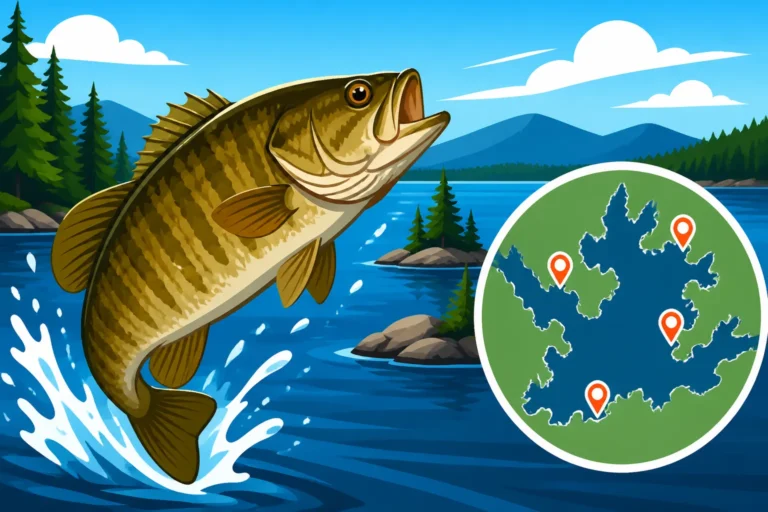
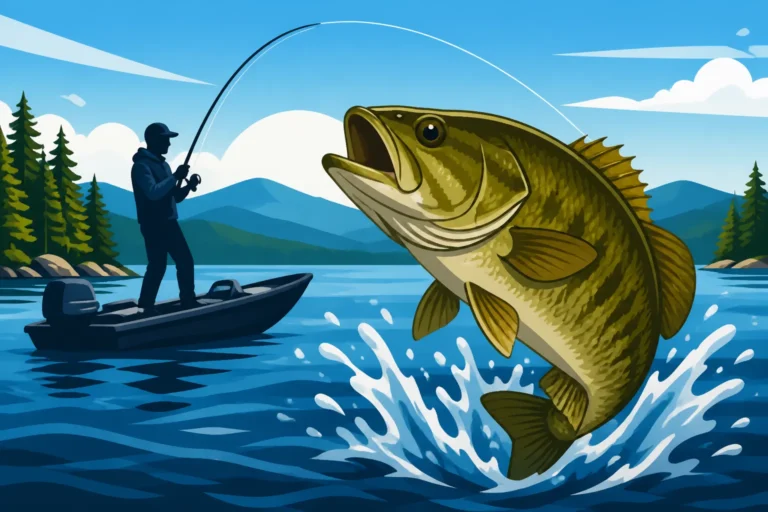
But don't let the cold-water species overshadow the fantastic warm-water fishing. Winnipesaukee boasts an exceptional smallmouth bass fishery, with countless rocky points, shoals, and islands providing perfect habitat. Targeting smallmouth with drop shots, tube jigs, or topwater lures in areas like Little Bear Island or near the larger towns like Meredith and Wolfeboro can be incredibly productive. While largemouth bass are less prevalent than smallmouth, you can still find them in the shallower, weedy coves, particularly in the northern reaches of the lake. The lake also offers excellent fishing for yellow perch, white perch, and even some quality chain pickerel, making it a truly versatile fishing ground. With so much water to explore, many anglers opt for a guided trip booked through platforms like FishingBooker to help navigate its complexities and find the hottest bites.
Smaller Gems: Winnisquam, Ossipee, and Conway Lakes
While Winnipesaukee often steals the spotlight, Carroll County is home to numerous other fantastic lakes that offer equally rewarding, though often more intimate, fishing experiences.
-
Lake Winnisquam: Though only partially in Carroll County, Winnisquam is a significant fishery, particularly known for its smallmouth bass. It's a bit more manageable in size than Winnipesaukee but still offers good depths and structure for lake trout and landlocked salmon. Anglers often find success targeting bass along its rocky shorelines and submerged humps, especially during the pre-spawn and post-spawn periods. The lake also has a healthy population of yellow perch and some impressive chain pickerel. The more moderate size makes it a great option for those who want big lake fishing without the overwhelming scale of Winnipesaukee. You can find more specific details in our Winnisquam Lake Fishing Guide.
-
Ossipee Lake: This large, relatively shallow lake (by New Hampshire standards) is a warm-water haven. It's not the place for lake trout or salmon, but it shines for largemouth and smallmouth bass, as well as an abundance of panfish and pickerel. The lake's extensive weed beds, coves, and varying bottom structure provide excellent ambush points for predatory fish. Many anglers consider Ossipee Lake one of the best spots for consistent bass action in the region. Fishing with spinnerbaits, crankbaits, or soft plastics around the structure and weed lines is often very effective. It's a fantastic lake for family outings or those who prefer a less intimidating environment than Winnipesaukee.
-
Conway Lake: A beautiful, clear-water lake, Conway offers a mix of warm and cold-water species. It's stocked with brook trout, rainbow trout, and even some brown trout, providing a good opportunity for traditional trout fishing. Additionally, it holds strong populations of smallmouth bass, largemouth bass, and panfish. The lake's varied bottom, with rocky areas, sandy stretches, and some weed growth, creates diverse habitats. Trolling for trout in the deeper sections or casting for bass along the shoreline structure are popular methods. It’s a great option for anglers looking for variety in a scenic setting. If you're looking for Conway Lake fishing spots, focusing on its deeper basins and rocky points can yield excellent results.
Hidden Ponds and Stocked Waters
Beyond the big names, Carroll County is dotted with countless smaller ponds, many of which are regularly stocked by the New Hampshire Fish and Game Department. These ponds are often less pressured and can offer incredible fishing, especially for trout. Places like Duncan Lake in Ossipee or Province Lake on the border with Maine are excellent examples, often receiving substantial trout stockings in the spring and fall. These smaller waters are perfect for bank fishing, float tubes, or kayaks, making them accessible to a wider range of anglers.
Many of these ponds offer a chance to catch brook trout, rainbow trout, and sometimes brown trout, often providing quick action for beginners or those seeking a relaxing day. Techniques can be as simple as bait fishing with worms or PowerBait, or casting small spinners and spoons. Always check the New Hampshire Fish and Game Department's stocking reports and maps for the most up-to-date information on which ponds are being stocked and when. These smaller bodies of water are also excellent for panfish, providing steady action for kids or anyone looking to fill a cooler with some delicious yellow perch or crappie. Exploring these "hidden" gems can be incredibly rewarding, offering a sense of discovery away from the main crowds.
Exploring Carroll County's Rivers and Streams
While the lakes grab a lot of attention, Carroll County's rivers and streams provide an entirely different, equally compelling, angling experience. These flowing waters are often cooler, faster, and demand different techniques and approaches. They offer pristine environments, particularly for trout, and can also hold robust populations of smallmouth bass in their wider, slower sections.
Major Rivers: Saco and Merrimack Access
Carroll County is home to sections of several significant rivers that offer fantastic fishing, especially for warm-water species and, in some cases, migratory fish.
-
Saco River: Flowing through the eastern part of Carroll County, including towns like Conway, the Saco River is a phenomenal smallmouth bass fishery. Its varied current, rocky bottom, and numerous pools and riffles create ideal habitat for these aggressive fish. Anglers frequently float or wade sections of the Saco, casting spinnerbaits, crankbaits, jigs, or soft plastics to structure. The river is incredibly scenic, offering a blend of exciting fishing and beautiful surroundings. Beyond smallmouth, you might also encounter some largemouth bass in slower backwater areas, as well as various panfish and chain pickerel. Access points are available in several towns along its course, making it a popular choice for both locals and visitors. FishingBooker can sometimes help identify local guides who specialize in river fishing on the Saco, offering insights into the best stretches and techniques.
-
Merrimack River (Upper Sections): While the lower Merrimack is far from Carroll County, the upper reaches and its tributaries that flow down from the White Mountains influence the region's broader watershed. These headwater streams and smaller river sections, while not the "main" Merrimack itself, offer excellent opportunities for trout. The main stem of the Merrimack, once it forms further south, is a well-known fishery for smallmouth bass and even some robust carp. While direct "Merrimack River fishing access near Manchester" might be a bit far for Carroll County, understanding that these upper waters feed into such a productive system gives an idea of the health and potential of the smaller feeder streams within the county.
These rivers, especially the Saco, provide a dynamic fishing environment that often requires a more active approach than lake fishing. Drifting with the current in a canoe or kayak, or carefully wading, allows anglers to cover water and present lures or flies effectively to fish holding in current breaks and around submerged structure.
Prime Trout Streams in the White Mountains
For many, the true heart of Carroll County's river fishing lies in its numerous cold-water streams that tumble down from the White Mountains. These are classic trout waters, home to wild brook trout and often stocked with rainbow and brown trout, offering quintessential fly-fishing and light tackle spinning experiences.
-
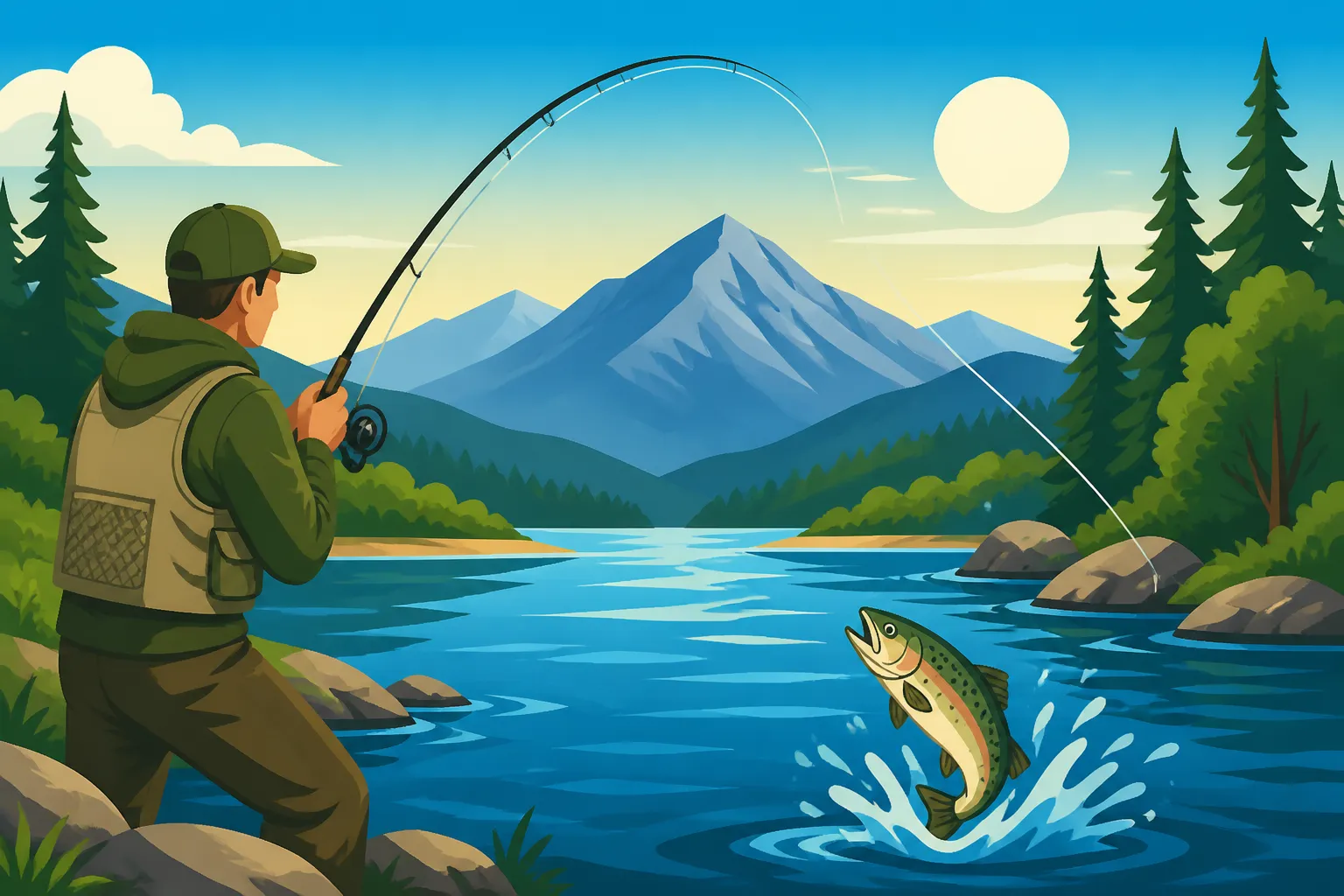
Swift River: Originating high in the White Mountains and flowing through the Kancamagus Highway corridor, the Swift River is perhaps one of New Hampshire's most famous trout streams. It's heavily stocked with brook, brown, and rainbow trout and also holds a healthy population of wild brook trout in its upper, colder reaches. The Swift offers a variety of water types, from easily accessible pools near popular roadside stops to more secluded pocket water for those willing to hike a bit. Fly fishing with nymphs, dry flies, and streamers is incredibly popular here, but spin anglers can also find success with small spinners and spoons. The scenery alone makes a trip to the Swift River worthwhile, even if the fish are playing hard to get.
-
Ellis River: Located near Jackson, the Ellis River is another excellent White Mountain trout stream, known for its consistent stockings and beautiful surroundings. It offers similar fishing opportunities to the Swift, with a mix of wild and stocked trout. Its accessible sections near the town of Jackson make it a convenient spot for many anglers. Both fly fishing and spin fishing methods are effective here, especially with presentations that mimic the natural insects and baitfish found in the river. Like many mountain streams, the Ellis can be challenging to wade due to its rocky bottom and varying current, so appropriate wading gear is essential.
-
Other Tributaries and Smaller Streams: Beyond the well-known names, countless smaller, unnamed tributaries and feeder streams flow through Carroll County. Many of these hold native brook trout, often in surprising numbers. These are typically smaller fish but offer a unique wilderness fishing experience. Access to these streams can be challenging, often requiring hiking or bushwhacking, but the reward is often solitude and the chance to catch brightly colored wild trout. Always consult the New Hampshire Trout Stocking Report and Map to identify other lesser-known, stocked trout waters within the county that might offer a hidden gem experience. For the adventurous angler, these small, wild streams represent the purest form of trout fishing.
Planning Your Carroll County Fishing Trip
A successful fishing trip in Carroll County isn't just about knowing where to go; it's also about being prepared. From having the right gear to understanding the local rules, a little planning goes a long way in ensuring a safe and productive day on the water.
Essential Gear and Tackle for Local Waters
Given the diverse fishing opportunities in Carroll County, your gear needs will vary depending on what you plan to target. However, having a versatile setup can cover many scenarios.
-
For Lake Fishing (Winnipesaukee, Winnisquam): If you're chasing lake trout or landlocked salmon, you'll need heavier spinning or baitcasting rods, often 7-8 feet in length, capable of handling 10-20 lb test line. Downriggers are essential for deep-water trolling in summer. Lures like spoons (e.g., Mooselook Wobblers, Sutton Spoons), stickbaits (like Rapalas), and live smelt are highly effective. For smallmouth bass, a medium-light to medium power spinning rod (6'6" – 7'0") with 6-10 lb fluorocarbon or braided line is ideal. You'll want a selection of tube jigs, drop shot rigs, crankbaits, and topwater lures. Brands like FishingBooker often have guides who can provide all the necessary specialized gear, removing the guesswork for visitors.
-
For Pond Fishing (Bass, Panfish, Stocked Trout): A medium-light spinning rod (6'0" – 6'6") spooled with 4-8 lb monofilament or braid is a great all-around choice. For largemouth bass, bring a variety of soft plastics (worms, senkos), spinnerbaits, jigs, and some topwater frogs or poppers for working around lily pads. For panfish and stocked trout, simple live bait (worms, corn, PowerBait) on small hooks under a bobber is often deadly. Small inline spinners (like Mepps or Rooster Tails) and tiny spoons also work wonders for trout.
-
For River and Stream Fishing (Trout, Smallmouth): For trout streams, a light spinning rod (5'6" – 6'6") with 2-6 lb line is perfect for casting small spinners, spoons, or bait. Fly anglers will typically use a 3- to 5-weight fly rod with a floating line, bringing an assortment of dry flies, nymphs, and small streamers. A good pair of Best Wading Boots for Rocky Streams and breathable waders are crucial for comfortable and safe wading in these waters. For river smallmouth, a medium-light to medium spinning rod with 8-12 lb line and a selection of crankbaits, jigs, and soft plastic tubes will serve you well. Don't forget essentials like a net for safe catch and release, pliers or forceps, sunscreen, insect repellent, and plenty of water.
Navigating Regulations and Licenses
Before you even think about casting a line, it is absolutely paramount to understand and adhere to New Hampshire's fishing regulations. Ignorance is not an excuse, and violating regulations can lead to hefty fines and even loss of fishing privileges.
First and foremost, everyone aged 16 and older needs a New Hampshire fishing license. This applies to both residents and non-residents. You can easily purchase a New Hampshire Fishing License Guide for 2026 online through the New Hampshire Fish and Game Department website, or from numerous authorized license agents and sporting goods stores throughout the state, including many in Carroll County towns like Conway, Meredith, or Wolfeboro.
Key Regulations to be Aware Of:
- Species-Specific Rules: Regulations vary widely by species. There are different bag limits, possession limits, and sometimes length limits for different fish. For example, New Hampshire Bass Limits and Slot Rules are specific, as are the rules for trout, salmon, and lake trout. Always consult the current year's New Hampshire Freshwater Fishing Digest.
- Seasonal Closures: Some seasons have specific opening and closing dates. Bass, for instance, often have a catch-and-release only period in the spring before the full harvest season opens. Trout ponds usually have a general opening day. Our guide to New Hampshire Fishing Season Dates and Closures can help you plan.
- Special Regulation Waters: Certain lakes, ponds, or river sections may have unique regulations that differ from the general statewide rules. These "Special Regulation Waters" are clearly outlined in the fishing digest and might include fly-fishing-only sections, catch-and-release only rules, or specific bait restrictions. For instance, you might find New Hampshire Catch and Release Fly Fishing Only Waters in some parts of the White Mountains.
- Ice Fishing Regulations: If you plan to fish in winter, there are specific rules for ice shanties, tip-ups, and ensuring ice safety.
- Boating Laws: If you're bringing a boat, make sure you're familiar with New Hampshire Boating Laws for Anglers, including registration requirements and mandatory safety equipment like life jackets.
The best practice is to download or pick up a copy of the latest New Hampshire Freshwater Fishing Digest. It's available as a PDF online and is your ultimate resource for all current regulations. Don't rely on old information or hearsay; regulations can change annually. When in doubt, call the New Hampshire Fish and Game Department directly.
By preparing adequately with the right gear and thoroughly understanding the rules, you'll be set for an enjoyable and successful fishing adventure in the beautiful waters of Carroll County. Consider looking for local insights or even booking a trip through services like FishingBooker, which can connect you with experienced guides who know these waters intimately and can provide not only the right equipment but also up-to-date information on hot spots and regulations.
| Lake/River | Primary Species Targeted | Key Fishing Methods | Best Time of Year | Notes |
|---|---|---|---|---|
| Lake Winnipesaukee | Lake Trout, Salmon, Smallmouth Bass | Trolling (Downriggers), Jigging, Casting | Year-round (Ice in winter) | Vast, complex, multi-species trophy lake |
| Ossipee Lake | Largemouth Bass, Smallmouth Bass, Panfish | Casting (Soft plastics, Spinnerbaits, Jigs), Live Bait | Spring, Summer, Fall | Warmer, shallower, excellent bass fishery |
| Conway Lake | Trout (stocked), Bass, Panfish | Trolling, Casting (Spinners, Spoons), Bait Fishing | Spring, Summer, Fall | Clear waters, scenic, good for mixed bags |
| Saco River | Smallmouth Bass | Wading, Floating (Kayak/Canoe), Casting (Crankbaits, Jigs) | Spring, Summer, Fall | Excellent riverine smallmouth action |
| Swift River | Brook, Rainbow, Brown Trout | Fly Fishing (Nymphs, Dry Flies), Spin Fishing (Small Lures) | Spring, Summer, Fall | Classic mountain trout stream, popular |
Disclaimer
Please remember that fishing conditions, regulations, and fish populations can change. Always consult the official New Hampshire Fish and Game Department resources for the most current regulations and information before heading out on your fishing trip. This guide is for informational purposes only and should not replace official sources.