Best public fishing access on Lake Umbagog
Oh, Lake Umbagog! Just the name conjures images of wild, untamed beauty, massive skies, and fishing opportunities that feel a world away from the hustle and bustle. But let's be real, while the promise of pristine waters and trophy fish is incredibly alluring, actually finding reliable public fishing access on such a remote, sprawling body of water can be a real head-scratcher. It’s not like pulling up to a town boat ramp on a busy lake. This guide is here to cut through that confusion, showing you exactly where to go and how to make the most of your angling adventure on this magnificent New Hampshire gem.
Lake Umbagog: A True New Hampshire Wilderness Fishing Destination
Lake Umbagog isn't just another lake; it's a vast, shallow, and incredibly productive wilderness lake that straddles the border between New Hampshire and Maine. For anglers, it represents one of the Granite State's last truly wild fishing experiences, often feeling more like a Canadian outpost than a New England destination. This lake is part of a complex watershed that includes the Magalloway and Androscoggin Rivers, contributing to its diverse and robust fish populations. Its shores are largely undeveloped, surrounded by vast tracts of forest and wetlands, providing a habitat rich with wildlife, including moose, loons, and eagles – a bonus for any outdoors enthusiast.
Why Umbagog Stands Apart for Anglers
What makes Lake Umbagog truly special for anglers is its unique blend of species and its wild character. It’s renowned as one of New Hampshire's premier waters for native brook trout, but it also boasts a thriving population of impressive landlocked salmon and lake trout. Beyond the cold-water species, you'll find plenty of hard-fighting smallmouth bass and aggressive chain pickerel. The sheer size of the lake, over 10,000 acres, combined with its relatively shallow average depth (around 15 feet, though there are deeper sections), creates a dynamic ecosystem where fish have ample room to grow and forage. This isn't a highly manicured, heavily stocked pond; this is a place where fish truly thrive in a wild environment, presenting a unique challenge and reward. It’s the kind of place where you feel like you've really earned every bite, and the solitude is often as much a catch as any fish.
The Allure of Trophy Brook Trout and Other Species
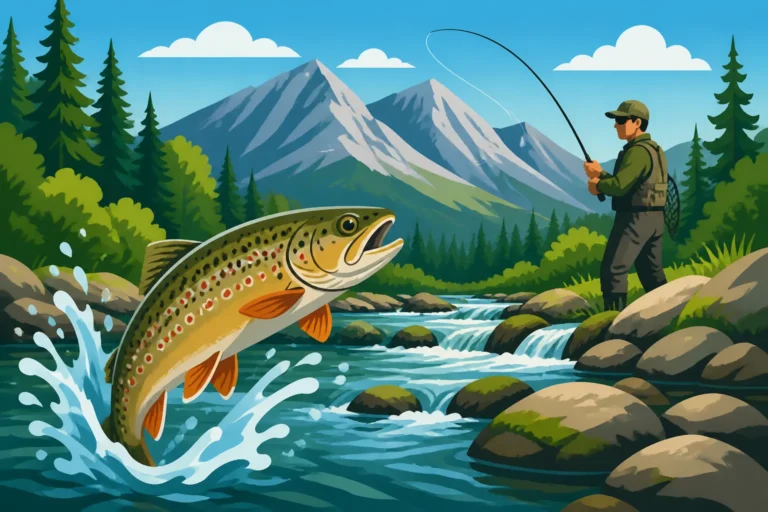
For many, Lake Umbagog is synonymous with the pursuit of a true trophy brook trout. These vibrant, colorful fish, often growing larger here than in many other New Hampshire waters, are a testament to the lake's pristine conditions and abundant food sources. Anglers often spend years refining their techniques specifically for these elusive gems. But Umbagog’s appeal doesn’t stop there. Imagine the thrill of hooking into a powerful landlocked salmon as it rips line from your reel, or feeling the heavy thud of a deep-dwelling lake trout. The lake's robust populations mean that while specific regulations vary, the opportunity to encounter true lunkers is always present. Don't forget the smallmouth bass either; they thrive in the rocky areas and submerged structures, offering exhilarating topwater action during warmer months. The diversity ensures that no matter your preferred target species or fishing method, Umbagog has something exceptional to offer. If you're looking for more details on New Hampshire's fish populations, our guide on Brook Trout: New Hampshire's Native Trout delves deeper into these amazing fish.
Unlocking Public Access: Umbagog Lake State Park and Beyond
Accessing a lake as remote and expansive as Umbagog can sometimes feel like solving a puzzle. Unlike many other major lakes in New Hampshire that have multiple municipal boat launches and public shorelines, Umbagog's wild nature means that public access points are fewer and further between, making the existing ones incredibly valuable. Knowing precisely where to go and what to expect is crucial for a smooth and enjoyable trip.
Umbagog Lake State Park: The Primary Public Gateway
Without a doubt, the most reliable and amenity-rich public fishing access on the New Hampshire side of Lake Umbagog is through Umbagog Lake State Park in Errol, near Cambridge, NH. This park truly is the gateway for most anglers looking to experience the lake's incredible fishing.
- Boat Launch Facilities: The state park offers a well-maintained public boat launch that can accommodate a wide range of watercraft, from small fishing boats and jon boats to larger trailered vessels. This is a crucial feature, especially given the lake's size and the often choppy conditions that can arise. The launch has ample parking, which is a huge relief when you're trying to get on the water early in the morning.
- Shore Fishing Opportunities: While Umbagog is best explored by boat, the state park does offer some limited shore fishing opportunities, particularly around the campground and day-use areas. Anglers might find success casting from docks or accessible stretches of shoreline, especially during the spring and fall when fish are often closer to the banks. It’s a great option for a casual outing or for those without a boat.
- Camping and Amenities: Beyond just launching your boat, the state park provides fantastic amenities. There are campsites available, ranging from tent sites to cabin rentals, which makes planning a multi-day fishing trip much easier. Having a base camp right on the lake allows for early starts and late finishes, maximizing your time on the water. The park also features restrooms, picnic areas, and sometimes even a small store or visitor center, adding to the convenience in this remote region. For longer stays, understanding the local New Hampshire Boating Laws for Anglers is paramount to ensure your trip is both fun and compliant.
Exploring Other Potential Access Points and Their Limitations
While Umbagog Lake State Park is the main public hub, relying solely on it can sometimes miss out on nuances. Other "access" points are generally much more primitive, if they exist at all on the New Hampshire side.
- Remote Carry-In Spots: For intrepid canoe or kayak anglers, there might be a few unofficial, unimproved pull-offs or small clearings along roads like Route 26 (heading towards Maine) that could allow for a carry-in launch. However, these are often unmarked, have limited or no parking, and can involve navigating challenging terrain. They're not for the faint of heart or those with heavy gear. Always be mindful of private property when seeking out these informal spots.
- Access via Maine: It's worth noting that Lake Umbagog also extends into Maine, and there are additional access points on that side, such as the boat launch in Upton, Maine. If you're venturing into the Maine section, remember that different licensing and regulations will apply, so be sure to check the Maine Inland Fisheries & Wildlife rules.
- Private Establishments: Some private camps, lodges, or rental properties around the lake might offer their guests private access or boat launches. If you're staying at such an establishment, this can be a fantastic way to get on the water directly from your accommodation. However, these are not public access points and are restricted to guests.
Considerations for Kayak and Canoe Anglers
Kayak and canoe fishing on Lake Umbagog is a truly incredible experience, offering quiet stealth and access to shallower coves and marshy areas that larger boats might struggle with. The primary public access at Umbagog Lake State Park is perfectly suitable for launching kayaks and canoes, often with dedicated parking closer to the water.
- Portability is Key: For those looking to explore truly remote sections, a lightweight kayak or canoe that can be easily portaged from a roadside pull-off is ideal. Inflatable kayaks or pack rafts can also be excellent choices for hard-to-reach spots, but remember the vastness of Umbagog can make long paddles challenging in windy conditions.
- Safety First: Because Umbagog is a large, open lake, it can get very windy very quickly, creating significant waves. Kayak and canoe anglers must prioritize safety. Always check the weather forecast, wear your personal flotation device (PFD), and consider using a marine radio or satellite communicator. Our guide on Life Jacket Requirements for New Hampshire Boaters is a must-read for all paddlers.
- Mapping and Navigation: With countless coves, islands, and marshy inlets, it’s easy to get disoriented on Umbagog. A reliable GPS unit, detailed charts, or a fishing app on your phone (with downloaded offline maps) is essential for navigation. Many anglers find great success using digital tools to mark promising fishing spots or to simply find their way back to their launch point.
| Access Point | Type of Access | Suitable For | Amenities | Notes |
|---|---|---|---|---|
| Umbagog Lake State Park (NH) | Boat Launch & Shore | Trailered Boats, Kayaks, Canoes | Camping, Restrooms, Docks | Primary public access, highly recommended. |
| Unofficial Pull-offs (NH) | Carry-In Shore | Kayaks, Canoes (small, lightweight) | None | Limited parking, often challenging terrain. |
| Upton Boat Launch (ME) | Boat Launch | Trailered Boats, Kayaks, Canoes | Restrooms | Located in Maine, requires ME fishing license. |
Mastering Umbagog: Species, Seasons, and Strategic Fishing
Once you’ve successfully gained access to Lake Umbagog, the real adventure begins: understanding how to fish this unique ecosystem effectively. It’s not just about getting a line in the water; it’s about knowing what fish to target, when they’re most active, and what techniques are most likely to bring success in this wild setting.
Top Species to Target and Their Habits
Lake Umbagog offers a fantastic multi-species fishery, each with its own preferred habitat and behavior.
- Brook Trout ( Salvelinus fontinalis ): Umbagog is renowned for its wild brook trout. These native beauties thrive in the lake's cool, oxygen-rich waters, especially near spring inlets, deeper sections, and along the margins of the river connections. They are often found shallower in spring and fall, moving deeper as water temperatures rise in summer. Small spoons, spinners, or traditional fly patterns (like Woolly Buggers, Gray Ghosts) are excellent choices. Trolling small lures or flies is also very effective.
- Landlocked Salmon ( Salmo salar ): These powerful, acrobatic fish are a top draw for many Umbagog anglers. Salmon feed heavily on smelt and other baitfish, so finding schools of bait is key. They typically inhabit the deeper, cooler parts of the lake during summer, often suspending in the water column. In spring (post-ice out) and fall (pre-spawn), they move shallower, making them accessible to a wider range of techniques. Trolling spoons, streamer flies, or live bait (like smelt) with lead core line or downriggers is the most common method. Looking for more details on these powerful fish? Check out our article on Landlocked Salmon Fishing in New Hampshire.
- Lake Trout ( Salvelinus namaycush ): The "lakers" of Umbagog are a formidable opponent, known for their immense size and deep-water habits. They are primarily a cold-water species, so during the warmer months, they will be found in the deepest basins of the lake, often near structure. In spring and fall, they might move into shallower rocky areas. Heavy jigging spoons, tubes, or large baits fished on or near the bottom are effective. Trolling large spoons or stickbaits at considerable depths using downriggers is also popular. You can find more information about these deep-water predators in our comprehensive guide to Lake Trout Fishing in New Hampshire.
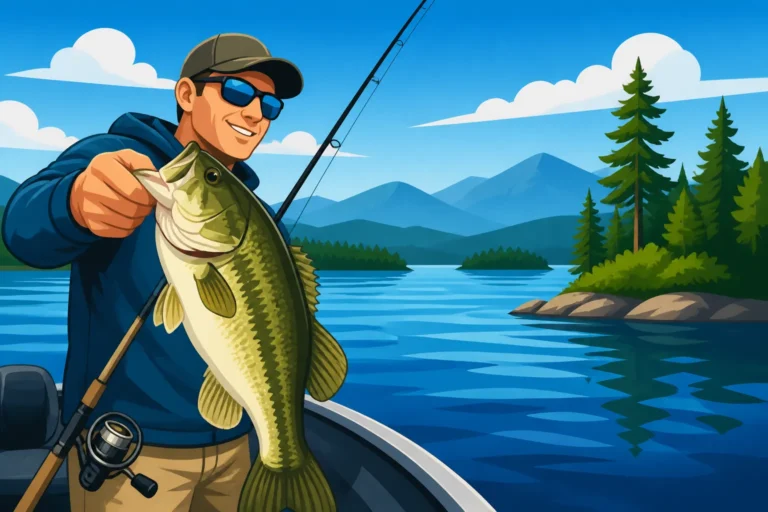
- Smallmouth Bass ( Micropterus dolomieu ): Umbagog’s rocky points, humps, and submerged timber provide ideal habitat for smallmouth bass. These aggressive fighters are a blast to catch, especially on topwater lures during low-light conditions or spinnerbaits and crankbaits during the day. They are active from spring through fall, and their hard fighting nature makes them a favorite for many. In summer, they'll often relate to deeper structure. If you are a bass enthusiast, our guide on Smallmouth Bass Fishing in New Hampshire offers even more insights.
- Chain Pickerel ( Esox niger ): Often overlooked but incredibly fun, chain pickerel are abundant in Umbagog's weedy bays and shallow marshy areas. They are ambush predators and will readily strike spinnerbaits, spoons, or live minnows. They provide consistent action and are a great target for younger anglers or when other species are slow. Find out more about them in our Chain Pickerel Fishing in New Hampshire guide.
Seasonal Approaches for Maximum Success
Umbagog’s fishing opportunities shift dramatically with the seasons, making year-round angling an exciting possibility if you adapt your approach.
- Spring (Ice-Out to Late May): This is prime time for cold-water species. As soon as the ice leaves, brook trout, landlocked salmon, and lake trout become very active and are often found in shallower water, making them more accessible. Trolling along shorelines, casting spoons from shore, or fly fishing near river mouths can be highly productive. Water temperatures are cool, and fish are hungry after winter.
- Summer (June to August): As water temperatures rise, the cold-water species typically retreat to deeper, cooler sections of the lake. This means deeper trolling or jigging for salmon and lake trout. Smallmouth bass, however, are in their prime during summer, offering fantastic topwater action in the mornings and evenings, and moving to deeper structures during midday. Panfish are also very active and can be found in shallower, weedy areas.
- Fall (September to November): This is arguably one of the most beautiful and productive times to fish Umbagog. Cold-water species, particularly landlocked salmon and brook trout, become very aggressive as they prepare for spawning. They move back into shallower waters, making them excellent targets for trolling, casting, and fly fishing. Fall foliage provides a stunning backdrop to already fantastic fishing.
- Winter (Ice Fishing: December to March): Lake Umbagog is a popular ice fishing destination. Once the ice is safely thick enough (always check local conditions and ice reports!), anglers target lake trout, brook trout, landlocked salmon, pickerel, and various panfish through the ice. Tip-ups with live bait are effective for trout and salmon, while jigging smaller lures works well for panfish and even some pickerel. Ensure you understand New Hampshire Ice Fishing Regulations by Water Body before heading out.
Essential Gear for Remote Umbagog Fishing
Given the remote nature of Umbagog and its varied species, a thoughtful approach to gear is crucial. You’re not likely to find a tackle shop just around the corner.
- Boat Type: For serious fishing, a sturdy boat capable of handling large lake conditions is recommended. V-hull boats, aluminum fishing boats, or even smaller bass boats are common. For exploring shallow coves and river sections, a jon boat or a stable fishing kayak is excellent. Check out our guide on Best Boats for New Hampshire Lakes and Rivers for more details.
- Rods and Reels: Bring a variety. A medium-heavy spinning or casting setup for bass and pickerel, a medium-action rod for trolling lighter baits for salmon and trout, and a heavier setup if you're specifically targeting deep lake trout or plan on using downriggers. Fly anglers will want a 6-8 weight rod for larger trout and salmon streamers.
- Tackle Selection:
- Lures: Spoons (Krocodile, Mooselook Wobbler), crankbaits (Rapala, Rebel), spinners (Mepps, Panther Martin), soft plastics (tubes, worms for bass), bucktail jigs, and some topwater lures.
- Live Bait: Minnows (especially smelt if legal and available) are deadly for salmon and lake trout. Worms are great for panfish and stocked trout.
- Flies: Streamers (Gray Ghost, Black Ghost, Smelt patterns), nymphs, and some dry flies for brook trout.
- Navigation and Safety: GPS unit, marine radio, emergency kit, extra fuel, plenty of water and snacks, appropriate clothing layers, and sun protection. Given the remote nature, it’s always a good idea to inform someone of your plans and expected return time. If you're unsure about navigating Umbagog's vastness or finding the hotspots, consider hiring a local guide. Platforms like FishingBooker can connect you with experienced Umbagog fishing guides who know the lake like the back of their hand, ensuring a safer and more productive trip. These local experts, often listed on FishingBooker, can shave years off your learning curve on such a complex lake.
Responsible Angling and Staying Safe on Umbagog's Waters
Fishing on Lake Umbagog is a privilege that comes with the responsibility of adhering to regulations and practicing good wilderness ethics. Its remote setting also demands a heightened awareness of safety.
Navigating New Hampshire's Fishing Regulations
Before you even cast a line, it is absolutely essential to familiarize yourself with the current New Hampshire fishing regulations. These rules are put in place by the New Hampshire Fish and Game Department to protect fish populations and ensure sustainable fishing for future generations.
- Fishing License: A valid New Hampshire fishing license is required for all anglers age 16 and older. If you plan to fish any part of the lake that extends into Maine, you'll need a Maine fishing license as well. You can often purchase these licenses online through the NH Fish and Game website or from authorized agents. Our comprehensive guide, New Hampshire Fishing License Guide for 2026, can walk you through the entire process.
- Special Regulations: Lake Umbagog often has specific regulations regarding bag limits, length limits, and season dates that can vary by species. For instance, there might be specific slot limits for bass or daily limits for brook trout. Always consult the most recent New Hampshire Freshwater Fishing Digest, which is available online or at license vendors. This digest will also cover any New Hampshire Trout Stocking and Fishing Rules that might apply to the area.
- Boundary Water Rules: Fishing on the border between New Hampshire and Maine can sometimes be tricky. Generally, if you are fishing in waters within New Hampshire’s geographical bounds, you adhere to NH rules. If you drift into Maine, Maine's rules apply. Always be aware of your location. A local guide, easily found on FishingBooker, can provide invaluable insight into these specific boundary water rules and help you navigate them seamlessly.
Wilderness Ethics and Safety First
Umbagog is a wild place, and treating it with respect and prioritizing safety is paramount.
- Leave No Trace: Pack out everything you pack in. This includes all trash, fishing line, and food waste. Avoid disturbing wildlife, and leave the natural environment as pristine as you found it. This simple ethic helps preserve the lake's unique wilderness character.
- Weather Awareness: Weather on a large lake like Umbagog can change rapidly and dramatically. Strong winds can whip up dangerous waves in a matter of minutes. Always check the forecast before heading out, and be prepared to cut your trip short if conditions deteriorate. Carry appropriate rain gear and extra layers.
- Navigation and Communication: Given the limited cell service in this remote region, relying solely on your phone for navigation or emergencies is risky. Carry a physical map and compass, a dedicated GPS unit, and consider a satellite communication device (like a Garmin inReach or Spot device) for emergencies.
- Boat Safety: Ensure your boat is in good working order and has all required safety equipment, including properly fitting life jackets for everyone on board. Have a functional bilge pump, anchor, paddles, and a fire extinguisher. Always let someone know your float plan – where you're going and when you expect to return. This simple step can be a lifesaver in a remote area. Our article on New Hampshire Boating Laws for Anglers is a great resource for understanding all the mandatory safety requirements.
Lake Umbagog offers a truly unforgettable fishing experience, a chance to connect with nature on a deeper level and pursue some of New Hampshire's most prized fish. By understanding how to access its waters responsibly, knowing what to target, and prioritizing safety, you're set for an incredible adventure in one of New England's last great wild places. Tight lines!
Disclaimer
Please note that fishing regulations, access points, and conditions can change. Always consult the latest New Hampshire Fish and Game Department regulations and local advisories before planning your fishing trip to Lake Umbagog. Safety should always be your top priority when venturing into remote wilderness areas.