Best fall fishing spots in New Hampshire
The leaves are changing, the air is crisp, and you're probably dreaming of those picture-perfect New Hampshire fall fishing days. It sounds like something out of a magazine, right? But let's be honest, knowing exactly where to go when the conditions are constantly shifting, and the fish are making their pre-winter moves, can feel like a real puzzle. This guide is here to cut through the guesswork, helping you pinpoint the very best fall fishing spots across the Granite State for an unforgettable autumn angling experience.
Why Fall Fishing in New Hampshire is Both Incredible and Challenging
You've probably heard the whispers about fall fishing in New Hampshire—crisp air, vibrant foliage, and fish feeding aggressively before winter. It sounds idyllic, and often, it truly is. There's a magic to being out on the water with the mountains ablaze in color, feeling that chill in the air as you anticipate a bite. But let's be real, it's not always a postcard moment. The weather can be wildly unpredictable, going from Indian summer warmth to biting cold in a single day. Figuring out where the fish are hiding as water temperatures drop and baitfish scatter can feel like chasing ghosts, which is a common frustration for many anglers.
The Changing Landscape and Fish Behavior
Fall is a season of profound change, and nowhere is this more evident than in New Hampshire's lakes and rivers. As the days shorten and air temperatures plummet, water temperatures follow suit. This cooling trend, particularly after the warmth of summer, is a huge trigger for many fish species. For cold-water fish like trout and salmon, the increased oxygen levels and comfortable temperatures mean they become much more active, often moving into shallower waters to feed more aggressively. They're trying to pack on weight for the lean winter months ahead, making them more susceptible to well-presented baits and lures.
Warm-water species like bass also feel the shift. While they might move deeper during the summer heat, the fall cool-down often brings them back to shallower structures, rocky points, and weed lines as they chase baitfish that are also schooling up. This means you might find large schools of bass feeding voraciously, offering some of the year's best action. However, these movements can be rapid; what worked last week might not work today if a strong cold front has pushed through. Understanding these behavioral shifts is key to unlocking fall fishing success.
Navigating Variable Weather Conditions
One of the biggest hurdles and sometimes most validating frustrations of fall fishing in New Hampshire is the incredibly variable weather. You could wake up to a heavy frost, experience a sunny, T-shirt-worthy afternoon, and then be hit with an icy rain shower by evening. Sudden cold snaps can dramatically slow down a bite, pushing fish deeper or making them less willing to chase. High winds, common in fall, can make boat control difficult on larger lakes and create choppy conditions that are not only uncomfortable but also make it harder to detect subtle bites.
It's crucial to be prepared for anything. Layering your clothing is non-negotiable—think moisture-wicking base layers, insulating mid-layers, and a waterproof, windproof outer shell. Insulated boots and warm gloves are also essential, especially for those early morning starts. Always check the forecast right before you head out, and be willing to adjust your plans. Sometimes, a sunny, calm day after a few days of cold rain can be absolute magic, as the fish rebound and feed heavily. Flexibility in your choice of location and technique, based on the immediate conditions, will significantly improve your chances.
Top Lakes for Fall Landlocked Salmon and Lake Trout
For many of us, fall fishing means one thing: the hunt for New Hampshire's most magnificent cold-water gamefish – the landlocked salmon and lake trout. These fish, which can be elusive at other times of the year, often become incredibly active as the water cools, rising from the thermocline and moving closer to areas where their favorite forage, like rainbow smelt, are congregating. But where do you even start on these massive lakes to find these elusive predators? It’s a challenge that draws many anglers to the big water.
Lake Winnipesaukee's Deep Water Opportunities
Lake Winnipesaukee, New Hampshire's largest lake, is a renowned fall destination for both landlocked salmon and lake trout. As the lake's vast expanse cools, lake trout begin to move up from their deep summer haunts, sometimes as shallow as 20-40 feet, to feast on schools of smelt. This makes them much more accessible to anglers than during the dog days of summer. Trolling with downriggers or lead core line using small spoons, like Mooselook Wobblers or Winnipesaukee Smelt spoons, or stickbaits, can be incredibly effective. Consider trying silver or blue patterns that mimic smelt. The areas around The Broads, the deeper sections near Bear Island, or the channels between islands often hold concentrations of baitfish and, consequently, hungry lake trout. You might even find them hitting jigs if you can locate deep schooling bait.
Landlocked salmon on Winnipesaukee also become more active in the fall, often chasing baitfish near the surface during low-light conditions or even throughout the day on overcast days. Watch for splashes or "jumps" where they're feeding on bait. Trolling bright, flashy spoons or small, natural-colored stickbaits like Rapalas just below the surface, or even flat-lining, can yield exciting strikes. For a comprehensive overview of tactics and spots, check out our dedicated guide on Lake Winnipesaukee Fishing Guide. Remember that while catch and release is common, understanding How to Catch Lake Trout in New Hampshire and How to Catch Landlocked Salmon in New Hampshire effectively will improve your success.
Sunapee and Newfound Lakes for Salmon Action
Beyond Winnipesaukee, Lake Sunapee and Newfound Lake are two other jewels of New Hampshire's fall salmon fishery. Both are deep, clear lakes with excellent populations of landlocked salmon, which become particularly aggressive in autumn. On Sunapee, salmon will often concentrate around structure, drop-offs, and areas where tributaries enter the lake, especially after heavy rains which might draw them towards spawning grounds. Trolling with various sized spoons, like Sutton Spoons or local favorites, at varying depths is the primary method. Often, the salmon will cruise the upper 20 feet of the water column.
Newfound Lake is another fantastic spot, known for its pristine waters and healthy salmon population. Here, too, salmon will be feeding heavily. Look for points, underwater islands, and steep breaks where baitfish are likely to congregate. Early morning and late afternoon are often the most productive times, but on overcast days, the bite can extend throughout the day. Using light tackle and long fluorocarbon leaders can be crucial in these clear waters to fool wary salmon. Don't forget that fish location can change daily, so employing a fish finder to locate bait schools will give you a significant advantage. If you're looking to book a guide for an unforgettable fall salmon outing on these waters, you might find a local expert through platforms like FishingBooker, helping you pinpoint these specific hot spots.
Prime Rivers and Ponds for Fall Trout and Bass
While the big lakes get a lot of attention for their impressive salmon and lake trout, don't overlook our rivers and smaller ponds! They offer a completely different, often more intimate, fall fishing experience. Sometimes, the thought of wrestling with a big boat on a chilly lake isn't appealing, and that's when a quiet river or a secluded pond truly shines. The challenge here is knowing which ones have consistent fall action beyond the immediate post-stocking frenzy, which can be short-lived. Many anglers appreciate the solitude and the opportunity to wade or use a kayak in these more accessible locations.
Merrimack and Connecticut River Bass Bites
New Hampshire's larger rivers, such as the Merrimack River and sections of the Connecticut River, offer phenomenal fall smallmouth bass fishing. As water temperatures drop, these bronzebacks become incredibly aggressive, trying to gorge themselves before winter. They'll often school up in deeper pools, around rocky points, current breaks, and bridge abutments, where baitfish are also seeking refuge or migrating. This means you can find concentrations of fish in relatively small areas.
Fishing these rivers in the fall requires slightly different tactics than lake fishing. Look for current seams, eddies, and submerged structure. Crankbaits that dive to different depths, jigs fished slowly along the bottom, or even tube baits can be incredibly effective. For those who enjoy a fight, a good-sized smallmouth on a river current in the fall is a memorable experience. You can find excellent public access points along both rivers for wade fishing or launching smaller boats and kayaks. To really dial in your river bass game, explore our guide on How to Catch Smallmouth Bass in New Hampshire Lakes and apply those principles to river environments. Also, pay attention to the New Hampshire Bass Catch-and-Release Season, Explained for specific regulations that may apply during the fall.
Hidden Gems: Stocked Ponds and Mountain Streams
Fall is a glorious time to target trout in New Hampshire, especially with the state's robust fall stocking program. The New Hampshire Fish and Game Department typically releases thousands of brook, rainbow, and brown trout into numerous ponds and rivers across the state in the autumn months. These stocked waters, often easily accessible, can provide immediate and exciting action. Look for smaller ponds that are deep enough to sustain trout through the summer but have cooled sufficiently for the fish to become active feeders. Popular spots include many of the state park ponds or smaller municipal ponds. Using PowerBait, worms, or small spinners like Mepps or Panther Martins can be highly effective for these freshly stocked fish. For details on where and when these fish are released, always consult the New Hampshire Trout Stocking and Fishing Rules and their online stocking reports.
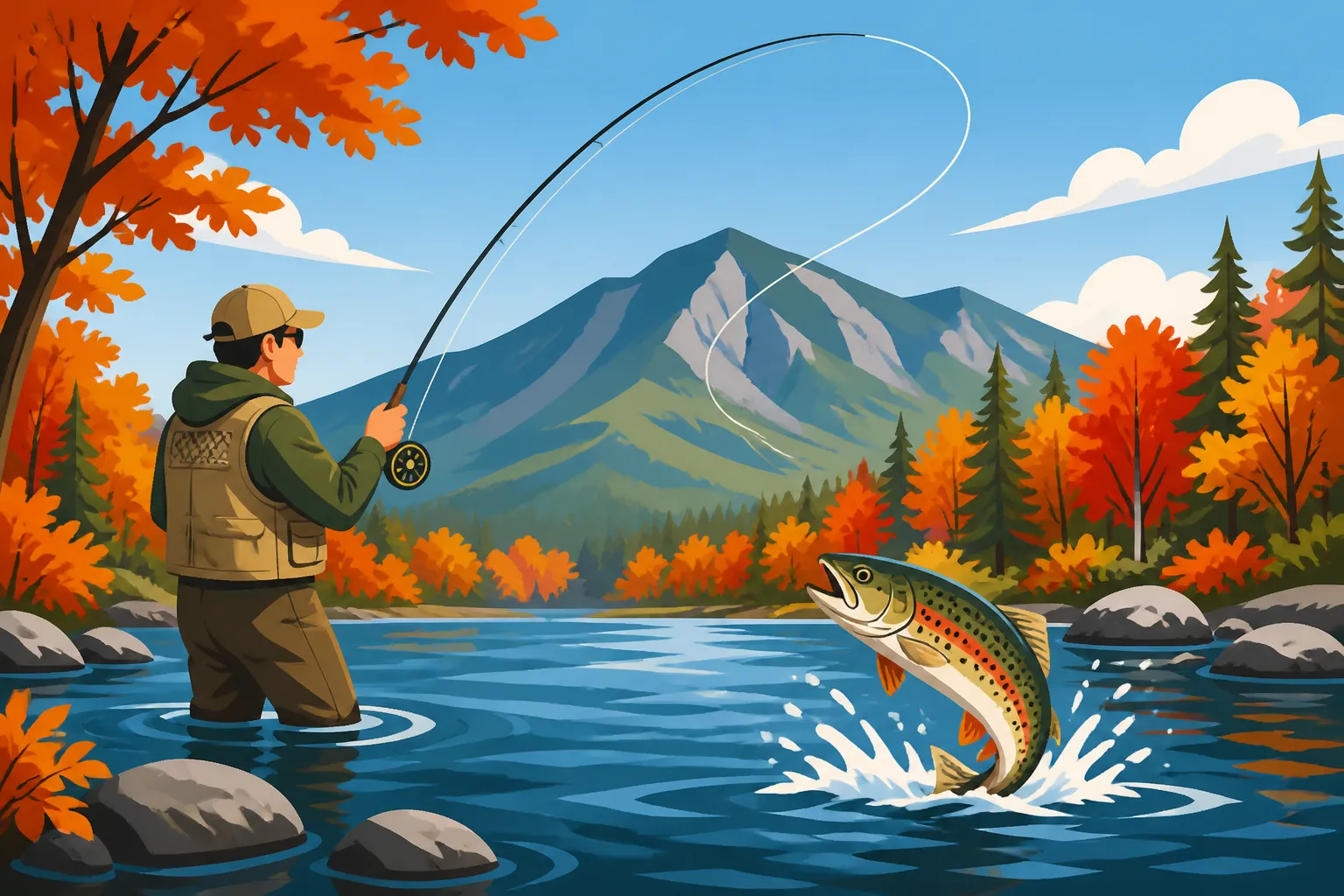
Beyond the stocked waters, New Hampshire's mountain streams, particularly those in the White Mountains region, offer incredible opportunities for brook trout. As fall progresses, the native brookies become more vibrant in their spawning colors and incredibly active. These smaller, freestone streams require a different approach—think light fly rods, small spinners, or even just a worm under a bobber. The sheer beauty of fly fishing for wild brook trout amidst the fall foliage is an experience unlike any other. For those who enjoy a more serene and challenging angling experience, exploring these hidden gems is highly recommended. Our guide to Fly Fishing for Trout in New Hampshire offers fantastic advice for these intimate waters.
Planning Your Fall Fishing Adventure
Okay, so you've got your spots in mind, but how do you really make a fall trip successful? It's not just about showing up; it's about preparation and having the right tools for the conditions. Too many times, I've seen anglers cut their day short because they weren't ready for a sudden weather shift or didn't have the right tackle for the fall bite. A little planning goes a long way in ensuring comfort, safety, and ultimately, a more productive day on the water.
Essential Gear and Techniques for Autumn Angling
Beyond the layers of clothing we discussed, your gear setup needs to be optimized for fall conditions. For cold-water species like salmon and lake trout, consider having a good selection of spoons and stickbaits that mimic smelt. Varying sizes and colors, especially silver, blue, and chartreuse, can be crucial. If you're trolling, make sure your downriggers are in good working order and you have fresh line. For jigging, a variety of jigging spoons and soft plastics can be effective, especially for lake trout holding on structure. You can find excellent suggestions in our Best Lures for Lake Trout Trolling article.
For bass and river trout, crankbaits, jigs, and even certain topwater lures (on warmer fall days) can be deadly. Small spinners are always a classic for trout. Remember that fish can be sluggish in very cold water, so a slower retrieve might be necessary. Also, ensure you have a good quality landing net, especially for larger fish, and a pair of pliers for easy, safe hook removal. A thermos with a hot beverage can be a lifesaver on chilly mornings, and don't forget a first-aid kit for any minor mishaps.
| Fish Species | Preferred Fall Habitat | Recommended Fall Techniques | Key Lures/Baits |
|---|---|---|---|
| Landlocked Salmon | Deep, clear lakes (Winnipesaukee, Sunapee, Newfound) | Trolling, Casting near surface/drop-offs | Small spoons (smelt patterns), Stickbaits, Flies |
| Lake Trout | Deep lakes (Winnipesaukee, Squam, Newfound) | Trolling, Deep Jigging | Large spoons, Tube jigs, Live smelt |
| Smallmouth Bass | Rivers (Merrimack, Connecticut), Rocky lake points | Casting, Jigging, Crankbaiting | Crankbaits, Tube jigs, Grubs, Spinnerbaits |
| Rainbow/Brown Trout | Stocked ponds & rivers, Larger streams | Bait fishing, Spin fishing, Fly fishing | PowerBait, Worms, Spinners, Streamer/Nymph flies |
| Brook Trout | Mountain streams, Remote ponds | Fly fishing, Light spin fishing | Dry flies, Nymphs, Small spinners, Worms |
Finding Local Expertise and Resources
Even with the best information, local knowledge is invaluable. Consulting the New Hampshire Fish and Game Department's website is always a great first step. They offer updated stocking reports, regulation summaries, and maps of public access points. Reading the New Hampshire Freshwater Fishing Digest is also crucial to ensure you're compliant with all current rules, especially since fall often brings specific seasonal changes or closures.
Sometimes, the best way to crack the code on a new water body, especially in the challenging fall, is to go with a local expert. Websites like FishingBooker can be an invaluable tool for finding experienced fishing guides in New Hampshire who specialize in fall techniques for salmon, trout, or bass. These guides not only know the prime locations but also the subtle nuances of fish behavior based on real-time conditions. If you're planning a trip from out of state or just want to maximize your chances, booking a guide through a reputable platform like FishingBooker can turn a good trip into an unforgettable one. They can provide insights into current patterns, suggest the Best Baits for Smallmouth Bass on Winnipesaukee, or help you navigate tricky waters, truly enhancing your adventure. You can even check out reviews of various charters and captains on FishingBooker to ensure you're choosing someone with a proven track record for fall success.
Remember, fall fishing in New Hampshire is a fleeting, beautiful opportunity. The fish are often at their most vibrant, and the scenery is simply breathtaking. By understanding the unique challenges and opportunities this season presents, and by leveraging the right resources, you're well on your way to a successful and memorable autumn on the water.
Disclaimer
Please be aware that fishing regulations in New Hampshire can change. Always consult the latest New Hampshire Fish and Game Department regulations before heading out. This guide is for informational purposes only and does not replace official legal documents or professional advice. Fishing inherently carries risks; always prioritize safety on the water.