Best lake trout spots on Lake Winnipesaukee
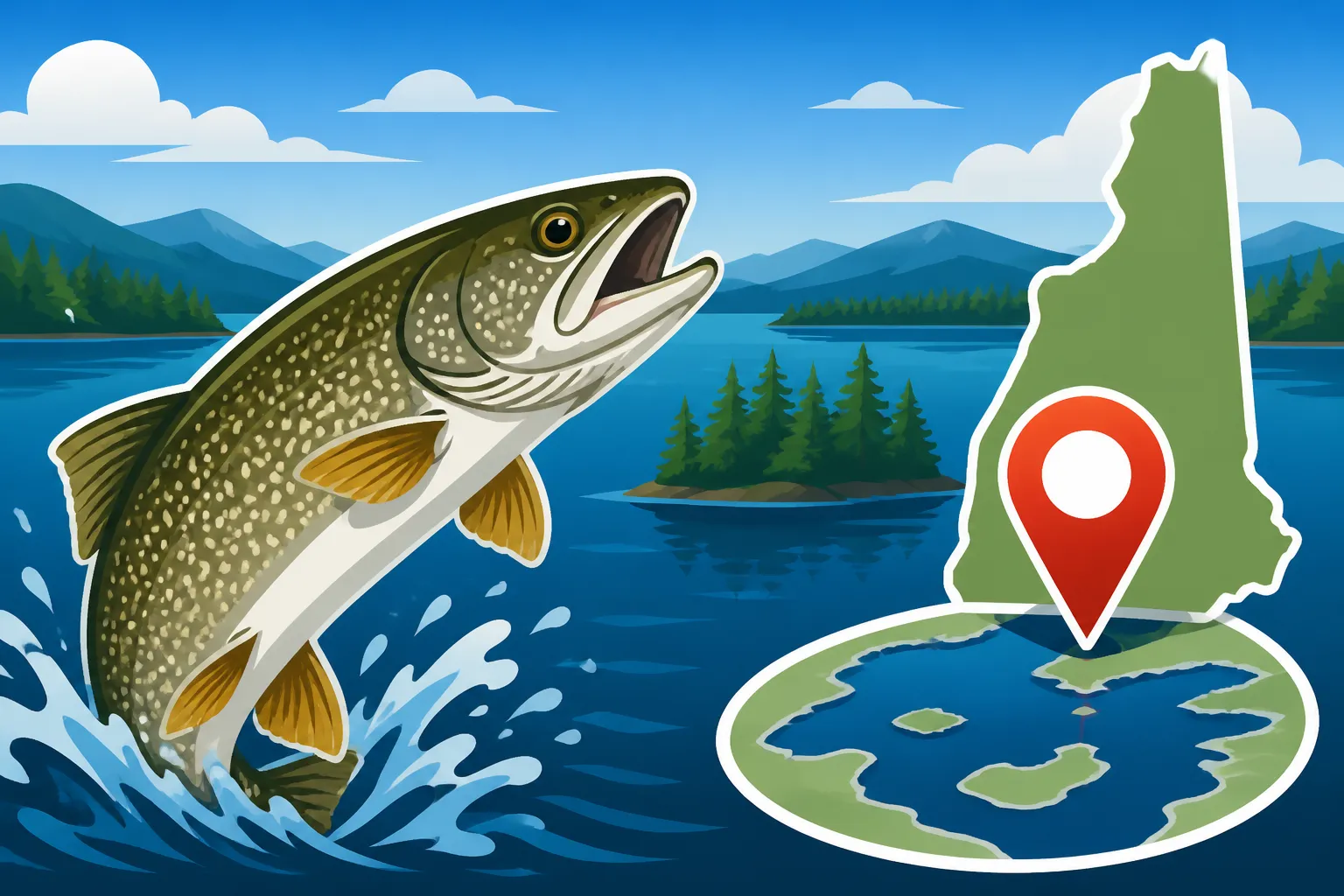
It’s no secret that Lake Winnipesaukee is a jewel of New Hampshire, a vast and stunning body of water that offers incredible opportunities for anglers. But when you’re staring at over 70 square miles of water, figuring out where to even begin your hunt for elusive lake trout can feel like searching for a needle in a haystack. This guide is dedicated to helping you unravel the mysteries of Winnipesaukee, pinpointing the best lake trout spots, and equipping you with the knowledge to make your next fishing trip a resounding success.
Understanding Lake Winnipesaukee's Lake Trout Habitat
Lake trout, often called "lakers" by the locals, are cold-water creatures. They thrive in deep, oxygen-rich environments and follow their primary food source – rainbow smelt. To consistently find them on a lake as immense as Winnipesaukee, you need to understand why they are where they are. It’s not just about dropping a line anywhere deep; it’s about understanding their seasonal movements, preferred structures, and feeding patterns.
The Allure of Deep Water Structure
Lake Winnipesaukee is renowned for its complex underwater topography. We’re talking about massive, deep basins, dramatic drop-offs, underwater humps, and rock piles that stretch for miles. These aren't just random features; they are crucial highways and feeding grounds for lake trout. Lakers use these structures for ambush points, for cover from predators (though they don't have many natural ones in Winnipesaukee), and for navigating the vast depths. A sharp break from 30 feet down to 80 feet, especially if it’s rocky, is a prime candidate for holding fish. These contours offer both the cold water lake trout crave and the structure that baitfish, like smelt, will cling to. Understanding how to read a good contour map or your boat's fish finder is absolutely essential here.
Following the Forage: Rainbow Smelt
If there’s one golden rule for catching lake trout on Winnipesaukee, it’s "find the smelt, find the lakers." Rainbow smelt are the lifeblood of the lake trout population here. These small, silvery baitfish congregate in schools, often near structure or suspended in the water column. Lake trout are constantly on the prowl for these schools. When you mark large schools of bait on your sonar, especially near deep water, you can bet that hungry lake trout are likely lurking nearby, ready to strike. The smelt themselves are often found at specific depths depending on the time of year and water temperature, which brings us to our next point.
Temperature Preferences and Oxygen Levels
As cold-blooded fish, lake trout are highly sensitive to water temperature. Their ideal range is typically between 45 and 55 degrees Fahrenheit. In the spring and fall, when the lake's water column is relatively uniform, they might be found shallower. However, during the scorching New Hampshire summer, a thermocline forms – a distinct layer where warm surface water meets cold deep water. Lake trout will stack up just above, within, or just below this thermocline, seeking out that perfect temperature band and higher oxygen levels. In Lake Winnipesaukee, this thermocline typically sets up somewhere between 25 and 45 feet deep, varying slightly depending on the specific area and how hot the summer has been. Knowing this crucial depth can save you hours of unproductive fishing.
Top Lake Trout Hotspots on Winnipesaukee
Given its immense size, Lake Winnipesaukee has numerous areas that consistently produce lake trout. These aren't just random spots; they're regions characterized by deep water, complex structure, and a reliable presence of forage. While every angler has their secret honey hole, these larger areas are where most successful laker hunts begin.
The Broads: Deep Water Dominance
Hands down, if you're talking about deep water lake trout on Winnipesaukee, you're talking about The Broads. This massive, central basin is where the lake plummets to its deepest point, reportedly over 180 feet in some areas. This vast expanse of cold, deep water is perfect for lake trout, especially during the summer months when they retreat from the warmer shallows. The Broads isn't just one spot; it's a huge area, stretching from near Center Harbor all the way down towards Wolfeboro and Alton Bay.
When fishing The Broads, focus on the steepest drop-offs and the edges of the deepest basins. Many anglers will troll long distances here, covering water between areas like Little Bear Island, Cow Island, and Eagle Island, paying close attention to their sonar for signs of baitfish schools or suspended trout. It’s a bit like searching for a needle in a very large, deep haystack, but when you hit a school, the action can be furious. You can find detailed information on this area in our Lake Winnipesaukee Lake Trout Fishing guide.
Center Harbor and Meredith Bay Deeps
While Center Harbor and Meredith Bay are often thought of as shallower, more populated areas, they also contain critical deep water channels and drop-offs that hold lake trout. Specifically, look for the deeper sections of Meredith Bay as it transitions into The Broads, particularly south of Meredith Neck. There are distinct channels and humps here that offer excellent structure.
These areas can be particularly productive in the spring and fall, when fish might be a bit shallower before or after the thermocline fully sets up. During ice fishing season, the deeper sections of Meredith Bay can also be very popular, with anglers setting up shanties over known humps and channels. Many guides listed on platforms like FishingBooker often target these areas due to their accessibility and consistent fish presence.
Long Island and Bear Island Structures
Moving further south, the areas around Long Island and Bear Island are also phenomenal for lake trout. This region is characterized by an abundance of underwater structure – ledges, humps, and rock piles that rise from significant depths. These structures act as magnets for both baitfish and the lake trout that prey on them.
Consider the deeper troughs and points around Long Island, especially on its eastern and southern flanks where it drops off into The Broads. Near Bear Island, look for isolated humps and sudden depth changes. These aren't always easily visible on a standard chart, so a good fish finder with detailed mapping capabilities is a huge asset. These structural elements provide excellent ambush points for lakers and can concentrate fish in relatively smaller areas compared to the vastness of The Broads.
Alton Bay and Wolfeboro Bay Deep Channels
Alton Bay and Wolfeboro Bay, while offering plenty of shallow areas for other species, also provide access to deep water channels that lead into the main lake. For lake trout, focus on the mouths of these bays and the adjacent deeper waters. In Alton Bay, the area where the bay opens up towards the main lake, particularly the channel running parallel to the eastern shore, can be very productive.
Similarly, in Wolfeboro Bay, the deep water leading out towards The Broads is key. These channels often have subtle depth changes and rocky bottom compositions that attract smelt and, subsequently, lakers. During the colder months, these areas can concentrate fish as they move closer to shore for spawning or feeding opportunities.
Here’s a quick overview of some prime areas:
| Hotspot Name | General Location | Key Characteristics | Best Seasons | Primary Method |
|---|---|---|---|---|
| The Broads | Central Lake | Deepest water, vast basins, large smelt schools | Year-round, especially summer and winter | Trolling, Jigging |
| Meredith Bay Deep Water | Southern Meredith Bay | Deep channels, humps, transitions to The Broads | Spring, Fall, Winter Ice Fishing | Trolling, Jigging |
| Long Island / Bear Island | Mid-South Lake | Abundant rock piles, ledges, humps, drop-offs | Year-round | Trolling, Jigging |
| Alton Bay Outflow | Mouth of Alton Bay | Deep channels leading to main lake, subtle structure | Spring, Fall, Winter Ice Fishing | Trolling, Jigging |
| Wolfeboro Bay Outflow | Mouth of Wolfeboro Bay | Deep channels, access points to central lake | Spring, Fall, Winter Ice Fishing | Trolling, Jigging |
Seasonal Strategies for Winnipesaukee Lake Trout
Lake trout behavior changes dramatically with the seasons on Winnipesaukee. What works in spring won't necessarily work in summer or winter. Adapting your approach to the prevailing conditions is crucial for consistent success. Our Best Time of Year to Fish in New Hampshire article also provides broader seasonal insights.
Spring: Ice-Out and Shallow Opportunities
As the ice melts away from Winnipesaukee, usually in April, lake trout begin to move shallower. The entire water column is cold and oxygenated, and they'll follow smelt into depths as shallow as 10-30 feet, especially near rocky points and islands where baitfish might be congregating. This is a fantastic time for casting spoons or stickbaits from shore or boat, or trolling just below the surface.
Focus on areas where tributaries flow into the lake or where shallow coves transition quickly to deeper water. Smelt will often be more spread out, and lake trout will be actively hunting. Trolling with unweighted stickbaits or small spoons can be incredibly effective right after ice-out. As the water slowly warms, they'll start to move a bit deeper, often hanging around 20-50 feet until the thermocline starts to establish itself.
Summer: Deep Water Retreat
Summer on Winnipesaukee means heat, and that means lake trout retreat to the deepest, coldest parts of the lake. This is when the deep water structure of The Broads, Long Island, and similar areas become paramount. The thermocline acts as a "floor" for warmer water, and lake trout will position themselves just above, within, or just below it, often suspended over very deep water.
This is prime time for downrigger trolling. You'll need to use your fish finder to locate the thermocline and any suspended baitfish or individual trout. Target depths typically range from 35 to 70 feet, but can go deeper depending on the day. Using Best Lures for Lake Trout Trolling, such as large spoons (like Suttons or Mooselooks) or stickbaits (like Rapalas or Bombers) in chrome, blue, or green patterns, is standard practice. Many anglers also rely on lead core line or Dipsy Divers to get their offerings down to the fish.
Fall: Turnover and Active Feeding
Autumn is a magnificent time to fish Winnipesaukee for lake trout. As the surface water cools, the lake undergoes "turnover," where the entire water column becomes uniformly cold and oxygenated again. This allows lake trout to roam freely at various depths, often moving shallower to feed aggressively before winter.
You can find them anywhere from 20 to 80 feet, often chasing baitfish into rocky coves or along steep ledges. Trolling remains highly effective, but don't shy away from jigging over humps and rock piles, especially if you see fish stacked up. The trout are feeding hard, packing on weight for the lean winter months. This is also when some of the biggest lake trout might be caught, as they're at their most active.
Winter: Ice Fishing Excitement
When Winnipesaukee freezes over, it transforms into an ice fishing paradise, and lake trout are a prime target. New Hampshire Lake Trout Ice Fishing Season Dates generally run from January 1 to March 31, but always check current regulations. The deep basins, humps, and drop-offs that hold lakers in summer become accessible by foot, snowmobile, or ATV.
The Broads, Meredith Bay, and Alton Bay are all popular ice fishing destinations. Anglers use tip-ups rigged with live bait (often smelt, if legal and available) or dead bait, and jigging rods with heavy spoons or tube jigs. Lake trout often suspend under the ice, so using a flasher or fish finder is crucial to determine their depth. Be prepared for cold conditions, and always prioritize ice safety. Our guide on Best Techniques for Ice Fishing Lake Trout dives deeper into this exciting winter pursuit.
Essential Gear and Techniques for Success
Chasing lake trout on Winnipesaukee requires specific gear and honed techniques. It's a game of depth, patience, and often, power. Investing in the right tools and understanding how to use them will dramatically increase your chances of success.
Trolling Setups for Deep Water
Trolling is arguably the most popular and effective method for targeting lake trout on Winnipesaukee, especially during the open water seasons. Because lake trout are often found at significant depths, specialized gear is needed to get your lures down to them.
- Downriggers: These are essential for precise depth control. A good downrigger allows you to set your lure at an exact depth, right where the fish are holding, and keep it there regardless of boat speed or lake currents. You'll typically run heavy braided line on your main reel, attach it to the downrigger release clip, and then let out a long leader (often 50-100 feet of fluorocarbon or monofilament) with your lure. This separation from the boat and the downrigger ball often makes the presentation more natural to wary lake trout. When the fish strikes, the line releases from the clip, allowing you to fight the fish directly on your rod and reel. For more details, consult Best Trolling Gear for New Hampshire Lake Trout.
- Lead Core Line: This colorful line changes color every 10 yards, with each color segment typically sinking your lure about 5 feet. It’s a great way to fish specific depths without downriggers, especially if you’re fishing shallower (say, 20-50 feet). It requires longer rods and reels with higher line capacity.
- Dipsy Divers/Deep Sixes: These are diving planers that take your lure down to a predetermined depth without the need for heavy weights on your line. They trip when a fish strikes, making the fight more manageable. They are excellent for covering wider spreads when trolling multiple lines.
- Rods and Reels: You'll want medium-heavy to heavy action rods, usually 7-9 feet long, paired with robust conventional (baitcasting) reels. These reels need strong drag systems and plenty of line capacity (e.g., 300+ yards of 20-30 lb test braided line or monofilament).
- Lures: As mentioned, large spoons (like the locally famous Winnipesaukee Wonder spoon, or more widely available Suttons, Mooselooks, and Daredevils) and stickbaits (such as Rapala J-13s or Bombers) are go-to choices. Color patterns that imitate smelt (silver, blue, green, black) are usually most effective.
Jigging Tactics for Vertical Presentation
Jigging is another highly effective method, particularly when you've located schools of fish or suspended individuals directly beneath your boat. It’s also the primary technique for ice fishing Lake Winnipesaukee Lake Trout.
- Jigging Spoons: Heavy metal spoons, often 1-3 ounces, are dropped to the desired depth and then jigged with a lifting and dropping motion. The flutter on the fall mimics a dying baitfish, triggering strikes. Colors like silver, white, or glow-in-the-dark are popular.
- Tube Jigs/Soft Plastics: Large tube jigs (4-6 inches) or other soft plastic swimbaits rigged on heavy jig heads can be deadly. The soft, undulating action is very appealing to lake trout. White, pearl, and natural baitfish colors are excellent choices.
- Sucker/Smelt Rigs: When ice fishing, many anglers use a simple rig with a large sucker minnow or smelt (if permitted) on a hook, fished just off the bottom or suspended at the depth where fish are marked.
- Rods and Reels: A medium-heavy spinning rod (6-7 feet) with a fast action tip, paired with a reliable spinning reel, is ideal. For ice fishing, shorter, stout jigging rods are used.
The Indispensable Role of Electronics
In a lake as large and deep as Winnipesaukee, your electronics are your best friend. They are not just nice-to-haves; they are absolutely essential for consistently finding lake trout.
- Fish Finder/Sonar: A high-quality fish finder is non-negotiable. Look for units with CHIRP sonar, side imaging, and down imaging capabilities. These technologies allow you to see baitfish schools, individual trout, and critical underwater structure with incredible clarity. You need to be able to distinguish between rock piles, submerged timber, and schools of smelt.
- GPS/Chartplotter: Integrated GPS with detailed lake maps (like Navionics or C-MAP) is vital for navigating Winnipesaukee's complex waters and for marking productive spots. Being able to save waypoints of where you found fish or good structure means you can return to those spots repeatedly. Many of the boats available for charter through services like FishingBooker come equipped with top-tier electronics, ensuring you have the best chance to locate fish.
- Autopilot/Trolling Motor with Spot-Lock: While not strictly necessary for every angler, an autopilot feature on your main motor or a bow-mounted trolling motor with GPS "spot-lock" can be a game-changer. It allows you to maintain a precise trolling speed and course, or hold your position exactly over a hot spot without constant manual steering, freeing you up to focus on your lines.
Lake trout fishing on Winnipesaukee is a rewarding pursuit that combines scenic beauty with the thrill of chasing a powerful, deep-dwelling fish. By understanding their habitat, targeting key hotspots, adapting to seasonal patterns, and employing the right gear and techniques, you'll be well on your way to a successful day on the water. Don't forget to check the New Hampshire Fishing Regulations Explained before you head out, and consider booking a trip with an experienced local guide to learn the ropes.
Disclaimer
The information provided in this guide is for general informational purposes only and is subject to change. Always consult the most current New Hampshire Fish and Game Department regulations and advisories before fishing, as rules regarding seasons, limits, and specific water bodies can vary. Fishing conditions and fish behavior are dynamic; success is never guaranteed.