Best Fly Fishing Rivers in New Hampshire
Many anglers dream of the perfect cast on a pristine river, but actually finding truly productive and accessible fly fishing rivers in New Hampshire can feel like searching for a hidden gem amidst dense woods. It's not always about the biggest fish, but the experience, the challenge, and the beauty of the surroundings. This comprehensive guide will unravel the best fly fishing rivers across the Granite State, offering insights into their unique characteristics, target species, and the tactics needed to make your next outing a memorable one, whether you're chasing wild brook trout or aiming for a trophy rainbow.
The Majestic Connecticut River: A Borderland Gem
The Connecticut River, forming much of New Hampshire's western border, offers an incredible diversity of fly fishing opportunities, from remote, trophy-managed sections to more accessible waters teeming with various species. Its sheer length and varied habitats make it a true treasure for anglers.
Upper Connecticut River Trophy Stretch: Remote and Rewarding
Up in the North Country, particularly the stretch above Fifteen Mile Falls Dam near Pittsburg, you'll find the famed "Trophy Stretch" of the Connecticut River. This section is managed for large trout and salmon, making it a bucket-list destination for many fly anglers. It's often catch-and-release only or has very restrictive harvest limits, which allows fish to grow to impressive sizes. Think big, wild brook trout, robust rainbows, and even some landlocked salmon making their way up. Fishing here often requires a bit more effort, with longer walks to access points or the use of drift boats for optimal coverage. The reward, however, is the chance to hook into a true specimen in a breathtakingly wild setting.
Imagine a crisp autumn morning, the foliage ablaze with color, as you carefully wade into a slow pool. You're casting a streamer, trying to mimic a baitfish, hoping to tempt a large brown trout lurking under a submerged log. Suddenly, a powerful tug, and your line screams. This isn't just a fish; it's a test of skill and patience, a testament to the river's wild character. Many anglers choose to hire local guides, especially when visiting for the first time, as their knowledge of the subtle currents and prime holding lies can be invaluable. Some even use platforms like FishingBooker to find experienced guides who specialize in this demanding yet highly rewarding section of the river.
Beyond the Trophy Stretch: Diverse Opportunities
As you move downstream, the Connecticut River continues to offer fantastic fishing, albeit with a different character. Below the larger impoundments, the river often widens and deepens, offering a mix of coldwater and warmwater species. While trophy trout are still present in certain areas, you'll also encounter robust populations of smallmouth bass, northern pike, and even various panfish, which can offer exciting action on a fly rod. The character of the river shifts from freestone mountain stream to a more majestic, flowing waterway, often with a mix of riffles, runs, and deeper pools.
For instance, near Hanover and Lebanon, the river becomes more accessible, often with public boat launches and designated fishing areas. Here, you might find yourself casting poppers or deer-hair bugs for aggressive smallmouth bass along rocky banks or current seams. During certain times of the year, particularly spring and fall, the fishing for holdover trout can also be excellent. The wider river means more room for fly casting, but also demands a keen eye for reading currents and understanding where fish might be holding. It's a different kind of challenge, one that rewards versatility in your fly selection and presentation. Understanding the Connecticut River Fishing Access in New Hampshire is key to unlocking these varied opportunities.
Access Points and Considerations
Access to the Connecticut River varies greatly along its length. In the far north, access can be more limited, often involving unimproved roads or requiring private property access with permission. However, there are numerous designated fishing access sites provided by New Hampshire Fish and Game, as well as boat launches in towns like Pittsburg, Canaan, and Orford. For those looking to explore extensively, particularly the upper stretches, floating the river in a drift boat or a durable raft can be the most effective way to cover water and reach otherwise inaccessible spots.
When planning a trip, always check the New Hampshire Fishing Regulations Explained for the specific section you intend to fish, as rules regarding tackle, bait, and harvest limits can change from one stretch to another. The presence of migratory fish like landlocked salmon in certain areas might also introduce special season dates or gear restrictions. Remember that a New Hampshire fishing license is required, and depending on where you fish the border, you might also need a Vermont license, so it's always best to be thoroughly prepared to avoid any issues.
The Wild and Winding Pemigewasset River
The Pemigewasset River, affectionately known as the "Pemi," is one of New Hampshire's most iconic waterways, originating in the White Mountains and flowing south to meet the Winnipesaukee River. It offers incredible fly fishing for various trout species, particularly in its upper and middle sections.
Upper Pemi: Classic Freestone Trout Water
The headwaters and upper sections of the Pemigewasset, particularly above Plymouth, embody the quintessential New England freestone river experience. Here, the river tumbles over rocks, creating a dynamic mix of riffles, runs, and plunge pools that are prime habitat for wild and stocked trout. This is classic dry fly country during the hatches, but nymphing and streamer fishing are often productive year-round. You'll primarily find brook trout, both wild and stocked, along with rainbow trout and some brown trout, especially as you move downstream into slightly slower, deeper sections.
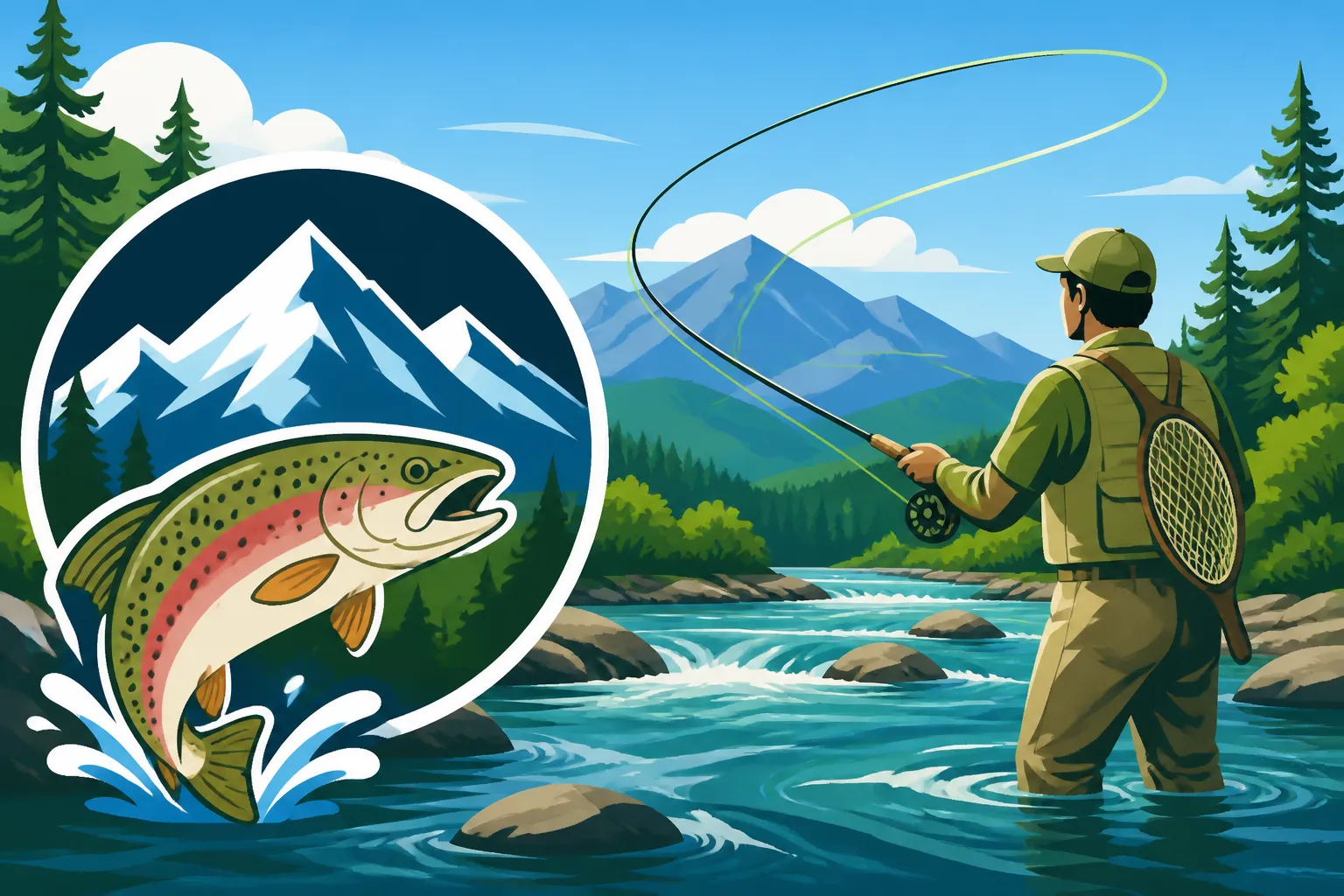
Imagine standing mid-stream in the picturesque area near Franconia Notch State Park, the sound of rushing water filling your ears. You're casting a well-presented dry fly, watching it drift naturally over a promising seam. Suddenly, a flash of red and gold, and a feisty brook trout rises to inhale your offering. The clarity of the water in these upper reaches often demands precise presentations and fine tippets, making it a fantastic challenge for experienced anglers. The Pemigewasset River Fishing Guide has even more specific details on these productive stretches.
Middle and Lower Pemi: Broader Waters, Mixed Fishery
As the Pemigewasset flows south, through towns like Plymouth, Ashland, and ultimately towards Franklin, it generally widens and slows, taking on a more meandering character. While trout fishing remains excellent in many areas, particularly in sections that receive regular stockings, the middle and lower Pemi also introduce opportunities for warmwater species. Smallmouth bass become more prevalent, especially in the rocky runs and deeper pools, and chain pickerel can be found lurking in the slower, weedier sections.
In the areas around Plymouth and Campton, you might find yourself switching from a delicate dry fly for trout to a larger popper or a weighted streamer for smallmouth bass. This versatility is what makes the Pemi so appealing; you can tailor your day based on conditions and your angling preferences. The river here is often more accessible from roadsides and bridges, making it a great option for a spontaneous fishing trip. Just be mindful of local regulations, as some stretches may have special restrictions to protect certain species or ensure equitable angling opportunities.
Navigating Access and Regulations
Access to the Pemigewasset River is generally quite good, with numerous bridges, public easements, and designated parking areas along Route 3 and other local roads. The New Hampshire Fish and Game Department actively manages sections of the Pemi, ensuring stocking efforts and maintaining access points. However, some prime fishing spots might require a short hike through forested areas, so good wading boots and comfortable gear are essential.
Anglers should always consult the New Hampshire Fishing Regulations Explained before heading out, as specific stretches of the Pemigewasset can have different rules regarding open seasons, length limits, and gear. For instance, some areas may be designated for artificial lures or fly fishing only, while others may allow bait. The river is heavily stocked, especially in spring and fall, so checking the New Hampshire Trout Stocking Report and Map can give you an edge on finding recently stocked sections. For those new to the area or looking to improve their technique, consider exploring resources on Wading Techniques for New Hampshire Trout Streams to navigate the Pemi's currents safely and effectively.
The Versatile Merrimack River: Urban to Wild
The Merrimack River, originating from the confluence of the Pemigewasset and Winnipesaukee Rivers in Franklin, flows south through many of New Hampshire's most populated areas before heading into Massachusetts. Despite its proximity to urban centers, sections of the Merrimack and its tributaries offer surprisingly good fly fishing, often overlooked by anglers focused on mountain streams.
Upper Merrimack: Cooler Waters, Anadromous Runs
The upper Merrimack, particularly from Franklin down to around Concord, benefits from the cooler waters of its source rivers. Here, you can find a mixed bag of fish. While not primarily a "trout river" in the same vein as the Pemi's upper reaches, trout are present, especially following stocking efforts in adjacent ponds and tributaries that feed into the main stem. However, the real excitement in the upper Merrimack can come from its anadromous fish runs. In spring, species like shad and river herring migrate upstream, providing unique opportunities for fly anglers.
Imagine casting a small, bright streamer into a swift current below a dam in early May, hoping to intercept a powerful American Shad. While challenging, landing one of these "poor man's tarpon" on a fly rod is an exhilarating experience. Furthermore, sections of the upper Merrimack also hold respectable populations of smallmouth bass, particularly around rocky structures and current breaks. Learning How to Catch Smallmouth Bass in New Hampshire Lakes offers techniques that translate well to these riverine conditions.
Lower Merrimack Tributaries: Hidden Gems
While the main stem of the lower Merrimack can be warmer and more developed, its numerous tributaries often hold hidden fly fishing gems. Streams like the Contoocook River (which we'll cover in more detail), Souhegan River, Nashua River, and various smaller brooks offer pockets of excellent trout and bass fishing. These smaller waters often require more stealth and precision, as fish can be spooky, but they reward anglers with a more intimate fishing experience.
Picture yourself exploring a lesser-known tributary, casting tiny dry flies to wary brook trout tucked under overhanging branches. These smaller streams are often perfect for lighter fly rods and require careful wading and presentation. They can be particularly rewarding during times when the main river is high or off-color. Many of these tributaries also hold good numbers of panfish and smaller bass, making them excellent spots for beginner fly anglers or those looking for consistent action.
Strategies for Different Sections
Fishing the Merrimack system effectively requires adapting your approach. For the main river, especially for bass or anadromous species, a 6 or 7-weight fly rod might be appropriate, allowing for longer casts and handling larger flies. Weighted streamers, poppers, and larger nymphs work well. In the smaller tributaries, a lighter 3 or 4-weight rod is often ideal for delicate presentations and protecting lighter tippets. Dry flies, small nymphs, and tiny streamers are your best bets.
Accessibility along the Merrimack is often good in urban areas, with public parks and boat launches, but always be respectful of private property. For current information on fishing spots, local fly shops can be an invaluable resource. They often have the most up-to-date reports on hatches, water levels, and productive techniques for both the main river and its feeder streams. When considering gear, a versatile setup, perhaps an Best Fly Rods for New Hampshire Trout Streams review, could help you choose the right tools for the diverse conditions you'll encounter.
Androscoggin River: Northern Frontier Fishing
The Androscoggin River, flowing through northern New Hampshire and into Maine, offers a unique and often powerful fly fishing experience. Known for its strong currents, diverse fish populations, and stunning scenery, it's a destination for adventurous anglers seeking a challenge.
Trophy Waters and Hydroelectric Influences
Sections of the Androscoggin, particularly those influenced by hydroelectric dams, can create powerful tailwater fisheries that hold large trout and landlocked salmon. The cold, oxygenated water discharged from the bottom of reservoirs provides ideal conditions for these coldwater species to grow to impressive sizes. This river is known for its robust brown trout and rainbow trout populations, with fish often exceeding 20 inches. The fast currents, however, demand heavy flies, strong leaders, and a willingness to adapt your nymphing or streamer techniques.
Imagine wading into the powerful currents near Errol Dam, carefully mending your line to achieve a drag-free drift with a heavy nymph rig. The anticipation is palpable; you know there could be a monster brown trout lurking in the depths. When you hook one, the fight in these strong currents is unforgettable, testing both your tackle and your angling prowess. For those seeking truly large trout, the Androscoggin is a prime contender, especially during cooler months when big fish become more active.
Exploring Remote Tributaries
Beyond the main stem, the Androscoggin's watershed encompasses numerous smaller, wild tributaries that cascade down from the White Mountains. These streams are typically colder, clearer, and offer classic brook trout fishing. While the fish might not be as large as those in the main river, they are often wild, beautifully colored, and eager to take a well-presented dry fly or small nymph. Access to these tributaries can range from easy roadside stops to challenging hikes into remote wilderness areas, rewarding anglers with solitude and pristine surroundings.
Picture a hot summer day, and you've decided to escape the main river's heat by hiking up a small, shaded tributary. You're flicking a tiny parachute Adams into pocket water, and a vibrant brook trout, with its distinctive red spots and blue halos, dart out from under a rock to snatch your fly. This kind of intimate, wilderness fly fishing is a refreshing contrast to the power fishing of the main stem and is a truly rewarding experience for those who enjoy exploration.
Planning Your Trip to the Androscoggin
Due to its northern location and powerful nature, planning a trip to the Androscoggin requires a bit more foresight. Weather conditions can change rapidly, and water levels can fluctuate significantly depending on dam operations and rainfall. Always check river flow data before heading out. Safety is paramount when wading strong currents, so a reliable Wading Techniques for New Hampshire Trout Streams review is a good read. A sturdy wading staff and appropriate footwear are non-negotiable.
Local towns like Gorham and Berlin offer amenities and sometimes local fly shops where you can get up-to-date information. While the river can be fished effectively by wading in many areas, a drift boat can open up vast stretches of water, particularly for covering the faster, deeper sections where big fish often hold. If you're planning a guided trip, especially for the trophy sections, you might find guides who specialize in the Androscoggin through platforms like FishingBooker, ensuring you have expert knowledge on your side.
Swift River: A White Mountains Favorite
Nestled within the breathtaking scenery of the White Mountains, the Swift River is perhaps one of New Hampshire's most popular and accessible fly fishing destinations. Its crystal-clear waters, consistent stocking, and ease of access make it a fantastic choice for both novice and experienced anglers.
Easy Access and Stocked Sections
The Swift River runs parallel to the Kancamagus Highway (Route 112), offering numerous pull-offs and designated parking areas that provide direct access to the water. This incredible accessibility, combined with regular stockings by the New Hampshire Fish and Game Department, means that opportunities to catch trout are often high. It's a fantastic place to hone your casting skills and practice different techniques in a relatively forgiving environment. The stocked sections primarily hold brook and rainbow trout, with some brown trout also present.
Imagine pulling off the Kancamagus Highway, parking just feet from the river, and within minutes, you're making your first cast into a promising run. This ease of access makes the Swift River ideal for a quick outing, a family fishing trip, or for those who prefer not to embark on long hikes. The river's character varies, from faster, rockier sections to more gentle glides and deeper pools, offering diverse water types to practice your skills.
Wild Brook Trout in the Headwaters
While the lower and middle sections of the Swift River are heavily stocked and easily accessible, its headwaters, higher up in the mountains, revert to a more wild and remote character. Here, you can find populations of native brook trout. These fish are typically smaller but are incredibly beautiful and a testament to the river's wild heritage. Reaching these upper sections often requires a hike on one of the many trails that crisscross the White Mountains, rewarding the adventurous angler with solitude and the chance to catch truly wild fish.
Picture a peaceful morning hike along a less-traveled trail, the sounds of the Swift River slowly fading as you ascend. You find a secluded stretch where the river is narrower, more intimate, and populated by vibrant, native brook trout. Casting a small, well-placed dry fly to these wary fish is a delicate dance, but the reward of holding a wild New Hampshire brook trout, caught in its natural habitat, is a deeply satisfying experience. This is what Fly Fishing for Trout in New Hampshire is all about for many purists.
Seasonal Considerations and Techniques
The Swift River fishes well throughout the open season, but different times of the year demand different approaches. Spring sees heavy stocking and active fish eager to feed after the long winter, making nymphs and small streamers very effective. Summer can be excellent for dry fly fishing during hatches, especially in the mornings and evenings, but can also be challenging during hot spells when water temperatures rise. Fall offers cooler temperatures, active fish, and breathtaking foliage, making it a favorite time for many.
When fishing the Swift, a versatile 4 or 5-weight fly rod is generally sufficient. For beginners, a simple indicator nymphing rig or a dry-dropper setup can be very effective. During hatches, matching the prevalent insects with patterns from a Fly Patterns for New Hampshire Trout Streams guide will be key. Always be mindful of other anglers, especially in popular spots, and practice good stream etiquette. Given its popularity, the Swift River is a prime example of where understanding New Hampshire Trout Stocking and Fishing Rules can enhance your success and help manage expectations.
Ellis River: Picture-Perfect Mountain Streams
The Ellis River, another gem flowing out of the White Mountains and joining the Saco River in Jackson, is celebrated for its pristine waters, scenic beauty, and excellent trout fishing. It offers a more intimate and often more technical fly fishing experience compared to larger rivers, making it a favorite among experienced anglers.
Classic Dry Fly Opportunities
The Ellis River's clear, cold waters and diverse insect life make it a superb destination for dry fly enthusiasts. During prime hatch periods, particularly in late spring and summer, trout will rise eagerly to a well-presented fly. Caddisflies, mayflies, and stoneflies are all present, and matching the hatch can lead to incredibly rewarding fishing. The river's moderate size and varied structure—including classic riffles, runs, and inviting pools—provide ample opportunities for careful observation and precise casting.
Imagine standing on a warm June evening, watching trout dimple the surface of a placid pool as a caddisfly hatch comes off. You tie on a matching Elk Hair Caddis, make a delicate cast upstream, and watch as a hungry rainbow trout confidently sips your fly from the surface. This is the magic of dry fly fishing on the Ellis—a true testament to the beauty and rhythm of the sport. The clarity of the water, however, demands stealth; noisy movements or sloppy casts will quickly send wary trout scurrying for cover.
Technical Wading and Stealth
While the Ellis River is not overly large, its bottom can be rocky and slick, requiring careful wading. Many of the prime fishing lies are tucked into pockets, behind boulders, or along undercut banks, which means getting into the right position often involves navigating tricky currents and uneven terrain. This technical wading is part of the challenge and reward of fishing the Ellis. Stealth is also paramount; spooking one fish in a small pool can put down every other fish in the vicinity.
Picture yourself slowly approaching a promising run, taking deliberate steps to avoid sending vibrations through the water. You crouch low, using streamside vegetation for cover, and make a precise roll cast under an overhanging branch to reach a trout holding in a shaded pocket. The satisfaction of successfully executing such a technical presentation, and being rewarded with a strike, is immense. This is where Wading Techniques for New Hampshire Trout Streams truly come into play, emphasizing quiet movement and observation.
Best Times and Flies for the Ellis
The Ellis River fishes well from spring through fall. Spring offers excellent nymphing and streamer fishing as trout are active post-winter, and early hatches begin. Summer is prime dry fly season, especially during morning and evening hatches, but mid-day can be challenging during the hottest periods. Fall brings cooler temperatures, aggressive feeding behavior from trout preparing for winter, and spectacular foliage, making it a favorite for many.
For flies, a diverse selection is recommended. For dry flies, carry various caddis patterns (Elk Hair Caddis, Goddard Caddis), mayfly imitations (Parachute Adams, Hendrickson, Blue-winged Olive), and general attractor patterns (Stimulator). Nymphs like Hare's Ear, Pheasant Tail, Prince Nymph, and Squirmy Wormies are consistent producers. Small streamers, such as Woolly Buggers in black or olive, can also be very effective, especially for larger holdover trout. When in doubt, a local fly shop can provide invaluable up-to-date information on current hatches and productive patterns.
Saco River: From Mountains to the Sea
The Saco River, originating in Saco Lake in Crawford Notch and flowing southeast through Conway, eventually empties into the Atlantic Ocean in Maine. While primarily known for its recreational opportunities like canoeing and tubing in summer, its upper stretches in New Hampshire offer surprisingly good fly fishing, particularly for trout and smallmouth bass.
Upper Saco: Trout and Salmon Potential
In its upper reaches, especially above and around Conway, the Saco River is a classic New England freestone river. The cold, clear water tumbles through rocky sections, creating excellent habitat for brook trout, rainbow trout, and brown trout. These sections are regularly stocked by New Hampshire Fish and Game, providing consistent action for anglers. While less common, some sections might even see migratory landlocked salmon, particularly in areas closer to larger lakes or tributaries connected to salmon runs.
Imagine an early morning in spring, the air still cool, as you cast a weighted nymph into a deep pool near North Conway. The Saco here offers beautiful scenery and a chance to catch a variety of trout species. The runs and riffles are perfect for drift fishing nymphs, while the slower pools can hold larger, more wary fish that might respond to streamers. Like many freestone rivers, successful fishing often depends on reading the water and identifying prime holding lies.
Middle Saco: Mixed Bag and Access
As the Saco River flows downstream from Conway, it generally widens and slows, particularly in sections below significant rapids or dams. While trout might still be present, especially in cooler pockets or after recent stockings, the middle Saco becomes more of a mixed warmwater fishery. Smallmouth bass thrive in these conditions, often found around rocky structures, current breaks, and submerged timber. Chain pickerel are also common in the slower, weedier sections.
This section of the Saco offers different fly fishing challenges. You might transition from targeting trout with small dry flies to casting larger poppers or baitfish imitations for aggressive smallmouth. This versatility makes the middle Saco a great option for anglers who enjoy varied action. Access is often good, with numerous public access points and canoe launches in towns like Conway and Fryeburg (just over the Maine border, but relevant for understanding the river's character).
Seasonal Changes and Species Shifts
The Saco River experiences significant seasonal changes that influence fishing opportunities. Spring offers excellent trout fishing as the river is cold and stocked fish are abundant. Summer sees an increase in recreational use, but early mornings and late evenings can still be productive for trout, especially in cooler upstream sections. Smallmouth bass fishing heats up in the summer months as water temperatures rise. Fall is another prime time for trout, as cooler weather makes them more active, and fishing pressure from other recreational users diminishes.
For trout, traditional patterns like Woolly Buggers, Squirmy Wormies, Pheasant Tail nymphs, and various dry flies mimicking caddis and mayflies are effective. For smallmouth bass, poppers, Clouser Minnows, and crayfish patterns are excellent choices. Always check the New Hampshire Fishing Regulations Explained for specific sections of the Saco, as rules can vary, particularly regarding species limits and gear restrictions, especially near the Maine border.
Contoocook River: Southern NH's Accessible Waters
The Contoocook River, a significant tributary of the Merrimack River, flows through south-central New Hampshire, offering accessible and diverse fly fishing opportunities often close to more populated areas. While it may not boast the remote wilderness feel of mountain streams, it provides consistent action and a chance to fish a variety of species.
Diverse Fish Species and Flows
The Contoocook River is a truly versatile fishery, supporting both coldwater and warmwater species depending on the section and time of year. In its upper and middle reaches, particularly where the water remains cooler, you can find good populations of stocked rainbow and brook trout. These sections often feature a mix of riffles, runs, and deeper pools, providing classic trout habitat. As the river flows south and widens, it transitions into prime smallmouth bass habitat, with largemouth bass, chain pickerel, and various panfish also present.
Imagine casting a streamer pattern into a productive run near Henniker, hoping for a feisty smallmouth bass, then later in the day, switching to a dry fly for a rising trout in a cooler pocket of water. This diversity is a hallmark of the Contoocook, making it an exciting river for anglers who enjoy targeting multiple species on a single outing. The river's flow can vary depending on rainfall and dam operations, so understanding water levels is key to a successful day.
Public Access and Urban Angling
One of the greatest advantages of the Contoocook River is its accessibility. Numerous public access points, town parks, and roadside pull-offs are available along its course, especially in towns like Peterborough, Hancock, Henniker, and Contoocook. This makes it an ideal river for a quick fishing trip after work or for those who prefer not to venture far into the wilderness. While some sections flow through more developed areas, there are still plenty of picturesque stretches that feel surprisingly wild.
Picture a sunny afternoon, and you've decided to explore a new section of the Contoocook that runs through a local park. You find a quiet bend, cast a small nymph, and within minutes, you're fighting a spirited brook trout. The convenience of these accessible spots, combined with the often decent fishing, makes the Contoocook a popular choice for many New Hampshire anglers. Remember to be mindful of local park rules and other recreational users, as these areas can be popular for activities beyond fishing.
Tackling the Contoocook's Challenges
While accessible, the Contoocook presents its own set of challenges. Water levels can fluctuate significantly, sometimes making wading difficult or concentrating fish in specific areas. Anglers should also be aware of varying water temperatures throughout the season; mid-summer can see temperatures rise, pushing trout into cooler tributaries or deeper, oxygenated pools. Adapting your techniques and fly selection to these conditions is essential.
For trout, a 4 or 5-weight fly rod is generally appropriate, with nymphs, small streamers, and dry flies being the most productive. For bass and other warmwater species, a 6 or 7-weight rod will handle larger flies and feistier fish. Poppers, weighted streamers (like Clouser Minnows), and crayfish imitations are excellent choices for bass. Always check the New Hampshire Fishing Regulations Explained before heading out, as specific town ordinances or river sections might have unique rules, especially concerning fish limits or special seasons. The Contoocook is a river that truly rewards local knowledge and adaptability.
Key Considerations for New Hampshire Fly Fishing Rivers
Fly fishing in New Hampshire's rivers isn't just about knowing where to go, but also how to approach each unique waterway. From regulations to gear, being prepared can make all the difference between a frustrating day and a memorable one.
Understanding Seasons and Regulations
New Hampshire's fishing seasons and regulations are designed to protect fish populations and ensure sustainable angling. For river trout, the season typically opens on January 1st and closes on October 15th for most waters, though some fly-fishing-only sections and special regulation waters may have extended seasons or year-round access. These regulations are detailed in the New Hampshire Fishing Season Dates and Closures information published by NH Fish and Game. Always consult the most current Reading the New Hampshire Freshwater Fishing Digest for precise dates, length limits, and bag limits specific to the river and species you're targeting. For example, catch-and-release-only sections are becoming more common to promote trophy fisheries.
Beyond trout, if you're targeting smallmouth bass, understanding the New Hampshire Bass Catch-and-Release Season, Explained is crucial, as there's often a period in spring where only catch-and-release is permitted to protect spawning fish. Ignoring these rules can lead to significant penalties, so thorough research before your trip is non-negotiable. Many experienced anglers keep a digital copy of the digest on their phone for quick reference while on the water.
Essential Gear and Fly Selection
Choosing the right gear is fundamental for successful fly fishing in New Hampshire's diverse rivers. For most trout streams, a versatile 4- or 5-weight fly rod, between 8.5 to 9 feet long, is an excellent all-around choice. It provides enough backbone for larger fish but is delicate enough for smaller streams and accurate presentations. For larger rivers or when targeting bigger bass, a 6- or 7-weight rod might be more appropriate. A good quality reel with a smooth drag and matching floating fly line (weight forward taper is often preferred) will serve you well. Don't forget a selection of leaders and tippet in varying strengths, from 3X to 6X, to match different fly sizes and water conditions. Best Fly Rods for New Hampshire Trout Streams offers a deeper dive into rod choices.
Fly selection should cover a range of options:
- Dry Flies: Carry imitations of common hatches (caddis, mayflies like Hendrickson, Sulphur, BWO, Adams), terrestrial patterns (ants, beetles, grasshoppers) for summer, and general attractors (Stimulators).
- Nymphs: Essential for subsurface feeding trout. Pheasant Tail, Hare's Ear, Prince Nymph, Caddis Larva, and Squirmy Wormies are consistent producers. Vary sizes and weights.
- Streamers: Effective for aggressive trout and smallmouth bass. Woolly Buggers (black, olive, white), Clouser Minnows, and other baitfish imitations work wonders.
For more detailed fly suggestions tailored to local conditions, refer to Fly Patterns for New Hampshire Trout Streams.
Safe Wading and River Etiquette
New Hampshire's rivers, particularly the freestone streams, can be incredibly beautiful but also deceptively challenging to wade. Uneven, rocky, and often slippery bottoms, combined with swift currents, demand respect. Always wear studded or felt-soled wading boots for superior grip, and use a sturdy wading staff for stability and to probe the depth ahead of you. Never wade into water that feels unsafe or too deep, especially after heavy rains when water levels and currents increase. Wading Techniques for New Hampshire Trout Streams provides crucial safety tips.
River etiquette is equally important, especially on popular rivers. Always give other anglers ample space; generally, a rule of thumb is at least 50 yards (or more if conditions allow). If you approach someone fishing, either ask if you can pass or move far around them, entering the water well downstream. Avoid crossing directly in front of another angler's line of drift. Pack out all trash, respect private property, and practice catch-and-release, especially for larger, wilder fish, to help preserve these precious resources for future generations.
| River Name | Primary Species (Fly) | Typical Water Type | Accessibility Score (1-5, 5=easiest) | Best Fly Fishing Method | Notes |
|---|---|---|---|---|---|
| Connecticut River | Trout (Brook, Rainbow, Brown), Salmon, SMB | Large River, Tailwater, Freestone | 3 (Varies, some remote) | Streamers, Nymphing, Dry Fly | Trophy potential, border water |
| Pemigewasset River | Trout (Brook, Rainbow, Brown), SMB | Freestone, Runs, Pools | 4 | Nymphing, Dry Fly, Streamers | Very popular, diverse sections |
| Merrimack River | SMB, Trout, Shad (anadromous) | Large River, Urban, Tributaries | 4 | Streamers, Poppers, Nymphing | Mixed fishery, overlooked tributaries |
| Androscoggin River | Trout (Brown, Rainbow), Salmon | Powerful Tailwater, Freestone | 2 (Can be remote/demanding) | Heavy Nymphing, Streamers | Large trout potential, challenging currents |
| Swift River | Trout (Brook, Rainbow, Brown) | Freestone, Runs, Pools | 5 | Dry Fly, Nymphing, Streamers | Highly accessible, great for beginners |
| Ellis River | Trout (Brook, Rainbow, Brown) | Small Freestone, Pocket Water | 3 | Dry Fly, Small Nymphs | Technical, beautiful, delicate fishing |
| Saco River (NH parts) | Trout (Brook, Rainbow, Brown), SMB | Freestone, Runs, Pools, Slows | 4 | Nymphing, Dry Fly, Poppers | Scenic, popular, mixed species |
| Contoocook River | Trout (Brook, Rainbow), SMB, Panfish | Diverse, Runs, Pools, Slows | 4 | Nymphing, Streamers, Dry Fly | Accessible, southern NH, varied fishery |
Disclaimer
The information provided in this guide is for general informational purposes only and is subject to change. Fishing regulations, season dates, and access points can vary and be updated by the New Hampshire Fish and Game Department. Always consult the most current official New Hampshire fishing regulations before planning your trip to ensure compliance and a safe, enjoyable experience.