Best Bass Fishing Lakes in New Hampshire
Finding those prime bass fishing spots in New Hampshire can feel like searching for a needle in a haystack, especially with so many beautiful lakes and ponds dotting the landscape. It's frustrating to spend a day on the water only to come up empty-handed, wondering if you're even in the right place for those hard-fighting largemouth and smallmouth. This comprehensive guide is designed to cut through that guesswork, giving you the insider scoop on the very best bass fishing lakes the Granite State has to offer, along with the knowledge you need to fish them successfully.
Understanding New Hampshire Bass Fishing
New Hampshire’s diverse aquatic environments offer fantastic opportunities for both largemouth and smallmouth bass, but understanding their distinct preferences and behaviors is key to a successful outing. These two species, while both exciting to catch, are often found in different types of habitats and respond to different fishing strategies.
Largemouth vs. Smallmouth Bass in New Hampshire
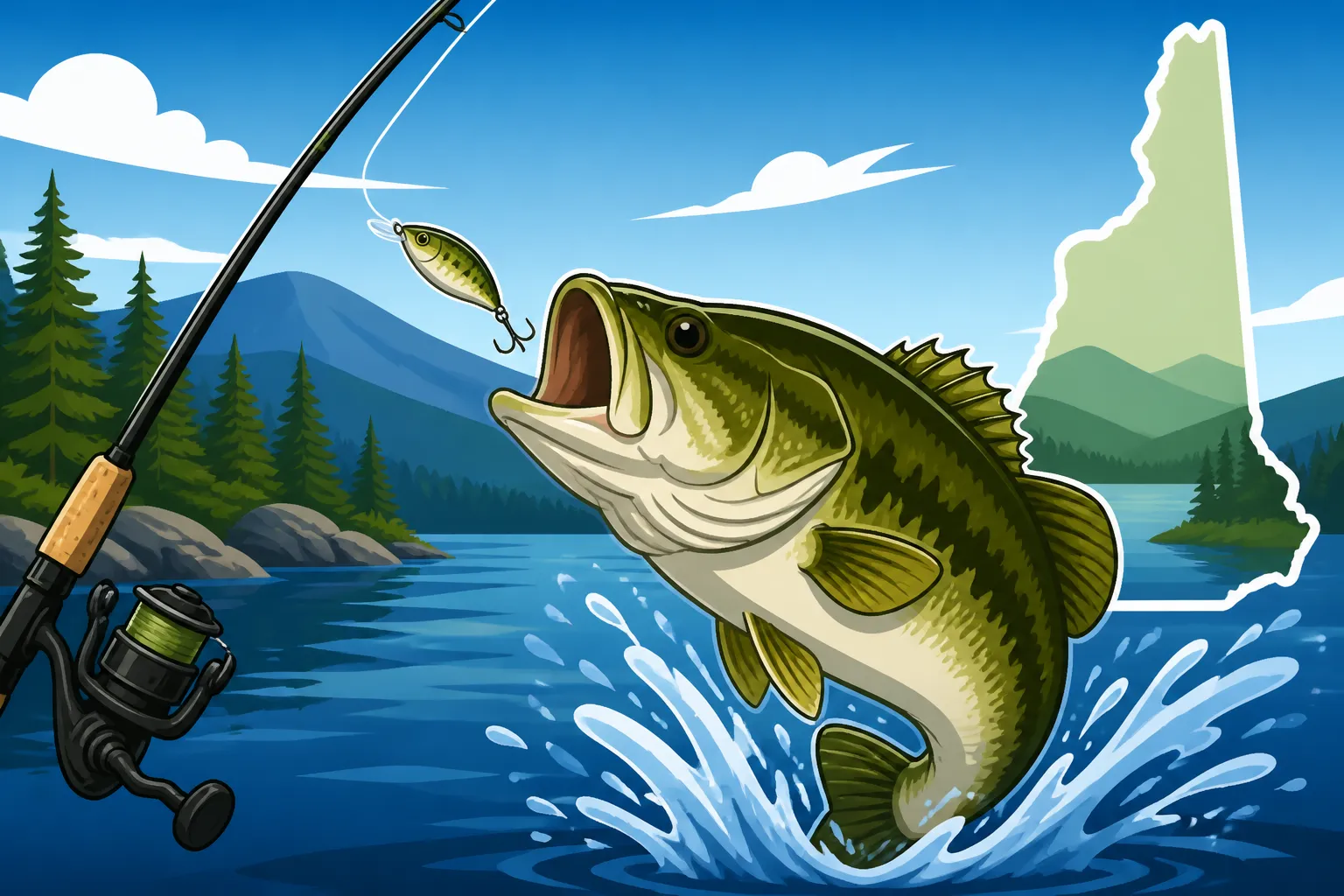
When you're out on a New Hampshire lake, you're primarily targeting two distinct species: the largemouth bass and the smallmouth bass. While they both belong to the sunfish family, their characteristics and preferred habitats set them apart. Largemouth bass, easily identified by their jaw extending beyond their eye, are generally ambush predators that prefer shallower, warmer, and often weedier waters. Think lily pads, submerged timber, dense weed beds, and docks. They're often found in the fertile, stained waters of southern New Hampshire ponds and lakes. Their diet largely consists of anything that moves – baitfish, frogs, crayfish, and even small rodents or birds that fall into the water.
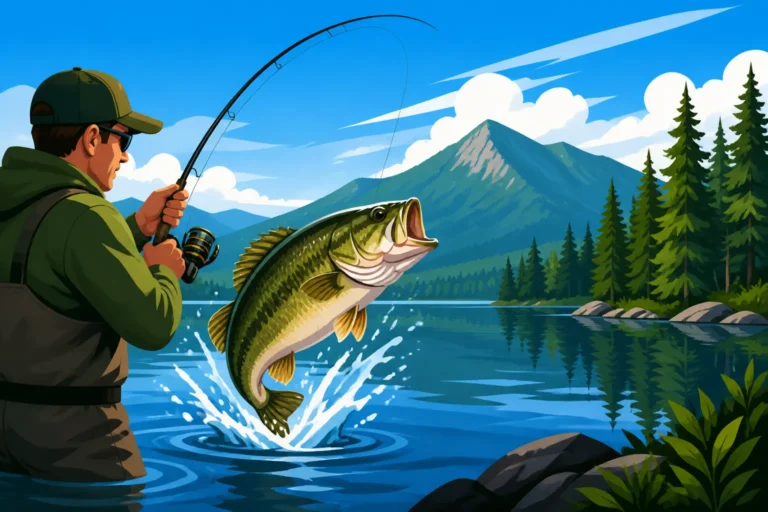
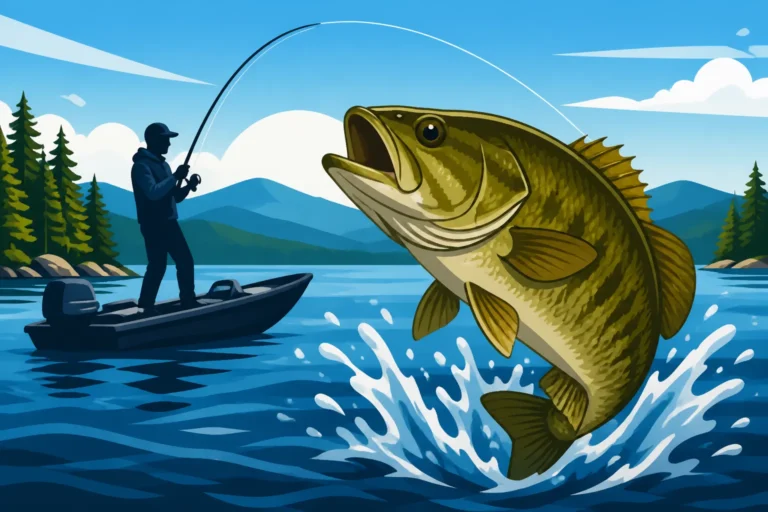
Smallmouth bass, on the other hand, are typically found in cooler, clearer, deeper waters with rocky bottom structures. Their jaw doesn't extend past the middle of their eye, and they have vertical bars on their sides when young, fading to a bronze color as they mature. Lakes like Winnipesaukee, Squam, and Newfound are classic smallmouth havens, boasting expansive rocky points, humps, and shoals. Smallmouth are keen sight feeders, preying heavily on smelt, shiners, crayfish, and insects. They're known for their acrobatic fights once hooked, often leaping clear out of the water. Knowing which species you're likely to encounter helps you select the right lake and the right tackle, greatly improving your chances of a memorable catch.
Key Factors for Productive Bass Lakes
What makes a lake a true bass fishing hotspot? It comes down to a few critical environmental factors that create the ideal conditions for bass to thrive. First and foremost is structure. For largemouth, this means abundant cover like dense weed beds, submerged logs, fallen trees, brush piles, lily pads, and man-made structures such as docks and boat lifts. These areas provide ambush points for hunting and protection from predators. For smallmouth, structure often translates to rocky points, gravel bottoms, deep humps, ledges, and shoals where they can hunt baitfish and crayfish.
Secondly, a healthy forage base is absolutely crucial. Lakes teeming with baitfish like alewives, shiners, and yellow perch, or crustaceans like crayfish, will support larger and more numerous bass populations. Water clarity also plays a role; largemouth tend to prefer more stained or turbid waters where their ambush tactics are more effective, while smallmouth thrive in clear water where their keen eyesight gives them an advantage. Lastly, adequate depth and oxygen levels, especially during warmer months, allow bass to retreat to cooler, more comfortable zones. A lake that offers a rich combination of these elements is almost certainly going to be a prime bass fishing destination.
When and Where to Find Them
Bass behavior is heavily influenced by the seasons and water temperature, dictating where and when you'll find them. In early spring, as ice leaves the lakes, bass begin to move from their deeper wintering grounds to shallower, sun-warmed coves and flats. This pre-spawn period is a fantastic time to target them as they feed aggressively. As water temperatures continue to rise, largemouth will seek out protected, shallow areas with cover to build nests and spawn, typically when water temperatures are in the mid-60s Fahrenheit. Smallmouth, preferring slightly cooler water, will spawn a bit later in similar shallow, protected areas, often over gravel or rock bottoms.
During the peak of summer, both species can become a bit trickier to locate as they often move to deeper waters to escape the heat, though early mornings and late evenings can still produce bites in shallower areas. Largemouth will hold tight to dense cover, while smallmouth will relate to deep rock piles, humps, and ledges. As fall approaches and water temperatures cool, bass enter a significant feeding frenzy, gorging themselves on baitfish to prepare for winter. They become highly active, often schooling up in predictable locations, offering some of the year's best fishing. Understanding these seasonal movements is critical to consistently finding and catching bass across New Hampshire.
Top Tier Lakes for Largemouth Bass
When it comes to targeting bucketmouths in the Granite State, certain lakes consistently rise to the top, offering abundant populations, diverse habitat, and the potential for true trophy fish. These are the places where you can reliably find those big, hard-fighting largemouth.
Pawtuckaway Lake: A Largemouth Haven
Pawtuckaway Lake, nestled in Nottingham, New Hampshire, is renowned as one of the state's premier largemouth bass fisheries. This relatively shallow, fertile lake spans over 780 acres and boasts an incredible amount of classic largemouth habitat. Think dense weed beds, expansive lily pad fields, numerous docks, and submerged timber—all the perfect ambush points a largemouth could ask for. The lake features several islands and coves that create diverse environments, offering anglers plenty of areas to explore. From the northern reaches with its marshy, shallow flats to the deeper, rockier sections around the islands, Pawtuckaway offers a varied experience.
Anglers targeting largemouth here often find success pitching jigs or Texas-rigged worms into the thickest cover, especially around the countless docks and fallen trees. Topwater lures like frogs and poppers can be absolutely deadly in the lily pads and matted vegetation during summer mornings and evenings. Spinnerbaits and chatterbaits also shine when retrieved along the edges of weed lines. Keep an eye on your electronics for subtle depth changes or isolated clumps of vegetation that might hold a monster. The lake also has several public boat ramps, including one within Pawtuckaway State Park, making access relatively easy for anglers with boats. This lake truly lives up to its reputation as a largemouth paradise. If you're looking for more details on this specific spot, check out our guide on Pawtuckaway Lake Fishing.
Lake Winnisquam: Consistent Largemouth Action
Lake Winnisquam, the fourth-largest lake in New Hampshire, offers fantastic and consistent largemouth bass action, particularly in its shallower coves and along its extensive shoreline. While it’s also known for smallmouth and other species, largemouth thrive in the nutrient-rich sections of the lake. Located in the heart of the Lakes Region, near Laconia, Winnisquam features an array of cover types that largemouth adore. You'll find numerous docks, overhanging trees, rocky shorelines, and plenty of submerged aquatic vegetation, especially in the shallower bays and around the mouths of incoming streams.
Some of the most productive areas for largemouth on Winnisquam include the coves around Mosquito Bridge, the flats near the Winnipesaukee River inlet, and the protected bays along the eastern shore. These areas often warm up quickly in the spring, drawing bass in for pre-spawn feeding and later for spawning activities. Anglers here find great success with squarebill crankbaits retrieved along rip-rap and rocky banks, especially in the spring and fall. Flipping jigs or soft plastics into dense cover near docks and weed lines is another highly effective method during warmer months. During the summer, fishing topwater lures at dawn and dusk around the weed edges can lead to explosive strikes. Winnisquam offers a rewarding challenge for largemouth enthusiasts, with many quality fish to be found if you know where to look.
Ossipee Lake: Diverse Largemouth Opportunities
Ossipee Lake, a large and sprawling body of water in eastern New Hampshire, presents diverse and often overlooked opportunities for largemouth bass. While parts of the lake are deep and clear, perfect for smallmouth, its many coves, shallow bays, and the distinct "arms" of the lake offer exceptional largemouth habitat. The lake's irregular shape, with features like Broad Bay, Leavitt Bay, and the Ossipee River inlet, means there's always new water to explore, each with its own character. You'll find a mix of sandy bottoms, rocky points, and significant weed growth, particularly in the shallower, protected areas.
Successful largemouth anglers on Ossipee often focus their efforts on these more sheltered, warmer zones. Areas around the islands in Broad Bay, the backwaters of Leavitt Bay, and the extensive marshy sections leading into the Ossipee River can be particularly productive. Look for docks, fallen trees, and lily pad fields. Spinnerbaits, chatterbaits, and swim jigs are excellent choices for covering water along weed edges and through sparse cover. When targeting denser cover, flipping or pitching heavy jigs and Texas-rigged creature baits can coax out the bigger fish. The lake’s varied structure and extensive shoreline mean you can often find unpressured areas, offering a unique and rewarding largemouth experience away from the busier major lakes.
Premier Lakes for Smallmouth Bass
If the thrilling fight of a smallmouth bass is what gets your heart pumping, New Hampshire boasts some truly iconic lakes that are famous for their bronzeback populations. These bodies of water are characterized by clear, cool depths, rocky structures, and abundant forage, creating the perfect environment for smallmouth to thrive.
Lake Winnipesaukee: The Smallmouth Capital
Lake Winnipesaukee, the largest lake in New Hampshire, is undeniably the smallmouth bass capital of the state, perhaps even New England. This massive, crystal-clear lake, spanning over 72 square miles, is a labyrinth of islands, deep rock piles, underwater humps, and extensive rocky points—all prime smallmouth habitat. Its immense size and complexity can be intimidating, but for those willing to learn its secrets, Winnipesaukee offers some of the most consistent and exciting smallmouth fishing anywhere. The lake holds a healthy population of baitfish, particularly rainbow smelt, which provides a rich food source for the bass, contributing to their impressive size and fighting spirit.
Anglers targeting smallmouth on Winnipesaukee often focus on offshore structures, like the countless humps and shoals that rise from deep water, especially during the summer months. Rocky points and island shorelines, particularly those with a quick drop-off, are also excellent targets year-round. Specific areas like The Broads, the waters around the larger islands such as Cow Island and Bear Island, and the extensive rocky reefs in the middle of the lake are legendary for producing trophy smallmouth. Drop-shotting soft plastics, casting tube jigs, and retrieving suspending jerkbaits are highly effective techniques here. When the smallmouth are chasing bait, crankbaits and topwater lures can also be incredibly productive. Exploring this vast lake can be a lifetime endeavor, and it's certainly a bucket-list destination for any serious smallmouth angler. For a deeper dive into this specific fishery, our guide on Lake Winnipesaukee Smallmouth Bass Fishing is an excellent resource.
Squam Lake: Trophy Smallmouth Potential
Squam Lake, famously known as the setting for "On Golden Pond," is another jewel in New Hampshire's crown for smallmouth bass. This stunningly beautiful, clear-water lake, while smaller and less developed than Winnipesaukee, offers incredible potential for trophy smallmouth. Squam's character is defined by its deep, cold waters, numerous islands (over 30!), and extensive rocky shorelines and submerged boulder fields. The clarity of the water means sight-fishing can sometimes be an option, but it also means the bass can be easily spooked if you're not stealthy.
The key to success on Squam is often finding and effectively fishing its many rocky points, deep ledges, and offshore humps. Smallmouth here are often found relating to these structures, ambushing baitfish like smelt and perch. Popular techniques include drop-shotting finesse worms or minnow imitations, casting tube jigs, and working suspending jerkbaits over rocky terrain. During the early morning or late evening, especially in the pre-spawn and fall periods, topwater lures can draw explosive strikes from aggressive smallmouth patrolling the shallower rocky shelves. Due to its protected status and tranquil nature, Squam offers a unique and serene fishing experience, with the added bonus of encountering truly massive smallmouth. If you plan to visit this pristine lake, our Squam Lake Fishing Guide provides more localized insights.
Newfound Lake: Deep and Clear Smallmouth Waters
Newfound Lake, located in Bristol, is one of the deepest and clearest lakes in New Hampshire, making it another exceptional destination for smallmouth bass. With depths exceeding 180 feet and incredibly pristine waters, it’s a coldwater fishery that supports healthy populations of smallmouth, lake trout, and landlocked salmon. The lake’s rugged shoreline features numerous rocky outcroppings, steep drop-offs, and deep structure that smallmouth adore. Its clarity allows for deep penetration of sunlight, which can impact where fish hold, often driving them to deeper contours during bright days.
Anglers targeting smallmouth on Newfound will want to focus on the points, ledges, and humps that characterize its bottom topography. The western shore, with its more defined rocky structure and rapid depth changes, can be particularly productive. Drop-shot rigs, particularly with natural-colored plastics, are highly effective in these clear, deep waters. Jigging spoons and blade baits can also tempt smallmouth holding near the bottom. During low light conditions, or when fish are actively schooling, crankbaits and swimbaits can produce results when cast along structure. The challenge of Newfound Lake often lies in its depth and clarity, requiring precise presentations and careful boat positioning. However, the reward can be impressive, as Newfound frequently yields large, healthy smallmouth that put up a fantastic fight. For more information, check out our Newfound Lake Fishing Guide.
Hidden Gems and Underrated Bass Waters
While the big names like Winnipesaukee and Pawtuckaway certainly deserve their fame, New Hampshire also harbors numerous smaller, less pressured lakes and ponds that can offer incredible bass fishing experiences. These "hidden gems" often provide excellent fishing without the crowds, perfect for a more serene day on the water.
Silver Lake (Madison): Overlooked Opportunities
Silver Lake, located in Madison, often flies under the radar compared to its larger neighbors, but it offers fantastic, often overlooked opportunities for both largemouth and smallmouth bass. This scenic lake, with its sandy beaches and clear waters, has a good mix of habitat. While it can get busy with recreational boaters in peak summer, its bass fishery remains strong, possibly due to less intense fishing pressure than other popular spots. You'll find rocky sections and some weed growth, creating a diverse environment for bass.
For largemouth, focus on the shallower coves and areas with submerged vegetation, especially in the northern and western sections of the lake. Look for docks, fallen trees, and any lily pad fields. Soft plastics, spinnerbaits, and topwater frogs can be very effective here. Smallmouth will typically relate to the deeper, rockier areas, particularly points and drop-offs. Drop-shotting and tube jigs are excellent choices for these bronze beauties. Silver Lake offers a wonderful blend of both species and a beautiful setting, making it a rewarding destination for anglers looking to escape the busiest waters while still finding plenty of action. It's a great spot to explore if you're looking for a slightly different vibe than the heavily trafficked lakes.
Northwood Lake: Quiet Largemouth Pursuits
Northwood Lake, a roughly 650-acre body of water in Northwood, is another excellent, though often overshadowed, largemouth bass fishery. Known for its extensive shallow flats and abundant weed beds, it provides quintessential habitat for largemouth bass to thrive. The lake has numerous coves and fingers that offer shelter and diverse fishing opportunities, making it a great spot for those who enjoy targeting bass in dense cover. It's a popular spot for kayak and canoe anglers due to its relatively calmer waters and numerous nooks and crannies to explore.
Anglers on Northwood Lake will find success by focusing on the thick vegetation and any available wood structure. Flipping or pitching jigs, Texas-rigged worms, and creature baits into the heart of lily pads or submerged weed lines is a highly productive tactic. During low light conditions, working weedless frogs or other topwater lures over matted vegetation can lead to explosive strikes. Spinnerbaits and chatterbaits are excellent for covering water along the edges of the weed beds. The relatively shallow nature of much of the lake means largemouth can be found throughout, making it an ideal location for those who enjoy working shallow cover. The quiet atmosphere and consistent largemouth action make Northwood Lake a true hidden gem.
Lake Wentworth: Explorable Bass Habitat
Lake Wentworth, located adjacent to Lake Winnipesaukee in Wolfeboro, offers a fantastic contrast to its larger neighbor by providing a more intimate and often less crowded bass fishing experience, particularly for largemouth. This 3,000-acre lake is characterized by its numerous coves, islands, and varied shoreline, which creates abundant and diverse bass habitat. While it also holds smallmouth, its warmer, shallower sections and extensive rocky and weedy cover are particularly attractive to largemouth bass.
The many docks, submerged brush piles, and weed beds within its numerous bays make excellent targets for largemouth. Areas around Wentworth's many islands, such as Stamp Act Island and Cate Island, can also be productive, offering a mix of rocky points for smallmouth and sheltered coves for largemouth. Anglers can effectively use a variety of techniques here, from casting spinnerbaits and crankbaits along the rocky banks to pitching jigs and soft plastics into dense cover. Topwater lures are also a great option in the early morning or late evening, especially around weed lines and docks. Lake Wentworth's intricate shoreline and relatively calm waters make it an enjoyable lake to explore, whether by boat or kayak. It's a great choice for those seeking quality bass fishing in a beautiful, slightly less frenetic setting than the big lakes.
Seasonal Strategies for New Hampshire Bass Lakes
Understanding how bass behave throughout the year is crucial for consistent success. Each season presents unique challenges and opportunities, dictating where bass will be found and what they’ll be willing to strike. Tailoring your approach to the season will dramatically increase your hook-up rates.
Spring Bass Fishing: Pre-Spawn and Spawn
Spring in New Hampshire is arguably the most exciting time for bass fishing. As the ice melts and water temperatures begin to climb, bass shake off their winter lethargy and move from their deepwater haunts into shallower areas to feed and prepare for spawning. This "pre-spawn" period is characterized by aggressive feeding as bass try to build energy reserves. Look for them in sunny, protected coves, on northern shorelines that warm up faster, and near the mouths of incoming streams. Spinnerbaits, jerkbaits, and lipless crankbaits are excellent for covering water and triggering strikes from these actively searching fish. You can find more specific advice in our guide on Best Techniques for Early Spring Trout, though the principles of warming water and active fish apply to bass as well.
As water temperatures reach the mid-50s to mid-60s Fahrenheit, bass begin their "spawn." Largemouth will build nests in very shallow, often weedy or woody areas, while smallmouth prefer hard-bottomed areas like gravel or sand. During this time, bass are extremely territorial and protective of their nests. While it can be easy to catch them, ethical anglers practice catch and release and minimize disturbance to ensure a healthy future fishery. Focus on sight-fishing for bedding bass (if regulations allow and you intend to release them quickly and carefully), or target fish moving to and from spawning areas. Soft plastics, especially Texas-rigged worms or creature baits, can be pitched into or near beds to entice a strike. For specific information on ethical handling, refer to our article on New Hampshire Bass Catch-and-Release Season, Explained. After the spawn, bass are often exhausted and scatter, needing a few days to recover before resuming their feeding patterns.
Summer Bass Fishing: Deep Water and Topwater Action
Summer in New Hampshire means warmer water, longer days, and a shift in bass behavior. As surface temperatures climb, bass often seek refuge in deeper, cooler water, relating to offshore structures like humps, ledges, and deep points. This is especially true during the bright, sunny midday hours. Electronics become invaluable for locating these deeper fish. Drop-shot rigs, Carolina rigs, deep-diving crankbaits, and football jigs are excellent choices for targeting bass holding near the bottom in 15-30 feet of water. Look for schools of baitfish congregated around structure, as bass won't be far behind.
However, summer also offers some of the most exciting topwater action, particularly during low-light periods. Early mornings, late evenings, and overcast days can bring bass into shallower water to feed, especially around dense cover like lily pads, docks, and weed edges. Poppers, walk-the-dog baits, and weedless frogs can produce explosive strikes that will get your adrenaline pumping. Night fishing can also be incredibly productive during the summer, as bass move shallow under the cover of darkness. Don't be afraid to experiment with different depths and techniques throughout the day to adapt to changing conditions.
Fall Bass Fishing: The Feeding Frenzy
Fall is a favorite season for many New Hampshire bass anglers, and for good reason. As water temperatures begin to cool and days shorten, bass enter an intense "feeding frenzy" to pack on weight for the upcoming winter. They become highly aggressive and will often school up, chasing baitfish in open water or along shorelines. This is a fantastic time to cover a lot of water with reaction baits. Look for baitfish activity – flickering on the surface, or diving birds – as bass will often be close by.
Crankbaits (medium-diving to deep-diving, depending on depth), spinnerbaits, and swimbaits are incredibly effective for mimicking the abundant baitfish. Smallmouth, in particular, will often form large schools and aggressively chase these lures over rocky points and humps. Largemouth will relate to dying weed beds, fallen leaves, and shallow wood cover, feeding heavily on anything they can ambush. Jigs and soft plastics can still produce when bass are holding tighter to cover. The cooler water also means bass are often more forgiving and less prone to spooking, making for some truly memorable days on the water. This seasonal behavior is critical, and you can learn more about how New Hampshire Fish and Game manages bass fisheries, including season dates, in our guide on New Hampshire Fishing Season Dates and Closures.
Essential Gear for New Hampshire Bass Anglers
Having the right tools for the job can make all the difference in bass fishing. From the rod and reel in your hand to the lures you tie on, and even the electronics that guide you, smart gear choices can significantly enhance your success on New Hampshire’s diverse bass lakes.
Rods, Reels, and Line: Matching Your Technique
Choosing the right rod and reel combo is paramount for effective bass fishing. For most New Hampshire bass applications, you’ll want a versatile setup that can handle both largemouth and smallmouth. A good starting point is a medium-heavy power, fast-action spinning rod (6’6” to 7’2” in length) paired with a 2500-3000 series spinning reel. This setup is excellent for casting lighter baits, finesse presentations like drop-shotting, and for anglers who prefer spinning gear. Fill it with 8-10 pound braided line with a 6-10 pound fluorocarbon leader for sensitivity and invisibility.
For those who prefer baitcasting gear, a medium-heavy power, fast-action baitcasting rod (6’8” to 7’6” in length) paired with a high-speed baitcasting reel (7.1:1 or higher gear ratio) is ideal. This setup excels at pitching and flipping jigs into heavy cover, throwing larger crankbaits, and working spinnerbaits. Spool your baitcaster with 12-17 pound fluorocarbon line for excellent abrasion resistance and sensitivity, or 30-50 pound braided line with a fluorocarbon leader for maximum strength in heavy cover. Having both a spinning and a baitcasting setup allows you to quickly switch between different techniques and target specific bass behaviors effectively. Our guide on Best Fishing Rods for New Hampshire Lakes offers more detailed recommendations for selecting the perfect rods for your style.
Lures and Baits: Must-Haves for NH Bass
A well-stocked tackle box is a bass angler's best friend. New Hampshire bass respond to a wide array of lures, and having a diverse selection will prepare you for any situation.
- Soft Plastics: These are arguably the most versatile bass lures. Essential forms include Texas-rigged worms (e.g., Zoom Trick Worm, Senko-style baits) for pitching into cover, creature baits (e.g., Berkley PowerBait MaxScent Creature Hawg, Strike King Rage Craw) for jig trailers or flipping, and finesse worms (e.g., Roboworm, Yamamoto Shad Shape Worm) for drop-shotting, especially in clear smallmouth waters.
- Jigs: Flipping jigs (for heavy cover largemouth) and football jigs (for deep, rocky smallmouth) are indispensable. Pair them with a soft plastic trailer for added action and bulk.
- Crankbaits: Squarebill crankbaits (for shallow, woody cover), medium-diving crankbaits (for covering flats and points), and deep-diving crankbaits (for targeting offshore smallmouth) are all crucial. Colors like crawfish, shad, and perch imitations are consistently effective.
- Spinnerbaits & Chatterbaits: These are excellent search baits for covering water quickly, particularly in spring and fall, and for working weed edges. White, chartreuse, and natural baitfish colors are good starting points.
- Topwater Lures: Poppers, walk-the-dog baits (e.g., Heddon Super Spook, Lucky Craft Sammy), and hollow-body frogs are essential for exciting surface strikes during low-light conditions or over matted vegetation.
- Jerkbaits: Suspending jerkbaits are dynamite for both largemouth and smallmouth, especially in cooler water conditions of spring and fall. Brands like Rapala and Lucky Craft make excellent options.
- Live Bait: While many bass anglers prefer artificials, live bait such as shiners, golden shiners, or crayfish can be deadly, particularly for stubborn bass or when introducing a novice to the sport.
For targeting specifically smallmouth bass, you might find more in-depth advice in our guide to Best Tackle for New Hampshire Smallmouth Bass.
Electronics and Navigation: Finding the Fish
In today's bass fishing world, electronics are no longer a luxury but a vital tool for success, especially on larger, complex lakes like Winnipesaukee. A good fish finder with GPS and mapping capabilities can dramatically improve your ability to locate bass-holding structure and schools of baitfish. Brands like Humminbird, Lowrance, and Garmin offer excellent units with features like Side Imaging, Down Imaging, and high-definition sonar that allow you to "see" underwater structure and fish with incredible clarity.
GPS mapping is essential for navigating expansive lakes, marking waypoints for productive spots, and safely returning to launch points, especially in low light or fog. On lakes with known hazards, detailed contour maps (often pre-loaded on modern units or available through Navionics or C-MAP) are invaluable. Additionally, a reliable trolling motor, particularly one with GPS-enabled spot-lock features, can help you hold your boat precisely over structure in wind or current, allowing for more accurate presentations. Remember that while electronics are powerful tools, they are aids – they help you find the fish, but it’s your angling skill that ultimately seals the deal. Also, be sure to understand general New Hampshire Boating Laws for Anglers before heading out on any of these lakes.
| Lake Name | Primary Bass Species | Key Features | Best Seasons | Typical Size Range (Bass) |
|---|---|---|---|---|
| Lake Winnipesaukee | Smallmouth Bass | Deep, clear, rocky points, humps, islands | Spring, Fall | 14-20 inches, 2-5 lbs |
| Pawtuckaway Lake | Largemouth Bass | Shallow, weedy, lily pads, docks, timber | Spring, Summer, Fall | 12-18 inches, 1-4 lbs |
| Squam Lake | Smallmouth Bass | Clear, deep, rocky islands, ledges | Spring, Fall | 14-20 inches, 2-5 lbs |
| Lake Winnisquam | Largemouth Bass | Varied depths, docks, weed beds, coves | Spring, Fall | 12-18 inches, 1-4 lbs |
| Newfound Lake | Smallmouth Bass | Deep, clear, steep drop-offs, rock structure | Spring, Fall | 14-19 inches, 2-4 lbs |
| Ossipee Lake | Largemouth Bass | Diverse bays, coves, mixed cover | Spring, Fall | 12-17 inches, 1-3 lbs |
Conservation and Responsible Bass Fishing
As passionate anglers, we have a responsibility to protect New Hampshire’s incredible bass fisheries for future generations. Responsible fishing practices and adherence to regulations ensure that these vibrant ecosystems remain healthy and productive.
Catch and Release Best Practices
Practicing proper catch and release is vital for sustaining healthy bass populations, especially for larger, older fish that are crucial for reproduction. When you catch a bass, minimize its time out of the water. Handle the fish gently with wet hands, supporting its body horizontally, especially larger fish. Avoid holding bass vertically by the jaw alone, as this can damage their spine and jaw joints. If using a landing net, opt for a rubberized, knotless net to protect the fish's slime coat and fins.
Use appropriate tools for hook removal, such as long-nose pliers or hemostats, to quickly and carefully extract the hook. If a fish is deeply hooked, it's often better to cut the line as close to the hook as possible rather than attempting to rip it out. Once unhooked, gently place the fish back into the water, headfirst if possible, and hold it upright until it regains its strength and swims away on its own. If the fish seems stressed, gently move it back and forth to help water flow over its gills. Understanding these techniques helps ensure a high survival rate for released bass, supporting the long-term health of the fishery.
Understanding Regulations and Limits
Before heading out to any New Hampshire bass lake, it is absolutely imperative to familiarize yourself with the current fishing regulations, as they can vary by species, water body, and season. The New Hampshire Fish and Game Department publishes an annual Freshwater Fishing Digest, which is your go-to resource for all rules and regulations. Key regulations for bass typically include:
- Season Dates: New Hampshire has a specific bass season. For instance, the general season for taking bass in New Hampshire traditionally runs from June 15th to October 31st. Outside of this, there's often a special catch-and-release only season, typically from January 1st to June 14th, where only artificial lures and flies with a single barbless hook are permitted. Always double-check the exact dates for the current year. You can find detailed information on this in our article New Hampshire Bass Catch-and-Release Season, Explained.
- Bag Limits: This specifies the maximum number of bass you can keep in a single day.
- Length Limits / Slot Limits: These dictate the minimum and/or maximum length of fish you are allowed to keep. For example, some waters might have a "slot limit" where fish within a certain size range must be released to protect important breeding stock.
These regulations are put in place to manage fish populations sustainably. Ignorance of the law is not an excuse, and penalties for violations can be significant. Always carry a copy of the regulations (or have access to the digital version) and a measuring device. For an in-depth look at what you can and can't keep, refer to New Hampshire Bass Limits and Slot Rules.
Protecting New Hampshire's Bass Fisheries
Beyond individual catch-and-release practices, there are broader actions we can take to protect New Hampshire's valuable bass fisheries. One major threat is the introduction and spread of invasive species, such as Eurasian watermilfoil, variable milfoil, or zebra mussels (though not yet widespread in NH, vigilance is key). Always clean, drain, and dry your boat, trailer, and all fishing gear after leaving one body of water before launching into another. This simple act can prevent the spread of destructive plants and organisms that can outcompete native species and degrade habitat.
Additionally, responsible waste disposal is crucial. Pack out everything you pack in, including discarded fishing line, lure packaging, and food wrappers. Litter not only harms wildlife but also detracts from the beauty of our natural spaces. Supporting conservation efforts through organizations like the New Hampshire Fish and Game Department or local watershed associations also plays a vital role. These groups work on habitat restoration, water quality monitoring, and educational programs that directly benefit bass and their ecosystems. By being mindful and proactive, we can all contribute to the long-term health and enjoyment of New Hampshire's bass fishing.
Planning Your New Hampshire Bass Fishing Adventure
A successful bass fishing trip in New Hampshire isn't just about knowing where the fish are; it's also about planning logistics, understanding access, and making the most of your time on the water. A little preparation can go a long way in ensuring an enjoyable and productive outing.
Access Points and Boat Ramps
New Hampshire offers numerous public access points and boat ramps across its many lakes and rivers, but understanding their locations and conditions is important. Larger lakes like Winnipesaukee, Squam, and Winnisquam have multiple state-maintained or municipal boat launches, often with ample parking, but they can become very busy during peak season. Arriving early, especially on weekends, is often crucial to secure a parking spot and avoid long launch lines. Smaller lakes and ponds might have more limited access, sometimes requiring smaller boats or kayaks. You might find some excellent Best Kayak Fishing Spots in New Hampshire if you prefer a paddle craft.
Before you go, research the specific lake you plan to visit. Check the New Hampshire Fish and Game website or local town websites for detailed information on boat ramp locations, parking fees, and any restrictions (e.g., motor size limits, no-wake zones). Always inspect the ramp condition—some are paved, others gravel, and some may be too steep or shallow for certain trailers. Be considerate of other boaters at the ramp and move efficiently to keep things flowing smoothly. Some locations might also have shore fishing access, which is great for those without a boat, though often these spots are heavily pressured.
Hiring a Guide or Charter
For those new to New Hampshire bass fishing, or looking to quickly learn a new body of water, hiring a local fishing guide or charter service can be an invaluable investment. A professional guide possesses intimate knowledge of the lake, including seasonal patterns, specific hotspots, and the most effective techniques and lures for current conditions. They can save you countless hours of trial and error, putting you directly on fish and teaching you techniques specific to the local fishery. This is especially true for complex lakes like Winnipesaukee or Squam.
Many experienced guides offer trips specifically tailored for bass fishing, providing all the necessary gear and safety equipment. This is a fantastic option for beginners, families, or experienced anglers looking to refine their skills or tackle a new challenge. Services like FishingBooker can help you find and book reputable local guides who specialize in New Hampshire bass fishing. Before booking, check reviews, inquire about their experience on the specific lake you're interested in, and discuss what you hope to achieve during the trip. A good guide will not only help you catch fish but also educate you on the fishery and local conservation efforts.
Lodging and Local Amenities
Planning a multi-day fishing adventure means considering where you'll stay and what amenities are available nearby. New Hampshire's Lakes Region, in particular, offers a wide range of lodging options, from cozy bed and breakfasts to full-service resorts and lakeside cabin rentals. Towns like Meredith, Wolfeboro, Laconia, and Bristol, situated on or near major bass lakes, provide convenient access to bait and tackle shops, restaurants, grocery stores, and other essential services.
When choosing lodging, consider its proximity to your chosen fishing spots and boat launches. Many resorts and rental properties cater specifically to anglers, offering boat docking, charging stations for trolling motor batteries, and early breakfast options. If you're camping, numerous state parks and private campgrounds offer sites near popular fishing lakes, providing a more rustic experience. Be sure to book accommodations well in advance, especially during peak summer and fall foliage seasons, as popular areas can fill up quickly. A well-planned trip, from your fishing strategy to your overnight stay, will ensure a smoother and more enjoyable New Hampshire bass fishing experience. For a broader view of the state's opportunities, our Best Fishing Lakes in New Hampshire guide can provide further inspiration.
Disclaimer
The information provided in this guide is for general informational purposes only and is subject to change. Fishing regulations, season dates, and bag limits are set by the New Hampshire Fish and Game Department and can be updated annually. Always consult the most current New Hampshire Freshwater Fishing Digest or the NH Fish and Game website before heading out to fish. Adherence to all local, state, and federal laws and regulations is the responsibility of the angler. Fishing inherently carries risks, and appropriate safety measures should always be observed.