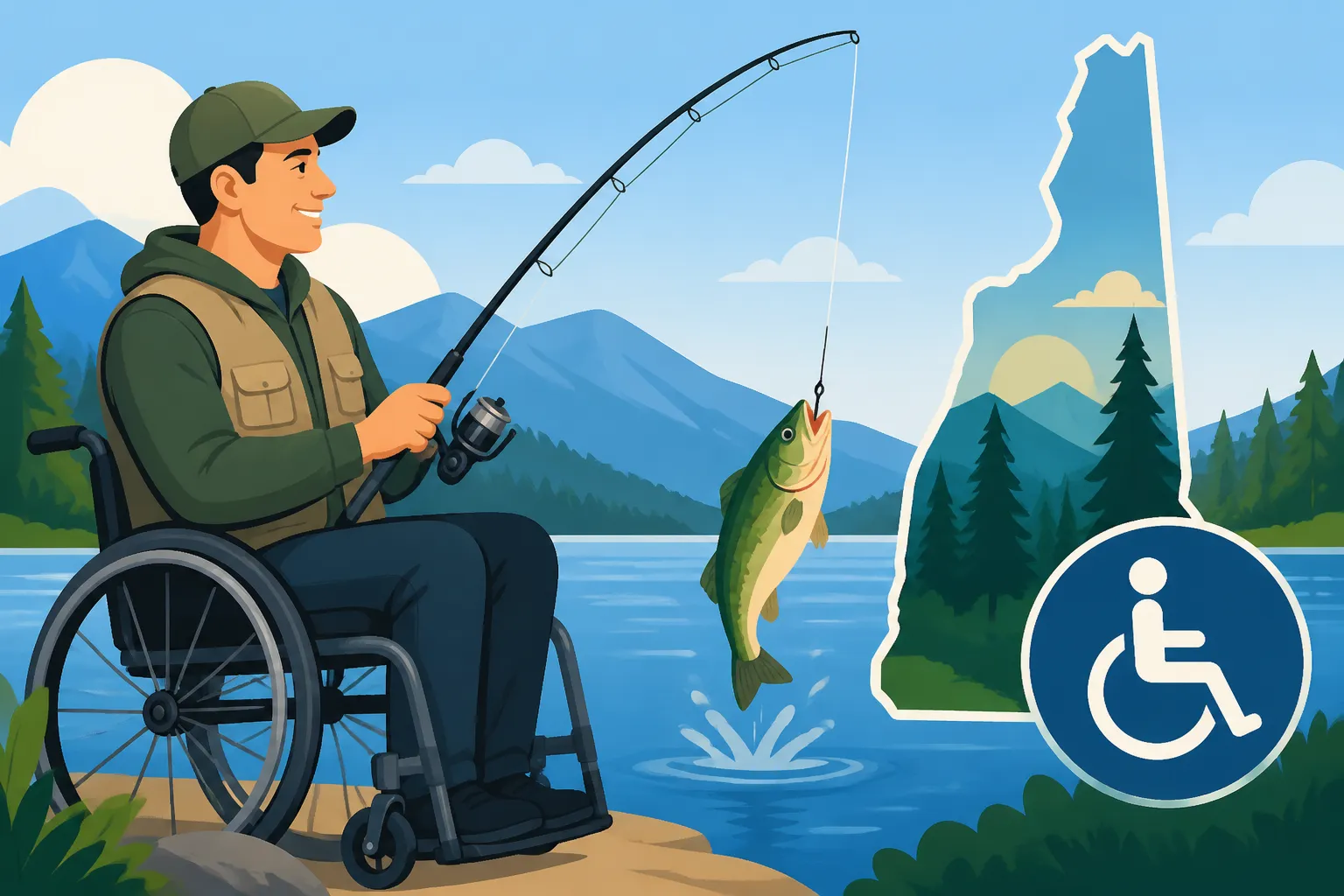
New Hampshire Fishing License for Disabled Residents
It can feel incredibly frustrating when you love the tranquility and challenge of fishing, but a disability makes you wonder if those peaceful days on New Hampshire's waters are still accessible or affordable. The good news is, they absolutely are! This comprehensive guide is here to walk you through everything you need to know about obtaining a New Hampshire fishing license specifically for disabled residents, ensuring you can continue to enjoy the Granite State's abundant fishing opportunities without unnecessary hurdles or financial strain.
Understanding Eligibility for a Disabled Resident Fishing License
Navigating the specifics of who qualifies for a disabled resident fishing license in New Hampshire can sometimes feel a bit like wading through dense regulations, but it's more straightforward than you might imagine. The state is committed to making fishing accessible, and that includes providing reduced-cost or free options for residents living with qualifying disabilities. The key is understanding what constitutes a "disability" in the eyes of the New Hampshire Fish and Game Department and what documentation you'll need to prove it.
Defining "Disability" for Fishing License Purposes
For the purpose of obtaining a discounted or free fishing license in New Hampshire, "disability" isn't a vague term; it refers to specific conditions that significantly impair an individual's ability to engage in normal life activities, often with a permanent or long-term prognosis. This can include physical limitations that make mobility or the act of fishing challenging, as well as certain cognitive or sensory impairments.
Generally, the New Hampshire Fish and Game Department looks for proof of a total and permanent disability. This isn't just a minor inconvenience; it means a condition that prevents you from performing any substantial gainful activity, or one that results in severe and prolonged functional limitations. Common examples might include individuals who are legally blind, those who have lost the use of a limb, or individuals with severe chronic conditions that impact their daily living. It’s important to remember that this isn't about being unable to fish, but rather about qualifying for the specific state-provided financial relief due to a recognized disability. This is part of the broader effort to provide Free and Discounted Fishing License Options in New Hampshire.
Required Documentation and Proof of Residency
Gathering the right paperwork is often the trickiest part, but it's essential for a smooth application process. You'll need solid proof of both your New Hampshire residency and your qualifying disability. For residency, typically this means a valid New Hampshire driver's license or state ID that shows you've been living here for at least six consecutive months. Other documents like utility bills, voter registration, or property tax bills can also help establish residency if your primary ID isn't sufficient or up-to-date.
When it comes to proving your disability, the state usually requires official documentation from a recognized authority. This could be a letter from the U.S. Social Security Administration (SSA) verifying total and permanent disability status, or documentation from the U.S. Department of Veterans Affairs (VA) confirming a 100% service-connected disability. Sometimes, a physician's statement or a report from a state agency that determines disability can also be accepted, but it must clearly state the permanency and severity of the condition as defined by state statutes. Make sure any medical documentation is recent and specifically addresses the criteria for total and permanent disability, as vague doctor's notes might cause delays in your application for a New Hampshire fishing license for blind or disabled anglers.
The Application Process for Disabled Anglers
Once you understand the eligibility, the next step is actually applying for your license. The New Hampshire Fish and Game Department has made strides in making the application process accessible, but it still requires attention to detail. Whether you prefer applying online, in person, or via mail, knowing the specific steps can save you a lot of time and potential frustration.
Step-by-Step Online Application
For many, the convenience of applying online is a huge plus, especially if mobility is a concern. The New Hampshire Fish and Game Department's online licensing system, operated by the state's official website, allows you to purchase various licenses from the comfort of your home. You'll typically create an account or log in using existing credentials.
During the online process, you'll select the type of fishing license you need and then, crucially, indicate your eligibility for a disabled resident license. This is where you'll likely be prompted to upload digital copies of your disability documentation and proof of residency. It's vital that these documents are clear, legible, and match the requirements discussed earlier. If you've been previously approved for a disabled license, the system might have your status on file, making renewal even easier. Always double-check all information before submission to avoid any hiccups, and remember to save or print a copy of your confirmation. For a general overview of online purchasing, you might want to read How to Buy a Fishing License Online in New Hampshire.
Applying In Person or Via Mail
While online applications are convenient, some prefer or require an in-person touch, or the mail-in option. You can apply for a disabled resident fishing license at the New Hampshire Fish and Game Department headquarters in Concord or at various license agent locations throughout the state. These agents are often local sporting goods stores or town clerks' offices.
When applying in person, bring all your original documentation for residency and disability. The agent will review your documents, help you fill out any necessary forms, and process your application on the spot. This can be beneficial if you have questions or need assistance with the paperwork. For mail-in applications, you'll need to download the appropriate forms from the NH Fish and Game website, fill them out completely, and enclose copies of your required documentation. Be sure to send these via certified mail or a service that provides tracking, especially when sending sensitive personal information. Always call ahead to the specific office or agent to confirm their hours and what they require, as processes can sometimes vary slightly.
Costs and Fees Associated
A significant benefit of the disabled resident fishing license is the reduced cost, or sometimes even a waiver of fees. While a standard annual New Hampshire resident fishing license might cost around $35 (for 2026, for example, as detailed in New Hampshire resident fishing license cost 2026), qualifying disabled residents often pay a significantly lower fee, or in some cases, receive the license for free. For instance, New Hampshire offers a special license for disabled residents who are permanently and totally disabled, which can be issued at no charge. There might still be a small transaction fee, even if the license itself is free, depending on where and how you purchase it.
It's important to clarify the exact cost at the time of application, as laws and fees can occasionally be updated. The state makes these provisions to ease the financial burden on disabled individuals, recognizing that fixed incomes or increased medical expenses can make recreational activities challenging. This commitment ensures that financial barriers don't prevent anyone from experiencing the joy of New Hampshire fishing.
Benefits and Limitations of the Disabled Angler License
Securing a disabled resident fishing license in New Hampshire opens up a world of opportunity, but it's important to understand both the privileges it grants and any specific limitations that might apply. Like any specialized license, it comes with its own set of rules designed to ensure fair access and sustainable fishing practices.
Scope of Fishing Privileges
The primary benefit, beyond the reduced cost, is the ability to legally fish in New Hampshire's abundant freshwaters. This typically includes most lakes, rivers, and ponds across the state, from the expansive waters of Lake Winnipesaukee to the serene trout streams in the White Mountains. A standard disabled resident license usually covers all freshwater species, allowing you to pursue everything from bass and trout to panfish and pickerel.
It's crucial to remember that while the license itself is discounted or free, you are still subject to all existing New Hampshire Fishing Regulations Explained, including bag limits, length limits, and season dates for specific species and water bodies. For instance, if you're targeting smallmouth bass, you'll still need to adhere to the New Hampshire Bass Catch-and-Release Season, Explained or the regular harvest season rules. This ensures that the fishery remains healthy and enjoyable for everyone. The disabled license is designed to remove financial barriers, not to exempt you from conservation efforts.
Potential Restrictions or Special Rules
While the disabled resident fishing license provides broad access, there might be specific nuances to be aware of. Generally, it covers freshwater fishing. If you're planning to try your luck in the coastal waters for striped bass or other saltwater species, you might still need to consider a separate New Hampshire Saltwater Fishing License, Explained, although some combination licenses exist. Always double-check the specifics of your license type.
Another point to consider is any specific regulations tied to your particular disability status. For example, some individuals who are legally blind might have different provisions or support available. It's always best to consult the official New Hampshire Fish and Game Department website or contact them directly if you have unique circumstances. There are also specific rules about age, as children below a certain age typically don't need a license at all, regardless of disability, as outlined in New Hampshire Fishing License Age Requirements. The purpose of these licenses is to provide equitable access while maintaining the integrity of the state's natural resources.
Additional Considerations for Disabled Anglers
Beyond just the license itself, there's a whole world of resources and practical advice that can make fishing in New Hampshire even more enjoyable and accessible for disabled anglers. From finding the right spots to utilizing adaptive equipment, a little extra planning can go a long way.
Accessible Fishing Locations
New Hampshire boasts numerous lakes, ponds, and rivers, and many of these have been improved to offer better accessibility. The New Hampshire Fish and Game Department, along with state parks and local conservation groups, often identifies and develops accessible fishing piers, docks, and trails. These spots typically feature paved paths, ramps, and stable platforms designed to accommodate wheelchairs and those with mobility challenges.
Some fantastic examples include certain areas on Lake Winnipesaukee, like the Weirs Beach dock, or accessible ponds within state parks like Pawtuckaway State Park. It's worth checking the NH Fish and Game website or calling local park offices for updated lists of truly accessible fishing locations. Organizations like adaptive sports groups in New England also often compile lists or host events at such locations, making it easier to connect with the angling community. Researching Best Fishing Lakes in New Hampshire or New Hampshire State Park Fishing Guide can help you narrow down options with accessibility in mind.
Adaptive Gear and Equipment
The world of fishing gear has evolved tremendously, with many innovations aimed at making the sport accessible to everyone. Adaptive fishing gear can make a huge difference, allowing anglers with various physical limitations to cast, reel, and handle fish effectively. This includes:
- Rod Holders: Hands-free rod holders that can be mounted to wheelchairs, boat seats, or pier railings.
- Electric Reels: For those with limited hand strength or dexterity, electric reels can take the effort out of retrieving lines.
- Casting Aids: Devices that assist with the casting motion, often used by individuals with limited arm or shoulder mobility.
- Specialized Seating: Comfortable, stable seats designed for all-day use on docks or boats.
- Modified Grips: Rods and reels with enlarged or textured grips for easier handling.
Many reputable outdoor retailers, as well as online platforms like Amazon, offer a wide array of adaptive fishing equipment. Searching "adaptive fishing gear" on Amazon, for instance, will yield numerous results from various brands. Don't be afraid to experiment or reach out to other disabled anglers for recommendations on what works best for specific conditions. Finding the right tools can truly transform your fishing experience.
Boating Safety and Adaptive Systems
If you're considering fishing from a boat, understanding New Hampshire Boating Laws for Anglers is paramount, and integrating adaptive systems can enhance safety and comfort. Many boats, from pontoon boats to specialized fishing vessels, can be modified to better suit disabled anglers.
Consider installing features like:
- Handrails and Grab Bars: Strategically placed for stability when moving around the boat.
- Accessible Seating: Swivel seats with backrests or custom benches.
- Ramps or Lifts: For easier boarding and disembarking from the dock.
- Adaptive Controls: For steering or operating a trolling motor, if necessary.
Always prioritize safety. Ensure you have the appropriate New Hampshire required boat safety equipment checklist on board, including life jackets that fit comfortably and don't impede movement. If you're purchasing gear for your boat, check platforms like Amazon for specific marine accessories that can be adapted. It's also wise to boat with a companion who can assist, especially when navigating new waters or in challenging conditions. The goal is to maximize independence while always ensuring a safe and enjoyable outing on the water.
Frequently Asked Questions About Disabled Fishing Licenses
Even with a comprehensive guide, specific questions always pop up. Here are some of the most common inquiries regarding New Hampshire fishing licenses for disabled residents, with clear and direct answers to help clarify any lingering doubts.
How do I renew my disabled fishing license?
Renewing your disabled fishing license in New Hampshire is generally a straightforward process, especially if your disability status is already on file with the Fish and Game Department. Many anglers find it easiest to renew online through the official NH Fish and Game licensing portal. You'll typically log into your account, and if your disability status has been previously verified, the system should automatically apply the correct discounted or free license option for you.
If you initially applied in person or via mail, or if there have been any changes to your disability status or residency, you might need to go through a similar verification process for renewal. It's always a good idea to renew before your current license expires to ensure continuous legal access to New Hampshire's waters. Most annual licenses expire at the end of the calendar year, so planning your renewal around late fall or early winter is a good practice. You can also visit a local license agent to assist with the renewal.
Can I carry a digital copy of my license?
Yes, New Hampshire has embraced modern convenience, allowing anglers to carry a digital copy of their fishing license. Once you've purchased your license, whether online or in person, you can often access a digital version through the state's official licensing app or by downloading a PDF to your smartphone. This means you don't necessarily need a physical paper copy, which can be a huge relief, especially if managing multiple items is challenging.
However, it's absolutely crucial that you can readily display this digital license to a Fish and Game officer if requested. This means having your phone charged and ensuring the digital file is easily accessible. While having a digital copy is convenient, some anglers still prefer to print a paper copy to carry in their tackle box or wallet as a backup, just in case their phone battery dies or they lose signal in a remote area. For more details, check out Printing or Carrying a Digital Fishing License in New Hampshire.
What if my disability status changes?
If your disability status changes, particularly if your condition improves to a point where you no longer meet the criteria for a total and permanent disability, it's your responsibility to notify the New Hampshire Fish and Game Department. While this is a rare occurrence for those with permanent disabilities, it's important to understand the regulations. If your status no longer qualifies you for the special license, you would then need to purchase a standard resident fishing license for subsequent years.
The system is built on trust and accuracy. Continuing to use a disabled license when you no longer qualify could lead to complications. When in doubt, always reach out to the NH Fish and Game Department directly to discuss your specific situation. They are there to help ensure everyone is compliant with the state's fishing regulations.
Are there any specific fishing events for disabled anglers?
Absolutely! While not directly related to the license itself, many organizations in New Hampshire and across New England host specific fishing events or programs tailored for disabled anglers. These events are fantastic opportunities to connect with fellow anglers, learn new techniques, and experience the joy of fishing in a supportive and accessible environment.
Organizations like Northeast Passage, Project Healing Waters Fly Fishing (for disabled veterans, which also offers a special New Hampshire fishing license for disabled veterans), and local conservation groups often organize "adaptive fishing days" or clinics. These events typically provide specialized equipment, volunteer assistance, and access to prime fishing locations. Keep an eye on local community calendars, fishing club newsletters, and the New Hampshire Fish and Game Department's event listings for information on these invaluable opportunities. They're a wonderful way to enjoy the sport and build community.
Wrapping Up Your Accessible Fishing Journey
Securing a New Hampshire fishing license as a disabled resident might seem like a bureaucratic hurdle at first, but with a clear understanding of the eligibility requirements, application processes, and available resources, it's a manageable step toward enjoying the state's incredible fishing opportunities. New Hampshire is truly a gem for anglers, offering everything from serene mountain streams to vast, fish-rich lakes. Don't let a disability deter you from experiencing the peace and excitement that fishing brings.
Remember to gather all your necessary documentation, whether you choose to apply online or in person. Take advantage of accessible fishing spots and consider investing in adaptive gear, which can be readily found on platforms like Amazon. The goal is to make fishing as comfortable, safe, and enjoyable as possible for everyone. So, get your license sorted, pack your gear, and get ready to cast a line into the beautiful waters of the Granite State. Happy fishing!
Disclaimer
The information provided in this guide is for general informational purposes only and does not constitute legal advice. While we strive to provide accurate and up-to-date information, fishing regulations and licensing requirements in New Hampshire can change. It is always the responsibility of the individual angler to verify current regulations and requirements with the official New Hampshire Fish and Game Department before engaging in any fishing activities.