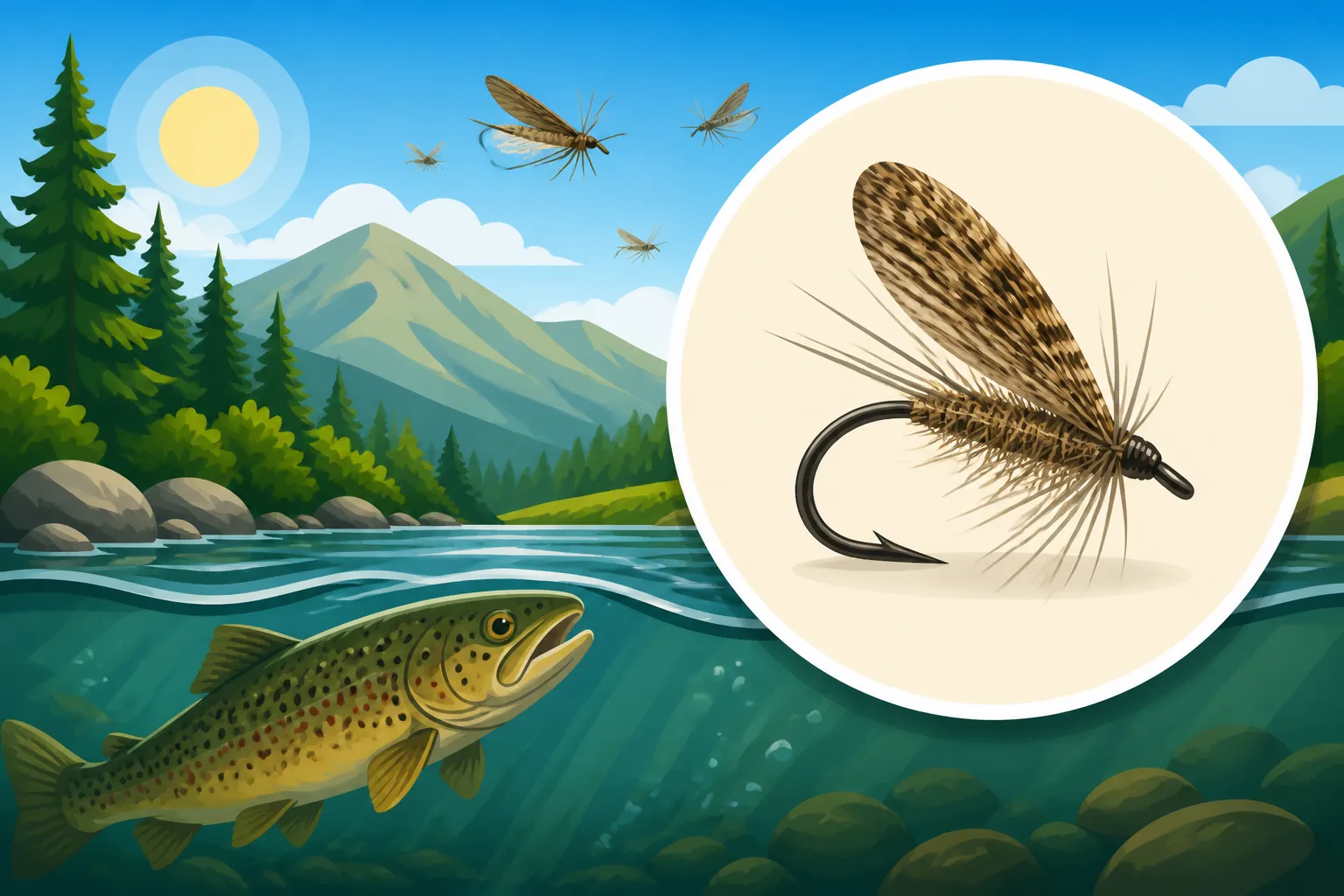
Best fly for a summer caddis hatch
There's nothing quite as frustrating as showing up to your favorite New Hampshire trout stream, seeing fish rising all around, and feeling completely baffled about what they're actually eating. Many anglers struggle to identify the specific insect that's hatching, especially when it comes to the active, fluttering caddisflies of summer. This comprehensive guide will pull back the curtain on the best fly patterns and techniques to confidently fish a summer caddis hatch in the Granite State, helping you hook into more of those elusive trout.
Understanding the Summer Caddis Hatch in New Hampshire
Summer in New Hampshire means warmer water, lush stream banks, and an explosion of insect life. Among the most prolific and important for trout anglers are caddisflies. These fascinating insects go through a complete metamorphosis, and understanding each stage is crucial to choosing the right fly.
The Caddisfly Life Cycle and Trout Behavior
Caddisflies, unlike mayflies which primarily hatch from the bottom and drift, can be quite active. Their life cycle begins as an egg, which hatches into a larva. Caddisfly larvae often live in protective cases made of small pebbles, twigs, or leaves, clinging to the stream bottom. They are a constant food source for trout, whether or not a hatch is occurring. When it's time to emerge, the larva transforms into a pupa within its case. This pupal stage is where things get really interesting for anglers.
When caddis pupae decide it's time to hatch, they swim rapidly from the bottom to the surface, where they quickly shed their pupal shuck and emerge as adults. This dash to the surface and the subsequent emergence is a high-risk, high-reward event for trout. They see these struggling pupae and emerging adults as easy meals, often smashing them with aggressive rises that can be quite distinct from the more gentle sips of a mayfly hatch. The adults, once on the surface, often scurry or "skitter" across the water to find cover or take flight, another behavior trout key in on. This variety in their lifecycle and behavior means you need a diverse fly box.
When and Where Caddis Hatches Occur
While caddisflies can be found in New Hampshire's rivers and streams throughout the warmer months, summer brings some of the most consistent and intense hatches. You'll often find them most active on warm, humid days, particularly in the late afternoon and evening, or even into dusk. Some species hatch reliably at dawn. Look for them in areas with good current and rocky bottoms, as these are prime habitats for their larval and pupal stages.
Rivers like the Pemigewasset, Saco, and Merrimack are known for strong caddis populations, as are many of the smaller, freestone streams throughout the White Mountains. Best Fly Fishing Rivers in New Hampshire offers more insights into specific locations. You'll often see the adults fluttering around streamside vegetation, especially in the evening. Keep an eye out for their distinctive tent-shaped wings and often green, tan, or brown bodies. Understanding the general size and color of the natural insects in your chosen waterway is key to selecting the right artificial.
Key Caddis Fly Patterns for New Hampshire Summer Hatches
When the caddis are popping, you need to be ready with a variety of imitations. Different patterns are designed to mimic the caddis at various stages of its life cycle, from the underwater pupa to the struggling adult.
Dry Fly Patterns: Imitating Adult Caddis
The excitement of a caddis hatch often centers around the adult stage, when trout are aggressively feeding on the surface. These patterns are designed to float well and often incorporate materials that suggest movement or "bugginess."
- Elk Hair Caddis: This is arguably the most famous and versatile caddis dry fly, and a staple in any New Hampshire fly angler's box. Its spun elk hair wing provides excellent buoyancy and a buggy profile that fish absolutely love. You can fish it dead-drift, or, if the fish aren't responding, give it a subtle twitch or skate it across the surface to mimic a skittering natural. It's incredibly effective when trout are actively slashing at adults on the surface. Carry them in sizes #12-18, and in olive, tan, and natural gray.
- Goddard Caddis: Known for its extremely buoyant and durable deer hair body and wing, the Goddard Caddis is a fantastic choice for faster, choppier water where you need a fly to stay afloat. It has a slightly more robust profile than the Elk Hair Caddis, making it ideal for bigger trout or when the naturals are larger. This pattern is particularly good during peak hatch activity when fish are less selective about exact imitation and more focused on the general impression of a fluttering meal. Sizes #10-16 are usually appropriate.
- X-Caddis: This pattern offers a slightly more realistic profile with a trailing shuck of Z-Lon or similar material, suggesting an adult caddis that has just emerged from its pupal case. The trailing shuck can be a key trigger for selective trout that are looking for easy meals still somewhat encumbered by their metamorphosis. It's a great choice when trout are rising consistently but seem to refuse simpler dry flies. Try it in tan or olive, sizes #14-18.
- Stimulator: While often considered a generic attractor pattern, the Stimulator with its bushy hackle and deer hair wing does a fantastic job imitating larger adult caddis. Its substantial profile and high-floating nature make it excellent for searching out fish in varied water types, especially faster runs and pocket water. If you're fishing a wider river like the Connecticut and notice large caddis, a Stimulator can be deadly.
Emerger and Pupa Patterns: The Crucial Subsurface Transition
Often, trout will feed heavily on caddis pupae and emergers just below or in the surface film, completely ignoring dry flies. This is when understanding the subsurface stage becomes paramount. These patterns mimic the insect as it rises through the water column or struggles to break free of its shuck.
- LaFontaine's Emergent Sparkle Pupa: This pattern is a masterpiece, accurately imitating a caddis pupa swimming to the surface, complete with a "sparkle" effect created by an antron or Z-Lon shuck. The fish often key in on the gas bubble trapped within the shuck of the natural pupa, which this fly cleverly imitates. Fish it on a dead drift, allowing it to swing slightly at the end of the drift, suggesting a pupa breaking free. This is a must-have for any New Hampshire caddis hatch and is often overlooked by anglers focused solely on dry flies. Sizes #14-18 in olive, tan, or green are effective.
- CDC Caddis Emerger: Flies tied with CDC (Cul de Canard) feathers are incredibly effective for emergers because CDC traps air bubbles, creating a lifelike translucence and buoyancy. This pattern sits perfectly in the surface film, mimicking a caddis struggling to emerge. It's especially deadly on calmer stretches of water where trout can get very selective about how their food looks and behaves. Fish it with a very light leader and tippet for a subtle presentation.
- Soft Hackle Caddis: This classic "wet fly" is a fantastic general emerger pattern. The soft hackle moves enticingly in the current, mimicking the legs and antennae of an ascending pupa. It can be fished on a swing, drifted naturally, or even stripped subtly to suggest movement. This pattern is particularly effective when you see fish slashing or porpoising, indicating they're intercepting pupae just below the surface. Try brown, olive, or partridge & green in sizes #12-18.
Larva Patterns: Constant Subsurface Food
While not strictly part of the "hatch" itself, caddis larvae are a year-round food source for trout. Having a few larva patterns on hand can save the day when trout aren't looking up or for pre-hatch feeding.
- Caddis Larva: Simple and effective, these patterns imitate the free-living or cased caddis larvae that drift dislodged from the bottom. They are often tied with a segmented body and can be weighted to get down to the fish quickly. Colors like olive, green, and cream are standard. Fish these as nymphs, often with a strike indicator, prospecting deeper runs and pools.
- Hare's Ear Nymph: While a versatile nymph that imitates many aquatic insects, a Hare's Ear can effectively suggest a caddis pupa or larva. Its buggy, mottled appearance is highly attractive to trout. When in doubt and a caddis hatch is expected, a Hare's Ear in a size #12-16 can be a great search pattern, especially fished in conjunction with an emerger.
Here's a quick reference table for some top summer caddis patterns:
| Caddis Stage | Fly Pattern | Description & Key Use | Sizes | Common Colors |
|---|---|---|---|---|
| Adult | Elk Hair Caddis | High-floating, buggy, versatile for dead-drift or skittering. | #12-18 | Tan, Olive, Grey |
| Adult | Goddard Caddis | Extremely buoyant, durable, great for faster water and larger naturals. | #10-16 | Tan, Brown |
| Adult | X-Caddis | Realistic profile with trailing shuck, effective for selective risers. | #14-18 | Tan, Olive |
| Emerger/Pupa | LaFontaine's Emergent Sparkle Pupa | Mimics pupa ascending with gas bubble, deadly for subsurface feeders. | #14-18 | Olive, Tan, Green |
| Emerger | CDC Caddis Emerger | Sits in surface film, realistic translucence, best for calm water. | #16-20 | Tan, Olive, Grey |
| Larva/Pupa | Soft Hackle Caddis | General wet fly, hackle creates movement, good for swinging in currents. | #12-18 | Partridge & Green |
| Larva/Pupa | Hare's Ear Nymph | General buggy nymph, good search pattern, effective when fish are deeper. | #12-16 | Natural, Brown |
You can often find a wide selection of these patterns, along with various fly-tying materials if you're into that, at larger outdoor retailers like Bass Pro Shops, or even order specialized ones through online platforms like Amazon. Having a variety on hand is truly the best approach.
Matching the Hatch: Tips for Success on New Hampshire Waters
Having the right flies is only half the battle; knowing how to use them effectively during a summer caddis hatch is what truly sets successful anglers apart.
Observing the Hatch: Size, Color, and Behavior
Before you even make a cast, take a few minutes to observe. What color are the caddis you're seeing? Are they small, delicate insects or robust, larger ones? How are the trout rising? Are they making aggressive splashes, indicating they're chasing skittering adults, or are they subtle sips, perhaps indicating emergers in the film? You might even spot the pupal shucks drifting on the surface, a clear sign that fish are focused on the emerging stage.
If you see fish aggressively breaking the surface, like a splash or jump, they're likely targeting adults. If you see more of a "porpoise" rise (the fish's back and tail briefly showing), they might be keying in on emergers just below the surface. A subtle dimple might indicate tiny adults or even very selective feeding on larger ones. Pay attention to the water type where the most rises are occurring. Caddis often hatch in riffles and runs, and the adults will be carried into quieter seams or eddies. Your leader and tippet choice is also critical; for wary fish, you might need to go down to 6x or even 7x tippet, especially in the clear waters you often find in New Hampshire. Fly Patterns for New Hampshire Trout Streams provides more context on general fly selection.
Presentation Techniques for Caddisflies
Caddisflies are rarely static, and your presentation should reflect that. A perfect dead drift is always a good starting point, but don't be afraid to experiment.
- Dead Drift: Even with an active insect, a natural, drag-free drift is often the most effective way to present an emerger or a fresh adult. Cast upstream and mend your line to ensure the fly travels at the same speed as the current, allowing it to float naturally over feeding fish.
- The Skitter: If fish are actively chasing caddis, try a subtle "skitter." After your Elk Hair or Goddard Caddis lands, give your rod tip a slight twitch, just enough to make the fly move a few inches across the surface. This can imitate a caddis trying to take flight and often triggers explosive strikes. This is best done in situations where fish are less leader-shy.
- The Leisenring Lift: For pupal patterns, cast slightly upstream and across, letting your fly sink. As the fly drifts downstream, slowly raise your rod tip. This causes the fly to rise through the water column, mimicking a pupa ascending to hatch. Many trout will hit the fly just as it begins its ascent or as it nears the surface. This is a very effective technique that can turn a slow day into an epic one.
- Swinging Wet Flies: For soft hackle caddis emergers, casting downstream and across, then allowing the fly to swing through the current, is a time-honored technique. The movement of the hackle in the current is incredibly lifelike and can entice strikes from fish that are not actively rising.
Always keep your leader and tippet as light as possible while still being able to turn over your fly. For small caddis patterns, you'll want fine tippet to avoid spooking fish. This is particularly true in the clear waters of New Hampshire's mountain streams. Consider reading Best Fluorocarbon Leader for Clear Lake Water for more on leader material, although that article focuses on lakes, the principles of invisibility apply.
Essential Gear and Tactics for Summer Caddis Fishing
Having the right tools for the job can make a world of difference when you're trying to fool picky trout during a hatch. From your rod to the smallest accessory, attention to detail pays off.
Rod and Reel Setup for Delicate Presentations
For most New Hampshire trout fishing, especially with smaller caddis patterns, a lighter fly rod is ideal. A 3-weight or 4-weight rod, typically 7 to 9 feet long, offers the finesse needed for delicate presentations and protecting fine tippets.
- Rod Choice: A moderate-fast action rod will give you enough power to cast accurately in the wind but still have enough flex to make soft landings and absorb the shock of a sudden strike. A longer rod (8.5 to 9 feet) can also help with line control and mending on the water, which is crucial for drag-free drifts. Best Fly Rods for New Hampshire Trout Streams goes into more detail on specific rod types.
- Reel and Line: Your reel simply needs to balance your rod and hold your line. A good quality floating fly line, usually a weight-forward taper, is essential for casting dry flies and light emergers. Consider a line with a delicate front taper for softer presentations. Best Fly Line for Small Mountain Streams can offer more specific advice here. Don't overlook the importance of a properly matched leader and tippet; a 9-foot leader tapering to 5X or 6X is a good starting point for most caddis fishing.
Accessory Gear for Caddis Hatches
A few key accessories will make your caddis fishing experience much smoother.
- Floatant: Essential for keeping your dry flies riding high on the water. Carry both a liquid floatant for initial application and a desiccant powder or gel to dry out waterlogged flies. Gelling floatants are fantastic for Elk Hair Caddis.
- Nippers and Hemostats: For trimming tippet and easily unhooking fish. Having these quickly accessible will save you time and frustration.
- Strike Indicators: While you might be focused on dry fly action, sometimes a small, sensitive strike indicator is necessary when fishing pupa or larva patterns beneath the surface, especially when fishing a dry-dropper rig.
- Fly Box: A dedicated fly box for your caddis patterns, organized by size and type, will save you precious time on the water. Best Fly Boxes for Trout Streams can help you choose the right one.
- Polarized Sunglasses: Don't forget a good pair! They cut through the glare on the water, allowing you to see fish rising, track your fly, and even spot subsurface structure. You can find excellent options from a variety of manufacturers, including through online retailers like Amazon.
Reading the Water for Caddis
Caddisflies thrive in oxygenated, moving water, which means riffles, runs, and pocket water are prime targets.
- Riffles: The shallow, broken water where the current speeds up is often where caddis hatch. Fish will position themselves at the head or tail of these riffles, waiting for emergers and adults to drift into softer water.
- Runs: Deeper, more consistent currents are excellent places to find feeding fish during a caddis hatch. Focus on the seams where fast water meets slow water, as these are natural holding lies.
- Pocket Water: In smaller mountain streams, the myriad of small pools and eddies behind rocks and logs are perfect for targeting individual fish feeding on caddis. This requires short, accurate casts and quick mends.
- Eddies and Backwaters: After hatching in the main current, many adult caddis will drift into calmer eddies or backwaters before taking flight. Trout will often move into these areas to feed on concentrations of adults.
Always be aware of your surroundings and approach the water quietly. Trout can be surprisingly spooky, especially in clear, low-light conditions. Wading Techniques for New Hampshire Trout Streams emphasizes the importance of a stealthy approach. By combining knowledge of the caddis lifecycle, a well-stocked fly box, and effective presentation techniques, you'll be well on your way to mastering the summer caddis hatch on New Hampshire's beautiful waters.
Disclaimer
This article is for general informational purposes only and does not constitute professional advice. Laws, prices and regulations vary by location and change over time. Consult a qualified professional for guidance on your specific situation.