Best boat seat for all-day lake fishing
There's nothing quite like spending a long, glorious day out on the water, whether you're chasing smallmouth bass on Lake Winnipesaukee or trolling for lake trout on Newfound Lake. But let's be honest, those long hours can turn into an agonizing experience if your boat seat isn't up to snuff. That nagging backache or numb backside can totally derail your focus and cut your trip short. This guide is all about helping you navigate the options and choose the best boat seat for all-day lake fishing, ensuring your comfort lasts as long as your fishing ambition.
The Unsung Hero: Why Your Boat Seat Is More Than Just a Place to Sit
When you're out fishing, it's easy to focus on your rod, reel, and tackle, but an often-overlooked piece of gear can make or break your day: your boat seat. It’s not just about having a spot to rest; it's about comfort, endurance, and even safety. We've all been there, pushing through discomfort because the fish are biting, only to pay for it later with a stiff back or sore muscles. A truly great boat seat acts as an extension of your body, supporting you through every cast, troll, and battle.
Think about the varied conditions you might encounter on New Hampshire's expansive waters. One moment you might be slowly drifting in a quiet cove on Squam Lake, soaking up the sun and barely moving, while the next, you're navigating choppy waters on a breezy day, needing stable support. Your seat needs to provide consistent comfort, whether you're actively casting, patiently waiting for a bite, or cruising across the lake. This isn't just about luxury; it's about enabling you to fish longer, stay more focused, and ultimately, enjoy your time on the water to its fullest. An uncomfortable seat can lead to fidgeting, distraction, and even prematurely packing it in when you could have had another hour of prime fishing.
Impact on Fishing Performance and Endurance
An uncomfortable boat seat directly impacts your ability to fish effectively. When your body is constantly shifting to find a comfortable position, your casting accuracy can suffer, your concentration wanes, and you might even miss subtle bites. Imagine trying to precisely drop a jig next to a submerged structure on Lake Winnisquam when your lower back is screaming. It’s practically impossible to maintain the necessary focus. A good seat allows you to maintain proper posture and reduces fatigue, which in turn helps you stay sharp and responsive.
Consider the physical demands of different fishing techniques. If you're going to be trolling all day for salmon on Sunapee Lake, you need a seat that provides excellent lumbar support to prevent slouching and strain over hours of sitting. If you're casting and retrieving repeatedly for smallmouth bass on a river, you might prefer a seat that allows for easy swiveling and movement without feeling restrictive. Furthermore, maintaining energy for long days is crucial. A supportive seat helps conserve your energy, allowing you to sustain your fishing effort from dawn till dusk without feeling completely drained, ready for another day on the water. Best Time of Year to Fish in New Hampshire discusses how to plan your trips for maximum success, and comfort helps with that.
Health and Safety Considerations
Beyond comfort and performance, a well-designed boat seat plays a role in your long-term health and on-the-water safety. Poor seating can exacerbate existing back problems, contribute to poor circulation, and lead to chronic pain over time. Investing in an ergonomic seat is an investment in your well-being. This is especially true for those of us who spend countless hours year after year on the water. The cumulative effect of bad posture and inadequate support can lead to real, lasting issues.
From a safety perspective, a stable, securely mounted seat is crucial. When your boat hits an unexpected wave or wake, you need to feel firmly planted. A flimsy or poorly installed seat can become a hazard, potentially throwing you off balance or even out of the boat in extreme conditions. Look for seats that bolt down securely and offer a solid base. Also, consider how the seat integrates with other safety gear. For instance, is there enough space to comfortably wear a life jacket, especially if you're abiding by New Hampshire life jacket rules for children under 13 for younger passengers? Your seat shouldn't impede quick movement or access to safety equipment.
Decoding Comfort: Essential Features for All-Day Boat Seats
Choosing the right boat seat isn't just about picking one that looks nice; it's about evaluating its features against the demands of all-day fishing. Every angler has different needs, but some core elements contribute universally to comfort and durability. Taking the time to consider these aspects will ensure you invest in a seat that truly enhances your New Hampshire fishing adventures. You might browse options at local outfitters or explore online retailers like Bass Pro Shops to get a feel for the variety available.
Ergonomics and Support: Lumbar, Hip, and Thigh Comfort
The backbone of any comfortable boat seat is its ergonomic design. This means how well it supports your body’s natural curves and weight distribution. Lumbar support is paramount, as many anglers suffer from lower back pain after hours of sitting. A seat with adjustable lumbar support or a naturally contoured backrest can make a world of difference. Your hips and thighs also need proper cushioning and support to prevent pressure points and improve circulation.
When you sit in a seat, your feet should ideally be able to rest flat or be comfortably propped. If your legs dangle or are forced into an awkward position, it will lead to discomfort. Look for seats that provide ample thigh support without digging into the back of your knees. Some seats even feature a slightly elevated front edge to keep you from sliding forward, which is a subtle but highly effective ergonomic detail. Spending a few minutes actually "test-sitting" a seat, as you might do at a Bass Pro Shops store, can reveal a lot about its real-world comfort and support, far more than just looking at pictures.
Materials and Weather Resistance
New Hampshire weather can be unpredictable, ranging from scorching summer sun to cold, damp spring mornings. Your boat seat needs to stand up to these elements. Marine-grade vinyl is a popular choice for upholstery due to its resistance to UV rays, mildew, and moisture. Avoid cheaper materials that can crack, fade, or become brittle after just a season or two. The foam padding inside is equally important; high-density foam retains its shape and provides long-lasting comfort, unlike softer foams that quickly compress and offer no support.
The frame of the seat should also be robust and corrosion-resistant. Aluminum or heavy-duty plastic frames are ideal, as they won't rust when exposed to moisture. Stainless steel hardware is a must to prevent seizing and ensure longevity. Pay attention to the stitching on the upholstery as well—double-stitched seams using UV-resistant thread will prevent unraveling and tears. A seat might look good now, but if the materials aren't built for the harsh marine environment, you'll be replacing it sooner than you'd like.
Adjustability and Swivel Capabilities
Flexibility is key for an all-day fishing seat. Look for features that allow you to customize your seating position. A seat that swivels 360 degrees freely is almost non-negotiable for most fishing scenarios, allowing you to quickly turn and face a biting fish or re-orient yourself without standing up. Adjustable height pedestals can be a game-changer, letting you raise or lower your seating position to get a better view or to comfortably reach your tackle.
Some advanced seats offer additional adjustments, such as reclining backs or flip-up bolsters. A flip-up bolster, for instance, allows you to lean against it while standing, providing support during rougher conditions or when you want to stretch your legs but still remain engaged in the fishing. For a boat that serves multiple purposes or has different anglers using it, adjustability ensures that everyone can find their optimal comfort zone. Being able to adapt your seat to different fishing techniques or changing conditions, such as a shift in current or wind on the Connecticut River, greatly enhances your overall experience.
Finding Your Perfect Perch: Different Boat Seat Styles for New Hampshire Anglers
Just like there are different types of boats suitable for Best Boats for New Hampshire Lakes and Rivers, there are also various boat seat styles, each with its own advantages and ideal applications. Understanding these differences will help you narrow down your options and choose the style that best suits your fishing habits and the kind of New Hampshire waters you frequent.
Pedestal Seats: Versatility and Visibility
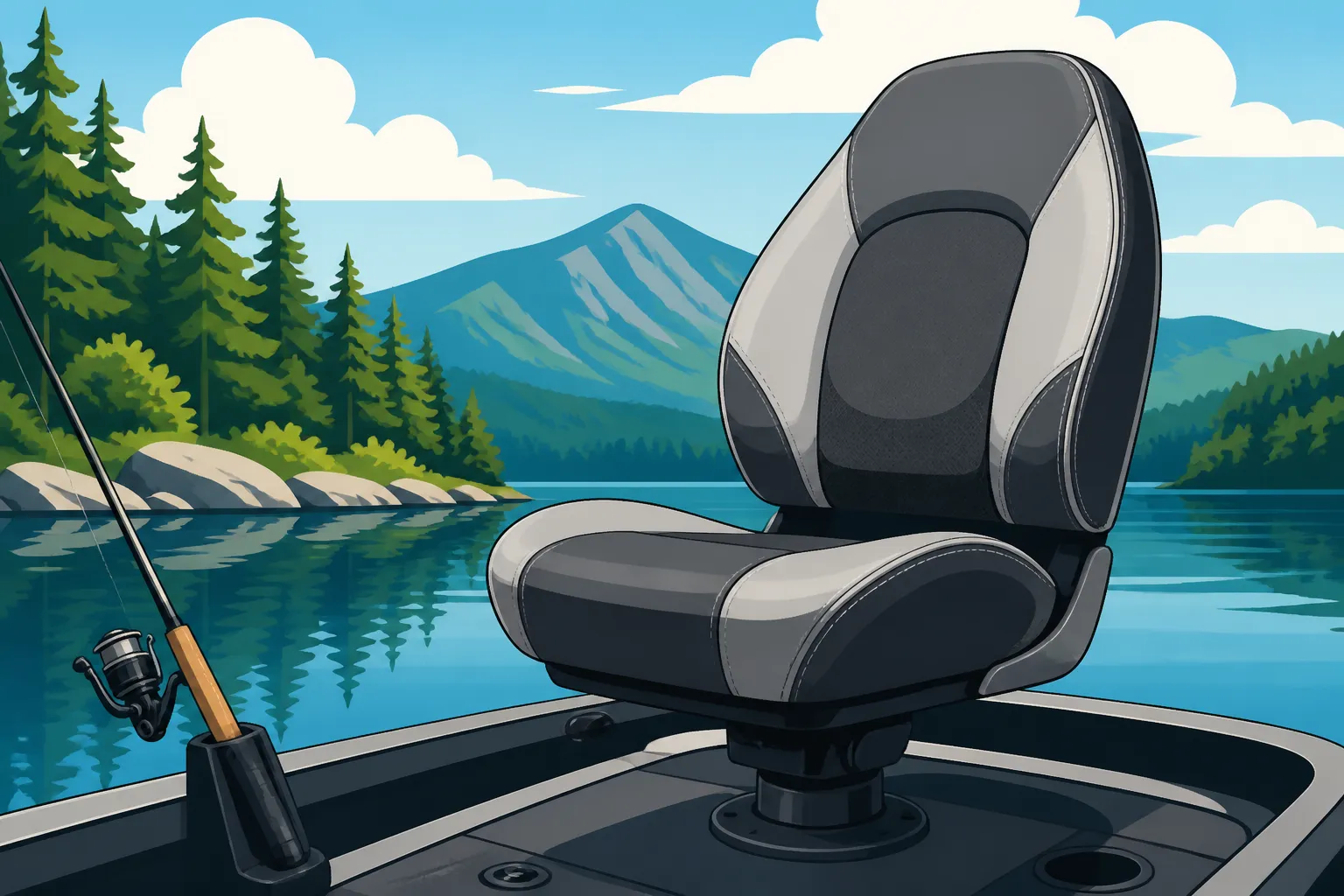
Pedestal seats are perhaps the most common type found on fishing boats, and for good reason. They offer excellent versatility. Mounted on a single pedestal, they typically allow for 360-degree rotation and often feature adjustable height. This means you can easily turn to cast in any direction, monitor multiple lines, or chat with fellow anglers. The elevated position also gives you a better vantage point, which can be crucial for spotting structure or subtle surface activity.
| Seat Type | Pros | Cons | Ideal For |
|---|---|---|---|
| Pedestal | 360-degree swivel, adjustable height, good visibility, comfortable | Can be bulky, takes up deck space when not in use | Trolling, sight fishing, general all-around lake fishing, boats with ample deck space |
| Folding | Space-saving, often lighter, economical, easy to store | Less ergonomic support, may not be as durable for heavy use | Smaller boats, occasional use, boats with limited space, budget-conscious anglers |
| Bucket | High back support, ergonomic contour, secure seating in rough water | Can be restrictive for active casting, typically fixed height | Extended periods of sitting (trolling), rough water conditions, passengers needing extra support |
| Leaning Post | Allows standing support, great for quick transitions, saves space | Not designed for sitting, minimal back support | Active casting, stand-up fishing, smaller center console boats, situations requiring constant movement |
Pedestal seats are fantastic for anglers who spend a lot of time trolling on large lakes like Lake Winnipesaukee, where maintaining a steady watch is important, or for those who like to sight fish in clearer waters. The height adjustment means you can tailor it to your specific needs, whether you're standing occasionally or settling in for a long session. For many, a good quality pedestal seat with ample cushioning and back support is the go-to for all-day comfort.
Folding and Bucket Seats: Space-Saving and Secure Options
Folding seats are a favorite for smaller boats, open utility boats, or situations where deck space is at a premium. Their primary advantage is their ability to fold down flat, making them incredibly compact for storage or when you need extra room on the boat. This feature is particularly useful if you're frequently moving gear around or have multiple passengers. While they might not offer the same level of ergonomic support as a dedicated pedestal seat, many modern folding seats now incorporate better padding and contoured designs for improved comfort.
Bucket seats, on the other hand, provide a more secure, enveloping feel. They often have higher backs and deeper contours, cradling the occupant more effectively. This makes them an excellent choice for rougher water conditions, where you need to feel firmly planted in your seat. They offer superior back and side support, which can be invaluable when crossing choppy sections of Lake Champlain (though that's not New Hampshire, the principle applies to larger New Hampshire lakes like Winnipesaukee on a windy day!). While they may not be as flexible for movement as a swivel pedestal seat, they offer a very stable and comfortable experience for those who prioritize security and robust support.
Leaning Posts and Specialty Seats: For Active Anglers
For the more active angler who prefers to stand and cast, or for boats with limited space, a leaning post can be a fantastic alternative. A leaning post isn't a seat in the traditional sense; it's a padded support that you lean against while standing. This provides stability and reduces fatigue without forcing you into a seated position. They are particularly popular on center console boats and for fishing styles that involve constant casting, like targeting striped bass in Great Bay Striped Bass Fishing Rules.
Beyond these main categories, there are also specialty seats such as jump seats, which are often built into the boat's structure, or cooler seats, which serve a dual purpose. For kayak anglers, the seat is an integral part of the vessel itself, and choosing the Best Kayak for Winnipesaukee involves considering its built-in seating comfort for long paddles. Each type has its niche, and the best choice ultimately comes down to your personal fishing style, the size of your boat, and the specific demands of your favorite New Hampshire fishing spots. Many anglers even combine different types of seating on their boats to cater to various needs.
Beyond the Purchase: Installation, Maintenance, and Longevity Tips
Getting the best boat seat is only half the battle; proper installation and consistent maintenance are crucial to ensuring its longevity and continued comfort. A top-tier seat won't perform as expected if it's wobbly or poorly cared for. Think of it like taking care of your fishing reels – regular attention keeps them in prime working condition. You can find many marine accessory options and maintenance supplies through retailers like Amazon, often with helpful reviews for specific products.
Secure Installation for Safety and Stability
First and foremost, your boat seat must be installed securely. This isn't just about comfort; it's a critical safety issue. A loose seat can be extremely dangerous, especially when navigating rough waters or making sharp turns. Always use marine-grade stainless steel hardware for mounting to prevent corrosion. Ensure that the mounting surface on your boat is solid and can support the weight of the seat and its occupant, plus any dynamic forces from waves. If you’re replacing an old seat, check the existing mounting holes for wear or damage and consider reinforcing the area if necessary.
For pedestal seats, make sure the pedestal base is firmly bolted to the deck, and that the seat top attaches securely to the pedestal. Some pedestals offer a locking mechanism for the swivel, which can be a nice feature for added stability when running. If you're unsure about the installation process, it's always wise to consult your boat's manual or even a marine professional. You want to feel confident that your seat will stay put no matter what conditions you encounter on a windy day on Lake Winnipesaukee.
Cleaning and Care for Extended Life
Regular cleaning and proper storage will significantly extend the life of your boat seat. Marine-grade vinyl, while durable, still needs attention. After each outing, give your seat a quick wipe down with a damp cloth to remove fish slime, sunscreen, and general grime. For tougher stains, use a mild soap and water solution, or a specialized marine vinyl cleaner. Avoid harsh chemical cleaners, as they can degrade the vinyl over time, leading to cracking and fading.
UV protection is another key aspect of maintenance. The intense New Hampshire sun can be brutal on boat upholstery, causing it to fade and become brittle. Consider using a marine vinyl protectant or a boat cover when your boat is not in use. If your seat is removable, storing it indoors during the off-season or when the boat is not being used for extended periods can also dramatically prolong its life. Just like your Best Cooler for a Fishing Boat needs a good scrub, so does your seat! Paying attention to these simple steps will ensure your seat remains comfortable and presentable for many seasons to come.
Common Problems and Troubleshooting
Even with the best care, boat seats can develop issues. One common problem is the cushioning compressing or losing its support. This is often a sign that the foam inside is breaking down, especially if it was a lower-density material. While some seats allow for foam replacement, often the entire seat needs to be replaced to regain true comfort. Another issue is upholstery tears or cracks, which can be caused by excessive sun exposure, sharp objects, or simply age. Small tears can sometimes be repaired with marine-grade vinyl repair kits, but larger damage might necessitate professional re-upholstering or seat replacement.
Corrosion of hardware is another frequent headache, particularly if non-stainless steel components were used. Seized bolts or rusty frames can compromise the seat's stability and appearance. Regular inspection of all fasteners and frame components, especially around saltwater bodies like Great Bay, is essential. Replacing corroded parts promptly with stainless steel will prevent more extensive damage. Remember, addressing small issues early can prevent them from becoming big, costly problems, keeping you on the water and comfortable for longer.
Disclaimer
This article is for general informational purposes only and does not constitute professional advice. Laws, prices and regulations vary by location and change over time. Consult a qualified professional for guidance on your specific situation.