Best cooler size for a day on Winnipesaukee
Planning a day out on Lake Winnipesaukee promises incredible scenery, refreshing dips, and maybe even some great fishing, but there's nothing quite as frustrating as realizing you've either lugged an enormous, half-empty cooler onto the boat or, even worse, run out of cold drinks and fresh snacks halfway through a scorching summer afternoon. Choosing the right cooler size for your lake adventure isn't just about capacity; it's about comfort, convenience, and ensuring your provisions stay perfectly chilled. This guide will walk you through all the considerations to help you pick the ideal cooler, ensuring your day on the Big Lake is as smooth and enjoyable as possible.
Factors Influencing Your Winnipesaukee Cooler Size Choice
When you're preparing for a day on Lake Winnipesaukee, it's easy to just grab the biggest cooler you own, or perhaps the smallest, thinking it'll be "good enough." However, a truly enjoyable day trip hinges on a cooler that fits your specific needs. Several key factors should guide your decision, ensuring you're neither overpacked nor underprepared. Thinking through these points upfront can save you a lot of hassle and ensure your food, drinks, and even bait, stay at their prime temperature.
How Many People Are You Feeding (or Hydrating)?
This is perhaps the most fundamental question to ask yourself. Are you embarking on a solo fishing mission, planning a romantic afternoon for two, or hosting a lively group of friends and family? The number of people aboard your vessel or joining you on the shore directly correlates with the volume of drinks and snacks required. Imagine bringing a tiny personal cooler when you have five hungry friends with you—it just won't cut it. Conversely, a massive party cooler for just yourself will take up precious space and be a chore to move.
For a solo angler spending a quiet day targeting New Hampshire Lake Trout Ice Fishing Season Dates or enjoying some solitude, a compact 15-quart cooler might be more than enough for a few sandwiches, a couple of beverages, and maybe a small container of worms. If it's you and a partner, perhaps enjoying a picnic lunch at a scenic cove, a 25-30 quart cooler offers that extra space for more substantial meals and a wider variety of drinks. When you start adding kids or more adults, the demand for space escalates quickly. Each person typically requires at least a liter or two of liquid, plus snacks and meal items. A family of four might find a 35-45 quart cooler to be a comfortable minimum for a full day, especially if you're bringing lunch, multiple rounds of drinks, and maybe some fresh fruit. Larger groups, say six or more, will likely need something in the 50-70+ quart range to avoid constant refills or lukewarm beverages.
What Are You Packing (and How Much)?
Beyond just the headcount, the type and quantity of items you plan to store are critical. Are you simply packing a few cans of soda and some waters, or are you bringing a full-on picnic spread complete with salads, sandwiches, fruit, and dessert? Don't forget about ice – a significant portion of your cooler's volume will be taken up by ice itself, especially if you want your contents to stay cold all day in the New Hampshire summer sun.
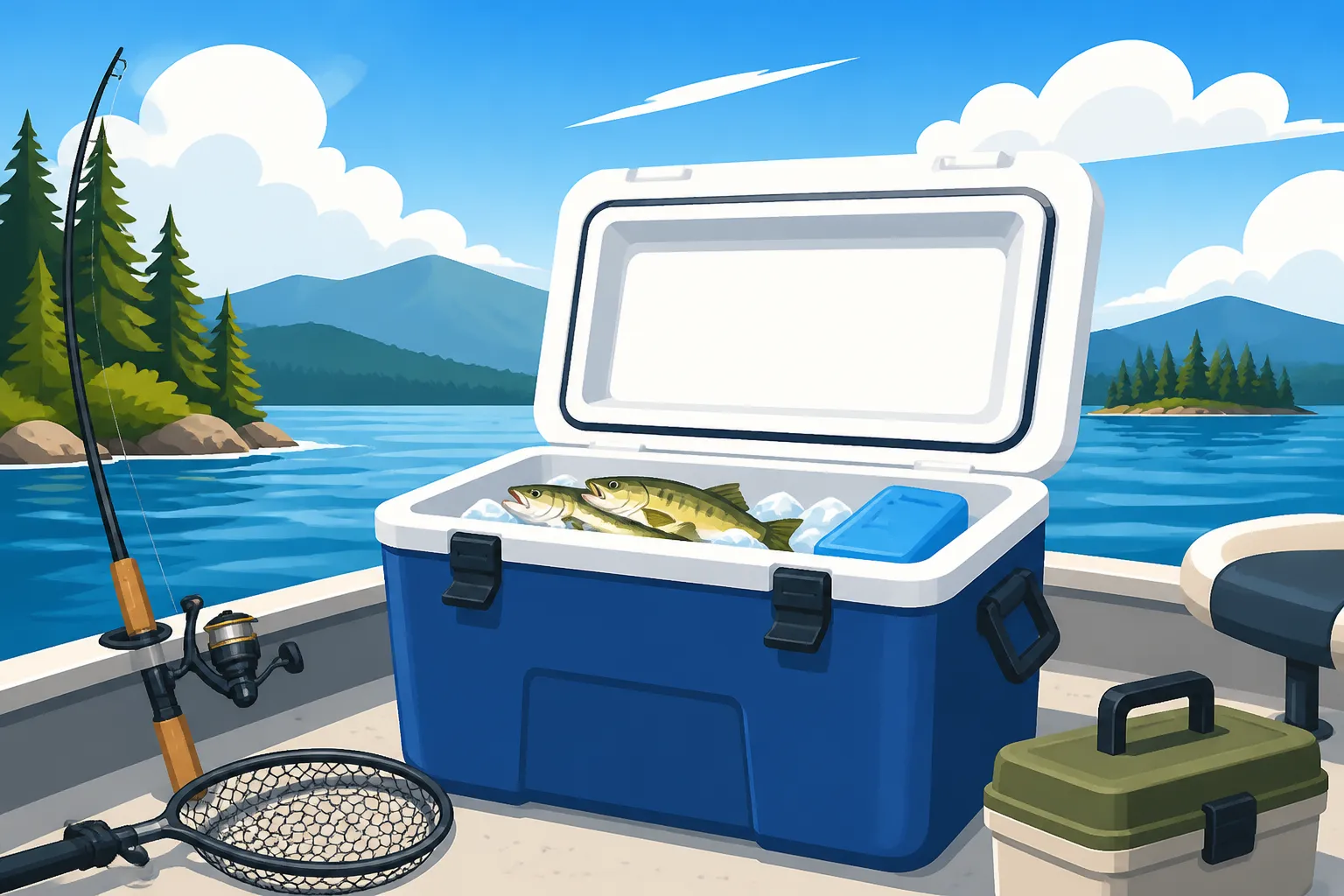
Consider if you'll be bringing alcoholic beverages, which often require more space than juice boxes. Are you planning to bring extra ice for refreshing drinks throughout the day, or just enough to keep your provisions cold? And for the anglers out there, will your cooler double as a temporary fish hold, or perhaps a dedicated bait cooler? If you plan on keeping your catch, especially if you're targeting species like lake trout that require New Hampshire Lake Winnipesaukee lake trout regulations, you'll need ample space not only for the fish but also for the ice necessary to keep them properly chilled for the ride home. A separate, smaller cooler for bait, perhaps a cheap styrofoam one you can easily discard, might be a smart choice to keep your food and bait distinctly separated.
How Long Is Your Day Trip?
The duration of your outing on Winnipesaukee profoundly impacts your cooler needs. A quick two-hour spin around the lake won't demand the same ice retention or storage capacity as an all-day excursion that stretches from dawn's first light until the sun dips below the western hills. The longer you plan to be out, the more critical efficient packing and appropriate cooler size become, especially when considering Best Time of Year to Fish in New Hampshire for extended periods.
For short trips, say three to four hours, you might get away with less ice and a slightly smaller cooler, as long as it's kept out of direct sunlight. However, for a full day on the water – think 8 to 10 hours or more – you'll need significantly more ice, and thus, a larger cooler. The sun beating down on a boat, even with a canopy, can quickly diminish ice reserves. This is where investing in a cooler with excellent insulation really pays off. If you're going to be out all day, consider that you might need snacks for mid-morning, lunch, and then potentially more snacks or drinks for the afternoon. A cooler that can comfortably hold everything without being crammed, allowing enough space for plenty of ice to circulate, will be your best friend. Overstuffing a cooler leaves no room for ice, and that's a recipe for warm drinks and spoiled food.
Common Cooler Sizes and Their Practical Applications on Winnipesaukee
Navigating the world of cooler sizes can sometimes feel a bit overwhelming, with quarts, liters, and even can counts being thrown around. To simplify things, let's break down the most common cooler size ranges and what they typically mean for your day on Lake Winnipesaukee. Understanding these categories will help you match your cooler to your adventure, whether you're heading out for Lake Winnipesaukee Smallmouth Bass Fishing or just a leisurely cruise.
Small Coolers (15-30 Quarts): Solo Missions and Quick Jaunts
These compact coolers are your go-to for minimalist outings or when space is at a premium. Typically holding anywhere from 12 to 25 standard cans (with some ice), they're incredibly versatile for specific scenarios. Think of them as your personal assistant for keeping essentials cold without being a burden.
For the solo angler heading out for an early morning Best Techniques for Early Spring Trout session on a smaller boat or kayak, a 15-quart cooler is often perfect. It can easily stow a few bottled waters, a sandwich, a piece of fruit, and perhaps a small bait container. It's light enough to carry from the car to the dock without breaking a sweat and won't hog precious deck space. Similarly, if you and a partner are just planning a short scenic cruise for an hour or two, a 20-quart model would comfortably hold a six-pack of beverages and some light snacks. Brands available on Amazon often have a wide selection in this size range, offering lightweight options that are easy to manage. These coolers are also excellent as a dedicated bait cooler, keeping your live bait frisky and ready for action without contaminating your food supply.
Medium Coolers (35-50 Quarts): Family Outings and Small Groups
This size range is arguably the sweet spot for many families and small groups exploring Winnipesaukee. Offering a balance between capacity and portability, these coolers generally hold between 30 and 45 cans, plus ice, making them ideal for several hours of enjoyment.
A 45-quart cooler, for instance, is a fantastic choice for a family of four or five enjoying a full afternoon on the lake. You can easily pack lunches, plenty of drinks for everyone, and even some extra snacks for those inevitable mid-afternoon hunger pangs. There's usually enough room for a decent amount of ice to keep everything cold for six to eight hours, especially if you're smart about pre-chilling your contents. Many coolers in this category come with sturdy handles and wheels, which is a huge bonus when navigating busy boat ramps or lengthy docks. For those fishing with friends, a 40-quart cooler could hold the group's refreshments and some space for a modest catch, keeping it cool until you get back to shore. You might find a great selection of these sizes at Bass Pro Shops, where you can physically compare models and features.
Large Coolers (60+ Quarts): Big Parties and Extended Adventures
When you're planning for a larger gathering, an all-day event, or need to keep a serious amount of provisions (or fish!) cold, you'll be looking at coolers in the 60-quart and above category. These are the workhorses, designed for significant capacity.
A 70-quart cooler, for example, is excellent for a party of six or more people enjoying a full day of boating, swimming, and maybe even some Lake Winnipesaukee Fishing Guide. It can hold multiple cases of drinks, elaborate picnic lunches, and still have ample space for enough block ice to last the entire day. If you're hosting a mini-reunion or a large group celebration on the water, you might even consider a 100-quart or larger cooler. These giants are also perfect for serious anglers who expect to bring home a substantial amount of fish from New Hampshire Bass Limits and Slot Rules or other species. They provide the volume needed to properly layer fish with ice, which is crucial for preserving quality. Be mindful, though, that a fully loaded large cooler can be incredibly heavy and cumbersome. Consider models with robust wheels and sturdy tow handles, or plan to have multiple strong hands available for transport. While they offer unparalleled capacity, they also demand significant space on your boat or in your vehicle, so always measure your available storage before committing to a truly massive cooler.
| Cooler Size (Quarts) | Approximate Can Capacity (with ice) | Ideal For | Typical Duration |
|---|---|---|---|
| 15-20 | 12-18 cans | Solo angler, personal lunch, bait cooler | 2-4 hours |
| 25-30 | 20-25 cans | 2 people, short picnics, specific food items | 3-5 hours |
| 35-40 | 30-35 cans | Small family (3-4 people), half-day outing | 4-6 hours |
| 45-50 | 40-45 cans | Family (4-5 people), full day trip | 6-8 hours |
| 60-75 | 50-65 cans | Larger groups (6+ people), extended day | 8-12+ hours |
| 90+ | 80+ cans | Big parties, serious fishing hauls | Full day+ |
Beyond Size: Other Cooler Features to Consider for Lake Winnipesaukee
While capacity is certainly a primary concern, the ideal cooler for a day on Lake Winnipesaukee involves more than just how many quarts it holds. The unique environment of the lake – with its bright sun, potential for boat jostling, and varying temperatures – calls for attention to other crucial features. Thinking about these aspects can significantly upgrade your lake experience, moving beyond simply keeping things cold to ensuring durability, ease of use, and overall enjoyment.
Ice Retention and Insulation Power
Let's face it, New Hampshire summers, especially out on the open water of Winnipesaukee, can get pretty warm. A cooler's ability to hold ice, often referred to as its "ice retention," is paramount. There's nothing worse than reaching for a refreshing drink only to find it lukewarm, or discovering your bait has overheated because the ice melted too quickly. This is where insulation comes into play.
High-quality coolers, often dubbed "rotomolded" coolers, feature thick, injected foam insulation in their walls and lids, creating a much more efficient thermal barrier than cheaper, thin-walled models. These can often hold ice for days, not just hours, which is a huge advantage for a long day on Winnipesaukee. While they tend to be heavier and more expensive, the investment often pays off in peace of mind and perfectly chilled contents. Look for features like freezer-grade gaskets around the lid and sturdy latches that create an airtight seal – these are indicators of superior insulation. If your cooler is going to be exposed to direct sunlight for most of the day, as is common on a boat, excellent ice retention becomes even more critical. You might save money initially on a less insulated cooler, but you'll spend more on ice, and potentially suffer the disappointment of spoiled food or warm drinks. Brands found at retailers like Bass Pro Shops frequently highlight their ice retention capabilities, often with specific duration claims, which can be a good starting point for comparison.
Portability and Boat Space
Even the perfect-sized cooler won't do you much good if it's a nightmare to transport or doesn't fit comfortably on your boat. Lake Winnipesaukee sees a wide range of vessels, from small fishing boats and kayaks to pontoon boats and large cruisers, and each has its own space constraints.
Consider how you'll get the cooler from your car to the boat. Will you be carrying it down a long dock? Models with robust wheels and an extendable handle can be game-changers for larger coolers, saving your back and energy. For smaller coolers, a comfortable padded handle is a must. Once on the boat, where will it sit? Measure the available space – under a seat, in a specific locker, or on an open deck area. A long, narrow cooler might fit better in some spots than a wide, bulky one, even if they have the same quart capacity. Some coolers are designed with a low profile to fit under casting decks or specific boat compartments. If you're using a kayak for Best Kayak Fishing Spots in New Hampshire, a cooler that integrates well with your kayak's storage, perhaps a soft-sided model or one specifically designed to fit behind the seat, will be far more practical than a rigid, oversized chest. Also, think about how it will open – does the lid need full clearance, or does it have a split lid or side access that works better in tight quarters?
Durability and Extra Features
A day on Winnipesaukee, especially one involving fishing, swimming, or active boating, can be tough on gear. You want a cooler that can withstand the elements and the inevitable bumps and scrapes.
Look for coolers made from durable, impact-resistant materials. Rotomolded construction (where the plastic is molded in one seamless piece) is often a hallmark of high-end, rugged coolers that can handle being dropped, stepped on, or exposed to sun and spray without cracking. Sturdy, corrosion-resistant hardware, like hinges and latches, is also essential for longevity in a marine environment. Beyond basic construction, many coolers offer thoughtful extra features. Built-in cup holders on the lid can be surprisingly convenient, preventing drinks from sliding around on a rocking boat. Non-slip feet are invaluable for keeping the cooler stable on a wet deck. Some even come with integrated cutting boards, bottle openers, or dry goods baskets, which can be incredibly useful for organizing snacks or keeping items like sandwiches from getting soggy. For anglers, a ruler molded into the lid for measuring your catch can be a handy addition. Even simple features like strong, comfortable handles and secure tie-down points (so your cooler doesn't go overboard in rough water) contribute significantly to the overall user experience on the lake.
Maximizing Your Cooler's Performance on the Lake
You've picked the perfect cooler size and features for your Winnipesaukee adventure – fantastic! But your cooler is only as good as the effort you put into using it effectively. Even the best cooler can disappoint if not packed properly. These tips will help you get the absolute most out of your chosen cooler, ensuring your refreshments stay colder, longer, and your day on the water remains truly refreshing.
Pre-Chilling and Smart Packing
This is perhaps the single most impactful thing you can do to extend your ice life, yet it's often overlooked. Throwing warm drinks and food into a non-chilled cooler on a hot day is like trying to cool a blast furnace with a garden hose – inefficient at best.
Pre-Chilling Your Cooler: The night before your trip, place a sacrificial bag of ice or a few frozen water bottles inside your empty cooler and close the lid. This allows the cooler's internal temperature and insulation to drop significantly, so it's already cold when you load your provisions. In the morning, you can dump that "pre-chill" ice (which will have mostly melted) and replace it with fresh, new ice for your trip.
Pre-Chilling Your Contents: Just as important, make sure all your drinks and food items are as cold as possible before they go into the cooler. Store beverages in the refrigerator overnight. Freeze water bottles (they double as ice packs!) and any food items that can be frozen, like sandwiches (which will thaw slowly and keep other items cold). Every degree colder an item is when it enters the cooler, the less work your ice has to do to cool it down, meaning your ice lasts longer.
Smart Packing Strategy:
- Bottom Layer (Ice): Start with a layer of ice on the bottom. Cold sinks, so this provides a good foundation.
- Heavy/Dense Items (Bottom): Place your heaviest, densest items (like large bottles of water, jugs of juice, or large meal containers) on this first layer of ice.
- More Ice: Add another layer of ice around these items.
- Lighter Items (Middle): Place lighter, more delicate food items (sandwiches, fruit, snacks) on top. Consider using a dry basket if your cooler has one, or place these items in sealed containers or Ziploc bags to prevent them from getting waterlogged as the ice melts.
- Top Layer (Ice): Finish with a generous layer of ice on top. The top of the cooler is usually the first place to warm up, so this provides crucial insulation.
- Minimize Air Space: Pack your cooler as full as possible, minimizing air pockets. Air pockets allow warm air to circulate, melting your ice faster. Use crumpled newspaper, towels, or even extra ice to fill any voids.
Ice Types and Management
Not all ice is created equal when it comes to cooler performance. The type of ice you use and how you manage it throughout the day can significantly impact how long your contents stay frosty. This is especially true for longer days on Winnipesaukee, perhaps when you're targeting New Hampshire Landlocked Salmon Regulations or other species that require good preservation.
Block Ice vs. Cubed Ice:
- Block Ice: This is your MVP for long-lasting cold. Large blocks of ice have less surface area exposed to warm air than an equivalent volume of cubed ice, meaning they melt much slower. For an all-day trip on Winnipesaukee, especially in summer, incorporating at least one large block of ice (even if you supplement with cubes) is highly recommended. You can often make your own by freezing water in large plastic containers or milk jugs.
- Cubed Ice: Great for quickly chilling items and filling gaps, cubed ice is excellent for initial chilling and surrounding oddly shaped items. However, it melts much faster than block ice due to its higher surface area. It's best used in conjunction with block ice for optimal results.
Gel Packs / Reusable Ice Packs: These are excellent supplements to actual ice, especially for keeping food dry. They don't melt into water, so your sandwiches won't get soggy. Freeze them solid and place them strategically between food items. Brands like Yeti and Engel offer high-performance gel packs that can be reused countless times.
Ice Management During Your Trip:
- Keep the Lid Closed: This seems obvious, but every time you open the cooler, you let out cold air and let in warm air, accelerating ice melt. Try to plan your access, grabbing multiple items at once if possible.
- Drainage (or Not): This is a point of debate among cooler enthusiasts. Some believe that draining meltwater keeps the remaining ice colder, as ice water is warmer than solid ice. Others argue that cold meltwater acts as insulation, keeping items submerged in it colder. For items that can get wet (like drinks in cans/bottles, or fish), leaving the water can be effective. For food that you want to keep dry, draining the water is essential, or simply use waterproof containers for your food. If you choose to drain, do so in moderation; don't let all the cold water out if you can help it.
- Sun Protection: Keep your cooler out of direct sunlight whenever possible. If your boat has a shaded area, place the cooler there. If not, consider throwing a light-colored towel or blanket over it to reflect some of the sun's rays.
By paying attention to these details, your cooler will perform like a champ, keeping your provisions perfectly chilled throughout your entire wonderful day on Lake Winnipesaukee.
Disclaimer
This article is for general informational purposes only and does not constitute professional advice. Laws, prices and regulations vary by location and change over time. Consult a qualified professional for guidance on your specific situation.