Reading the New Hampshire Freshwater Fishing Digest
It's incredibly frustrating, isn't it? You just want to enjoy a peaceful day on the water, but the thought of accidentally breaking a fishing rule can hang over your head like a dark cloud. Navigating the seemingly endless maze of New Hampshire fishing regulations can feel like trying to untangle a hundred-pound snarl of fishing line. This comprehensive guide will walk you through the New Hampshire Freshwater Fishing Digest, demystifying its contents and helping you understand exactly where to find the answers you need to fish legally and confidently.
Why the Fishing Digest is Your Angler's Bible
Let's be honest, few of us get excited about reading official documents. But when it comes to fishing in New Hampshire, the Freshwater Fishing Digest isn't just another dry government pamphlet; it's truly your ultimate resource for staying legal and informed. Think of it as your most experienced fishing buddy, one who knows every single rule and is always there to remind you of the latest changes. Without a firm grasp of its contents, you're essentially fishing blind, risking fines, gear confiscation, or even losing your fishing privileges, which nobody wants.
The New Hampshire Fish and Game Department works tirelessly to manage our fisheries, and this digest is the culmination of those efforts, providing a clear outline of how anglers can participate responsibly. It protects our precious aquatic resources for future generations while ensuring a fair and enjoyable experience for everyone today. Ignoring it is not only a risk to your wallet but also a disservice to the conservation efforts that keep our lakes and rivers teeming with fish.
Understanding Its Purpose and Importance
The primary purpose of the New Hampshire Freshwater Fishing Digest is to consolidate all current fishing laws and regulations into a single, accessible document. This includes everything from general statewide rules to very specific body-of-water regulations and species-specific limits. It’s designed to answer almost any question you might have about fishing legally within the Granite State. The digest is updated annually, usually released just before the new license year begins, which is why it's crucial to always refer to the most current edition. Rules can change, and what was legal last year might not be this year, so having the latest information prevents unpleasant surprises.
The importance of this digest cannot be overstated, especially for those new to fishing in New Hampshire or visitors from out of state. It lays out the framework for sustainable angling, ensuring that we don't overfish certain species or damage sensitive habitats. For example, knowing the proper catch-and-release protocols, often detailed within the digest, is vital for fish survival, especially for species like trout or salmon that are often handled carefully. Beyond just legality, understanding the spirit of the regulations fosters a sense of responsibility among anglers, contributing to a healthier ecosystem for all.
Where to Access Your Copy
Getting your hands on a copy of the New Hampshire Freshwater Fishing Digest is surprisingly easy. The most common and recommended method is to download the PDF directly from the New Hampshire Fish and Game Department's official website. This ensures you have the absolute latest version and can store it digitally on your phone or tablet for quick reference on the go. Many anglers even keep a waterproof printout in their tackle box or boat bag, which is a smart move if you're out of cell service. You can typically find print copies at most places where you can buy a fishing license, such as authorized license agents, bait and tackle shops, and sometimes even town clerks' offices.
When you're out shopping for new fishing gear, maybe a new rod or some tackle on Amazon, it's a good reminder to also check if your local tackle shop has the latest digest available. Many seasoned anglers make it a point to grab a physical copy each year, not just for convenience, but because sometimes flipping through pages feels more intuitive than scrolling on a screen, especially when you're trying to compare different sections quickly. No matter how you get it, ensure it's the current year's digest. An outdated copy is almost as bad as having no copy at all, as you might miss critical updates like changes to specific water body rules or new limits.
Navigating the Digest's Key Sections
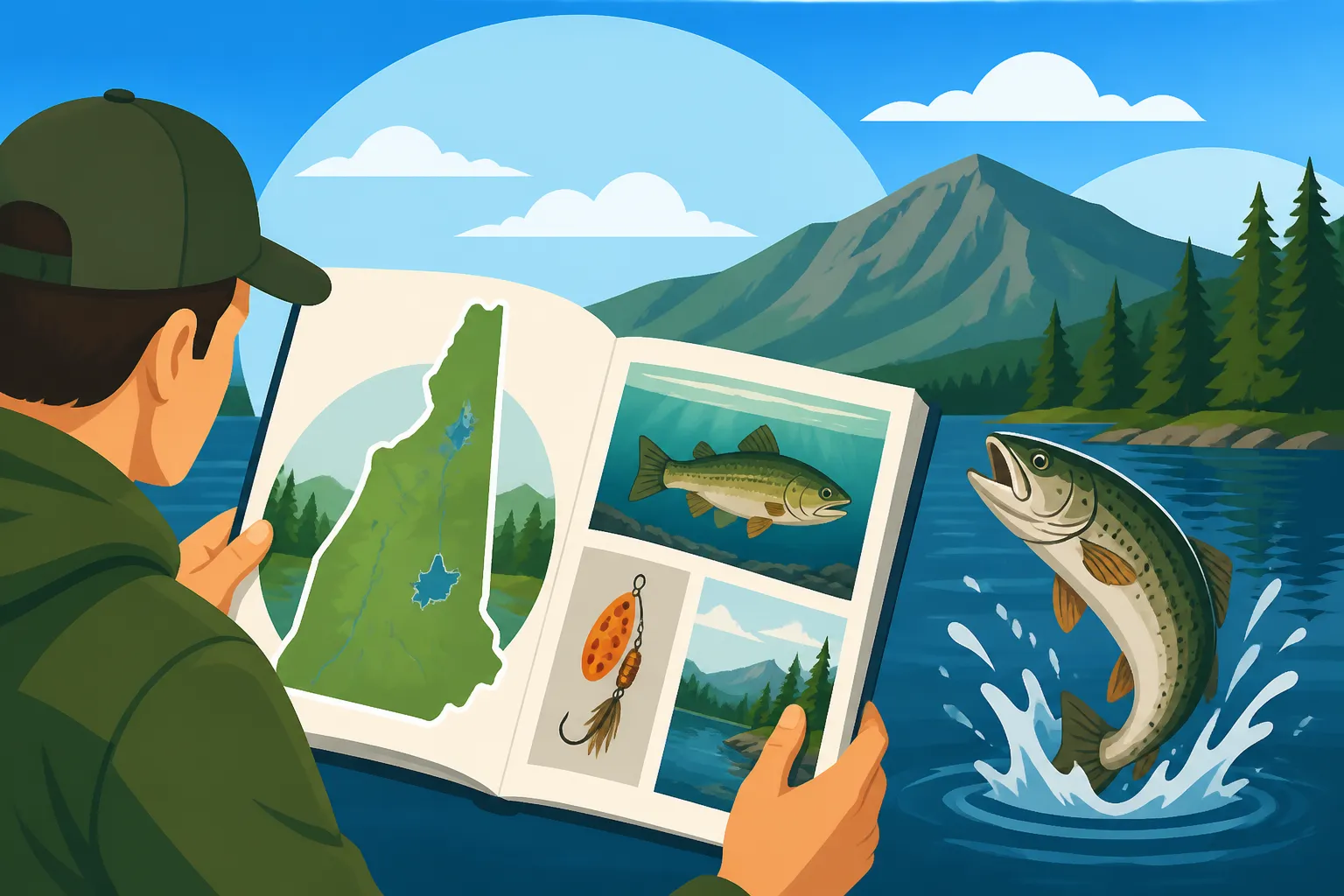
Once you have your copy of the New Hampshire Freshwater Fishing Digest, the next step is learning how to navigate its various sections effectively. It might look daunting at first, with all its legal jargon and tables, but once you understand the basic layout, finding the information you need becomes much simpler. Most digests are organized logically, starting with general statewide regulations and then moving into more specific categories. Don't try to read it cover-to-cover in one sitting; instead, approach it as a reference tool, jumping to the sections most relevant to your current fishing plans.
The table of contents is your best friend here. Take a few minutes to familiarize yourself with it. You'll quickly see how sections are broken down by topic, such as general rules, specific species, and then specific bodies of water. This tiered approach helps you drill down from broad regulations to the very precise details that might apply to your chosen fishing spot or target species. Think of it like a map; you wouldn't just start driving without looking at where you're going, right? The digest's table of contents provides the roadmap to legal and successful fishing.
General Statewide Regulations
This section is where you'll find the foundational rules that apply to almost all freshwater fishing throughout New Hampshire, unless otherwise specified. These are the "must-know" items that every angler should be aware of. We're talking about basic license requirements – for instance, knowing if you need a specific type of license for particular activities or if you're exempt, such as children who may not need a license at all. It will also detail general fishing hours, rules regarding ice fishing (like the number of lines allowed or ice shanty registration), and restrictions on certain gear types.
For example, the general regulations usually clarify that you cannot possess certain invasive species, or that certain methods like using explosives are, quite obviously, illegal. It's often here you'll find details on New Hampshire Fishing License Age Requirements and what qualifies as a resident versus a nonresident for licensing purposes. Understanding these statewide rules is non-negotiable before you even think about targeting a specific species or heading to a particular lake. It's the baseline knowledge that keeps you out of trouble, and ignoring it means you're operating without the most fundamental understanding of New Hampshire's angling laws.
Species-Specific Rules and Limits
This is often the section anglers spend the most time with, and for good reason. New Hampshire manages its fish populations very carefully, and that means different species often have different rules regarding seasons, bag limits, and length limits. You might find a dedicated section for popular sport fish like trout, bass, salmon, and pickerel, detailing what you can keep and when. For instance, New Hampshire Bass Catch-and-Release Season, Explained will likely be found here, clarifying when you can fish for bass but must immediately release them, versus when you can keep them within specific size and bag limits.
It’s not just about how many fish you can keep; it's often about their size too. Many species have minimum or maximum length limits, sometimes referred to as "slot limits," which are designed to protect younger fish or prime breeding stock. For instance, you might be allowed to keep bass only between 12 and 16 inches, but anything smaller or larger must be released. These rules are crucial for maintaining healthy fish populations. Always check this section before heading out, especially if you plan to target a specific type of fish. It avoids the disappointment of catching a beautiful fish only to realize it's out of season or outside the legal slot.
Water Body Specific Regulations
This section is arguably the most critical for many New Hampshire anglers, as it often overrides or adds to the general statewide regulations. New Hampshire is home to hundreds of lakes, ponds, and rivers, and many of them have unique regulations tailored to their specific ecosystems and fisheries management goals. You might find certain lakes that are "fly fishing only" or "catch and release only" for certain species. Other bodies of water might have specific season dates that differ from the general statewide season, or unique daily limits.
For example, a large, well-managed lake like Lake Winnipesaukee might have different lake trout limits or bait restrictions compared to a smaller, remote pond. Similarly, certain rivers may have specific stretches designated for New Hampshire Catch and Release Fly Fishing Only Waters. These special regulations are usually listed alphabetically by water body name, making them relatively easy to locate once you know which body of water you'll be fishing. Always, always, always check this section for your chosen destination. It’s the single biggest cause of accidental violations, as anglers assume statewide rules apply everywhere when they often don't.
Definitions and Legal Jargon Explained
Legal documents can be dense, full of terms that aren't part of everyday conversation. The New Hampshire Freshwater Fishing Digest typically includes a glossary or definitions section to help clarify any ambiguous terms. Understanding these definitions is paramount, as a misinterpretation could lead to an unintended violation. For example, what exactly constitutes "open water fishing" versus "ice fishing" might seem obvious, but the legal definitions could have nuances regarding the presence of ice cover that are important for knowing when certain regulations apply.
Similarly, terms like "snagging," "chumming," "gaffing," or "live bait" might have very specific meanings under New Hampshire law that differ from common usage. Knowing the legal definition of "possession limit" versus "daily bag limit" is also crucial. The daily bag limit refers to the maximum number of fish you can harvest in a single day, while the possession limit is the total number of fish you can have on your person, in your cooler, or at your camp at any given time, regardless of when they were caught. Taking the time to review these definitions will significantly enhance your understanding of the regulations and prevent simple misunderstandings from turning into legal issues.
Common Pitfalls and How to Avoid Them
Even with the digest in hand, it's easy to make mistakes. The sheer volume of information, combined with the excitement of fishing, can lead to oversights. Many anglers, even experienced ones, have stories of nearly or actually violating a regulation because they misread a rule or assumed something that wasn't true. The key to avoiding these common pitfalls is diligence, double-checking, and understanding that the rules are there for a reason – to protect our fisheries.
One of the biggest traps is relying on hearsay or outdated information. Just because your buddy said something was okay last year, or you saw it on an old forum post, doesn't mean it's still current or even accurate. Always defer to the official, current New Hampshire Freshwater Fishing Digest. Another common issue is not checking the specific water body regulations, assuming statewide rules cover everything. This is where most violations occur. A quick check before you head out can save you a lot of grief and ensure your fishing trip remains enjoyable and lawful.
Assuming Statewide Rules Apply Everywhere
This is hands down the most frequent mistake anglers make in New Hampshire. The general statewide regulations provide a baseline, but many, many lakes, ponds, and rivers have special regulations that supersede these general rules. For example, the statewide bag limit for trout might be five fish, but a particular pond might be designated "catch and release only" or have a two-fish limit with a specific minimum length. If you just glance at the statewide rules and head to that special regulation pond, you're in violation the moment you put a fish in your cooler.
Imagine you're planning a trip to a local favorite. You look up the general trout season dates and limits, maybe even browse for new gear on Amazon for your trip, and then head out. But unbeknownst to you, that specific pond has a special opening and closing date or different bait restrictions. You wouldn't find that out unless you consulted the "Special Regulation Waters in New Hampshire" section of the digest. This is why it’s absolutely essential to cross-reference the general rules with the specific rules for your chosen fishing location. A habit of always checking the water body section will save you headaches and potential penalties.
Not Checking Season Dates and Bag Limits Regularly
Fishing seasons and limits are not set in stone for eternity. They are dynamic, changing based on scientific data, conservation needs, and sometimes even public input. It's easy to remember the general opening day for trout, but what about the nuances? What if New Hampshire Lake Trout Ice Fishing Season Dates changed this year? What about the specific nuances for New Hampshire Fishing Season Dates and Closures for other species? Missing these updates can lead to inadvertent violations.
Wildlife biologists constantly monitor fish populations, and if a species is struggling or thriving, regulations might be adjusted to reflect that. Always make it a point to check the current year's digest for the species you plan to target. Don't rely on last year's memory. Even a slight change in a minimum length limit or a reduction in the daily bag limit can have significant implications. Setting a reminder to review the digest annually before your first fishing trip, or even consulting it each time you plan to target a different species, is a smart practice.
Misidentifying Fish Species
New Hampshire is home to a diverse array of fish, and some species can look quite similar, especially to the untrained eye. Misidentifying your catch can lead to keeping a fish that is out of season, undersized, or even a protected species, resulting in fines. For instance, differentiating between a brook trout, brown trout, and rainbow trout can sometimes be tricky for beginners, but their individual regulations might vary. Similarly, separating a landlocked salmon from a lake trout, especially if they are smaller, can be challenging, but their limits are often very different.
The digest often includes illustrations or descriptions to help with fish identification, or it will refer you to other resources. It's a great idea to study these guides before you go. If you're unsure, it's always better to err on the side of caution. Take a clear photo, try to identify it using a reliable guide (there are plenty of great apps for this too), or simply release the fish if you're in doubt. There are many resources, including official New Hampshire Fish and Game guides, that can help you understand the nuances of Trout Species Identification Guide for New Hampshire or distinguish between different bass species.
Specific Scenarios and Digest Use
The New Hampshire Freshwater Fishing Digest isn't just for general information; it's a practical tool for specific situations you'll encounter on the water. Knowing how to use it in these moments can be a game-changer, preventing you from making a costly mistake or missing out on a great fishing opportunity. From preparing for a special trip to navigating boundary waters, the digest provides essential guidance.
Consider a scenario where you're planning an overnight trip to a remote pond. You'll need to know not only the fishing regulations but potentially also rules about camping, fire use, or even access, which might be linked to specific land management rules referenced in the digest. Or perhaps you're venturing out onto the Connecticut River, which borders Vermont; here, reciprocity rules become paramount. The digest equips you with the knowledge to handle these varied and sometimes complex situations.
Planning a Trip to a Specific Lake or River
Before you even pack your tackle box, the digest should be your first stop when planning a trip to a particular lake or river. Your process should look something like this: first, consult the general statewide regulations to get the broad strokes. Then, immediately jump to the "Water Body Specific Regulations" section and locate your chosen lake or river. This is where you'll find any deviations from the general rules. Does it have special bait restrictions? Are there motorboat limits? Are specific areas closed to fishing?
For instance, if you're headed to Lake Winnipesaukee, you'll want to check its specific section for nuances regarding species like lake trout or landlocked salmon, which are heavily managed there. Similarly, if you're planning to fish a river like the Pemigewasset, you'll want to check if certain stretches are designated "fly fishing only" or have special rules during spawning seasons. This proactive approach ensures you're fully prepared and can fish with confidence, knowing you're adhering to all local rules. This research is as important as checking the weather forecast!
Fishing in Boundary Waters
New Hampshire shares borders with several states, and some of its most productive fishing waters, like the Connecticut River (with Vermont), and parts of the Merrimack River (with Massachusetts), act as natural boundaries. Fishing in these boundary waters introduces an extra layer of complexity: reciprocity. Does your New Hampshire license cover you if you cast into Vermont waters? Or vice versa? The digest addresses these critical questions, often in a dedicated section on boundary water agreements.
Generally, New Hampshire has reciprocal agreements with neighboring states on specific boundary waters, meaning a valid New Hampshire license might allow you to fish the entire shared waterway, even from the opposite bank in another state, under New Hampshire's regulations. However, these agreements can have caveats, such as specific species or times of year. It's absolutely crucial to read this section carefully if you plan to fish a border area. Don't assume. Check the digest to confirm New Hampshire Fishing License Reciprocity on Vermont Boundary Waters or other shared waterways to avoid accidentally fishing without a valid license in another state's jurisdiction.
Understanding License Requirements and Exemptions
The digest is the definitive source for all things related to fishing licenses in New Hampshire. It clearly outlines who needs a license, what types of licenses are available, and any exemptions that might apply. For instance, while most adults need a license, the digest will detail specific age requirements, such as Do Kids Need a Fishing License in New Hampshire? and what constitutes a "youth" angler. It also covers different license options, like annual licenses, short-term permits, or combination hunting and fishing licenses.
Furthermore, it explains residency requirements in detail, which can sometimes be more complex than just having a New Hampshire address. For military personnel, students, or recent movers, specific criteria might apply. The digest also details special licenses or discounts, such as those for seniors, disabled residents, or certain veterans, outlining eligibility requirements like those for the New Hampshire Milestone License for Anglers Born Before 1948. Before you even cast your first line, ensure you possess the correct and current license by consulting this comprehensive section. You can find out more about how and Where and How to Buy a New Hampshire Fishing License directly from the digest.
Staying Current with Regulations
The world of fishing regulations isn't static. Changes can and do occur, sometimes mid-season if an urgent conservation need arises. As an angler, it's your responsibility to stay informed. While the annual digest is your primary tool, there are other ways to keep your finger on the pulse of New Hampshire's fishing laws. Being proactive about updates will ensure you're always fishing legally and responsibly.
The New Hampshire Fish and Game Department website is an invaluable resource for real-time updates and announcements. They often post news releases or alerts regarding regulation changes, emergency closures, or important conservation initiatives. Following their social media channels can also be a good way to catch quick announcements, though always double-check official sources for full details. Think of it as being a part of the angling community; staying informed is part of the game.
Annual Updates and Addendums
As mentioned, the New Hampshire Freshwater Fishing Digest is published annually. Always get the latest edition. However, sometimes, even after the digest is printed, unforeseen circumstances (like a sudden fish disease outbreak, an environmental event, or critical population data) might necessitate an immediate change in regulations. In such cases, the New Hampshire Fish and Game Department will issue addendums or emergency rule changes. These are typically posted prominently on their official website.
It's a good habit to check the Fish and Game website periodically, especially if you plan to fish during periods of environmental stress or after significant weather events. These addendums might introduce temporary closures, modify bag limits, or change bait restrictions for specific bodies of water. These changes are legally binding, even if they aren't in your printed digest. For example, if there's a specific issue, they might announce new rules for New Hampshire Trout Stocking and Fishing Rules on certain waters. Being aware of these potential updates is crucial for uninterrupted and lawful fishing.
Online Resources and Alerts
Beyond the annual digest, the New Hampshire Fish and Game Department's website (wildlife.nh.gov) is an absolute treasure trove of information. Not only can you download the latest digest, but you'll also find news releases, public notices, and sometimes even interactive maps or tools. Many state agencies offer email newsletters or alert systems you can sign up for, which will send notifications directly to your inbox about regulation changes, fishing reports, and other important announcements.
If you prefer digital, you can even explore websites that sell fishing gear on Amazon to find waterproof cases or protective sleeves for your phone or tablet, so you can safely reference the digital digest while out on the water. Modern technology makes it easier than ever to carry all the regulations in your pocket. Regularly checking the official website before heading out on a trip, especially if it's been a while since you last fished, is a simple but effective way to ensure you're always up-to-date.
Additional Regulations to Consider
While the Freshwater Fishing Digest is primarily focused on angling rules, fishing in New Hampshire often involves other regulations that anglers must be aware of. These can range from boating safety laws to rules about transporting live bait or even ethical considerations that aren't strictly legal but are highly encouraged. A responsible angler considers the broader context of their activities, ensuring they are not only legal but also respectful of the environment and other outdoor enthusiasts.
For instance, if you're fishing from a boat, there's an entirely separate set of regulations you need to know, covering everything from registration to safety equipment. Similarly, how you acquire and handle your bait can have environmental implications and therefore be regulated. The digest might touch upon these peripheral topics or direct you to other official resources for more detailed information.
Boating and Safety Regulations
If you plan to fish from any kind of vessel, whether it's a motorized boat, a canoe, or a kayak, you'll need to be aware of New Hampshire's boating laws. These are generally covered in a separate publication from the Freshwater Fishing Digest, though the digest might include a brief overview or links to the relevant resources. Key regulations include boat registration requirements (depending on the type and size of your vessel), mandatory safety equipment like life jackets (especially for children, as outlined in Life Jacket Requirements for New Hampshire Boaters), and rules regarding operating under the influence.
Even a small fishing kayak or canoe can be subject to certain safety regulations, especially regarding lighting if you're out near dawn or dusk. Understanding New Hampshire Boating Laws for Anglers is not just about avoiding fines; it's about your safety and the safety of others on the water. Many fishing excursions quickly turn sour if an unexpected safety check reveals deficiencies in your equipment or knowledge. Always review the latest New Hampshire boating guide in conjunction with your fishing plans.
Bait and Tackle Restrictions
The type of bait and tackle you use can also be regulated, especially in certain sensitive waters. The Freshwater Fishing Digest will often specify what types of bait are legal for particular species or in particular water bodies. For example, some waters might prohibit the use of live baitfish to prevent the introduction of invasive species or diseases. Others might restrict the use of barbed hooks or mandate "artificial lures only" to promote catch and release.
When purchasing bait, especially live bait, it's essential to understand its origin and ensure it's legal for your intended use. For instance, using baitfish from one watershed in another could transfer pathogens. Many anglers purchase specialized gear, sometimes through online retailers like Amazon, that strictly adheres to these regulations, like specific types of artificial lures. Always check the digest for these details, especially when fishing in wild trout waters or areas with special management concerns.
Ethical Angling Practices
While not always codified into law, ethical angling practices are an integral part of responsible fishing and are often promoted within the New Hampshire Freshwater Fishing Digest. These practices focus on sportsmanship, conservation, and respecting both the fish and other anglers. This includes proper catch-and-release techniques to minimize harm to fish, responsible disposal of trash and fishing line (mono or braid can be deadly to wildlife), and being courteous to others on the water or shore.
It’s also about understanding the impact of your actions. For instance, if you're fishing during a vulnerable period for a species, like spawning season, even if it's legal to fish, practicing catch and release with minimal handling is an ethical choice. This also extends to protecting private property rights and being mindful of noise levels, especially in serene natural settings. The digest often includes a section on angler ethics, serving as a reminder that being a good steward of our natural resources goes beyond simply following the letter of the law.
| Section Type | Key Information You'll Find | When to Consult | Common Pitfall to Avoid |
|---|---|---|---|
| General Statewide Regulations | License requirements, general fishing hours, ice fishing rules, prohibited methods. | Always, as a baseline for any fishing trip. | Assuming you don't need a license or ignoring basic ethical guidelines. |
| Species-Specific Rules | Season dates, daily bag limits, length limits (min/max/slot) for each fish species. | Before targeting a specific species, especially if limits may have changed. | Not checking updated limits, misidentifying a protected species. |
| Water Body Specific Regulations | Special rules for individual lakes, rivers, or ponds (bait restrictions, special seasons, catch & release areas). | Every time you visit a new body of water or if it's been a while since your last visit. | Assuming statewide rules apply; this is the most common violation source. |
| Definitions | Clarification of legal terms (e.g., possession limit vs. daily limit, live bait definitions). | When encountering unfamiliar legal jargon or if a rule seems ambiguous. | Misinterpreting a legal term, leading to an accidental violation. |
| Boundary Water Reciprocity | Rules for fishing shared waters with Vermont, Maine, or Massachusetts. | When fishing any river or lake that borders another state. | Assuming your NH license covers the whole waterway without checking specifics. |
Final Thoughts: Your Responsibility as an Angler
Reading the New Hampshire Freshwater Fishing Digest might not be the most thrilling part of preparing for your angling adventures, but it is undeniably one of the most important. As anglers, we have a profound responsibility to understand and abide by the regulations put in place by the New Hampshire Fish and Game Department. These rules are not arbitrary; they are the result of careful scientific study and dedicated conservation efforts aimed at preserving New Hampshire’s incredible fishing resources for everyone, now and in the future.
By taking the time to review the digest, you’re not just avoiding a potential fine; you’re actively contributing to the health and sustainability of our lakes, ponds, and rivers. You're ensuring that the joy of reeling in a beautiful brook trout or battling a feisty smallmouth bass can be experienced by generations to come. So, make it a ritual: download the latest digest, give it a thorough read-through, especially the sections pertaining to your chosen spots and species, and carry a copy (digital or physical) with you on every outing. Tight lines, and fish responsibly!
Disclaimer
The information provided in this guide is intended for general informational purposes only and does not constitute legal advice. While we strive to provide accurate and up-to-date information, fishing regulations can change frequently. Always consult the most current official New Hampshire Freshwater Fishing Digest and the New Hampshire Fish and Game Department's website (wildlife.nh.gov) for the definitive and legally binding regulations before engaging in any fishing activities.