Where to find northern pike in New Hampshire
It can be incredibly frustrating to hear whispers about a thrilling fish species in a state, only to find scant information on where to actually find them. Many anglers dream of battling a powerful northern pike, but when it comes to New Hampshire, pinning down their hotspots can feel like a secret society's puzzle. This guide aims to pull back the curtain, detailing precisely where northern pike reside in the Granite State and what makes these waters their preferred habitat, so you can plan your next thrilling fishing adventure.
Understanding Northern Pike in New Hampshire
Before we dive into specific locations, let's talk a little about northern pike in New Hampshire. Unlike some of our more common species like trout or bass, pike aren't as widespread, and their presence in certain waters is often a result of historical introductions rather than being entirely native to every corner of the state. This makes them a bit more elusive, but also adds to the excitement of pursuing them!
The Pike's Place in New Hampshire Waters
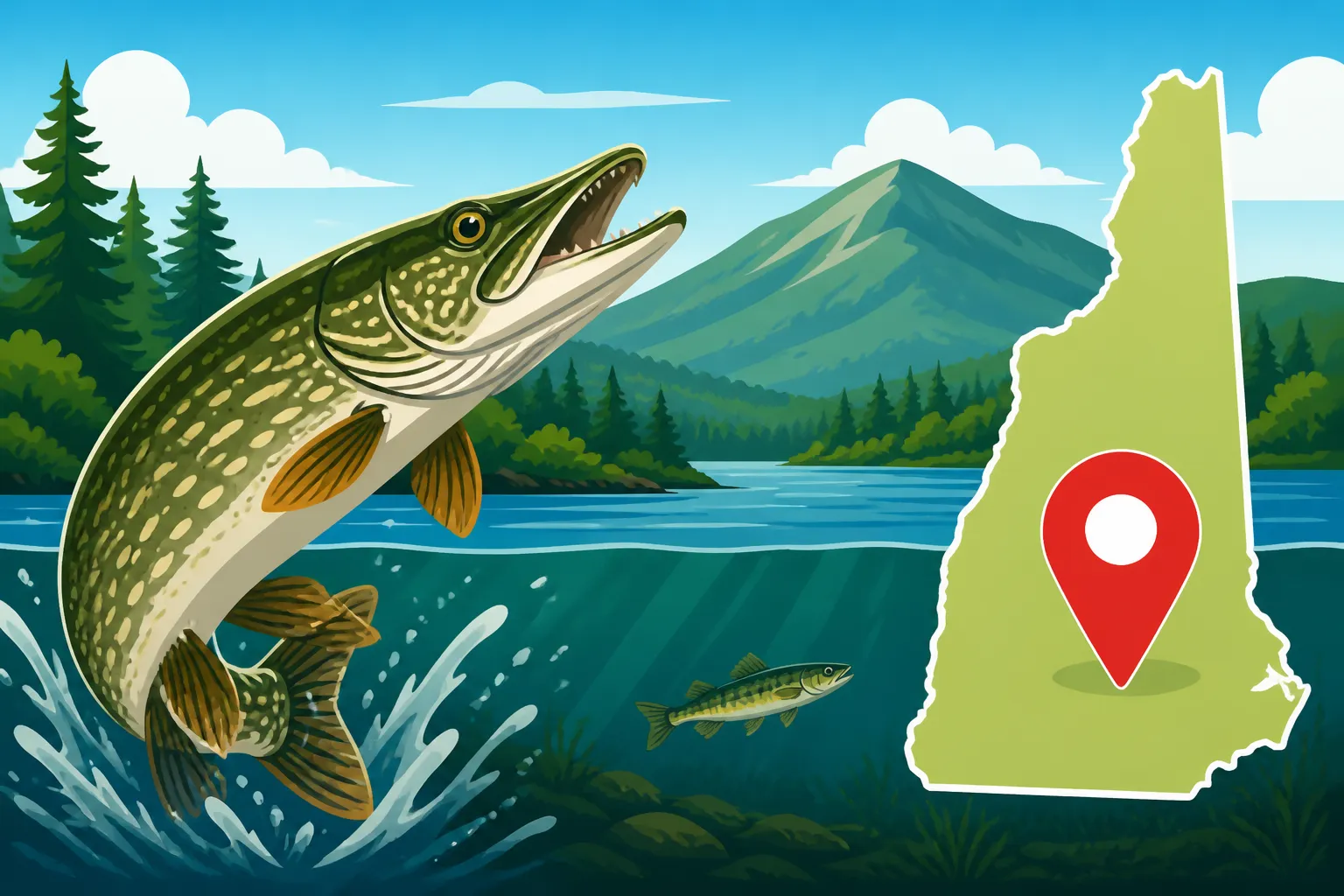
Northern pike are apex predators, characterized by their long, torpedo-shaped bodies, duck-bill mouths armed with rows of sharp teeth, and a distinctive pattern of light spots on a dark body. They thrive in cooler, oxygen-rich waters with ample cover and a healthy forage base. In New Hampshire, their populations are relatively localized. While some might think of them as a widespread "sport fish," it's important to understand their ecological role and how they came to be in certain lakes and rivers here. They are not considered native to the entire state and, in some areas, might even be seen as an introduced species that can impact native fish populations. However, where they are established, they offer a fantastic challenge for anglers seeking a powerful fight.
Many anglers are drawn to pike for their aggressive strikes and the sheer power they display when hooked. Unlike the subtle tug of a panfish or the acrobatic leaps of a smallmouth, a pike strike often feels like a freight train hitting your lure. Landing a trophy pike requires strong tackle and a bit of nerve, making them a highly prized catch for those who enjoy a true battle. Their size potential is also a huge draw; these fish can grow impressively large, often reaching lengths that dwarf many other freshwater species. It's a different kind of thrill than what you might find when fly fishing for trout in the White Mountains, offering a unique angling experience.
Why Pike Can Be Elusive in the Granite State
The relative scarcity of northern pike across New Hampshire can be attributed to several factors. Firstly, suitable habitat isn't universally distributed. Pike prefer certain types of water — usually large, shallow, weedy lakes or slow-moving river sections with plenty of cover. Not every New Hampshire lake or river fits this bill. Secondly, unlike some other species that are actively stocked across numerous water bodies each year, northern pike stocking programs are much more limited, if they exist at all for expansion purposes. Their populations tend to be self-sustaining in their established strongholds. This means you can't just pick any lake and expect to find them; you have to go where they are known to thrive. Do New Hampshire Waters Have Northern Pike? delves deeper into their presence and history within the state. The challenge of finding them often becomes part of the appeal for dedicated pike anglers, transforming fishing into a real detective mission.
Prime Northern Pike Habitats in New Hampshire
If you're serious about hooking into a northern pike in New Hampshire, you need to focus your efforts on a few specific areas where they are known to have established populations. These aren't just random spots; they are environments that provide the ideal conditions for pike to grow and thrive.
Lake Umbagog: A Northern Gem
When it comes to New Hampshire pike fishing, Lake Umbagog often comes up first. Straddling the border with Maine, this large, shallow, and incredibly wild lake in the northernmost part of the state is perhaps the most renowned pike fishery in New Hampshire. The lake's vast expanses of emergent vegetation, submerged timber, and numerous coves create an ideal ambush habitat for these predatory fish. Imagine drifting along a shoreline dotted with lily pads and fallen trees, casting a large spoon or a hefty spinnerbait into pockets of open water, waiting for that explosive strike. It’s an experience that truly connects you with the wild spirit of the North Country. Umbagog Lake Fishing Guide provides a comprehensive look at this incredible fishing destination.
The pike in Umbagog can grow to impressive sizes, offering legitimate trophy potential. Access to the lake is available through various boat launches, though many areas feel remote and untouched, offering a genuine wilderness fishing experience. Anglers often target pike here by casting large lures, or by slow-trolling bigger baits along weed lines and drop-offs. The sheer size of Umbagog means that you can spend days exploring new areas, always with the potential for a monster lurking beneath the surface. For those who enjoy the solitude and challenge of fishing less-pressured waters, Umbagog is an absolute must-visit. You might even stumble upon other exciting species while you're there, but the pike are definitely the main event.
The Connecticut River System: Border Water Opportunities
Another significant area for northern pike in New Hampshire is the Connecticut River system, particularly the sections that form the border with Vermont. While pike populations can vary along its length, certain impoundments and slower-moving sections of the river offer excellent habitat. The river's varied structure, from deep channels to expansive backwaters and oxbow lakes, provides numerous hiding spots and feeding grounds for pike. Think of it like this: the river isn't a continuous "pike factory" from north to south, but rather a series of interconnected habitats where conditions occasionally align perfectly for them. Connecticut River Fishing Access in New Hampshire details various points where you can launch a boat or access the shore.
Anglers often find success targeting pike in the wider, shallower sections of the river, especially where there are significant weed beds or areas with abundant submerged wood. The river provides a constant flow of forage fish, which keeps the pike well-fed and aggressive. During certain times of the year, particularly in spring and fall, these areas can be incredibly productive. Fishing from a boat often gives you the best advantage to cover water, but shore access points, especially around public parks or boat launches, can also produce results if you know where to cast. Just remember to always be aware of the currents and the navigational challenges that a large river like the Connecticut can present.
Lesser-Known Ponds and Connecting Waters
While Umbagog and the Connecticut River are the mainstays, there are also a few smaller ponds and connecting water bodies, often associated with larger river systems, that can hold pike. These locations are typically less publicized and often require a bit more local knowledge or exploratory effort to discover. These might be secluded ponds that are part of a larger watershed where pike have migrated, or smaller impoundments with characteristics similar to prime pike habitat. These smaller waters can be a real treasure trove for the adventurous angler, offering a chance to catch pike away from the crowds.
These spots often mimic the larger pike havens, featuring extensive shallow areas, abundant aquatic vegetation, and a good population of baitfish. They might not hold the same quantity of trophy-sized pike as Umbagog, but they can still offer consistent action and a chance to catch a respectable fish. It's always a good idea to consult the latest New Hampshire Fishing Regulations Explained and local bait shops when exploring these lesser-known areas, as regulations can sometimes be specific to individual water bodies, and local intel is invaluable. Sometimes, the best spots are found by studying maps, looking for those tell-tale shallow, weedy areas connected to known pike waters, and then simply putting in the time on the water.
Characteristics of Pike-Friendly Waters
Understanding where pike are found isn't just about naming lakes; it's about recognizing the environmental factors that make those locations suitable. When you're looking for new pike territory or trying to maximize your success in known spots, keeping these characteristics in mind will give you a significant advantage. Pike are creatures of habit, and their habits are dictated by their need for food, cover, and comfortable water conditions.
The Importance of Weeds and Structure
Northern pike are ambush predators, and nothing screams "ambush point" like dense aquatic vegetation. Think lily pad fields, extensive submerged weed beds, cattail edges, and fallen timber. These areas provide perfect camouflage for a pike waiting to dart out and strike unsuspecting baitfish. If a body of water lacks significant weed growth or structural elements like rock piles, deep humps, or submerged logs, it's far less likely to hold a healthy pike population. These fish don't like open, barren water where they are exposed; they prefer to hide and surprise their prey.
When you're on the water, pay close attention to bays, coves, and shorelines that are choked with various types of weeds. Even if you're not seeing fish on your electronics, assume they are there, tucked away in the thick cover. Using a good fish finder can help identify edges of weed lines or submerged timber that aren't visible from the surface. These transition zones between dense cover and open water are prime feeding lanes for pike. Moreover, weed beds also attract smaller baitfish, providing the pike with a consistent food source, creating a self-sustaining ecosystem where they can thrive.
Shallow Depths and Dark Bottoms
While pike can be found in deeper water, especially during the warmer months, they often prefer shallower areas, particularly those with dark, muddy, or silty bottoms. These dark bottoms absorb more sunlight, warming the water slightly, which can attract baitfish and encourage weed growth. In many of New Hampshire's pike waters, you'll find extensive shallow flats that are less than 10-15 feet deep, especially in large bays or the backwaters of river systems. These areas warm up faster in the spring, making them crucial early-season feeding grounds.
Consider a spring day on Lake Umbagog: the shallows along a marshy bank, warmed by the sun, become a magnet for baitfish emerging from winter dormancy. A pike will be perfectly positioned in a submerged weed bed in just a few feet of water, ready to pounce. Even during summer, while some pike might retreat to slightly deeper, cooler water, they will still frequently visit the shallow weed beds during low light hours to feed. Understanding this preference helps you focus your efforts on the right depth contours.
Abundant Forage Base
A healthy population of northern pike cannot exist without a robust forage base. Pike are voracious eaters, and they need a steady supply of smaller fish to grow to impressive sizes. In New Hampshire, their diet often consists of various panfish like yellow perch and black crappie, as well as minnows and other smaller species that inhabit the same waters. If a lake or river has a strong population of these baitfish, it's a good indicator that the pike population will also be healthy.
When you're scouting new waters or analyzing an existing one, consider the overall health of the ecosystem. Are there signs of thriving baitfish populations? Do you see schools of minnows flickering in the shallows, or panfish actively feeding? These observations, combined with the presence of ample cover and suitable depths, paint a picture of a prime pike fishery. New Hampshire Bag and Possession Limits by Species will give you an idea of the regulations concerning these forage species, which are often also popular targets for anglers themselves.
Table: Comparison of Premier New Hampshire Pike Waters
Here's a quick look at the two most prominent northern pike fisheries in New Hampshire, highlighting their key characteristics:
| Feature | Lake Umbagog | Connecticut River System (NH Border) |
|---|---|---|
| Location | Northern NH, bordering Maine | Western NH, bordering Vermont |
| Primary Habitat | Large, shallow, weedy bays, marshy coves | Slow-moving sections, impoundments, backwaters, oxbows |
| Pike Size Potential | Excellent, consistent trophy potential | Good, can produce large fish, but more varied |
| Access | Boat launches, can feel remote | Numerous boat launches, shore access points |
| Fishing Experience | Wilderness feel, less pressure, scenic | Mix of accessible and remote, currents to consider |
| Common Forage | Perch, minnows, other panfish | Perch, suckers, minnows, various panfish |
| Best Techniques | Casting large spoons/crankbaits, slow trolling | Casting, trolling, sometimes live bait (where legal) |
Tips for Targeting Pike in New Hampshire
Now that you know where to look and what kinds of water pike prefer, let's talk about how to actually catch them. Targeting northern pike requires specific gear and techniques, as these fish are powerful, toothy predators.
Essential Gear for Pike Fishing
Pike fishing isn't for ultralight setups. You'll need robust gear to handle their strength and sharp teeth.
- Rods and Reels: A medium-heavy to heavy action spinning or baitcasting rod, typically 6'6" to 7'6" long, is ideal. Pair this with a reel spooled with 20-50 lb braided line. Braided line offers superior strength and sensitivity, which is crucial for feeling strikes through dense cover and setting hooks firmly. For a wide selection of durable rods and reels suitable for pike fishing, you can browse options on Amazon.
- Leaders: This is non-negotiable. Pike have extremely sharp teeth that will easily cut through monofilament or fluorocarbon line. You absolutely need a steel or heavy fluorocarbon (80-100 lb test) leader, at least 12-18 inches long. Wire leaders are the most common choice, ensuring your line doesn't get severed mid-fight. Many anglers keep a variety of pre-tied leaders on hand for quick changes.
- Pliers and Jaw Spreaders: Again, non-negotiable for safe unhooking. Pike have razor-sharp teeth, and getting your fingers too close is asking for trouble. Long-nose pliers help extract hooks, and jaw spreaders can keep their mouth open while you work. Remember, careful handling is key for Landlocked Salmon Catch-and-Release Survival Tips and applies equally to pike.
- Landing Net: A large, sturdy landing net with a rubberized mesh is highly recommended. This protects the fish's slime coat and fins, making catch-and-release much safer for both you and the fish.
Lures and Baits That Pike Can't Resist
Pike are opportunistic feeders, but certain lures consistently trigger their aggressive instincts.
- Spoons: Classic metal spoons, often in silver, gold, or flashy colors, are pike killers. Their wobbling action mimics injured baitfish, making them irresistible. Sizes from 3/4 oz to 1.5 oz are common.
- Spinnerbaits: Large spinnerbaits with big blades create a lot of flash and vibration, especially effective in weedy areas. They are relatively weedless, allowing you to cast them into heavy cover where pike lurk.
- Crankbaits: Medium to large crankbaits, especially those with a wide wobbling action and baitfish patterns, are excellent. Choose models that dive to the depth where you expect the pike to be.
- Jerkbaits and Swimbaits: These lures accurately imitate baitfish and, when retrieved with an erratic stop-and-go motion, can elicit violent strikes. Larger soft plastic swimbaits rigged weedless can also be very effective in cover.
- Live Bait: Where legal, live bait like large shiners or suckers can be incredibly effective, especially when fished under a bobber near weed lines or slow-trolled. Always check New Hampshire Fishing Regulations Explained regarding the use of live bait, as rules can vary.
Seasonal Approaches and Timing
Pike can be caught throughout the open water season and even during ice fishing. Your approach should change with the seasons.
- Spring: Right after ice-out, pike are often shallow and hungry, recovering from spawning. Target them in warm, shallow bays with emerging weeds. They will be very aggressive. This is an excellent time for casting larger spoons and spinnerbaits.
- Summer: As waters warm, pike may move to deeper weed lines or structure during the day, coming into the shallows during low light hours (dawn and dusk). Trolling larger crankbaits or fishing deeper edges of weed beds can be productive. Night fishing for bass is popular, but pike can also be active after dark.
- Fall: As water temperatures cool, pike become extremely active again, feeding heavily in preparation for winter. They will often be found shallower, actively chasing baitfish. This is a prime time for casting a variety of lures, and some of the largest pike are caught in the fall. Check Best Time of Year to Fish in New Hampshire for more seasonal insights.
- Winter (Ice Fishing): Pike are excellent targets through the ice. Tip-ups set with large live shiners are a popular and very effective method. Jigging with larger spoons or blade baits can also tempt them. Just be sure to bring an ice auger that can handle some big holes and be prepared for a strong fight on relatively light line. Ice Fishing in New Hampshire offers more details on winter angling.
Responsible Pike Fishing: Catch and Release
Given that northern pike populations in New Hampshire are somewhat limited and highly valued by anglers, practicing responsible catch and release is highly encouraged, especially for larger fish. Pike are tough, but they can be injured if handled improperly.
- Minimize Fight Time: Use appropriate tackle to bring the fish in quickly, reducing stress.
- Wet Hands: Always wet your hands before touching the fish to protect its protective slime coat.
- Horizontal Hold: Support the fish horizontally, especially large ones, to protect internal organs. Avoid vertical hangs.
- Quick Release: Work quickly to unhook the fish, using those long-nose pliers and jaw spreaders.
- Revive If Needed: If the fish seems sluggish, hold it gently in the water, facing into the current, until it swims away under its own power.
By following these guidelines, you can help ensure that New Hampshire's exciting northern pike fishery remains healthy for future generations of anglers.
Disclaimer
This article is for general informational purposes only and does not constitute professional advice. Laws, prices and regulations vary by location and change over time. Consult a qualified professional for guidance on your specific situation.