What landlocked salmon eat in New Hampshire lakes
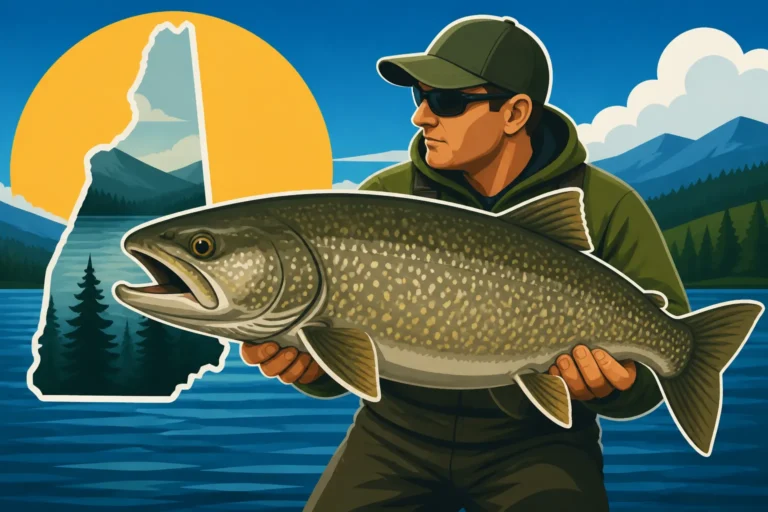
It's one of the biggest mysteries for many anglers hitting the pristine waters of New Hampshire: what exactly are those elusive landlocked salmon eating? You're out there, casting your heart out, and sometimes it feels like they're just not interested. Understanding their diet is truly the secret sauce to unlocking more successful fishing trips, and this guide is going to break down their primary food sources and how you can use that knowledge to your advantage.
The Primary Forage Fish: Rainbow Smelt
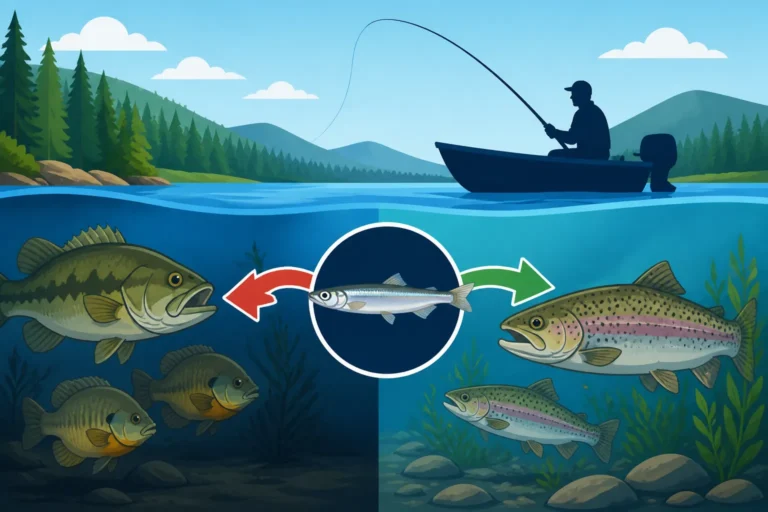
If there's one thing you need to etch into your mind about New Hampshire's landlocked salmon, it's this: they are absolutely, unequivocally obsessed with rainbow smelt. These small, silvery baitfish are the backbone of the salmon's diet in most of our larger, deeper lakes, and practically every successful salmon angler will tell you the same thing. Without a healthy population of smelt, landlocked salmon wouldn't grow to the impressive sizes they do here in the Granite State.
Why Smelt are So Important
Think of smelt as the energy drink for landlocked salmon. They're packed with fat and protein, providing the necessary fuel for salmon to thrive and grow large. Smelt live in vast schools, often migrating between deeper, cooler waters and shallower areas for spawning. This behavior makes them a consistent, high-calorie food source that salmon actively pursue. The lakes that boast the biggest and healthiest salmon populations, like Lake Winnipesaukee, Lake Sunapee, or Newfound Lake, almost invariably have robust smelt populations to support them. A good smelt run means a good salmon season, plain and simple.
Beyond just being abundant, smelt have a particular shape and swimming action that salmon recognize instinctively. They're slender, with a distinct oily smell, and they flash silvery in the water. This combination of visual cues, scent, and nutritional value makes them irresistible. When you're fishing for salmon, you're essentially playing a game of "hide and seek" where you're trying to convince a salmon that your offering is one of these precious smelt. This is why so many fishing regulations, like New Hampshire Landlocked Salmon Regulations, are designed to protect these vital forage populations and ensure a sustainable fishery.
Mimicking Smelt for Success
Knowing that smelt are the primary food source directly translates into your tackle box choices. Your goal should be to imitate a smelt as closely as possible. This means thinking about size, shape, color, and action. For trolling, which is arguably the most popular and effective method for landlocked salmon, lures like spoons (e.g., Mooselook Wobblers, DB Smelt, Sutton Spoons) and stickbaits (e.g., Rapalas, Yo-Zuris) are perennial favorites. These lures are designed to wobble and flash, mimicking a panicked or injured smelt, which triggers a salmon's predatory instinct.
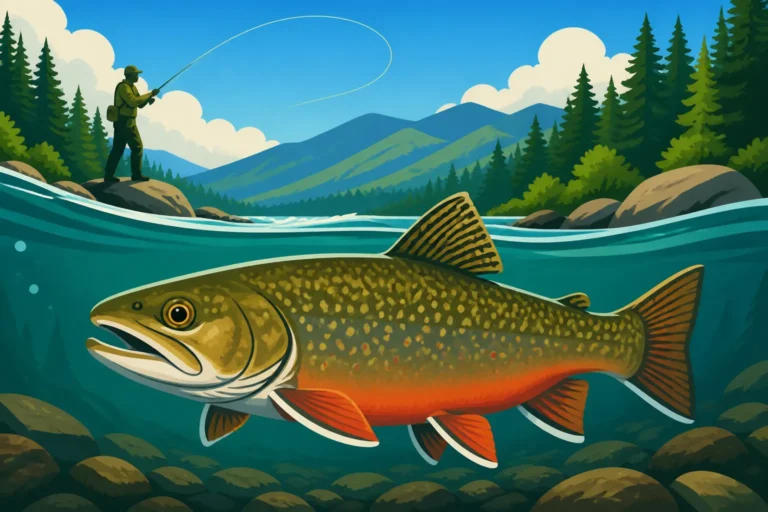
When selecting colors, silver, blue/silver, black/silver, and even purple/silver are go-to choices because they best replicate the natural colors of a smelt. Size matters too; most smelt salmon feed on are in the 3-6 inch range, so your lures should generally fall within these dimensions. If you're into fly fishing, Fly Fishing for Trout in New Hampshire often involves streamer patterns designed to look exactly like smelt. Patterns like the Gray Ghost, Supervisor, or Black Ghost are classic examples, and for good reason—they work because they look like what salmon are already hunting. Many anglers find a great selection of these specialized lures and flies on platforms like Amazon, making it easy to stock up on the right gear from home.
Other Key Food Sources in the Salmon Diet
While rainbow smelt are undeniably the star of the show, landlocked salmon aren't entirely single-minded in their dining habits. They're opportunistic predators, and their diet can diversify depending on the season, water body, and the specific stage of their life cycle. Understanding these secondary food sources can open up new strategies, especially when the smelt bite is tough.
Insects and Aquatic Invertebrates
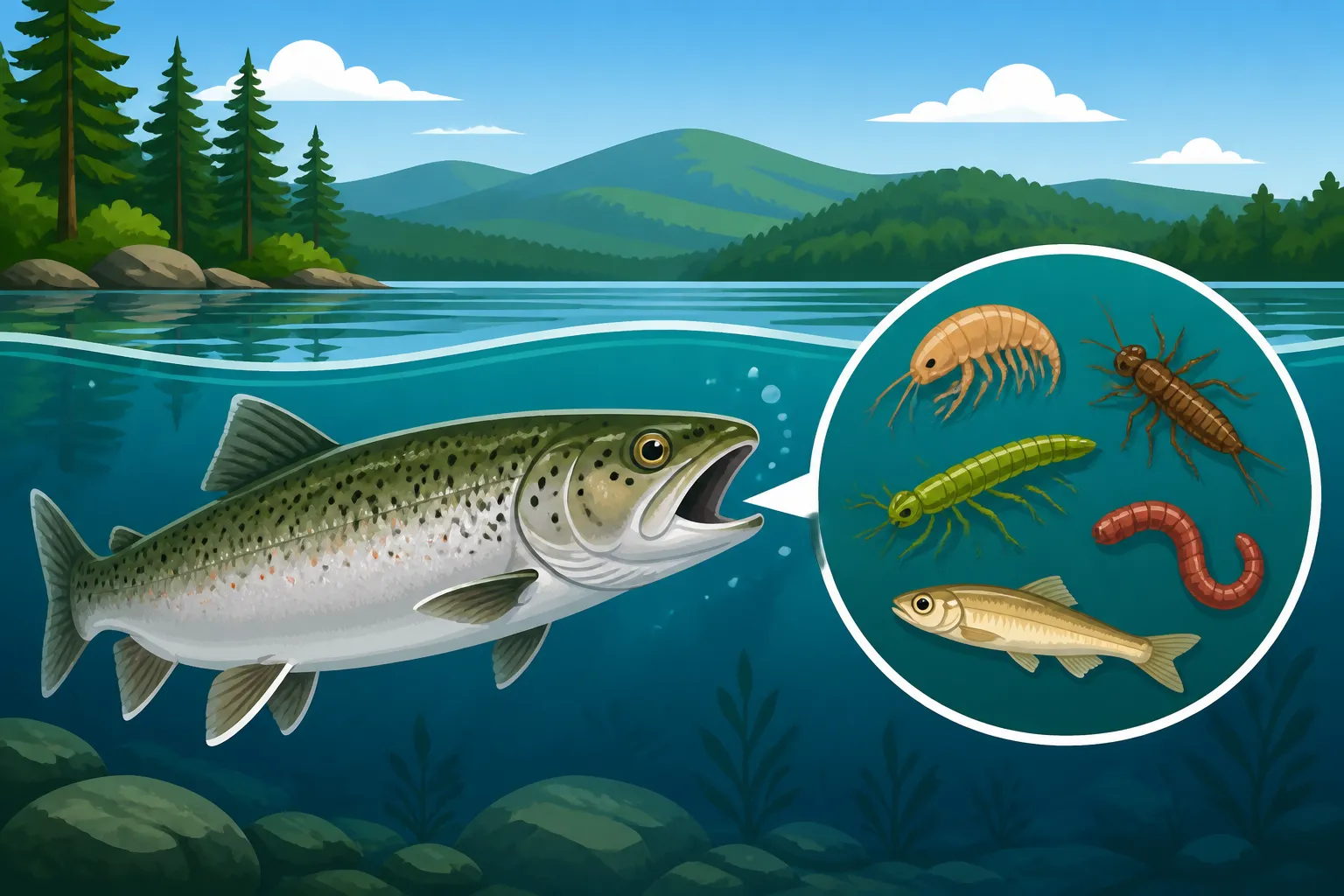
Especially during their younger years, and even into adulthood, landlocked salmon will supplement their diet with insects and aquatic invertebrates. In fact, for very young salmon, these tiny creatures form a critical part of their sustenance before they graduate to a predominantly fish diet. In rivers and streams where salmon may spend their early lives, caddisfly larvae, stonefly nymphs, mayfly nymphs, and even terrestrial insects like grasshoppers or beetles that fall into the water are fair game.
Even larger, adult salmon in lakes aren't above sipping a struggling mayfly off the surface, especially during a significant hatch. This is where fly anglers can really shine. If you see salmon rising, it’s a good bet they’re keying in on insects, even if it’s just for a snack. During late spring and early summer, when insect activity peaks, you might find salmon cruising shallower areas where these bugs are abundant. While it's not their primary diet, it's a critical component, and knowing this helps explain why certain fly patterns are effective, even for a fish known for chasing baitfish.
Opportunistic Feeding
Landlocked salmon are highly efficient predators, and if something edible presents itself, they're likely to take advantage. This "opportunistic" feeding can include a variety of other small fish species found in New Hampshire lakes. While not as preferred or abundant as smelt, things like juvenile yellow perch, minnows, or even smaller sunfish might end up on the menu. If a salmon is hungry and a slower, less agile prey item swims by, it’s a quick meal.
Beyond fish, various crustaceans, such as freshwater shrimp or crayfish, can also be consumed, particularly if they are easily accessible. Even salamanders or frogs, if they venture into the water, could become a meal. This wider palate highlights the salmon's adaptability and predatory nature. For anglers, this means that while smelt imitations are king, a lure mimicking a wounded minnow or a small creature could also provoke a strike, especially if the salmon are feeling less aggressive towards the faster-moving smelt schools. Remember, the goal is always to present something that looks like an easy, high-reward meal for a hungry salmon.
Seasonal Dietary Shifts and How They Impact Fishing
Understanding what landlocked salmon eat is only half the battle; knowing when they eat it and where they're likely to find it based on the season is the real game-changer. Salmon's diet, and more importantly, their location and aggression, shift significantly throughout the year, largely driven by water temperature and the movements of their primary food source, the rainbow smelt.
Spring (Ice-Out to Early Summer)
Oh, spring in New Hampshire! After the long winter, when the ice finally leaves our lakes, landlocked salmon are often ravenous. The water is still cold, but it's slowly warming, and the smelt are starting to become very active, often moving into shallower waters to spawn. This means salmon will follow them. You'll often find salmon cruising closer to the surface and around the shoreline breaks, river mouths, and tributary inflows where smelt gather.
During this period, targeting salmon with lures that imitate smelt in the top 10-20 feet of the water column is incredibly effective. Trolling spoons or stickbaits at slow to moderate speeds near these shallower areas can yield incredible results. They're actively feeding, building up energy after the winter, and their metabolism is kicking into high gear as the water temperatures rise. This is arguably one of the best times of year to catch active salmon before they retreat to deeper, cooler waters. You might also find them chasing early hatches of insects if they're particularly hungry, but the main focus is always on those schooling smelt. Many anglers refer to this as "ice-out" fishing, and it's a celebrated tradition in New Hampshire. Check out How to fish for salmon right after ice-out for more detailed strategies.
Summer (Warm Water Period)
As New Hampshire's lakes warm up through July and August, the game changes dramatically. Landlocked salmon are cold-water fish, and they absolutely need oxygenated, cool water to thrive. As the surface waters heat up, the smelt, and consequently the salmon, will retreat to the deeper, cooler zones of the lake. This phenomenon is known as "thermal stratification," where the lake forms distinct layers of water at different temperatures. Salmon will typically hold at or just above the thermocline—the layer where the water temperature changes most rapidly.
During summer, you'll need to employ different tactics to reach these deeper fish. Downriggers, lead core line, or even heavy jigging spoons become essential to present your smelt imitations at depths of 30, 50, or even 70+ feet. Trolling speeds might need to be adjusted, and often slower speeds are more effective as salmon might be less aggressive due to warmer overall conditions, even in their preferred depth. They're still feeding on smelt, but they might be expending less energy chasing them. Focus on deep structure, humps, and drop-offs where smelt schools tend to congregate. If you're looking for more info on how to effectively target these deep fish, Best Techniques for Deep Water Summer Lake Trout offers some transferable concepts.
Fall (Pre-Spawn and Spawning Season)
Fall in New Hampshire is a magical time for landlocked salmon fishing. As water temperatures begin to cool down from September through November, salmon become incredibly active again. They're entering their pre-spawning phase, and this means they're putting on the feedbag, trying to pack on as much energy as possible for the arduous spawning process. Smelt will also start moving into shallower areas again, congregating in anticipation of their own fall spawning runs or just seeking comfortable temperatures.
Salmon will follow these smelt, and you'll often find them becoming more aggressive and willing to chase lures in shallower and mid-depth waters once more. This is another prime time for trolling spoons and stickbaits, often with larger profiles as salmon are trying to maximize their caloric intake. They'll also be found near river mouths and stream inlets, which are common spawning grounds for both salmon and smelt. As the season progresses and they get closer to actual spawning, their feeding might become more territorial or aggressive, making them more likely to strike out of instinct rather than just hunger. For more on this, check out Best Time of Day to Catch Landlocked Salmon.
Winter (Ice Fishing Season)
Even under the thick blanket of New Hampshire ice, landlocked salmon remain active predators, though their metabolism slows down considerably. They're still feeding on rainbow smelt, which will continue to school in specific areas of the lake. Ice fishing for salmon requires a different approach, focusing on specific deep water structure where smelt are known to hold.
Anglers often use tip-ups rigged with live smelt (where legal) or dead smelt, strategically placed over deep humps or along drop-offs. Jigging with small, flashy spoons or specialized ice fishing lures that imitate smelt can also be very effective. It's often a game of patience, as salmon bites can be subtle in the cold water. Knowing the lake's topography and where the smelt tend to congregate under the ice is crucial. You might find great deals on specialized ice fishing gear, like ice augers and shelters, on Amazon, helping you stay warm and comfortable during those long winter days. Ice Fishing in New Hampshire provides a deeper dive into this unique seasonal challenge.
Practical Tips for Choosing Baits and Lures
Alright, so we've talked a lot about what landlocked salmon eat and when they eat it. Now let's get down to the brass tacks: how do you translate all that knowledge into choosing the right bait or lure for your next New Hampshire fishing adventure? It's all about playing detective and presenting an irresistible meal.
Matching the Hatch (or the Smelt)
This is the golden rule for landlocked salmon fishing. You want your offering to look, act, and sometimes even smell like a rainbow smelt.
- Size Matters: Most of the smelt salmon feed on are between 3 and 6 inches long. While there can be smaller or larger baitfish, staying within this range for your lures is generally a safe bet. Too small, and a large salmon might ignore it for the energy expenditure; too large, and it might seem unnatural.
- Color and Flash: Smelt are silvery, often with greenish or bluish backs. Lures in silver, blue/silver, black/silver, or even purple/silver are fantastic choices. The flash of a spoon or the shimmer of a stickbait is key to imitating the scales of a swimming smelt. Remember, salmon have excellent eyesight, especially in clear New Hampshire waters.
- Action is Everything: Whether you're trolling a spoon or jigging a lure, it needs to have an enticing action. A wobbling spoon mimics a wounded baitfish, while a darting stickbait can look like a fleeing smelt. Pay attention to your trolling speed; sometimes a subtle, slow wobble is more appealing, while at other times, a faster, erratic action triggers a chase. Manufacturers spend a lot of time perfecting these actions, and a quick search on Amazon for "smelt imitation lures" will show you the variety available.
- Scent (Optional but Helpful): While not always necessary, adding a bit of smelt or an anise-based scent to your artificial lures can sometimes give you an edge, especially if the fish are being finicky. It can trigger that last bit of predatory instinct to seal the deal.
Live Bait Considerations
Using live bait can be incredibly effective for landlocked salmon, though it's crucial to be aware of and adhere to local regulations regarding baitfish use in New Hampshire. In some waters, live smelt or other species might be prohibited to prevent the introduction of invasive species or diseases. Always check the current New Hampshire Fishing Regulations Explained before heading out.
If live bait is permitted:
- Live Smelt: When available and legal, a live rainbow smelt fished under a bobber or slowly trolled is arguably the most effective bait. The natural movement and scent are simply unmatched by artificials. Hook them carefully through the lips or just behind the dorsal fin to keep them lively.
- Shiners/Minnows: Other types of live shiners or minnows can also work, especially if they are similarly sized and have a silvery flash. They might not be the salmon's first choice, but a struggling live minnow is often too tempting to pass up.
- Presentation: When using live bait, focus on a natural presentation. Light line, small hooks, and minimal terminal tackle are usually best. Let the baitfish do the work, swimming naturally to attract attention. For specific rules on where and how you can use live bait, consult the Reading the New Hampshire Freshwater Fishing Digest.
Ultimately, the best bait or lure is the one that convinces a landlocked salmon your offering is a delicious, easy-to-catch smelt. By understanding their primary diet and making smart choices with your tackle, you'll greatly increase your chances of hooking into one of New Hampshire's most prized game fish.
Here's a quick reference table to help visualize these dietary shifts and how to adapt your approach:
| Season | Primary Food Source | Secondary Food Source | Typical Location | Recommended Baits/Lures (Smelt Imitations) |
|---|---|---|---|---|
| Spring | Rainbow Smelt | Insects | Near surface, shallow areas, river mouths | Small/medium spoons (silver, blue), stickbaits, streamer flies |
| Summer | Rainbow Smelt | Small fish | Deep water (thermocline), structure | Deep-diving stickbaits, heavy spoons, vertical jigs, live smelt (if legal) |
| Fall | Rainbow Smelt | Small fish, Insects | Mid-depths, river mouths, spawning areas | Medium/large spoons (silver, black), stickbaits, streamer flies |
| Winter | Rainbow Smelt | Other small fish | Deep water over structure | Jigging spoons, live/dead smelt on tip-ups (if legal) |
Disclaimer
This article is for general informational purposes only and does not constitute professional advice. Laws, prices and regulations vary by location and change over time. Consult a qualified professional for guidance on your specific situation.