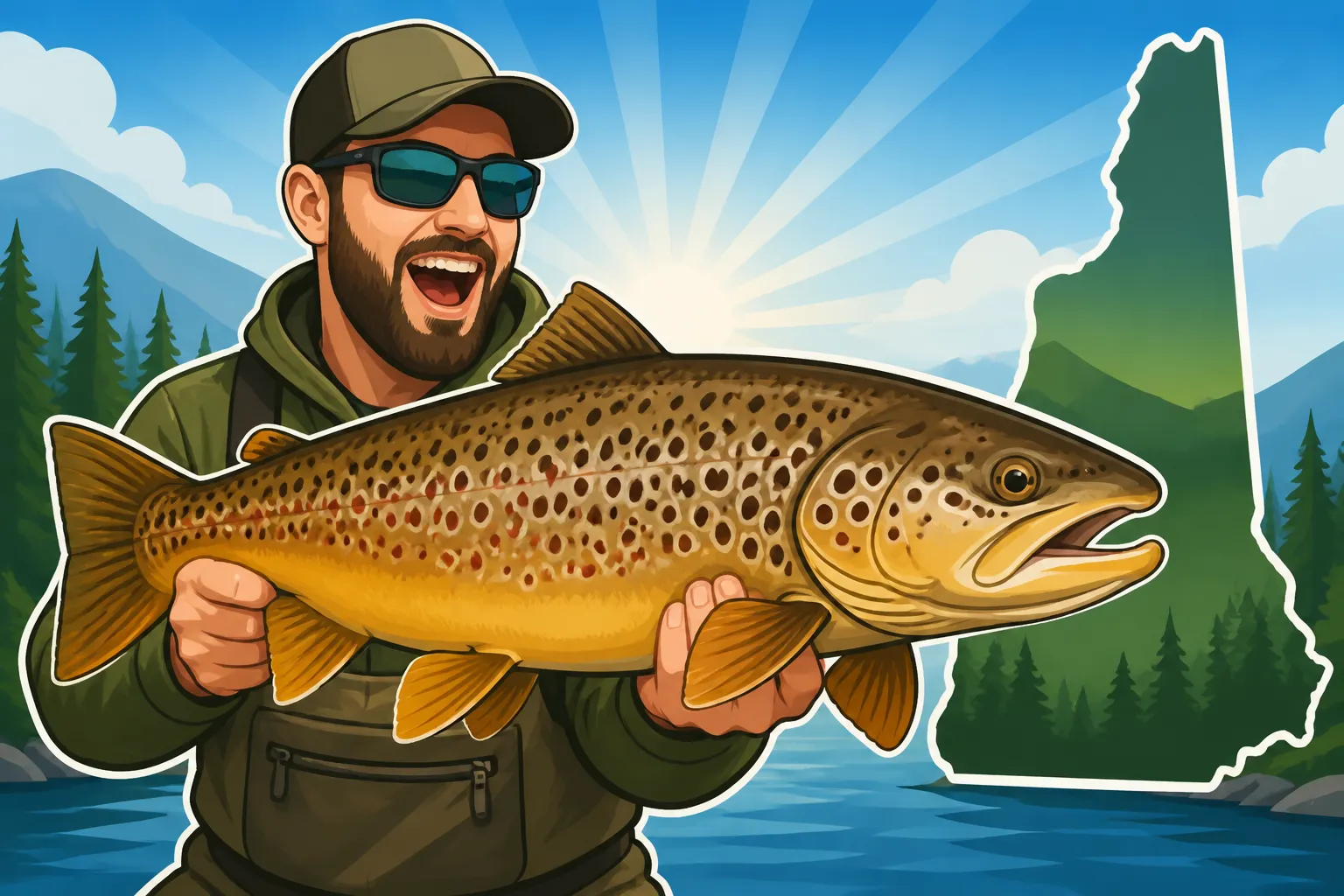
New Hampshire state record brown trout weight
It’s a natural curiosity for any angler who loves the thrill of the chase: what’s the biggest fish ever pulled from our waters? When it comes to brown trout in New Hampshire, the state record isn't just a number; it's a testament to incredible angling skill, a bit of luck, and the healthy fisheries we're so proud of. This guide will dive deep into the legendary New Hampshire state record brown trout, helping you understand not just the impressive weight of this fish, but also where these lunkers hide, how seasoned anglers try to catch them, and what makes a brown trout truly reach trophy status in the Granite State.
The Elusive New Hampshire State Record Brown Trout
Every angler dreams of landing a fish so massive it makes the record books, and the brown trout is a species that often fuels such dreams here in New Hampshire. Known for their elusive nature and formidable fighting spirit, brown trout grow to impressive sizes, particularly in lakes and rivers with abundant forage. Chasing a record isn't just about the glory; it's about pushing the boundaries of what's possible in our local waters.
Unveiling the Record Holder and Its Weight
Let's get right to it: the New Hampshire state record brown trout weighed in at a whopping 18 pounds, 8 ounces. This incredible fish was caught by Milton R. Gray Jr. back in 1969. Imagine the excitement of reeling in such a leviathan! It was landed from Pleasant Lake in New London, a truly beautiful body of water known for its clear depths. This record has stood for decades, a testament to the sheer size of that particular brown trout and the challenges inherent in surpassing such a benchmark. When you hear stories of anglers spending years pursuing a specific species, it’s this kind of monumental catch that often inspires their dedication.
Catching a fish of this magnitude isn't just about being in the right place at the right time; it often involves meticulous planning, understanding fish behavior, and sometimes, a little bit of old-fashioned persistence. The record fish from Pleasant Lake highlights the potential our New Hampshire waters hold for growing truly massive trout. It serves as a constant reminder that while many of us are happy with a pan-sized trout for dinner, there are true giants lurking in the depths.
Why the Brown Trout Record Matters
The existence of a state record, especially one that has stood for so long, acts as a benchmark for the quality and health of our brown trout populations. It tells us that conditions in certain lakes and rivers are capable of sustaining these large, predatory fish, which in turn speaks to the overall ecosystem. A healthy, robust forage base, coupled with clean, cold water, allows brown trout to thrive and grow to exceptional sizes.
For many anglers, the record represents the ultimate challenge. It's a goal to strive for, a tangible piece of angling history that sparks competition and camaraderie within the fishing community. Furthermore, these record catches often bring attention to specific waters, encouraging more anglers to explore their potential, while also reinforcing the importance of conservation. Understanding New Hampshire Fishing Regulations Explained helps ensure these opportunities continue for generations. The stories surrounding these catches become part of local angling lore, passed down through generations, inspiring new fishermen and women to pick up a rod and see what wonders our lakes and rivers hold.
The Quest for Trophy Browns: Where They Live
Brown trout are incredibly adaptable, making them a popular species across New Hampshire's diverse aquatic landscapes. However, when you're talking about trophy-sized brown trout – the kind that could potentially challenge a state record – you need to be looking at specific types of environments that provide them with everything they need to grow exceptionally large.
Ideal Habitats for Giant Brown Trout
Trophy brown trout aren't found just anywhere; they have very specific preferences that cater to their predatory nature and need for cold, oxygenated water. In rivers, this often means deep pools, undercut banks, and stretches of water with plenty of fallen timber or large boulders that offer cover from predators and ambush points for prey. They are often found near current breaks where food is washed to them, allowing them to expend less energy while feeding. Clear, cold water is paramount, as it's typically rich in oxygen and supports the forage species they depend on.
In lakes, the scenario shifts slightly but the core needs remain the same. Large lake trout, like other trophy trout, gravitate towards deeper, cooler sections, especially during the warmer months. Look for areas with significant structural diversity, such as steep drop-offs, underwater humps, old stream beds, and extensive rock piles. These features provide thermal refuge and concentrate baitfish. Lakes with abundant populations of smelt, alewives, or even smaller yellow perch are prime candidates for growing giant brown trout, as these forage species provide the rich, high-calorie diet necessary for rapid growth. Understanding Brown Trout Habits in New Hampshire Streams can provide more specific insights into their preferred living conditions.
Notable Waters Known for Large Brown Trout
While the exact location of every big brown trout is a closely guarded secret among local anglers, certain types of New Hampshire waters consistently produce impressive specimens. Large, deep lakes, particularly those with a history of stocking brown trout and a strong forage base, are often where these lunkers are found. Pleasant Lake, the home of the current state record, is a prime example, but other significant bodies of water are also known to hold substantial brown trout populations. These include some of our larger, deeper glacial lakes that maintain cold water throughout the summer.
Beyond the big lakes, some of our wider, colder rivers can also yield surprising results. Rivers that flow from large lakes or those with good spring-fed tributaries can provide excellent habitat for brown trout to grow. These river sections often have a mix of deep holes, faster riffles, and ample cover, creating a dynamic environment where brown trout can hunt effectively. While it's rarer to pull a state record from a river compared to a large lake, the possibility always exists, especially in stretches known for Best Fly Fishing Rivers in New Hampshire where larger fish might be more protected or simply have better feeding opportunities. Always remember to check New Hampshire Trout Stocking and Fishing Rules and local regulations, as some areas may have special rules for specific species or sizes.
Tackling Giants: Techniques and Gear for Record Brown Trout
So, you're dreaming of a record-breaking brown trout. That's fantastic! But how do you actually go about trying to catch one of these elusive monsters? It's not the same as casually tossing a worm for stocked brookies. Targeting truly large brown trout requires specialized techniques, a deep understanding of their behavior, and the right gear to stand a chance when you hook into a fish of a lifetime.
Advanced Techniques for Big Browns
Catching record-class brown trout often means moving beyond conventional methods. For lake dwellers, deep trolling is often the most effective strategy. This involves using downriggers, lead core line, or heavy weights to present lures or bait at specific depths where large trout are feeding. Speed control is critical, as big browns can be particular about how fast or slow a presentation moves. Utilizing sonar and fish finders to locate baitfish schools and underwater structure is also absolutely essential. Think about mimicking their primary forage – whether it's smelt, perch, or other small fish – with realistic plugs, spoons, or even live bait.
For riverine brown trout, especially in trophy sections, large streamer fly fishing can be incredibly productive. These flies imitate baitfish or larger aquatic insects and are fished with aggressive strips and pauses to provoke a strike. Euro nymphing, a highly sensitive technique, can also pinpoint large browns feeding on the bottom in complex currents. Patience is a virtue here; casting to likely holding water repeatedly and working through different retrieves can eventually entice a strike. In some specific scenarios, dead-drifting large shiners or suckers under a float can also be an effective strategy for enticing a truly massive brown.
Essential Gear for Trophy Trout Hunting
When you're after a fish that could potentially weigh close to 20 pounds, your gear needs to be up to the task. Forget ultralight rods; you'll want something with enough backbone to handle a powerful run and deep dives.
Here’s a breakdown of essential gear:
| Gear Type | Description | Key Features for Trophy Browns |
|---|---|---|
| Rods | Medium-heavy to heavy power spinning or baitcasting rods for trolling; 6-8wt fly rods for streamers. | Strong backbone for fighting large fish, sensitive tip for detecting subtle bites. Rods designed for salmon/steelhead are often suitable. |
| Reels | High-quality spinning reels (3000-4000 series) or baitcasting reels with smooth, powerful drags. | Excellent drag system is crucial for preventing break-offs on powerful runs. |
| Line | 10-20 lb test braided mainline with fluorocarbon leaders (8-15 lb) for abrasion resistance and stealth. | Low stretch for sensitivity, high breaking strength. Fluorocarbon leaders are virtually invisible underwater. |
| Lures | Large spoons (e.g., Mooselook Wobblers, Sutton Spoons), deep-diving crankbaits (Rapala, Yo-Zuri), soft plastic swimbaits, large streamer flies (Wooly Buggers, Clouser Minnows). | Match the size and color to local baitfish. Err on the side of larger presentations for trophy fish. |
| Accessories | Fish finder/sonar, downriggers (for lake trolling), high-quality landing net with rubberized mesh, release tools. | A good fish finder is indispensable for locating structure and fish. A large net protects the fish during landing and release. |
Many anglers find that durable, reliable equipment is an investment that pays off, and you can find a wide range of options for these specialized tools. For instance, a quality trolling reel with a robust drag system is a must, and many reputable brands offer models suitable for this purpose, often conveniently available through retailers like Amazon. Similarly, seeking out a strong, sensitive rod for deep-water trolling or heavy streamer casting will make a huge difference in your success rate. When choosing lures, consider colors and patterns that mimic the natural forage in the water you're fishing. For example, if smelt are abundant, a silver or blue-back lure can be incredibly effective. Take a look at Best Trolling Gear for New Hampshire Lake Trout or Best Gear for New Hampshire Trout Fishing for more detailed recommendations.
Understanding the Makings of a Record Brown Trout
What exactly does it take for a brown trout to grow to truly gargantuan proportions, like the New Hampshire state record? It’s a fascinating interplay of genetics, environment, and sheer longevity. These fish aren’t just born big; they evolve into giants over time, surviving the gauntlet of predators, disease, and angling pressure.
Factors Influencing Brown Trout Size
Several critical factors contribute to a brown trout's ability to reach record-breaking size:
- Forage Base: This is arguably the most significant factor. Brown trout are opportunistic predators. In waters with an abundant supply of high-protein forage fish – like rainbow smelt, alewives, or smaller yellow perch – brown trout can grow rapidly. Imagine a buffet table that’s always stocked; that’s what a rich forage base is for these fish. Without a consistent and easy food source, they simply won't have the energy to pack on the pounds.
- Water Quality and Temperature: Brown trout prefer cold, well-oxygenated water. Stable water temperatures that don't fluctuate wildly are ideal. Stressed fish, whether from poor water quality or extreme temperatures, will put their energy into survival rather than growth. Lakes with deep, cold thermoclines are perfect summer refuges for large browns.
- Genetics: While environmental factors play a huge role, some brown trout may simply be genetically predisposed to grow larger and live longer. These "super fish" are the ones that have the potential to break records.
- Age and Longevity: It takes time to grow big. A brown trout doesn't reach 18 pounds overnight; it needs to survive for many years. Factors like low angling pressure, abundant cover, and a healthy environment contribute to their longevity. Older fish have had more opportunities to feed and grow.
Wild vs. Stocked Brown Trout for Trophy Potential
This is a really interesting debate among anglers. New Hampshire Fish and Game stocks many waters with brown trout, often to enhance angling opportunities. These stocked fish, if they survive and adapt to their new environment, can certainly grow to impressive sizes, especially if released into waters with a strong forage base. They often have a head start in terms of size and are robust.
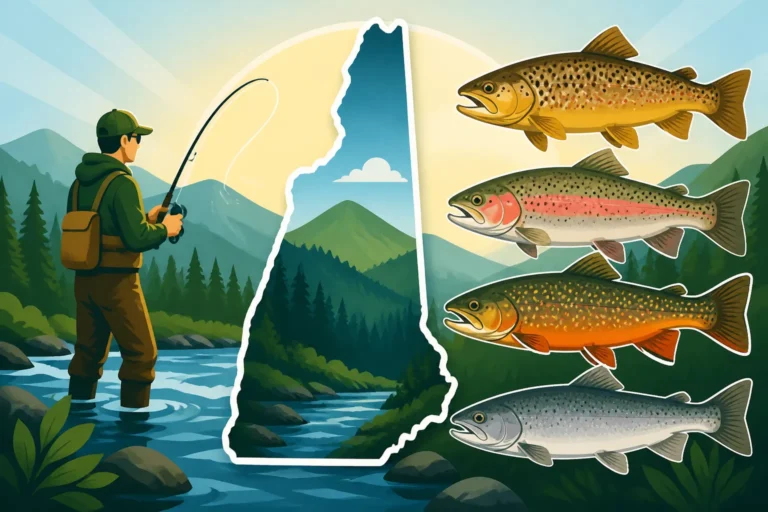
However, truly wild, stream-bred brown trout, though often starting smaller and growing slower in their initial years, can develop incredible instincts for survival and feeding. In certain pristine river systems, wild browns can reach significant trophy sizes, though perhaps not often challenging the state record set in a large lake. Wild trout are generally harder to catch, having learned to evade predators and anglers from birth. The state record fish, caught in 1969, likely benefited from being in a robust, natural system that allowed it to grow unhindered for many years. The longevity aspect often favors fish that spend their entire lives in a healthy, natural environment, rather than being moved from a hatchery. For more on the different trout you might encounter, check out Trout Species Identification Guide for New Hampshire.
Stewarding the Future: Preserving New Hampshire's Big Brown Trout
Catching a record-breaking fish is a dream, but ensuring those opportunities exist for future generations is a shared responsibility for all anglers. Preserving our trophy brown trout fisheries involves thoughtful practices, adherence to regulations, and a commitment to conservation.
The Importance of Catch and Release
For many anglers targeting trophy-sized brown trout, catch and release is not just a practice; it's a philosophy. These large, mature fish are often the cornerstone of a healthy fishery. They are the breeders, passing on their strong genetics to the next generation, and their removal can have a significant impact on the overall population structure. When you land a magnificent brown trout, especially one that's pushing double-digits, carefully releasing it back into the water gives it a chance to spawn again and potentially grow even larger.
To maximize the survival rate of released fish:
- Minimize Handling: Keep the fish in the water as much as possible. Avoid dragging it onto rocks or dry surfaces.
- Use Wet Hands: If you must touch the fish, wet your hands first to protect its delicate slime coat.
- Barbless Hooks: Consider using barbless hooks, or crimp down the barbs on your regular hooks. This makes removal much easier and less damaging.
- Proper Tools: Have a good pair of pliers or hemostats ready for quick hook removal. A large, rubberized landing net is also essential, as it minimizes scale and fin damage compared to knotty mesh nets.
- Revive Gently: If the fish seems sluggish, hold it upright in the water, facing into a gentle current, until it regains its strength and can swim away on its own.
Practicing responsible catch and release, particularly for species that take many years to grow large, is key to maintaining a robust trophy fishery.
Respecting Regulations and Conservation Efforts
New Hampshire Fish and Game works tirelessly to manage our fisheries, including those that hold trophy brown trout. These efforts include stocking programs, habitat restoration, and, critically, setting New Hampshire Bag and Possession Limits by Species. It's every angler's responsibility to understand and abide by these rules. Regulations are not arbitrary; they are carefully designed based on scientific data to protect fish populations and ensure sustainable fishing opportunities.
Beyond the regulations, anglers can contribute to conservation by:
- Reporting Poaching: If you see suspicious or illegal activity, report it to Fish and Game.
- Cleaning Up: Pack out all trash, and leave fishing spots cleaner than you found them.
- Educating Others: Share your knowledge of responsible angling practices with fellow fishermen, especially beginners.
- Supporting Conservation: Consider donating to or volunteering with local conservation groups that work to protect aquatic habitats.
The health of our lakes and rivers, and the magnificent fish that inhabit them, depends on our collective actions. By being responsible stewards, we can ensure that the dream of catching a record-class brown trout remains a possibility for many years to come.
Disclaimer
This article is for general informational purposes only and does not constitute professional advice. Laws, prices and regulations vary by location and change over time. Consult a qualified professional for guidance on your specific situation.