Tiger Muskie Stocking in New Hampshire
For many anglers in New Hampshire, the idea of hooking into a truly monstrous freshwater fish feels like a distant dream, especially when most of our fishing revolves around trout and bass. But what if I told you there's a fish out there that combines the aggressive strike of a pike with the elusive nature of a muskellunge, offering a genuine big-game thrill right here in the Granite State? This guide dives deep into the world of tiger muskie stocking in New Hampshire, exploring why these fascinating hybrids are introduced, where you can find them, and how you can prepare to tackle one of these formidable predators.
Understanding the Tiger Muskie: A Hybrid Predator
The tiger muskie isn't a naturally occurring species; it's a sterile hybrid cross between a muskellunge and a northern pike. This unique parentage results in a fish that often combines the best (and most challenging) traits of both. Anglers are drawn to them for their sheer size, powerful fight, and striking appearance.
What Makes a Tiger Muskie Unique?
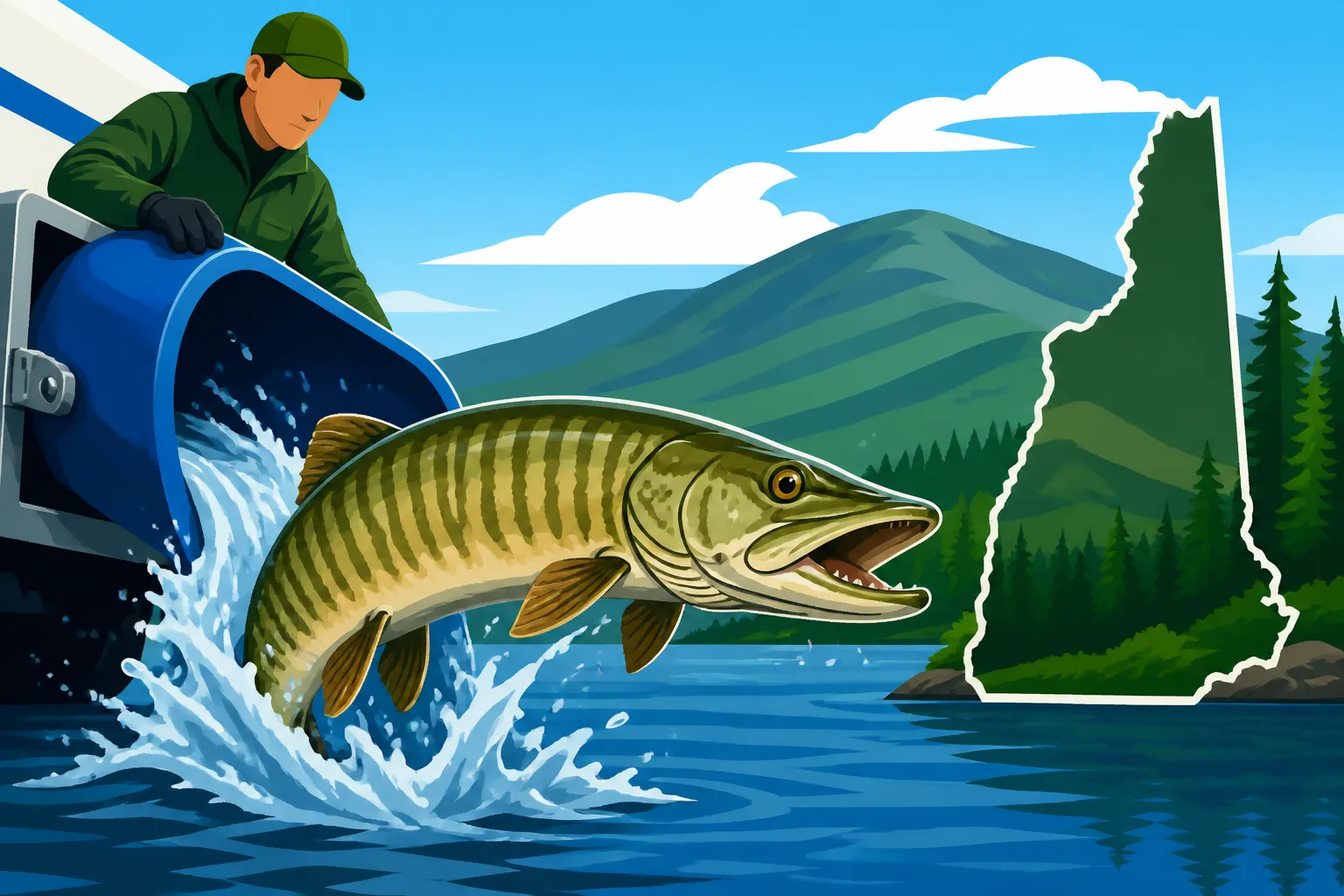
Imagine a fish that looks like it's been painted with a dark, vertical stripe pattern, almost like a tiger – hence the name! These distinctive markings set them apart from their parent species. Northern pike typically have horizontal, bean-shaped spots on a lighter background, while true muskellunge often have spots or bars on a lighter body, or even a clear, unmarked greenish-brown. Tiger muskies, however, showcase those unmistakable dark, irregular vertical bars on a lighter, often yellowish-green body.
Beyond their looks, their hybrid vigor means they often grow faster than either parent species in their early years. They are also, critically, sterile, which means they can't reproduce. This is a key factor in why they are stocked by fisheries managers. It means their populations can be precisely controlled, preventing them from overpopulating a water body or establishing self-sustaining populations that might negatively impact native fish. This also allows wildlife agencies to introduce a thrilling sportfish without the long-term ecological commitments that come with introducing a new, fertile species.
Life History and Growth Potential
Tiger muskies are built for predation. They have long, torpedo-shaped bodies, powerful tails for explosive bursts of speed, and mouths full of razor-sharp teeth. They are ambush predators, often lurking in weed beds or near structure, waiting for an unsuspecting meal to swim by. Their diet primarily consists of smaller fish, which is a major reason why fisheries departments consider stocking them.
In optimal conditions, with plenty of forage, tiger muskies can grow quite large. While they might not reach the absolute maximum size of pure muskellunge, they certainly offer a substantial challenge. Anglers can expect to encounter fish ranging from 25 to well over 40 inches, with some potentially pushing even larger. The allure of catching a true freshwater trophy, a fish that can exceed three feet in length and fight with incredible power, is a significant draw for many serious anglers. It's a testament to their growth potential that they can quickly become the apex predator in many of the waters they inhabit, providing a unique angling experience.
Why New Hampshire Stocks Tiger Muskies
The decision to stock any fish species, especially a non-native hybrid like the tiger muskie, is never taken lightly. Fisheries biologists consider a range of ecological and recreational factors before introducing them into New Hampshire's waters. The primary goals often revolve around ecosystem management and enhancing sportfishing opportunities.
Ecosystem Management and Panfish Control
One of the most compelling reasons for stocking tiger muskies is their role as a biological control agent. Many lakes and ponds in New Hampshire, especially those heavily fished or with certain environmental conditions, can suffer from an overpopulation of smaller, stunted panfish like yellow perch or sunfish. While these species are fun to catch, an overabundance can lead to competition for resources, reduced growth rates, and an overall imbalance in the aquatic ecosystem.
Tiger muskies, being voracious piscivores (fish-eaters), can effectively thin out these overpopulated panfish schools. By preying on the smaller, more numerous fish, they reduce competition for food, allowing the remaining panfish to grow larger and healthier. This creates a more balanced fishery, benefiting not just the panfish populations but also other game fish that might be competing for similar food sources. It's a strategic move to help bring an out-of-whack ecosystem back into a healthier equilibrium.
Creating Trophy Fishing Opportunities
Let's be honest, part of the excitement of fishing is the chance to catch something truly impressive, something that tests your skill and strength. Tiger muskies deliver on that promise. They are known for their explosive strikes, powerful runs, and stubborn fights, making them a premier freshwater sport fish. For anglers seeking a big-game challenge without traveling far, the introduction of tiger muskies provides an exciting, accessible option.
The possibility of hooking into a fish that's over three feet long is a massive draw. It adds a unique dimension to New Hampshire's diverse fishing scene, which already boasts excellent trout, salmon, and bass fisheries. This pursuit not only thrills individual anglers but also contributes to local economies, as anglers invest in specialized gear, guides, and accommodations. The creation of such a distinct fishery also helps to diversify angling opportunities, appealing to a broader range of fishing enthusiasts. When you talk about New Hampshire State Fish Records by Species, the tiger muskie might not be native, but it certainly offers a shot at a personal best.
Minimal Ecological Risk as a Sterile Hybrid
The fact that tiger muskies are sterile is a critical advantage for fisheries managers. When a fertile, non-native species is introduced, there's always a risk that it could establish a self-sustaining population that might outcompete or hybridize with native fish, leading to unforeseen ecological consequences. This is a common concern with invasive species.
Because tiger muskies cannot reproduce, any population established through stocking is entirely dependent on continued human intervention. This gives fisheries departments precise control. They can introduce them to specific waters for specific purposes, monitor their impact, and cease stocking if any negative effects are observed, without worrying about an uncontrolled population explosion. This "put-grow-and-take" approach (though often it's "put-grow-and-release" for these trophy fish) allows for the benefits of a trophy fishery and biological control with a significantly reduced risk to the native ecosystem, making it a responsible choice for enhancing fishing opportunities.
Where Tiger Muskies are Stocked in New Hampshire
While the idea of tiger muskies patrolling every lake and pond in New Hampshire is exciting, their stocking is quite specific and strategic. Not every water body is suitable, and decisions are based on a variety of factors, including water size, existing fish populations, and public access.
Identified Stocking Waters
New Hampshire Fish and Game carefully selects waters for tiger muskie stocking. These are typically larger lakes or ponds that have ample forage fish, sufficient deep water for thermal refuge in summer, and a good amount of structure like weed beds or fallen timber for ambush points. These waters are often those identified as having an overpopulation of panfish, making them prime candidates for muskie introduction as a control measure.
Historically, specific lakes like Lake Monomonac in Rindge, Phillips Pond in Sandown, and Lucas Pond in Northwood have been known stocking locations. These lakes provide the ideal environment for tiger muskies to thrive, grow large, and fulfill their role as top predators. Anglers interested in targeting these fish should always consult the latest New Hampshire Fish and Game stocking reports and fishing digests for current information, as stocking locations can change based on biological assessments and management goals. Understanding the specific characteristics of these lakes, such as their depth profiles and primary forage, is key to successful fishing. These spots might not be among the Best Fishing Lakes in New Hampshire for every species, but they are certainly top-tier for muskie.
Criteria for Stocking Decisions
The decision-making process for where to stock tiger muskies is complex and science-based. Fisheries biologists look at several key criteria:
- Forage Base: The most crucial factor is an abundant and accessible food source. Lakes with high numbers of stunted yellow perch, suckers, or other small baitfish are ideal, as these provide the necessary diet for muskies to grow quickly. Without a strong forage base, muskies would struggle, and their effectiveness as a biological control would be diminished.
- Water Body Size and Depth: Tiger muskies need space to roam and thrive. Larger lakes offer more habitat and better thermal stratification, allowing them to find cooler, oxygenated water during warmer months. Deeper sections are essential for their survival when surface temperatures rise.
- Angler Access and Pressure: Stocked waters need to be accessible to anglers, as the goal is to create a recreational fishery. However, management also considers existing angler pressure to ensure the muskie population can sustain itself under that pressure, especially given their low numbers.
- Existing Fish Community: Biologists assess the current fish community to ensure that tiger muskies won't unduly compete with or prey upon valuable native species or other highly desired game fish. Their sterility is a huge benefit here, minimizing the risk of unintended long-term impacts on the native fish fauna. This careful balancing act is part of comprehensive New Hampshire Fishing Regulations Explained.
Fishing for Tiger Muskies in New Hampshire
Tackling a tiger muskie is not for the faint of heart, nor for the unprepared. These are powerful, intelligent predators that demand specialized gear and a significant amount of patience. But the reward of landing one of these striped giants is an experience few other freshwater fish can provide.
Essential Gear for Muskie Anglers
You wouldn't bring a butter knife to a sword fight, and you certainly wouldn't bring ultralight tackle to a muskie hunt. These fish require heavy-duty equipment capable of handling their size and violent strikes.
- Rods and Reels: A heavy-action baitcasting rod, typically 7 to 9 feet long, is standard. Look for rods designed specifically for muskie or pike fishing, as they have the backbone to cast large lures and withstand the tremendous forces of a battling muskie. Pair this with a robust baitcasting reel capable of holding a large amount of heavy braided line, perhaps 80-100 lb test, with a fluorocarbon or wire leader. You can find excellent options for specialized muskie tackle on Amazon, offering a wide array of choices for serious anglers.
- Lures and Baits: Forget your dainty panfish jigs. Muskie fishing means big baits. Large crankbaits, bucktail spinners (often 6-10 inches long!), glide baits, jerkin' baits, and massive soft plastics are the norm. These lures imitate the large forage fish that muskies key in on. Sometimes, dead baitfish fished on quick-strike rigs can also be effective, especially during colder months. Color choice can be important; natural colors often work in clear water, while brighter patterns or those with flash can be better in stained conditions. For the most effective setups, consider what works for How to Catch Largemouth Bass in New Hampshire but scaled up significantly.
- Handling Tools: This is non-negotiable. Muskie have extremely sharp teeth and can be dangerous to handle. You must carry a long-nosed pliers or jaw spreaders, and a large, rubberized landing net specifically designed for muskie. Never grab a muskie by the gill plates, as this can severely injure the fish. A good pair of heavy-duty gloves is also recommended for handling their abrasive bodies and to protect against accidental nicks.
Techniques and Strategies
Muskie fishing is often described as "the sport of 10,000 casts," and while that might be an exaggeration, it certainly speaks to the patience required.
- Casting and Retrieving: Covering water effectively is key. Fan casting large areas with bucktails or crankbaits helps locate active fish. Experiment with retrieve speeds and pauses. Often, a muskie will follow a lure right to the boat, so performing a "figure-eight" maneuver beside the boat with your lure can often trigger a strike from a hesitant follower.
- Trolling: In larger lakes, trolling can be an effective way to cover vast expanses of water and present lures at precise depths. Using planer boards can help spread out multiple lines, covering a wider swath. Pay close attention to electronics to identify underwater structure, baitfish schools, and temperature breaks where muskies might be lurking. This technique is somewhat similar to Trolling Techniques for New Hampshire Lake Trout, just with different gear.
- Structure and Cover: Muskies are ambush predators, so target areas with structure. Weed lines, submerged timber, rock piles, sudden drop-offs, and points are all prime locations. Look for areas where baitfish congregate, as the muskies won't be far behind. Early morning and late evening often provide the best bite, but they can be caught throughout the day, especially on overcast days.
Tiger Muskie Regulations and Conservation
Fishing for tiger muskies isn't just about the thrill of the catch; it's also about responsible angling and conservation. New Hampshire has specific regulations in place to protect these valuable sportfish, and every angler plays a crucial role in ensuring their long-term success.
Catch and Release Ethos
For tiger muskies, catch and release is not just encouraged, it's often mandated by regulation and is a fundamental aspect of the fishery's management. These fish are stocked at considerable expense to provide a trophy fishery, and their numbers are relatively low. Releasing them ensures they can grow larger and provide a thrilling experience for other anglers. The goal is to maximize their time in the water and their contribution to the ecosystem.
When practicing catch and release, speed and care are paramount. Minimize the time the fish is out of the water. Use those specialized handling tools to quickly and safely unhook the fish. Support its body horizontally if you need to photograph it, never vertically by the jaw alone. If the fish seems stressed, hold it gently in the water, supporting its belly, until it vigorously swims away. Proper release techniques dramatically increase the fish's survival rate, allowing it to fight another day.
Specific New Hampshire Regulations
Anglers must always consult the most current New Hampshire Freshwater Fishing Digest for specific regulations regarding tiger muskies. These rules can change, but typically include:
- Minimum Length Limits: There will almost certainly be a substantial minimum length limit, often 30 inches or more, to ensure that fish have had ample time to grow and contribute to the trophy fishery before being harvested. This ensures that younger fish are protected.
- Daily Bag Limits: The daily bag limit for tiger muskies is usually very restrictive, often one fish per angler per day, if any harvest is permitted at all. In many cases, it's catch-and-release only. This low limit reflects their slow growth to trophy size and the desire to maintain a quality fishery.
- Season Dates: While tiger muskies might be open year-round in some waters, always check for specific closures or seasonal restrictions that might apply to certain water bodies.
- Gear Restrictions: Some waters might have specific gear restrictions (e.g., no live bait larger than a certain size) designed to protect the muskie population or other species.
Always double-check the latest regulations before heading out. Violating these rules, even unknowingly, can result in significant penalties, including fines and license suspension. Information on these details is found in the Reading the New Hampshire Freshwater Fishing Digest.
The Impact of Tiger Muskie Stocking
The introduction of tiger muskies, though carefully managed, creates ripple effects throughout the targeted fisheries, impacting both the aquatic environment and the human angling experience. These impacts are a key part of New Hampshire's ongoing fisheries management strategy.
Ecological Benefits and Challenges
From an ecological standpoint, the primary benefit is the aforementioned panfish control. By preying on abundant smaller fish, tiger muskies help rebalance the food web, potentially leading to healthier, larger individuals within the panfish population and reducing competition for other species. This can also indirectly benefit species like bass or pickerel by ensuring their forage base is healthy but not overpopulated.
However, there are always potential challenges to consider, even with sterile hybrids. While tiger muskies are designed to have minimal long-term impact due to their inability to reproduce, their presence as an apex predator will naturally shift dynamics. They will compete with other large predators like New Hampshire Bass Limits and Slot Rules or large pickerel for food, especially if the forage base isn't as robust as anticipated. Fisheries managers continuously monitor these interactions to ensure the benefits outweigh any potential drawbacks. The limited scope of their stocking helps mitigate widespread ecological impacts.
Angler Experience and Tourism
For the angling community, the impact is overwhelmingly positive. Tiger muskies offer a unique, challenging, and incredibly rewarding fishing experience that few other freshwater species can match. This translates to several benefits:
- Diversified Angling Opportunities: It provides an alternative for anglers who have perhaps mastered trout or bass fishing and are looking for a new, bigger challenge. This broadens the appeal of fishing in New Hampshire.
- Increased Angler Satisfaction: Landing a muskie, even a respectable one, is often considered a pinnacle achievement for many freshwater anglers. The sheer power and elusive nature of these fish make every catch memorable.
- Potential for Fishing Tourism: A well-managed tiger muskie fishery can attract anglers from outside the state, especially those seeking big-game freshwater opportunities. This can lead to increased visits to local bait shops (many of which stock specialized muskie gear you might not find everywhere, though Amazon is always an option for specific items), tackle stores, restaurants, and lodging, providing an economic boost to communities near stocked waters.
- Knowledge and Skill Development: Pursuing muskies forces anglers to learn new techniques, understand specialized gear, and develop immense patience. It pushes them to become better, more dedicated anglers. For more insights on gear selection, you might want to read about Best Tackle for New Hampshire Smallmouth Bass and then size everything up for muskies.
In essence, tiger muskie stocking in New Hampshire is a testament to proactive fisheries management, aiming to strike a balance between ecological health and providing thrilling, world-class angling opportunities for those willing to embrace the challenge.
| Lake/Pond Name | Known for Muskie Stocking | General Characteristics | Primary Forage Base (Typical) | Key for Anglers |
|---|---|---|---|---|
| Lake Monomonac | Yes | Large, moderately deep, good weed beds and structure | Yellow Perch, Sunfish | Good shore access, boat ramps, often productive for larger fish |
| Phillips Pond | Yes | Smaller, shallower, heavy weed growth in areas | Perch, Bullhead | More intimate fishing, focus on weed lines and drop-offs |
| Lucas Pond | Yes | Medium size, good depth variation, various cover types | Smelt, Perch | Good for trolling and casting, look for submerged structure |
| Other potential | Always Check Current Regs | Varies widely, look for ample forage and deeper water | Varies | Consult NH Fish & Game stocking reports for the latest information |
Disclaimer
This article is for general informational purposes only and does not constitute professional advice. Laws, prices and regulations vary by location and change over time. Consult a qualified professional for guidance on your specific situation.