Landlocked Salmon Growth Rate to Trophy Size
It’s a truly exhilarating feeling, isn't it, to hook into a powerful fish that just screams line off your reel? For many of us who chase landlocked salmon in New Hampshire, there's a constant fascination with how these incredible fish grow, and what it truly means to catch a "trophy." It’s not just about the fight; it's about understanding their journey. This guide is here to shed light on the growth rate of landlocked salmon, what factors contribute to their size, and what you can realistically expect when dreaming of that next big catch.
Understanding Landlocked Salmon in New Hampshire
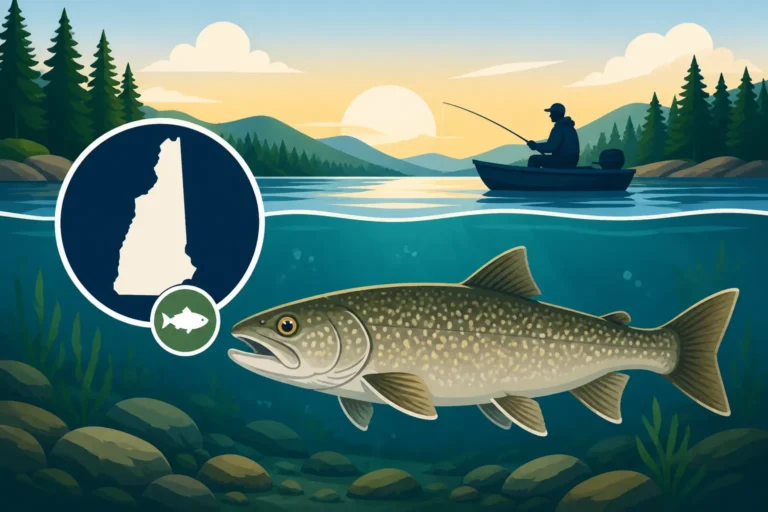
New Hampshire's waters hold a special allure for anglers, and among the most prized catches are the landlocked salmon. These fish are essentially Atlantic salmon that, through natural or human intervention, have become landlocked, meaning they complete their entire life cycle in freshwater. They are known for their acrobatic fights and stunning beauty, often featuring sleek, silvery bodies with dark spots.
What Exactly is a Landlocked Salmon?
Imagine a fish that’s built for speed and power, a true apex predator in its freshwater domain. That's a landlocked salmon. They are genetically identical to Atlantic salmon that migrate to the ocean, but their environment has shaped slightly different behaviors and growth patterns. In New Hampshire, many of our landlocked salmon populations are sustained through diligent stocking programs, though some natural reproduction does occur. They thrive in cold, clear, well-oxygenated lakes, often feeding on smaller baitfish. If you're passionate about these fish, delving into Landlocked Salmon Life Cycle in New Hampshire Lakes can give you an even deeper appreciation for their journey.
These fish are sleek, often described as torpedo-shaped, with a forked tail designed for bursts of speed. Their scales are typically small, giving them a smooth feel. While ocean-run salmon might develop a more pronounced "kype" (hooked jaw) during spawning, landlocked salmon can also show this, especially the mature males. They are truly magnificent creatures, and their presence in our lakes is a testament to the health of those ecosystems.
Key New Hampshire Habitats
New Hampshire boasts a number of prime locations where landlocked salmon thrive, often large, deep lakes with ample cold water and a robust forage base. Lakes like Winnipesaukee, Sunapee, Squam, and Newfound are often mentioned when discussing salmon fishing in the state. These deep, oligotrophic (nutrient-poor) lakes provide the crucial cold, oxygen-rich water that salmon demand, particularly during the warmer summer months when they retreat to deeper, cooler strata.
The presence of rainbow smelt, a primary food source, is absolutely critical to the health and growth of landlocked salmon populations. Without a strong smelt population, salmon simply cannot reach their full growth potential. Anglers often focus their efforts in these well-known lakes because they consistently produce both numbers of salmon and the occasional trophy. If you’re looking for specifics on where to find them, Where to Find Landlocked Salmon in New Hampshire is an excellent resource. These habitats are carefully managed to ensure sustainable fishing opportunities for generations of anglers.
Factors Influencing Growth Rate
The growth rate of landlocked salmon isn't a fixed constant; it's a dynamic interplay of several environmental and biological factors. Understanding these can help you appreciate why one lake might produce larger fish than another, or why growth might vary from year to year.
Forage Base and Diet
This is arguably the most critical factor. Landlocked salmon are predatory fish, and their growth is directly tied to the abundance and quality of their food supply. In New Hampshire, rainbow smelt are the cornerstone of a healthy landlocked salmon diet. When smelt populations are abundant and healthy, salmon have a rich source of protein and fat, allowing them to grow quickly and reach impressive sizes.
Conversely, if the smelt population declines due to overfishing, environmental changes, or disease, the salmon population will suffer. Their growth will slow, their average size will decrease, and it will be much harder for them to achieve "trophy" status. Think of it like a carefully balanced ecosystem – disturb one part, and the whole system feels the ripple effect. Many anglers actively seek out baitfish schools on their sonar, knowing that where the bait is, the salmon are likely not far behind. Ensuring a strong forage base is a primary goal of fishery managers. For more on their diet, check out What landlocked salmon eat in New Hampshire lakes.
Water Temperature and Oxygen Levels
Landlocked salmon are cold-water fish, and they absolutely need specific temperature ranges and high oxygen levels to thrive. Their optimal temperature range is generally between 45-65 degrees Fahrenheit (7-18 degrees Celsius). During the hot summer months, they seek out the thermocline – the layer of water where the temperature rapidly changes – or deeper, colder sections of the lake.
If a lake experiences prolonged periods of high water temperatures or low oxygen levels (a condition known as hypoxia), salmon become stressed. This stress can lead to slower growth, increased susceptibility to disease, and even mortality in extreme cases. Lakes with abundant deep, cold, oxygenated water throughout the year are best suited for producing large, healthy salmon. This is why you often find them holding deep during summer, sometimes over 60 feet down. Understanding How deep landlocked salmon go in summer can give you an edge in finding them.
Genetics and Strain Differences
Just like people, individual fish have genetic variations that can influence their growth potential. Some strains of landlocked salmon may be predisposed to grow larger or more quickly than others. Fishery managers often consider these genetic factors when sourcing fish for stocking programs, trying to introduce strains that have historically performed well in local conditions or exhibit desirable traits like rapid growth and good survival rates.
While this might seem like something out of an advanced biology class, it's actually quite practical. If a particular stocking program uses a robust, fast-growing strain of salmon, the chances of those fish reaching trophy size increase significantly, assuming all other environmental factors are also favorable. This isn't something an individual angler can control, but it's a fascinating aspect of fisheries management.
Competition and Population Density
Imagine a buffet: if there are only a few people, everyone gets to eat their fill. If the room is packed, everyone gets less. The same principle applies to fish populations. In a lake with a high density of salmon (and other predatory fish), there's more competition for the available food. This increased competition can lead to slower growth rates for all fish, as the food supply is spread thinner among a larger number of mouths.
Fishery managers carefully monitor population densities to ensure that there's a healthy balance between the number of fish and the available food sources. If a lake becomes overpopulated, they might adjust stocking numbers or harvest regulations to reduce competition and promote healthier growth. Finding that sweet spot where there are enough fish for anglers, but not so many that growth is stunted, is a constant challenge. This is where regulations like New Hampshire Landlocked Salmon Regulations come into play, helping to manage the overall population health.
Defining "Trophy Size" for New Hampshire Landlocked Salmon
What exactly constitutes a "trophy" landlocked salmon in New Hampshire? It's a question that can spark a lively debate among anglers, as personal definitions vary. However, there are some generally accepted benchmarks and official records that can help put things into perspective.
Official Records vs. Personal Trophies
The official state record for landlocked salmon in New Hampshire is a truly remarkable fish, often tipping the scales well into the double digits. These are the fish that make headlines and stand as a testament to exceptional growth and a bit of angler's luck. Catching a fish that approaches state record size is the dream of a lifetime for many.
However, for most anglers, a "trophy" doesn't necessarily have to break a state record. A salmon weighing 5 pounds or more is often considered a very respectable catch, showcasing good growth and a strong fight. A 7- to 10-pound salmon is usually celebrated as a true trophy, a magnificent fish that represents years of growth and survival in the wild. The weight and length might differ depending on the specific lake and its known productivity, but generally, anything over 5 pounds is a fantastic fish. Sometimes, it's not even about the sheer weight, but the length, girth, or even just the perfect memory of the catch.
| Size Category | Approximate Weight (lbs) | Approximate Length (inches) |
|---|---|---|
| Good Catch | 2 – 4 | 18 – 22 |
| Respectable Fish | 4 – 6 | 22 – 25 |
| Trophy Potential | 6 – 8 | 25 – 28 |
| True Trophy | 8 – 12+ | 28 – 30+ |
| State Record Class | 12+ | 30+ |
Note: These are general estimates and actual sizes can vary by lake and individual fish. Always check current regulations for specific length and bag limits.
Typical Size Ranges in New Hampshire Lakes
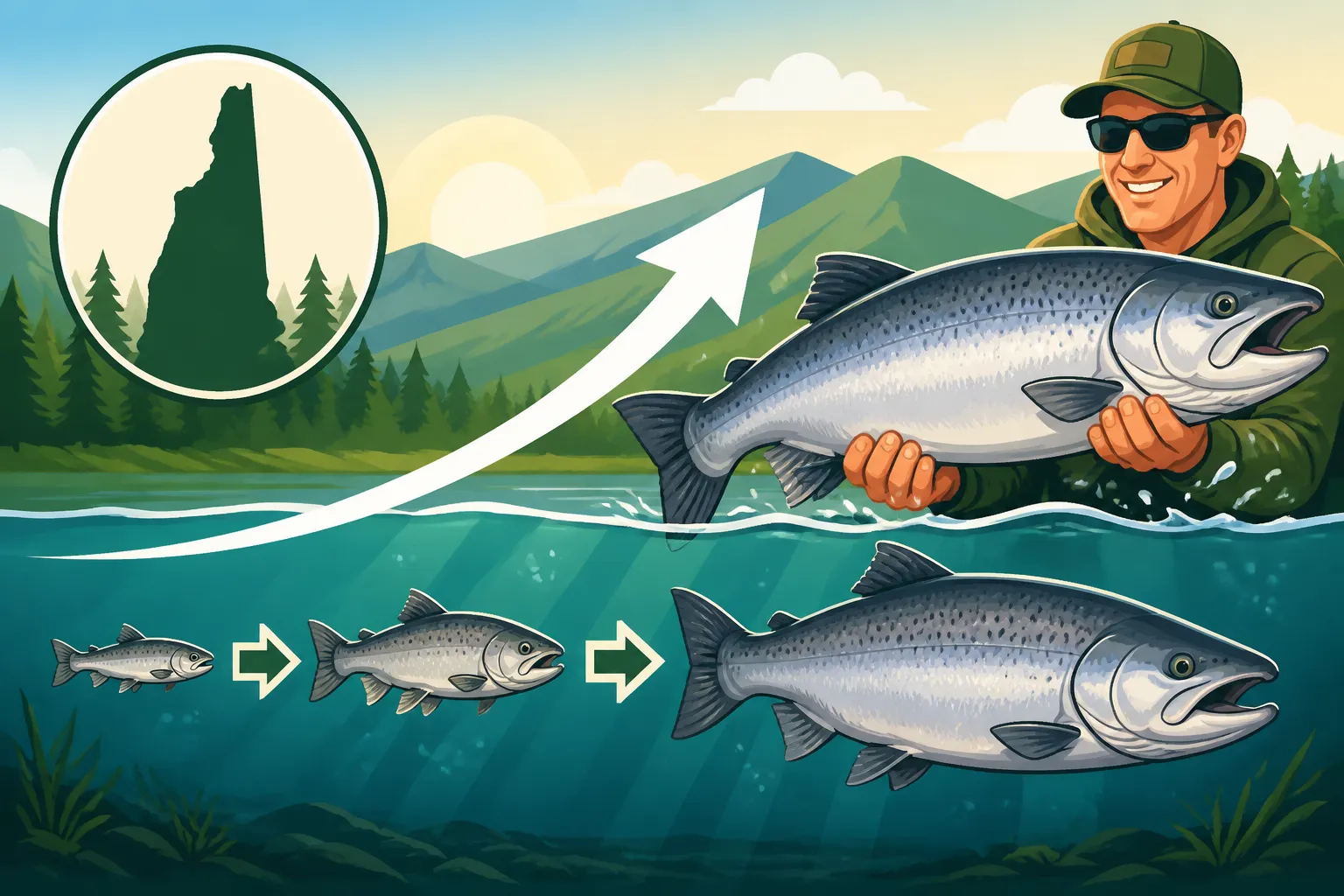
While some lakes consistently produce larger fish, generally, a two-year-old stocked salmon might be in the 12-16 inch range. By three years, they can often be 18-22 inches, putting them in the "good catch" category. Four- and five-year-old fish are usually where the "respectable" and "trophy potential" fish start to appear, potentially ranging from 4 to 8 pounds.
It's important to remember that these are averages. A fish in a particularly food-rich environment might grow faster, while one in a more competitive or less ideal habitat might grow slower. The oldest and largest salmon in New Hampshire can sometimes reach ages of 7-9 years or more, achieving those truly impressive double-digit weights. These older, larger fish are often the result of surviving multiple seasons, successfully navigating predators and angling pressure, and consistently finding ample food.
Life Cycle and Age-Related Growth
The journey from a tiny egg to a magnificent trophy salmon is a fascinating one, marked by distinct stages of growth and development. Each stage presents its own challenges and opportunities for the fish to put on size.
From Parr to Smolt: Early Stages
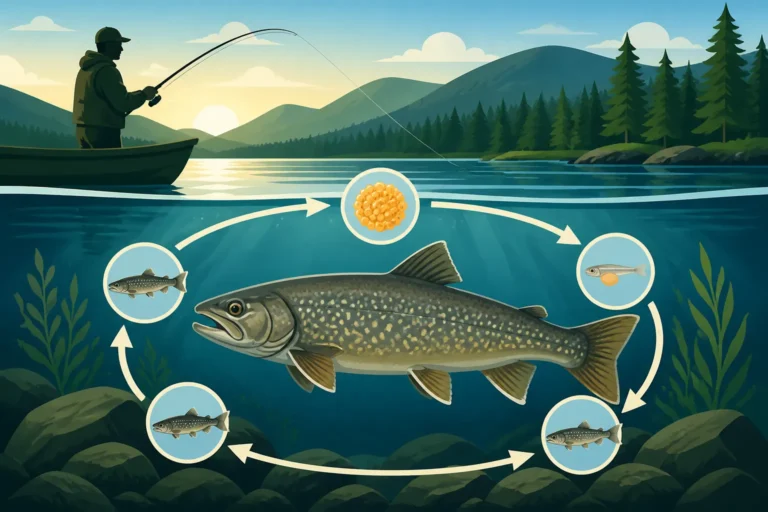
It all begins with a fertilized egg, often laid in clean, gravelly stream beds in the fall. After hatching, the tiny fish are called alevin, living off their yolk sac. Once the yolk sac is absorbed, they become fry, and soon after, parr. Parr are small, camouflaged fish with distinctive vertical bars on their sides, mimicking the streambed. They spend their early years in these natal streams, feeding on insects and growing. This riverine phase is critical for developing strong swimming skills and learning to evade predators.
After one to two years (sometimes longer, depending on conditions and strain), these parr undergo a remarkable transformation called smoltification. They develop a silvery coating, adapt to saltwater (if they were migrating to the ocean), and become ready to move into a larger body of water – in this case, a lake. This "smolt" stage is a crucial transition, as they leave the relative safety of the stream for the open water of the lake, where a different set of challenges and food sources await. This transition is essential for their growth, as lakes offer a far greater abundance of food than small streams.
The Rapid Growth Years
Once landlocked salmon smolts enter a lake, if the conditions are right (plenty of smelt, cold water, low competition), their growth can become quite rapid. This is often when they start packing on significant weight. The first few years in the lake are generally the most efficient for growth, as they convert abundant food into body mass. A two-year-old lake-dwelling salmon might be 15-18 inches, and by three or four years, they can easily reach the 20-25 inch range and begin to put on serious girth.
These are the years where a salmon truly starts to look like the powerful predator anglers dream of catching. They hone their hunting skills, become more efficient at finding and consuming smelt, and their musculature develops. During these years, anglers might see them feeding actively near the surface in cooler months or holding in deep, cold pockets during summer. You can learn more about their full life cycle in Landlocked Salmon Life Cycle in New Hampshire Lakes.
Maturity and Longevity
Landlocked salmon typically reach sexual maturity around 3 to 5 years of age. Once they mature, a significant portion of their energy is diverted from growth into reproduction. This means that while they might still gain some size, the rapid growth seen in their younger years tends to slow down. Mature salmon will often return to the streams where they were stocked or naturally hatched to spawn, a physically demanding process that can also impact their overall condition and future growth.
While some landlocked salmon may live up to 7, 8, or even 9 years, fish beyond this age are relatively rare. These older fish are the ones most likely to reach true trophy sizes, having survived numerous spawning cycles and years of angling pressure. Longevity is a key factor in achieving maximum size, but it's also a testament to their resilience and the quality of their habitat. Catching one of these older, larger fish is a special experience, a glimpse into the long life of a freshwater titan.
Strategies for Targeting Trophy Salmon
If you're dreaming of that truly big landlocked salmon, it's not just about luck. There are specific strategies and techniques that increase your odds, blending knowledge of their habits with effective angling methods.
Best Baits and Lures
Trophy landlocked salmon are often discerning eaters, accustomed to hunting efficient prey like smelt. Therefore, baits and lures that mimic their natural forage are key. Live or dead smelt, if legal and available, are incredibly effective. These can be fished on a quick-strike rig, either still-fished or slowly trolled. Many anglers prefer to find their own baitfish and ensure freshness, which can make a huge difference in attracting a wary salmon.
When it comes to artificial lures, spoons are perennial favorites. Brands offer spoons in various sizes and finishes, designed to imitate a wounded baitfish. Colors like silver, blue/silver, or even glow-in-the-dark patterns can be highly effective, especially in deeper water or low light. Plugs or stickbaits, particularly those with a slender profile that mimic smelt or other small fish, are also excellent choices. These can be trolled at various depths. Sometimes, a simple bucktail jig, tipped with a piece of bait or a grub, can trigger a strike from an opportunistic salmon. You can find a vast array of these on platforms like Amazon, from specific spoons to a diverse selection of plugs. For similar tactics on a related species, see Best Lures for Lake Trout Trolling.
Location, Location, Location
Finding trophy salmon often comes down to knowing where they live and where they feed. As cold-water fish, they'll seek out the coldest, most oxygenated water available, especially during the summer. This often means deep water, near points, humps, or underwater structure that provides cover and ambush points. They will also follow their primary food source, rainbow smelt.
Learning to read your fish finder is paramount. Look for schools of baitfish, and often, the larger arcs of salmon will be suspended just below or within these schools. Trolling specific depth contours or along thermoclines can be highly productive. In spring and fall, when water temperatures are more uniform and cool throughout the lake, salmon might be found closer to the surface or in shallower areas, even near tributary mouths. Knowing the specific lake's geography and how salmon utilize its features is key. This could mean targeting major deep basins or specific humps in lakes like Winnipesaukee.
Seasonal Approaches
Fishing for landlocked salmon is a year-round pursuit in New Hampshire, with different techniques shining in different seasons.
- Ice-Out (Spring): This is a prime time for trophy salmon. As the ice melts, the surface water is cold and oxygen-rich, allowing salmon to cruise the top layers of the lake. Trolling flies, small spoons, or streamer patterns near the surface, often within the first 10-20 feet, can be incredibly productive. Shore anglers can also have success near tributary inflows.
- Summer: As the water warms, salmon move deep. This is when downriggers become essential for presenting lures at precise depths. Trolling spoons, plugs, or even live bait at depths of 40-80 feet (or more) is common. Early mornings and late evenings can also see them rise higher in the water column for brief feeding windows.
- Fall: As lake temperatures cool again, salmon become more active and can be found throughout the water column, much like spring. They often move closer to tributary streams in preparation for spawning. Trolling spoons and stickbaits at various depths, including the upper layers, can be effective.
- Ice Fishing: Yes, you can ice fish for landlocked salmon! While not as common for trophies as open water, persistent ice anglers do connect with big fish. Jigging with spoons or small baits, or setting up tip-ups with live or dead smelt, particularly near deep structure or where smelt are known to congregate, can produce results. You can find specialized ice fishing gear, including tip-ups and ice jigs, on Amazon. For more detailed techniques, How to Catch Landlocked Salmon in New Hampshire offers a wealth of information. And if you're targeting them during ice-out, remember that Best Time of Day to Catch Landlocked Salmon can be crucial.
Conservation and Management for Healthy Growth
The pursuit of trophy landlocked salmon isn't just about the angler; it's also about ensuring the health and sustainability of the fishery for future generations. Responsible angling and effective management practices are paramount.
Catch and Release Practices
For trophy salmon, catch and release is often encouraged, especially for the largest, oldest fish which are vital for potential natural reproduction and maintaining a robust gene pool. Proper catch and release techniques significantly increase a fish's survival chances. This means using appropriate gear to land the fish quickly, minimizing handling time out of water, using wet hands or gloves, supporting the fish horizontally, and reviving it gently before release. Barbless hooks can also make unhooking easier and less stressful for the fish.
Many anglers are passionate about conservation and understand that releasing these larger fish helps to preserve the fishery. It’s a way of giving back to the waters that provide so much enjoyment. If you're serious about the future of salmon fishing, embracing catch and release, particularly for those truly exceptional specimens, is a valuable practice. Some anglers even take photos of their catch while the fish is still in the water to further minimize stress.
Role of Stocking Programs
As mentioned earlier, many of New Hampshire's landlocked salmon fisheries are sustained through active stocking programs by the New Hampshire Fish and Game Department. These programs involve raising salmon in hatcheries and releasing them into suitable lakes at various life stages, often as smolts or yearlings. The goal is to supplement natural reproduction (which can be limited in some landlocked environments) and provide consistent angling opportunities.
The success of these stocking programs directly impacts the growth rate and trophy potential of the salmon. When healthy, genetically diverse fish are stocked into lakes with ample food and good water quality, they have the best chance to grow large. Fishery managers carefully study the success of different stocking strategies, monitoring growth rates and survival to continuously improve the program. Without these dedicated efforts, the incredible salmon fishing we enjoy in New Hampshire would simply not be possible. New Hampshire Trout Stocking and Fishing Rules provides additional context on stocking practices, as salmon often benefit from similar management principles as trout.
Habitat Preservation Efforts
While stocking is crucial, preserving and enhancing natural habitat is equally, if not more, important for long-term sustainability. This includes protecting the water quality of the lakes themselves, as well as the health of the tributary streams where salmon might attempt to spawn. Maintaining cold, clear, well-oxygenated water is essential for salmon at all life stages.
Efforts to reduce pollution, control shoreline development, prevent erosion, and manage invasive species all contribute to a healthier salmon habitat. These initiatives often involve collaboration between state agencies, local communities, and conservation organizations. For example, protecting the stream beds where salmon might naturally reproduce ensures future generations of wild fish. A healthy environment leads to healthy fish, which in turn leads to better growth rates and more opportunities to catch those magnificent trophy salmon. This comprehensive approach to conservation helps ensure that New Hampshire's landlocked salmon fisheries remain vibrant for years to come.
Disclaimer
This article is for general informational purposes only and does not constitute professional advice. Laws, prices and regulations vary by location and change over time. Consult a qualified professional for guidance on your specific situation.