Lake Wentworth bass fishing spots
There’s nothing quite like the frustration of arriving at a beautiful new lake, tackle box in hand, only to stare out at the water and wonder, "Where do I even start?" Lake Wentworth is a prime example; it’s a stunning body of water in New Hampshire, but finding those elusive bass can feel like searching for a needle in a haystack if you don't know the local hot spots. This comprehensive guide is here to unravel the mysteries of Lake Wentworth's bass fishing, helping you pinpoint the best locations and tactics to make your next trip a roaring success.
Understanding Lake Wentworth's Bass Fishery
Lake Wentworth, nestled in Wolfeboro, New Hampshire, offers a fantastic mixed bag for bass anglers. Unlike some lakes that heavily favor one species, Wentworth boasts a healthy population of both largemouth and smallmouth bass, each with their own preferred haunts and habits. This means you've got options, whether you're a fan of throwing frogs into lily pads or finessing a tube jig over rocky humps. The lake itself is moderately sized, spanning about 3,000 acres with an average depth of around 21 feet and a maximum depth reaching about 50 feet. This diverse topography provides a rich environment for bass to thrive, from shallow, weedy bays to deeper, rock-laden drop-offs.
Largemouth Bass Habitat and Behavior
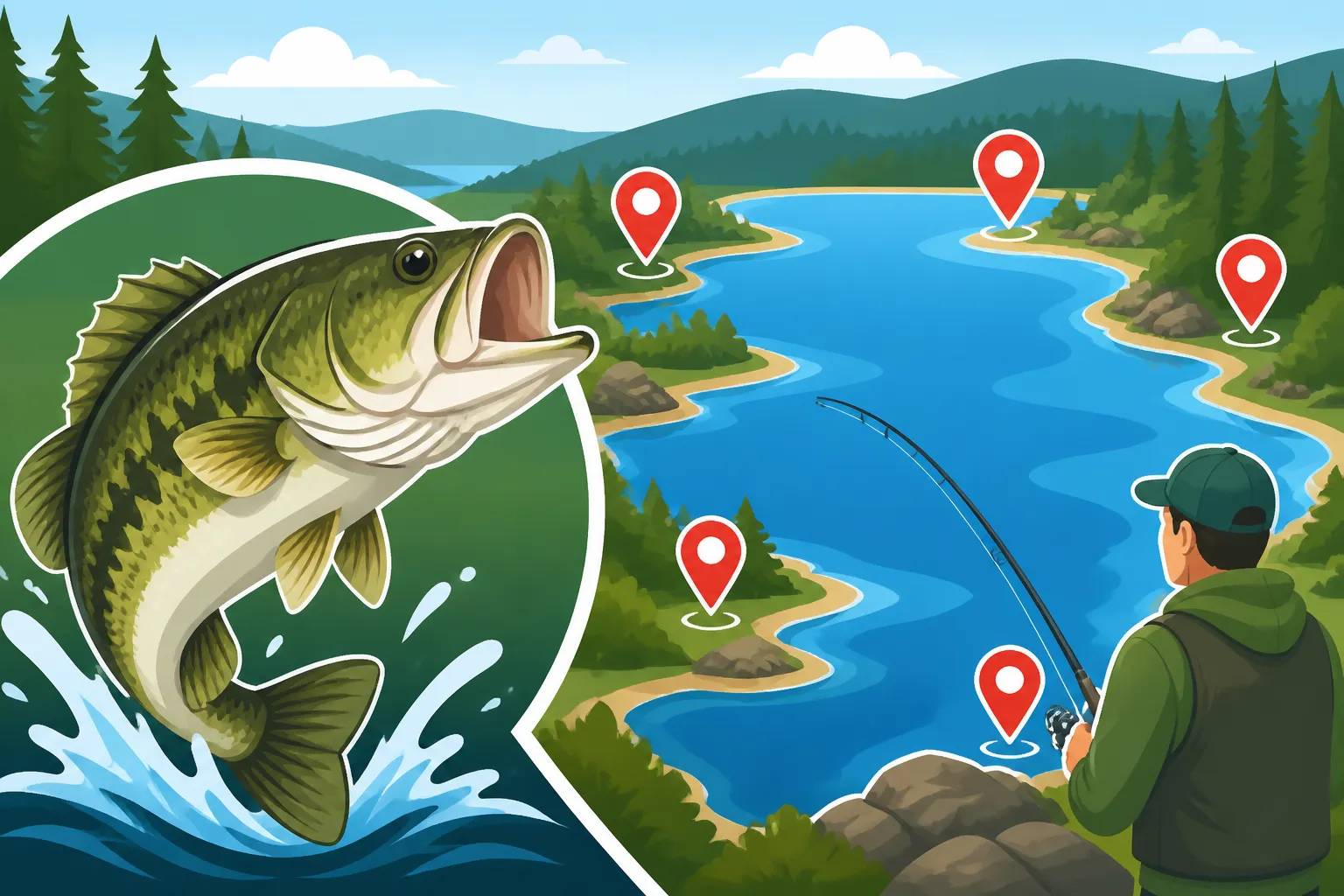
When you're chasing largemouth bass on Lake Wentworth, think cover, cover, cover! These green-backed predators love to ambush their prey from the security of dense vegetation, submerged timber, or man-made structures. You'll often find them lurking in the shallow, warmer waters, especially during the spring and summer months. Look for areas with lily pads, thick grass beds, fallen trees, and docks. They are opportunistic feeders, and their diets on Lake Wentworth typically consist of baitfish like sunfish, shiners, and even smaller perch, along with crayfish and frogs. Their behavior is often characterized by sudden, aggressive strikes, making for an exciting fight. Understanding their preference for dense cover is key to knowing How to Catch Largemouth Bass in New Hampshire
Smallmouth Bass Habitat and Behavior
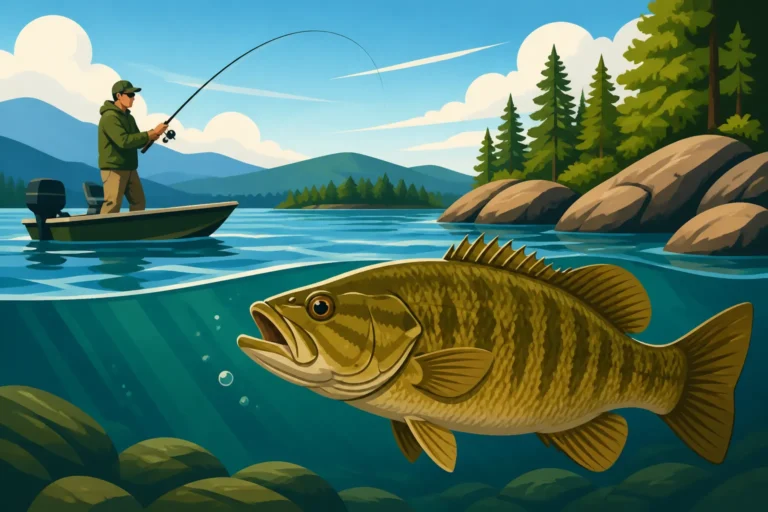
The smallmouth bass in Lake Wentworth, on the other hand, are the true rockstars of the lake. These bronze bombers prefer cooler, clearer water and gravitate towards rocky bottom structures, gravel shoals, and sharp drop-offs. While you might occasionally find them patrolling the edges of weed beds, their primary domain is the open water near underwater points, humps, and ledges. Smallmouth are known for their powerful runs and acrobatic jumps, providing an exhilarating challenge for anglers. Their diet mainly consists of crayfish, insect larvae, and smaller baitfish like rainbow smelt, which are abundant in Wentworth. Targeting smallmouth often requires a different approach, focusing on deeper presentations and techniques that mimic their preferred prey in rocky environments. If you're really looking to hone your skills for these fish, check out our guide on How to Catch Smallmouth Bass in New Hampshire Lakes
Prime Bass Fishing Locations on Lake Wentworth
Lake Wentworth is shaped like an irregular star, with numerous coves, points, and islands that create a labyrinth of potential bass hideouts. While every angler has their secret spots, there are several widely known areas that consistently produce good numbers of both largemouth and smallmouth. The key is to pay attention to the details within these areas – a subtle depth change, a lone submerged log, or a patch of slightly denser weeds can make all the difference. Many anglers, including those looking to try out a new lake like Wentworth, might even consider booking a trip through platforms like FishingBooker to get local insights and explore these prime locations with an experienced guide.
Targeting Structure: Docks, Rocks, and Submerged Timber
This is where the excitement often is, especially for those who love to "hunt" for their fish. Lake Wentworth has an abundance of natural and man-made structures that act as magnets for bass.
- Docks and Boathouses: The numerous docks and boathouses lining the shores of Lake Wentworth provide excellent shade and cover for both largemouth and smallmouth bass. These structures offer vertical ambush points, especially on sunny days when bass seek refuge from the bright sun. Flipping or pitching jigs, Texas-rigged worms, or even skipping soft plastics under docks can be incredibly effective. Pay particular attention to the corners, areas with submerged crossbeams, or any adjacent weed lines. Bass often stage under these structures, waiting for an easy meal to swim by, and a well-placed lure can trigger an aggressive strike.
- Rocky Points and Ledges: For smallmouth bass especially, rocky points and underwater ledges are irresistible. Lake Wentworth has several prominent rocky formations, particularly around its numerous islands and along the main lake basin. These areas provide current breaks and ambush points, and the rocks themselves attract crayfish, a primary food source for smallmouth. Jigging with tube baits, drop-shotting finesse worms, or casting crankbaits that deflect off the rocks are excellent strategies here. A good fish finder can be invaluable for locating these underwater structures and identifying any suspended baitfish or bass. For understanding the technology better, you might want to review our guide on the Best Fish Finders for New Hampshire Lakes
- Submerged Timber and Brush Piles: While not as abundant as in some southern impoundments, Lake Wentworth does have areas with submerged timber and brush piles, often remnants of old logging operations or shoreline erosion. These provide phenomenal cover for largemouth bass. These hidden sanctuaries are usually found near shorelines or in the back of larger coves. Slow-rolling spinnerbaits, casting weedless jigs, or dragging creature baits through these snags can be highly productive. Be prepared for snags, and use stout line to pull bass out of the thick stuff.
Exploring the Coves and Weed Beds
Lake Wentworth is blessed with numerous large coves that provide diverse habitats perfect for bass, particularly largemouth, but often holding smallmouth on their fringes.
- Smith River Entrance: The area where the Smith River flows into Lake Wentworth, particularly in the northeastern part of the lake, creates a unique environment. This influx of slightly warmer, nutrient-rich water often holds abundant baitfish and fosters denser weed growth. It’s an excellent spot for largemouth bass, especially in the spring and early summer. Focus on the transition zones where the river meets the lake, and the edges of any visible weed lines or lily pads. Spinnerbaits, chatterbaits, and topwater frogs can be deadly here.
- Brown's Ridge and Pine River Flowage: These extensive areas offer large, shallow flats with plenty of aquatic vegetation. This is classic largemouth territory. Spend time slowly working the edges of these weed beds, looking for pockets or lanes within the vegetation. Topwater lures like hollow-bodied frogs or poppers can be incredibly exciting during low-light conditions, while Texas-rigged plastics and weedless jigs shine during brighter periods. The shallower nature of these areas also makes them great for exploring via kayak, which many anglers find to be a fantastic way to access hard-to-reach spots. You can read more about options for Best Kayak Fishing Spots in New Hampshire
- Cate's Island and Stamp Act Island: These islands, and the areas surrounding them, provide a mix of habitats. While their rocky shorelines are smallmouth magnets, the protected coves and shallower flats associated with them often hold largemouth. The deep water immediately adjacent to these islands can also be productive for smallmouth, especially during the warmer months when they suspend over deeper structure. Trolling crankbaits or vertically jigging over these deep-water humps can entice strikes from larger smallmouth.
Essential Techniques and Tackle for Lake Wentworth Bass
Fishing Lake Wentworth effectively requires a versatile approach, adapting your techniques and tackle to the specific species and conditions you encounter. Having a well-stocked tackle box and an understanding of different presentations will significantly increase your success rate. When planning your trip, consider checking out local fishing reports or connecting with guides through services like FishingBooker, who can offer real-time advice on what's biting and with what.
Go-To Lures and Baits
Matching the hatch and presenting a lure naturally are paramount on Lake Wentworth.
- Soft Plastics: These are arguably the most versatile and effective baits for both largemouth and smallmouth on Wentworth. Texas-rigged worms, creature baits, and senkos are phenomenal for pitching into heavy cover for largemouth. For smallmouth, consider drop-shotting finesse worms, creature baits, or using tube jigs in natural colors (green pumpkin, watermelon, brown) to mimic crayfish. The subtle action of a soft plastic, especially when fished slowly, can entice even the most wary bass.
- Crankbaits and Jerkbaits: For covering water and finding active fish, crankbaits are excellent. Shallow-diving crankbaits work well around weed edges and shallow points for largemouth, while medium-to-deep diving crankbaits in crawfish or baitfish patterns are great for smallmouth on rocky structures. Jerkbaits, particularly suspending models, are deadly for smallmouth, especially during cooler water periods in spring and fall. The erratic action and pauses can be irresistible to curious smallmouth.
- Topwater Lures: When conditions are right – typically early morning, late evening, or on cloudy days – nothing beats the excitement of a topwater strike. Poppers, walk-the-dog lures (like Heddon Super Spooks or Zara Spooks), and hollow-bodied frogs are excellent for largemouth in lily pads or over matted vegetation. Smallmouth will also smash topwater lures, especially near rocky points during low light. The explosive visual strike is something every angler lives for.
Rod, Reel, and Line Considerations
Having the right setup for the job makes a world of difference when you're battling a feisty bass.
- Rod and Reel Combos: For largemouth in heavy cover, a medium-heavy to heavy power baitcasting rod (6'10" to 7'6") with a fast action tip is ideal, paired with a high-speed baitcasting reel. This combo provides the backbone to pull fish out of thick stuff and the sensitivity to detect subtle bites. For smallmouth, especially when fishing open water or finesse techniques, a medium power spinning rod (6'6" to 7'0") with a fast action is preferred, matched with a sensitive spinning reel. For specific recommendations, check out our guide on Best Spinning Rods for Smallmouth Bass
- Line Choices: When fishing heavy cover for largemouth, 15-20 lb fluorocarbon or even 30-50 lb braided line is a solid choice. Braided line offers superior strength and no stretch, which is excellent for hooksets in thick vegetation. For smallmouth and finesse techniques, 6-10 lb fluorocarbon or a combination of braided main line with a fluorocarbon leader is highly effective. Fluorocarbon is nearly invisible underwater and has excellent abrasion resistance, which is crucial when fishing around rocks.
- Landing Nets: While not always necessary, a good landing net can be a real game-changer, especially for larger fish or when fishing solo. Opt for a net with rubberized mesh to protect the fish's slime coat, which is important for practicing proper New Hampshire Bass Catch-and-Release Season, Explained
Seasonal Strategies for Lake Wentworth Bass
Bass behavior on Lake Wentworth shifts dramatically with the seasons, largely influenced by water temperature, forage availability, and spawning cycles. Adapting your approach throughout the year is crucial for consistent success. Knowing the Best Time of Year to Fish in New Hampshire will significantly impact your Lake Wentworth bass fishing.
Spring and Early Summer Success
This is arguably the most anticipated time for bass anglers on Lake Wentworth. As ice-out occurs and water temperatures slowly rise, bass become increasingly active, moving from their wintering grounds to shallower areas to feed and eventually spawn.
- Pre-Spawn Period (April-May): Once the ice is gone and water temps hit the 40s and 50s, bass begin to stage in transition areas near their eventual spawning grounds. Look for them on rocky points leading into coves, along submerged humps, and the outer edges of developing weed beds. Slowly worked jerkbaits, jigs, and lipless crankbaits can be incredibly effective during this period. The bass are hungry after a long winter and are looking for substantial meals. This is when you can find some of the biggest fish of the year.
- Spawning Period (Late May-June): When water temperatures reach the mid-50s to low 60s, bass move into shallow, protected coves and flats to build nests and spawn. Largemouth will favor sandy or gravelly bottoms near cover, while smallmouth often prefer slightly deeper, rocky bottoms. While it's generally recommended to leave spawning bass undisturbed to ensure future populations, if you do fish during this time, focus on sight fishing for bass guarding beds (where legal and ethical) or targeting aggressive post-spawn females that are looking to recuperate. Be mindful of New Hampshire Bass Limits and Slot Rules during this critical time.
- Post-Spawn (Late June-Early July): After spawning, bass can be a bit lethargic as they recover. However, they soon begin to feed aggressively to regain their energy. They'll often be found near the spawning areas but might move slightly deeper or seek out nearby cover. Topwater lures, spinnerbaits, and soft plastics fished around docks, brush, and weed lines become highly productive as the water warms and baitfish become more active.
Mid-Summer and Fall Tactics
As summer progresses and fall arrives, bass movements and feeding patterns continue to evolve, offering different opportunities for anglers.
- Mid-Summer Patterns (July-August): Lake Wentworth's water temperatures will be at their warmest during this period, often pushing bass into deeper, cooler waters during the day. For largemouth, this means retreating to the densest cover available – thickest weed beds, deep docks, or submerged timber. Early morning and late evening topwater bites can still be fantastic. During the heat of the day, punching jigs or heavy Texas-rigs through matted vegetation, or deep cranking ledges, can be effective. Smallmouth will relate heavily to offshore structures like rock humps, ledges, and deep points. Drop-shotting, vertical jigging with spoons, or slow-trolling tube baits in 20-40 feet of water can be the ticket. Consider a charter through FishingBooker to leverage a captain's knowledge of these deep-water haunts.
- Fall Feeding Frenzy (September-October): As water temperatures begin to cool in the fall, bass enter a pre-winter feeding frenzy, bulking up for the leaner months. Both largemouth and smallmouth will become incredibly active and often move shallower to chase baitfish. This is a fantastic time for aggressive presentations. For largemouth, crankbaits, spinnerbaits, and swimbaits fished along weed lines and channel swings can be deadly. Smallmouth will often school up on rocky points and humps, voraciously feeding on baitfish. Casting lipless crankbaits, jerkbaits, or even vertical jigging with spoons can lead to multiple hook-ups. The fish are often fat, healthy, and willing to strike, making fall a favorite season for many Lake Wentworth bass anglers.
Conclusion: Making the Most of Lake Wentworth Bass Fishing
Lake Wentworth offers an incredible bass fishing experience for those willing to learn its nuances. From the shallow, weedy coves teeming with largemouth to the rocky, deep-water haunts of robust smallmouth, this lake truly has something for everyone. By understanding the distinct habitats and behaviors of both species, focusing on prime structural locations, utilizing the right techniques and tackle, and adapting your strategy to the changing seasons, you can unlock the full potential of this beautiful New Hampshire gem. Don't be afraid to experiment, explore, and most importantly, enjoy the stunning scenery while you chase those unforgettable Lake Wentworth bass.
Disclaimer
Fishing regulations can change frequently. Always consult the most current New Hampshire Fish and Game Department rules and regulations before heading out on the water. This guide is for informational purposes only and does not constitute legal advice or an exhaustive list of all regulations.