Panfish Fishing in New Hampshire
Oh, the humble panfish! So often overlooked, yet they offer some of the most consistent, exciting, and accessible fishing experiences here in New Hampshire. If you've ever felt intimidated by chasing trophy trout or elusive salmon, or if you're just looking for a genuinely fun day on the water with guaranteed action, you might be missing out on the incredible world of panfish. This comprehensive guide is here to change that, diving deep into everything you need to know to successfully target and enjoy New Hampshire's fantastic panfish species, from identifying the best spots to choosing the perfect bait and understanding their seasonal habits.
What Exactly Are Panfish in New Hampshire?
When we talk about "panfish," we're not talking about a single species, but rather a collection of smaller, often schooling fish that share a few common traits. They're called panfish because, well, they fit perfectly in a frying pan! More importantly, they're generally abundant, relatively easy to catch, and provide excellent table fare. Many anglers, especially those new to the sport or fishing with kids, find panfish to be the ideal target because they're feisty, numerous, and don't require highly specialized gear or techniques. It's a fantastic way to introduce someone to the joy of feeling a tug on the line.
Common New Hampshire Panfish Species
New Hampshire is blessed with a diverse array of panfish that thrive in our lakes, ponds, and slower rivers. Each species has its own unique charm and fighting style, making every catch a little different. Understanding which species are common and what they prefer is your first step to consistent success.
For instance, the yellow perch is one of the most widespread and beloved panfish in the Granite State. They're instantly recognizable with their distinct vertical stripes and reddish-orange fins. Often found in schools, especially during winter for ice fishing, they provide incredible action. Then there's the black crappie, known for its deep body, speckled appearance, and paper-thin mouth. Crappie are renowned for their delicate bite and schooling behavior around structure, making them a favorite among those who enjoy a bit more finesse. And we can't forget the sunfish family, which includes the vibrant bluegill and pumpkinseed. These little powerhouses might be small, but they fight with an enthusiasm that belies their size, and their iridescent colors are truly a sight to behold. Panfish Species Identification Guide for New Hampshire offers a more detailed look at how to tell these beauties apart. We also have white perch, often confused with yellow perch, which are found in brackish and freshwater systems, and rock bass, a smaller, often overlooked species that provides great fun on light tackle.
Why Panfish are Perfect for All Anglers
Let's be honest, sometimes fishing for those elusive lunkers can be frustrating. You spend hours, maybe even days, without a bite, and it can really test your patience. That's where panfish shine. They are an incredible gateway into fishing because they are generally eager to bite, offering frequent action that keeps spirits high. This makes them absolutely perfect for introducing children to fishing – nothing hooks a kid on the sport like a consistent stream of catches, no matter the size! It teaches them the basics of casting, reeling, and patience, all while providing immediate gratification.
But don't think panfish are just for beginners. Even seasoned anglers cherish a day of panfishing. It's a chance to simplify your approach, use lighter tackle, and just enjoy the pure, unadulterated pleasure of a bent rod. There's a certain satisfaction in filling a cooler with delicious fillets that you can take home and share with family and friends. Plus, chasing panfish often puts you in beautiful, tranquil settings, allowing you to connect with nature without the pressure of a trophy hunt. It’s a wonderful way to relax and recharge, whether you’re fishing from a dock, a small boat, or even just the shore.
Where to Find New Hampshire's Panfish
Panfish are incredibly adaptable, and you'll find them in almost every suitable water body across New Hampshire. However, knowing where to look within those waters can drastically improve your success rate. They aren't usually cruising open water aimlessly; they prefer specific types of habitats that offer food, shelter, and safety.
Lakes, Ponds, and Slow-Moving Rivers
New Hampshire's vast network of lakes, ponds, and slow-moving rivers are prime panfish territory. From the largest bodies of water like Lake Winnipesaukee to smaller, unnamed farm ponds, panfish are likely present. Unlike some of the more particular game fish, panfish aren't always looking for pristine, cold, oxygen-rich waters. They often thrive in slightly warmer, weedy, or murky conditions that bigger fish might avoid. This means that even smaller, more accessible local ponds can hold a treasure trove of panfish.
When you're scouting a new spot, consider the overall characteristics. Ponds and small lakes with plenty of submerged vegetation, fallen trees, or dock structures are often panfish magnets. Larger lakes will have panfish too, but they might be concentrated in bays, coves, or shallower areas that mirror pond-like conditions. Slow sections of rivers, especially those with eddies, backwaters, or oxbows, can also be incredibly productive. These calmer areas provide refuge from strong currents and often accumulate the types of cover and food sources panfish love. Don't overlook these easily accessible spots right in your backyard; sometimes the best fishing is just a stone's throw away.
Identifying Panfish Hotspots (Structure, Cover, Food)
Panfish are inextricably linked to structure and cover. Think of structure as the underwater topography – humps, drop-offs, points, and old creek beds. Cover, on the other hand, is anything that provides shelter or ambush points – submerged trees (laydowns), brush piles, weed beds, docks, bridges, and even man-made fish attractors. These elements are crucial because they offer protection from predators, shade from the sun, and a buffet line of smaller insects and baitfish.
For bluegill and pumpkinseed, look for dense weed beds, lily pads, and shallow woody cover. They love to hide among the vegetation, ambushing small insects and larvae. Yellow perch often roam a bit more, but they’ll still relate to structure, especially drop-offs, rock piles, and the edges of weed lines. Crappie are notorious for suspending around vertical cover, such as bridge pilings, standing timber, or brush piles in slightly deeper water. They also love dense submerged Christmas trees or purpose-built fish habitats. White perch can be found in similar areas but often school in open water over structure, moving to shallower areas to feed. When you're fishing a new lake, start by looking for these visible signs of cover. Use a simple depth finder or even just a pair of good polarized sunglasses to spot changes in depth or submerged features. Fishing near any natural or man-made element that breaks up the bottom or water column is a solid strategy for panfish.
Essential Gear for Panfish in New Hampshire
One of the beautiful things about panfishing is that you don't need to break the bank for expensive, high-tech gear. In fact, a simple, affordable setup is often all it takes to have a blast. The key is to match your tackle to the size and fighting spirit of these smaller fish; using overly heavy gear will diminish the fun and challenge.
Light Tackle Setups for Panfish
For panfish, finesse is often the name of the game. An ultralight or light-action spinning rod, typically between 5 to 6.5 feet long, is ideal. This kind of rod will allow you to feel even the most subtle bites and make fighting a feisty bluegill or crappie incredibly exciting. Pair this with a small spinning reel (size 1000 or 2000) spooled with 2-4 pound test monofilament or fluorocarbon line. Monofilament is forgiving and great for beginners, while fluorocarbon offers less stretch and better sensitivity for detecting light bites. Braided line, while sensitive, might be a bit overkill and more visible in clear New Hampshire waters, though some anglers use it with a fluorocarbon leader for maximum feel.
A typical ultralight setup might look something like this: a 5'6" ultralight spinning rod, a small reel, and 4 lb test line. This combination is light enough to make even a 6-inch bluegill feel like a monster, but strong enough to handle a larger perch or crappie if one comes along. You can find excellent, budget-friendly ultralight rod and reel combos on platforms like Amazon, making it easy to get started without a huge investment. Remember, the goal is to feel the fish, not just yank them in.
Bait and Lure Choices for Different Species
Panfish are not particularly picky eaters, which is another reason they're so much fun to target. However, having a variety of baits and lures on hand will increase your chances of success, especially when targeting different species or adapting to changing conditions.
Natural Baits: Live bait is almost always a winner for panfish. Worms (red wigglers or nightcrawlers cut into pieces), grubs, and crickets are irresistible to most panfish, especially sunfish and perch. A small piece of corn or even bread can also work in a pinch for sunfish. For crappie, small minnows are often the preferred bait, either fished under a bobber or slowly trolled.
Artificial Lures: When it comes to lures, smaller is better. Tiny jigs (1/32 to 1/16 oz) tipped with a small plastic grub, tube, or a piece of Gulp! bait are incredibly effective for all panfish. Popular colors often include white, chartreuse, pink, and black. Micro spoons, small spinners (like Rooster Tails or Mepps Aglias), and even tiny crankbaits can also entice bites, especially from more aggressive perch and crappie. For fly anglers, small nymphs, wet flies, and poppers are absolute killers for sunfish, crappie, and even small trout. Having a small tackle box filled with an assortment of these tiny offerings will prepare you for nearly any panfish scenario. Don't forget a pair of small pliers for unhooking those eager biters, and a small stringer or cooler if you plan on keeping some for the frying pan.
Seasonal Strategies for New Hampshire Panfish
Panfish behavior, like that of most fish, changes dramatically with the seasons. Understanding these shifts and adapting your strategy accordingly is crucial for consistent success throughout the year in New Hampshire. What works in the spring often won't be as effective in the dead of winter, and vice-versa.
Spring Spawning and Post-Spawn Activity
Spring is an incredible time for panfish in New Hampshire. As water temperatures begin to rise (usually in the late spring, around May and early June), panfish move into shallow, warmer waters to spawn. This means they are highly concentrated and often very aggressive, making them easier to locate and catch. Look for bluegill and pumpkinseed sunfish fanning out circular nests in sandy or gravelly bottoms in shallow, protected coves or along shorelines. They'll guard these nests fiercely, making them vulnerable to small baits and lures.
Crappie will also move shallow, often congregating around submerged brush, fallen trees, or dock pilings in 3-10 feet of water as they prepare to spawn. Fishing a small jig or minnow under a bobber near these structures can be incredibly productive. Yellow perch tend to spawn earlier in the spring, often just after ice-out, laying their eggs on submerged vegetation. After their spawn, they'll often feed aggressively to regain energy, still found in shallower areas, but possibly roaming a bit more. The post-spawn period for all panfish is also fantastic, as they remain in relatively shallow water, actively feeding and recovering. This is a prime time for consistent action and for introducing new anglers to the sport.
Summer Deep Water and Early Morning/Evening Tactics
As New Hampshire's lakes and ponds warm up in the summer, panfish often seek refuge from the heat and bright sun by moving to deeper, cooler waters. This doesn't mean they disappear; it just means you need to adjust your tactics. During the heat of the day, look for them holding near deeper structure – humps, ledges, submerged roadbeds, or the deep edges of weed lines. Crappie, in particular, will often suspend in the water column over deeper areas, making them a bit trickier to pinpoint. Using a fish finder can be immensely helpful here, as you can spot schools of fish or baitfish.
However, panfish will still move shallower to feed during cooler periods, especially at dawn, dusk, and even into the night. These low-light periods are prime times to target them in shallower bays or along weed edges. Topwater poppers for bluegill at sunset can be an absolute blast, as they eagerly rise to hit the surface. For perch and crappie, slowly jigging small lures or live bait in the 10-25 foot range during the day, or casting small spinners and grubs into shallower feeding zones during low light, will be your best bet. Remember, even in summer, shade and cover are still key, so any large tree hanging over the water or a boat dock can be a prime spot.
Fall Feeding Frenzies
Fall is another fantastic season for panfish fishing in New Hampshire, often rivaling spring in terms of action. As water temperatures start to cool, panfish sense the approaching winter and go on a serious feeding binge to fatten up. This "feeding frenzy" means they are often more aggressive and less hesitant to strike baits and lures. Fish that were holding deep in summer will begin to move shallower, following baitfish that also migrate towards warmer, shallower waters.
You'll find panfish distributed throughout the water column during the fall, but focusing on transitional areas can be highly productive. Look for them along the edges of weed beds, near drop-offs that lead to deeper water, and around any remaining submerged cover. Crappie, in particular, group up into large schools in the fall, making it possible to catch dozens once you find them. Small jigs, grubs, and even small spoons retrieved slowly are very effective. The changing foliage around New Hampshire's lakes and ponds also makes fall fishing a breathtaking experience, offering stunning scenery to go along with the hot action.
Winter Ice Fishing for Panfish
New Hampshire's cold winters bring a unique and popular way to target panfish: ice fishing! Once safe ice forms (generally at least 4 inches of clear, solid ice), anglers flock to the frozen lakes and ponds. Panfish are excellent targets for ice fishing because they remain active under the ice, often schooling in predictable patterns, and provide fantastic action even in frigid temperatures. New Hampshire Ice Fishing Regulations by Water Body will give you the specific rules for your chosen spot.
For yellow perch, often found schooling over humps, flats, or near drop-offs in 15-30 feet of water, a small jigging spoon or a tiny tungsten jig tipped with a mouser, spike, or piece of worm is incredibly effective. Crappie often suspend in slightly deeper water, near structure like old weed lines or brush piles, and can be caught on small tear-drop jigs or tiny spoons. Bluegill and pumpkinseed will usually be found in shallower water, typically 5-15 feet, especially near remaining green weeds or submerged wood. Jigging techniques are primary for ice fishing. You can sit in an ice shanty and use a flasher or sonar to watch your jig and the fish react below the ice, which is incredibly engaging. It's a social activity, a chance to enjoy the serene winter landscape, and a proven way to catch a meal of delicious panfish. Just make sure to check ice conditions carefully and always prioritize safety on the ice!
Techniques for Catching New Hampshire Panfish
While panfish are generally eager biters, using the right techniques can significantly increase your catch rate and make the experience even more enjoyable. It's not just about tossing a line in; it's about presenting your bait or lure in a way that truly entices them. Best Techniques for Panfish in New Hampshire covers a lot of ground, but let's dive into some specific methods.
Bait Fishing for Panfish
Bait fishing is arguably the most straightforward and effective method for panfish, making it perfect for beginners and seasoned anglers alike who just want to catch fish. The classic bobber setup is foolproof. Tie a small hook (size 8-12 is often good), add a split shot a few inches above it to help the bait sink, and attach a small bobber at a depth that places your bait near where the fish are. When the bobber dips, tugs, or moves sideways, set the hook!
For bluegill and sunfish, a small piece of nightcrawler, a red wiggler, or a grub on a small hook fished under a bobber near weed edges or docks is practically irresistible. For yellow perch, worms, small minnows, or even pieces of shrimp can work wonders, fished either under a bobber or on a simple bottom rig with a weight. Crappie also respond well to small minnows, often suspended just above submerged brush or timber. The key with bait fishing is patience and knowing your target depth. If you're not getting bites, adjust your bobber depth until you find the fish. It's a relaxed approach that can yield tremendous results, allowing you to enjoy the scenery while waiting for that tell-tale tug.
Jigging and Small Lure Presentations
Jigging is an active and highly effective method for panfish, especially for crappie and perch, and it's absolutely essential for ice fishing. It involves using a small jig (often 1/32 to 1/8 oz) and imparting a subtle up-and-down motion to mimic a struggling baitfish or insect. Small soft plastic grubs, tubes, or paddle-tail plastics threaded onto a jig head are excellent. For added attraction, you can tip your jig with a live bait such as a minnow head, a wax worm, or a piece of nightcrawler.
When jigging from a boat, cast your jig near structure or cover, let it sink to the desired depth, and then slowly lift and drop your rod tip, reeling in any slack. Pay close attention to your line; often, a panfish bite feels like a slight tick or a sudden slackening of the line rather than a hard pull. For ice fishing, the technique is similar: lower your jig through the hole and use very small, subtle movements. Jigging for Perch Through the Ice is a great resource if you're looking to hone your winter skills. The tungsten jigs available on Amazon are a particular favorite for ice fishing due to their small size and heavy weight, which gets them down to the fish quickly. This active method allows you to cover water and entice strikes from fish that might not be interested in a stationary bait.
Fly Fishing for Panfish
While often associated with trout, fly fishing for panfish is a fantastically fun and accessible way to experience the sport, especially during the warmer months in New Hampshire. Panfish, particularly bluegill and crappie, are eager takers of a well-presented fly, and their spirited fights on a lightweight fly rod are truly memorable.
A 2 to 4-weight fly rod is perfect for panfish, offering enough backbone to cast small flies while making even a modest panfish feel like a trophy. Floating fly lines are generally preferred, especially for topwater action. For bluegill and pumpkinseed, small poppers, sponge spiders, or even dry flies mimicking ants or small beetles fished near weed edges or lily pads can produce explosive strikes. The visual aspect of seeing a fish slurp your fly off the surface is incredibly exciting. For crappie, small wet flies or nymphs (like a Prince Nymph or Woolly Bugger in size 10-14) fished slowly and deep around submerged structure can be very effective. You can also fish these flies under a small strike indicator if the fish are finicky. Fly fishing for panfish is a wonderful way to practice your casting and presentation skills without the pressure of a trophy species, and it offers a unique connection to the fish and the water.
Regulations and Conservation for New Hampshire Panfish
While panfish are abundant, it's still crucial to understand and adhere to New Hampshire's fishing regulations to ensure these valuable resources remain healthy for generations to come. Responsible angling isn't just about following the rules; it's about practicing good stewardship of our natural waters.
General Panfish Regulations (Limits, Seasons)
Unlike some of New Hampshire's more prized game fish, panfish often have very generous, or even no, daily bag limits and possession limits. This reflects their abundance and the state's management strategy to encourage their harvest, which can sometimes benefit the overall health of the fishery by preventing overpopulation of smaller individuals. However, it's absolutely essential to consult the current New Hampshire Freshwater Fishing Digest. You can often find a New Hampshire Freshwater Fishing Digest PDF directly on the NH Fish and Game website. This digest will detail any specific regulations that apply to certain water bodies or species.
While a statewide "season" for panfish might not be as strictly defined as for trout or salmon, it's always wise to be aware of any closures or special regulations. For example, some waters might have specific rules, or a specific species could have a unique limit. Always check for any minimum or maximum length limits, though these are rare for common panfish. Understanding these rules is not just about avoiding fines; it’s about participating in the collective effort to maintain healthy and sustainable fisheries for everyone. Don't forget that even kids might need to be aware of certain rules; checking New Hampshire under-16 fishing license exemption details is always a good idea for family outings.
Practicing Responsible Catch and Release or Harvest
Even with liberal limits, responsible angling practices are paramount. If you plan to harvest panfish for the table – which is a fantastic way to enjoy your catch – only keep what you will realistically eat. There's no need to fill a cooler to the brim just because you can. Releasing fish carefully ensures their survival and allows them to continue contributing to the fishery.
When practicing catch and release, handle fish gently with wet hands to protect their slime coat, which is their primary defense against disease. Use de-barbed hooks or crimp down the barbs on your lures to make hook removal easier and minimize damage. If a fish is deeply hooked, it's often better to cut the line as close to the hook as possible rather than attempting to rip the hook out, which can cause fatal internal injuries. For fish you intend to keep, dispatch them quickly and humanely. A cooler with ice is ideal for keeping your catch fresh until you can clean them. By being mindful of our impact, whether we're releasing or harvesting, we contribute to the long-term health and enjoyment of New Hampshire's panfish populations. Remember, good conservation practices are just as important as knowing how to catch them!
Panfish Species Identification Guide for New Hampshire
New Hampshire offers a rich diversity of panfish, each with its own unique characteristics and preferred habitats. Being able to correctly identify your catch is not only satisfying but also crucial for adhering to regulations and understanding the fishery. Let's take a closer look at some of the most common panfish you'll encounter.
| Species | Average Size (NH) | Key Identification Marks | Preferred Habitat | Common Baits/Lures |
|---|---|---|---|---|
| Yellow Perch | 6-10 inches | Golden yellow body, 6-8 dark vertical bands, orange fins | Lakes, ponds, slow rivers; near drop-offs, weed edges, humps | Worms, minnows, small jigs, jigging spoons |
| Black Crappie | 8-12 inches | Deep, compressed body, silvery/dark green with black speckles, 7-8 dorsal spines | Lakes, ponds, slow rivers; suspended near structure (brush, docks, timber) | Minnows, small jigs (tubes, grubs), tiny spinners |
| Bluegill | 4-8 inches | Deep, compressed body, iridescent blue/green, black spot on gill flap, dark opercular "ear" | Lakes, ponds, slow rivers; abundant weeds, lily pads, shallow cover | Worms, crickets, small poppers, tiny jigs, sponge spiders |
| Pumpkinseed | 4-7 inches | Similar to bluegill, more colorful, red/orange spot on gill flap edge, wavy blue lines on head | Similar to bluegill, often shallower, denser weeds | Worms, crickets, small poppers, tiny jigs |
| White Perch | 6-10 inches | Silvery body, no distinct bars, sometimes faint lines, similar to ocean bass | Brackish estuaries, larger freshwater lakes; schools in open water or near structure | Worms, minnows, small jigs, jigging spoons, lures |
| Rock Bass | 4-7 inches | Bronze/olive body, reddish eyes, dark spots in rows, 5-7 dorsal spines | Clear, rocky streams and lakes; around rocks, logs, current breaks | Worms, small spinners, tiny jigs |
Yellow Perch
The yellow perch (Perca flavescens) is one of New Hampshire's most recognizable and widely distributed panfish. Their distinct golden-yellow body, marked by 6-8 dark vertical bars, and reddish-orange fins make them easy to spot. They have a somewhat elongated body shape compared to the rounder sunfish or crappie. Yellow perch typically average 6-10 inches in New Hampshire, though larger specimens of 12-14 inches are certainly possible and provide a respectable fight.
You'll find yellow perch in nearly all types of water bodies across the state, from large lakes like Winnipesaukee to smaller, shallower ponds. They tend to prefer areas with some depth, often associating with drop-offs, the edges of weed beds, submerged humps, and rock piles. They are schooling fish, so where you catch one, there are often many more! Their diet consists mainly of aquatic insects, crustaceans, and smaller baitfish, making them susceptible to a wide range of offerings. Worms, small minnows, tiny jigs tipped with bait, and small jigging spoons are all highly effective for targeting these delicious fish. Yellow Perch in New Hampshire Lakes provides more in-depth knowledge about this particular species.
Black Crappie
Black crappie (Pomoxis nigromaculatus) are often considered the "glamour" panfish by many anglers due to their delicate fighting style and superb table quality. They have a distinctly deep, compressed, disc-like body, often silvery-green to black with irregular black speckles covering their sides, giving them a "peppered" appearance. A key identification feature is their dorsal fin, which has 7 or 8 sharp spines, contrasting with the similar white crappie (which has 5 or 6, though white crappie are less common in NH). Black crappie in New Hampshire typically range from 8-12 inches, with true slabs exceeding 14 inches being highly sought after.
Crappie are masters of relating to vertical structure. You'll find them schooling around submerged brush piles, fallen trees, dock pilings, bridge abutments, and even standing timber in depths ranging from 5 to 25 feet, often suspending at specific depths. They feed on small baitfish, aquatic insects, and crustaceans. The most effective methods for crappie involve finesse: small jigs (especially tube jigs or tiny grubs) in white, chartreuse, or pink, often tipped with a crappie nibbler or a live minnow, fished slowly or vertically. Bobber fishing with a live minnow is also deadly. Learning their habits around structure is key to consistently catching these beautiful fish. For more on these elusive panfish, check out Black Crappie in New Hampshire Waters.
Bluegill and Pumpkinseed Sunfish
Bluegill (Lepomis macrochirus) and pumpkinseed (Lepomis gibbosus) are two of the most common and beloved sunfish species in New Hampshire, often found coexisting in the same waters. Both have a characteristically deep, compressed, and round body shape, like a small plate.
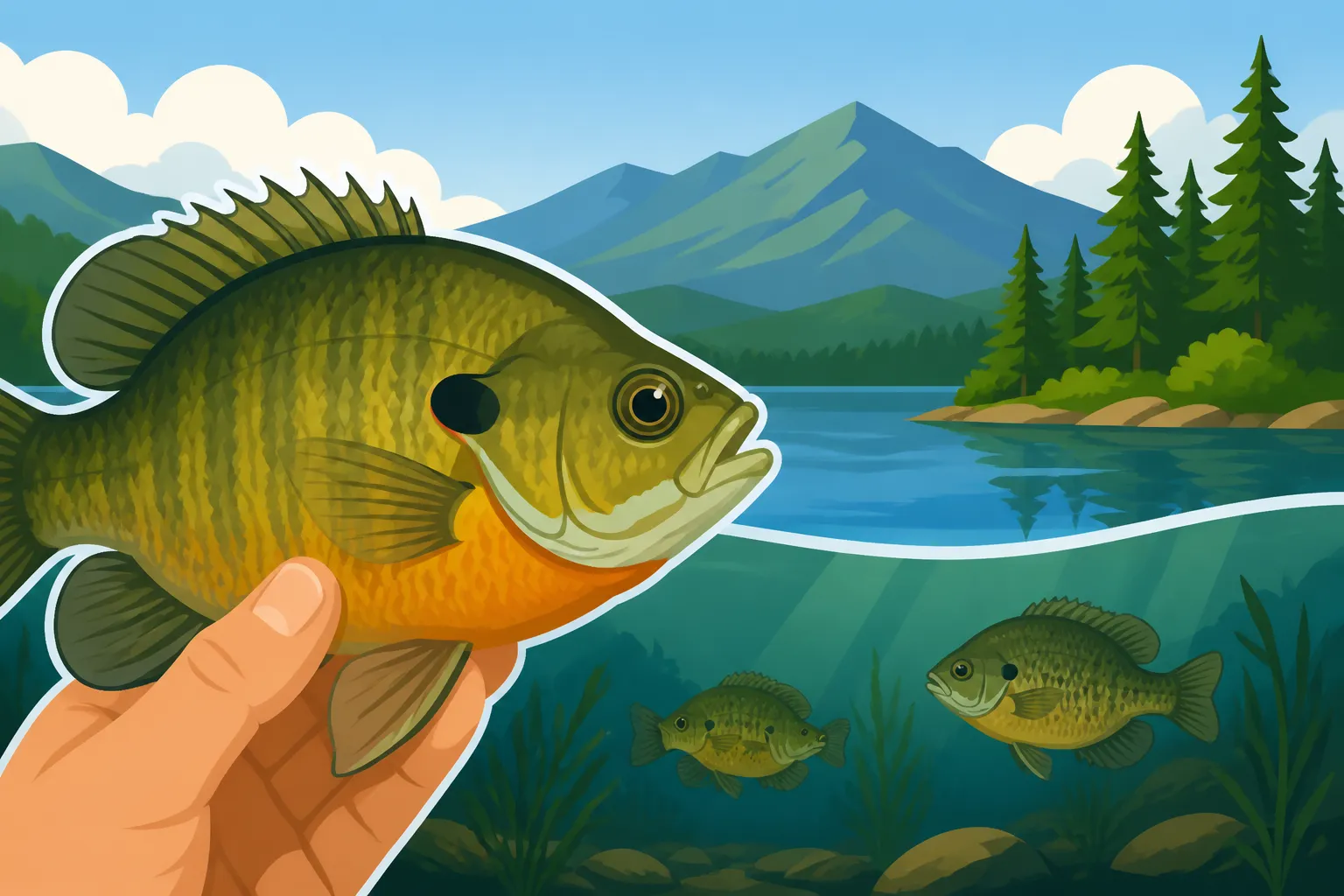
Bluegill: These fish are typically iridescent blue-green on their backs, fading to yellowish-orange on their bellies. Their most distinguishing feature is a prominent black spot on the posterior (back) part of their gill flap, and often a smaller black spot at the base of their dorsal fin. They also have dark vertical bars that may or may not be prominent depending on the fish and its surroundings. Bluegill average 4-8 inches, but can reach over 10 inches in productive waters, providing a surprisingly strong fight for their size. Bluegill Habits in New Hampshire Ponds offers more specific advice.
Pumpkinseed: Named for their vibrant colors, pumpkinseed are often even more brilliantly colored than bluegill, featuring iridescent blue-green bodies with wavy blue lines on their cheeks and gill plates. Their most distinguishing feature is a bright red or orange spot on the very edge of their black gill flap, resembling a dab of lipstick. They are generally slightly smaller than bluegill, typically 4-7 inches.
Both bluegill and pumpkinseed thrive in shallow, warm waters with abundant aquatic vegetation, lily pads, and woody cover. They primarily feed on insects, insect larvae, and small crustaceans. For both, a simple worm or cricket on a small hook under a bobber is usually all it takes. Fly anglers will have a blast with small poppers and sponge spiders, as these sunfish are aggressive topwater feeders. They are fantastic fish for teaching kids to fish due to their abundance and eagerness to bite.
White Perch and Rock Bass
While yellow perch, crappie, bluegill, and pumpkinseed are the main panfish targets, New Hampshire also offers a couple of other noteworthy species for anglers seeking variety:
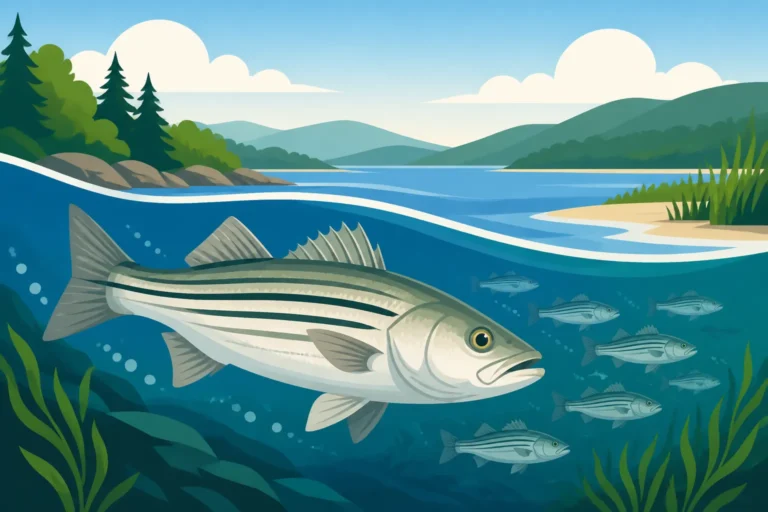
White Perch: (Morone americana) are interesting because they are technically members of the temperate bass family, not true perch. They have a silvery, somewhat elongated body, often without distinct vertical bands, though sometimes faint lines can be seen. They can be confused with small striped bass or juvenile yellow perch without stripes. White perch generally grow to 6-10 inches in New Hampshire. You'll find them in brackish water estuaries like Great Bay, but also in several larger freshwater lakes, where they often school in open water or over structure. They feed on baitfish, crustaceans, and insects. Small jigs, jigging spoons, and live baits like worms or minnows are effective for them. Like yellow perch, they are schooling fish, so if you find one, you've likely found a whole school! You can learn more about them with White Perch in New Hampshire Lakes.
Rock Bass: (Ambloplites rupestris) are a somewhat smaller, less frequently targeted panfish, but they are a fun catch on ultralight tackle. They have a stocky, bronzy-olive body with rows of dark spots along their sides, and perhaps their most distinctive feature is their prominent reddish eyes. Rock bass are typically 4-7 inches long in New Hampshire. As their name suggests, they prefer clear, rocky habitats in streams and lakes, often hiding among rocks, boulders, and submerged logs, or near current breaks. They are opportunistic feeders, taking small insects, crayfish, and minnows. Small spinners, tiny jigs, and worms are all effective baits for rock bass. They might not be the biggest, but their willingness to bite and feisty attitude make them a delightful surprise catch.
These panfish species provide incredible fishing opportunities throughout New Hampshire. With a little knowledge of their habits and habitats, you're well on your way to enjoying some of the most consistent and fun fishing the Granite State has to offer.
Disclaimer
This article is for general informational purposes only and does not constitute professional advice. Laws, prices and regulations vary by location and change over time. Consult a qualified professional for guidance on your specific situation.