Best technique for late ice fishing before ice-out
Ah, the cusp of spring! It's a time of year that calls to every angler in New Hampshire, especially those of us who just can't get enough of ice fishing. That period right before ice-out, when the sun starts feeling warm on your face and the ice begins to whisper its farewells, can be incredibly productive for fishing. But let's be real, it's also a time fraught with peril. The ice is a fickle friend, and knowing how to navigate those late-season conditions safely and effectively is the key to both a successful trip and, more importantly, getting home in one piece. This guide is all about helping you understand the unique challenges and incredible opportunities of late ice fishing, ensuring you're rigged for success when those final days arrive.
The Peril and Promise of Late Ice: Understanding Conditions and Prioritizing Safety
Late ice fishing can feel like a race against time, a final hurrah before the open water season takes over. The fish are often more active, fueled by the approaching spawn and increased daylight, but the ice itself is undergoing a dramatic transformation. What was once a solid, dependable platform can become a dangerous, unpredictable minefield in a matter of hours. This is not the time to be complacent; this is the time to be acutely aware of your surroundings and your personal safety. The frustration of arriving at your favorite spot only to find rotten ice, or worse, having a close call, is something no one wants to experience.
Reading the Ice: What to Look For (and Avoid)
The most crucial skill for any late ice angler isn't knowing what lure to use, but knowing how to "read" the ice. Early season ice is generally black and clear, dense and strong. Late season ice, often called "rotten ice," is a whole different beast. It's honeycombed, candled, and porous, having absorbed sun and meltwater, losing its structural integrity. You might see seemingly thick ice that's actually dangerously weak.
Always approach late ice with extreme caution. Visually inspect the ice from shore before stepping out. Look for areas of standing water on top of the ice, which can indicate rapid melting from below or compromised structure. Avoid any areas that appear discolored, slushy, or have obvious cracks radiating from previous holes. The edges of the lake or pond often melt first, especially near inlets, outlets, and areas with underwater springs or currents. These spots can be hotbeds for fish activity, but also hotbeds for danger. Keep an eye out for thin, milky patches or areas where snow cover has created an insulating effect that might hide weaker ice beneath. While it's tempting to rush out when you see open water appearing, remember that How thick ice needs to be before New Hampshire anglers fish it for safe passage varies greatly with ice quality. A few inches of rotten ice is far less safe than the same few inches of solid, black ice.
Essential Safety Gear and Practices
Even seasoned ice anglers can get caught off guard by rapidly changing conditions. Because of this, late ice demands a heightened level of preparedness. Forget leaving your safety gear in the truck; it needs to be on you, easily accessible, at all times. The single most important pieces of personal safety equipment are ice picks worn around your neck, ready to deploy. If you do go through, these picks can be a lifesaver, giving you the grip needed to pull yourself back onto the ice. A whistle to signal for help is another small but vital item.
Beyond personal flotation devices (PFDs) or float suits, which are highly recommended, consider carrying a throw rope. This allows you to assist someone else without putting yourself in further danger. Always tell someone where you're going and when you expect to return. Better yet, never go alone. A buddy system is non-negotiable on late ice. Think about investing in a reliable set of traction devices for your boots – cleats or spikes – to prevent slips on slushy or refrozen surfaces. Many of these safety items can be found conveniently on Amazon, ensuring you have what you need for a secure outing. Remember, no fish is worth risking your life over.
Prime Targets: Which Fish Are Active Before Ice-Out
As the ice thins and the water beneath warms slightly, many fish species start to shake off their winter lethargy. Their metabolism picks up, and they begin to feed more aggressively in preparation for their spring spawning rituals. This makes late ice a fantastic time to target certain species that might have been harder to entice during the bitter cold of mid-winter. The key is understanding where they're moving and why.
Panfish Frenzy: Perch and Crappie Become Aggressive
If there's one group of fish that truly shines during the late ice period, it's panfish. Yellow perch and black crappie, in particular, become incredibly active. As meltwater introduces oxygen and nutrients, these fish often move into shallower areas, congregating near weed lines, submerged timber, and drop-offs close to shore. They're looking for warmer water and abundant food sources.
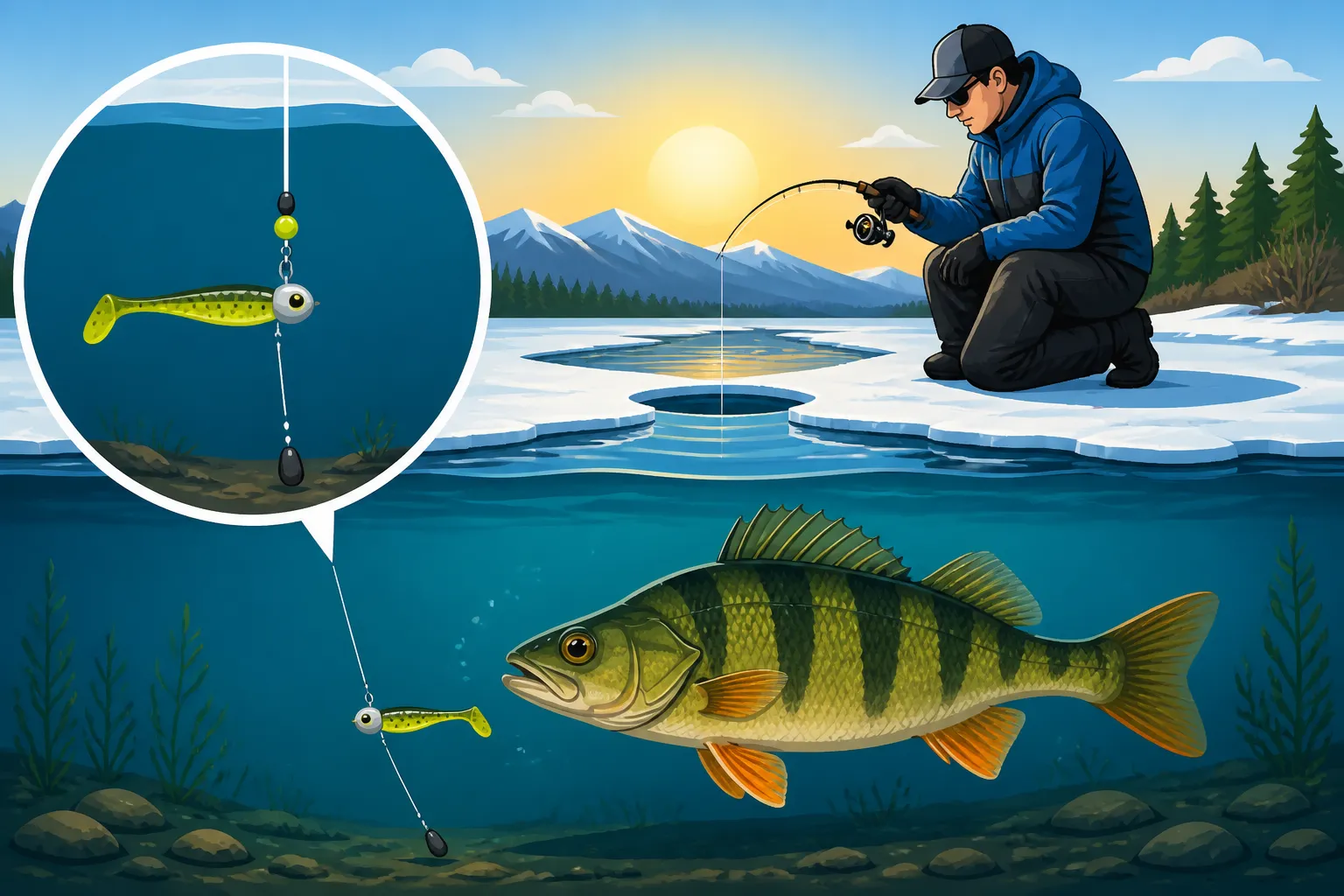
For yellow perch, these shallow flats, especially those with some remaining green weeds, can be phenomenal. You might find schools numbering in the dozens, voraciously hitting small jigs tipped with a grub, a piece of a wax worm, or even just a small plastic lure. Don't be afraid to keep moving until you find them; once you do, the action can be non-stop. Black crappie, on the other hand, often suspend in the water column, especially over deeper basins near structure. As the ice thins, they push into bays and coves where sunlight penetrates more easily, making them easier to locate. A small jigging spoon or a tiny jig under a sensitive bobber can be deadly for these slab-sided beauties. Many anglers have found that Jigging for Perch Through the Ice or crappie involves subtle movements and a keen eye on your electronics. They often hit on the fall or with the slightest twitch of the rod tip.
Predatory Pursuit: Pickerel and Lake Trout Opportunities
While panfish offer consistent action, the late ice period also presents excellent opportunities for larger predators like chain pickerel and lake trout. Pickerel, known for their ambush tactics, become particularly aggressive. They're often found in very shallow, weedy bays where they can hide and dart out at unsuspecting baitfish or anything that looks like a meal. This is a great time to use larger shiners or artificial lures that imitate baitfish under tip-ups. Their willingness to chase and strike can make for some exciting flag-raising moments.
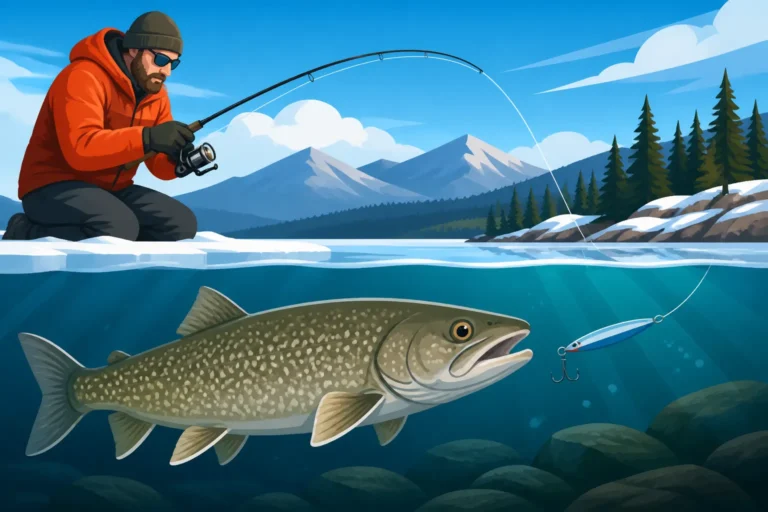
Lake trout, while usually associated with deep, cold water, can also present unique late-season opportunities. As the ice thins and light penetration increases, some lake trout may move shallower, chasing baitfish that are also responding to the changing conditions. This can be especially true in certain New Hampshire lakes where their forage, like rainbow smelt, are also on the move. Trolling patterns might not be an option, but active jigging with heavy spoons or large tube jigs in areas where steep drop-offs meet shallower flats can be incredibly effective. Remember that New Hampshire Lake Trout Ice Fishing Season Dates are important to check, as some waters might have specific closures. While you might need to punch more holes to find them, hitting a school of active lakers before ice-out is an unforgettable experience.
Mastering the Method: Techniques for Late Ice Success
The shift from mid-winter to late-ice requires a subtle but important change in your fishing strategy. Fish are becoming more active, but they can also be spooky in the clearer, shallower water. Your approach needs to be more finessed, yet also ready for aggressive strikes. The patience you've honed all winter will still serve you well, but now it's coupled with a renewed sense of urgency and precision.
Active Jigging and Searching for Roamers
Gone are the days when a single deadstick might outfish your actively jigged rod. In late ice, fish are often on the move, chasing bait, and actively looking for food. This means aggressive, active jigging can be incredibly effective. Don't be afraid to experiment with different jigging strokes – from sharp, upward snaps that mimic a fleeing baitfish, to subtle shivers and pauses that might tempt a wary crappie.
The key to active jigging is to be mobile. Don't sit in one spot for too long if the fish aren't biting. Use a portable fish finder, readily available on Amazon, to scan the water column and identify structure or schools of bait. Drill a series of holes, fish each for 10-15 minutes, and if you don't get a bite, move on. This "search and destroy" method is crucial for locating active fish that are roaming closer to shore or transitioning between deeper and shallower water. For species like smallmouth bass, which also become active before ice-out (check your local regulations!), a lively jig worked near rocky points can trigger some incredible strikes. How to Catch Smallmouth Bass in New Hampshire Lakes applies to late ice too, with a focus on active presentations.
Harnessing Meltwater and Edge Zones
One of the most defining characteristics of late ice is the presence of meltwater. This runoff from the surrounding land carries nutrients and oxygen into the lake, attracting baitfish and, consequently, the predators that feed on them. Focus your efforts on these inflow areas, especially during warmer days. Look for small streams, culverts, or even just gentle slopes where water is running onto the ice. These "edge zones" where the open water meets the receding ice can also be prime real estate.
Fish will often stage along the ice edge, using it as cover or as a demarcation line for warmer water. Position yourself a safe distance from the actual edge, and cast or drop your lines into the darker, open water pockets or along the seam where ice meets water. This can be a particularly effective technique for targeting pickerel and even early-season bass. Be extra cautious in these areas, as the ice near open water can be highly unstable and break away quickly. Often, the best fishing is found just a stone's throw from shore in only a few feet of water, a stark contrast to mid-winter deep-water tactics.
Strategic Bait and Lure Selection
As fish become more active, their preferences can shift. While live bait is almost always a winner, especially lively shiners for pickerel or small minnows for lake trout, artificial lures become increasingly effective. Brightly colored jigs, jigging spoons, and small swimbaits can trigger aggressive reaction strikes. For panfish, think small and flashy: tiny tungsten jigs in glow-in-the-dark colors, often tipped with a maggot, wax worm, or a small piece of plastic.
Consider the clarity of the water. If meltwater has stained the water, brighter colors or lures that create more vibration might be more effective. In clear water, more natural colors or subtle presentations might be preferred. Don't forget the power of scent; many anglers find that adding a commercial scent or using scented soft plastics can make a big difference when fish are a bit finicky. Having a variety of options on hand, from tiny jigs to larger spoons, means you're prepared for whatever the fish are keying in on. Your Best Tackle Box Setup for New Hampshire Anglers should always have a dedicated section for these versatile late-ice options.
Gearing Up for the Thaw: Essential Equipment Considerations
Late ice demands a specific set of gear adaptations. You're no longer battling extreme cold and heavy snow, but rather deteriorating ice, slush, and potentially warmer air temperatures. Your equipment needs to reflect these changes, prioritizing safety, mobility, and efficiency.
Mobility and Portability: Lightening Your Load
When the ice is softening, lugging a heavy portable shanty and all your gear across a long stretch of lake becomes not only exhausting but potentially dangerous. This is the time to lighten your load. Opt for smaller, lighter sleds or even a backpack to carry your essentials. Instead of a full-sized ice shanty, consider a smaller, one-person flip-over shelter or even just a windbreak if the weather is mild. The goal is to be mobile, allowing you to move quickly and safely from hole to hole.
A good pair of comfortable, waterproof boots is essential, as you'll likely be walking through slush and standing water on the ice. Layered clothing is also crucial; while mornings might be chilly, the midday sun can be surprisingly warm. You'll want to shed layers easily to avoid sweating, which can become dangerous if conditions change or you stop moving. Think about a durable, insulated jacket that's also waterproof, many of which are available for purchase online.
Augers, Electronics, and Shelter Adaptations
Your equipment choices can significantly impact your late ice success.
| Equipment Type | Late Ice Adaptation | Why It Matters |
|---|---|---|
| Ice Auger | Rechargeable electric auger or smaller hand auger | Less weight, quieter, easier to move frequently. |
| Fish Finder | Portable, handheld or easily mounted units | Essential for quickly scanning new holes for fish and structure. |
| Shelter | Light, portable flip-over or pop-up shanty; or none at all | Easy to move, quick to deploy, less weight to haul. |
| Rod/Reel | Finesse setups, quick-strike rigs | Sensitive rods for detecting light bites; quick-strike for aggressive fish. |
| Safety Gear | Ice picks, throw rope, PFD/float suit | Non-negotiable; higher risk of falling through. |
Electric augers are a game-changer for late ice, allowing you to drill many holes quickly and quietly without the strenuous effort of a gas auger or the constant chopping of a hand auger. This mobility is critical for finding active fish. For electronics, a good flasher or a portable fish finder will help you identify fish, monitor your bait, and understand bottom contours in new holes without wasting precious time. Many anglers find their ideal fish finders and augers through online retailers like Amazon, which often carry a wide selection suitable for New Hampshire's conditions. For those using a shelter, a lighter, more portable option is preferred, allowing you to pack up and move quickly if the ice starts to feel unstable or the fish move elsewhere. Always be prepared to pack up your New Hampshire Ice Shanty Registration Rules and evacuate quickly if conditions become too dangerous.
Late ice fishing offers a unique blend of challenge and reward. By respecting the conditions, prioritizing safety, and adapting your techniques and gear, you can experience some of the most exciting fishing of the hardwater season. Stay safe out there, and tight lines!
Disclaimer
This article is for general informational purposes only and does not constitute professional advice. Laws, prices and regulations vary by location and change over time. Consult a qualified professional for guidance on your specific situation.