How to pattern bass on an unfamiliar New Hampshire lake
Showing up at a new lake in New Hampshire, ready to fish, can feel like you’ve been dropped into an alien world. The water looks great, the sun is shining, but where do you even start when you've got miles of shoreline and no idea where the bass are hiding? This guide is all about breaking down that overwhelming feeling, helping you systematically decode an unfamiliar body of water, and ultimately, get those bass to bite.
Understanding the Lake's Personality Before You Cast
Before you even launch your boat or tie on your first lure, a lot of the battle of patterning bass on an unfamiliar New Hampshire lake can be won right from your couch or office chair. Think of it as your pre-fishing homework – it’s less exciting than actually catching fish, but it’s absolutely critical for making your time on the water more productive and less frustrating.
Pre-Trip Research: Your Digital Reconnaissance
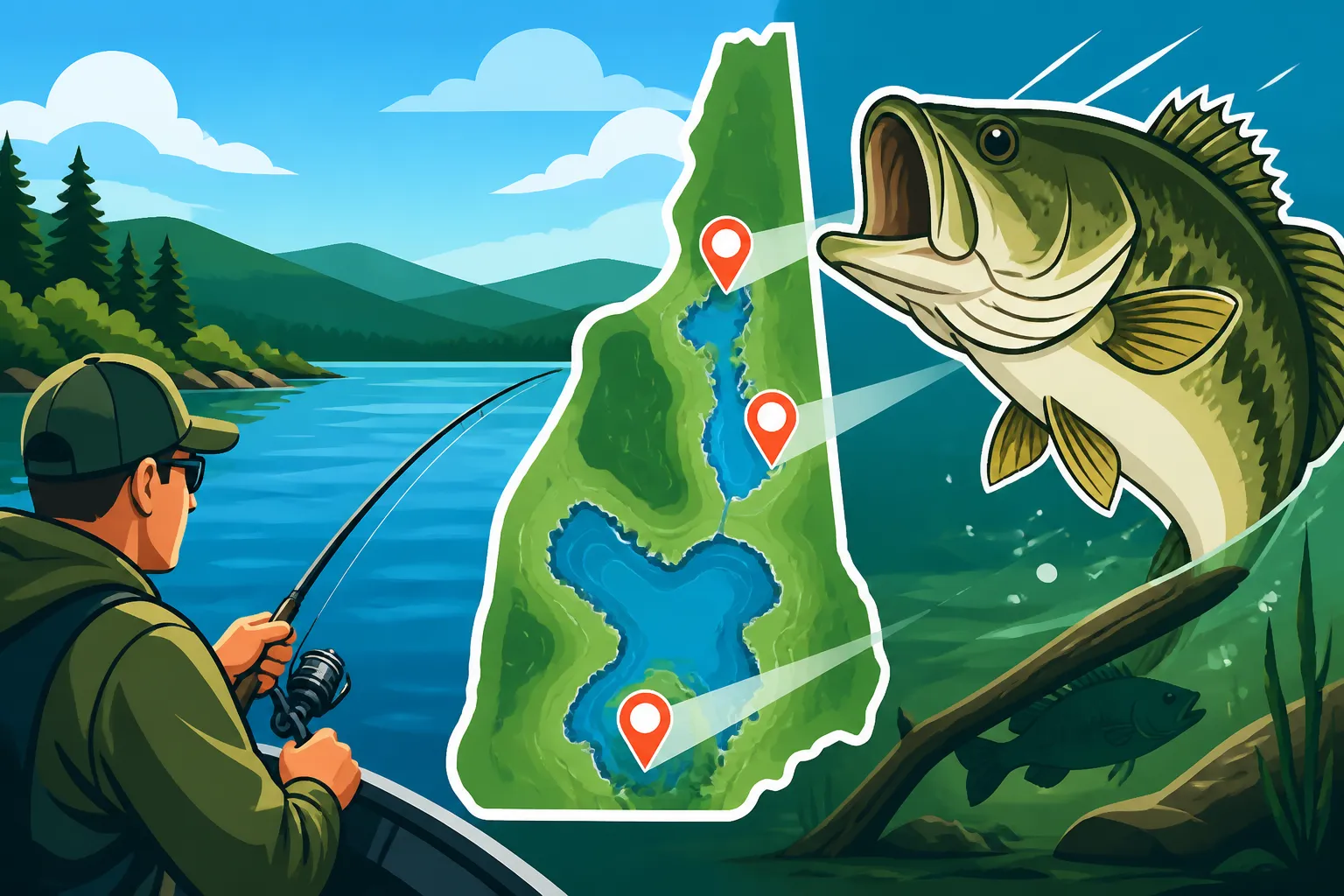
The digital age has gifted us some incredible tools that anglers a generation ago could only dream of. Before hitting a new spot like Pawtuckaway Lake or Lake Winnisquam, my first move is always to open up a mapping application. Google Maps is a fantastic start for getting a general overview, but you'll want to dig deeper with specialized fishing apps or charts. These tools are goldmines for showing you things you simply can't see from the surface.
What are you looking for? Start with the obvious: points, coves, islands, and channels. These are natural bass highways and hangouts. Then, zoom in. Look for contour lines that indicate sharp drop-offs, underwater humps, or flats. Bass are structure-oriented, and these contours often reveal their preferred depths. Satellite imagery can show you visible features like docks, submerged timber (look for discoloration in the water or faint outlines), lily pad fields, or distinct weed lines. A prime example might be seeing a dark patch of weeds extending from a shallow cove out towards a deeper channel – that’s a likely ambush point for a hungry bass. You can even check out some mapping subscriptions that allow you to download offline maps, which is super handy if you’re heading to a more remote spot where cell service might be spotty. Remember, the more you know before you go, the more focused your on-water attack can be.
Beyond just the maps, a quick online search for local fishing reports or forums (always keeping in mind that the information might be a bit dated or biased) can offer clues about common baitfish, typical depths, or even popular local lures. While you can't rely on these as gospel, they can help narrow down your initial strategy, especially regarding what species are prominent. Perhaps you learn that a particular lake is known for its incredible smallmouth fishery, which might change your lure selection to more smallmouth-specific presentations from the get-go. Gathering this intel is like assembling pieces of a puzzle before you even open the box; it helps you visualize the finished picture more clearly.
Weather and Seasonal Influences on Bass Behavior
Bass, like most fish, are creatures of habit heavily influenced by their environment, and nothing dictates their behavior more than the current weather patterns and the season. You wouldn't expect to catch bass in the same spot with the same lure in January as you would in July in New Hampshire! Each season presents a unique set of challenges and opportunities that you need to understand to successfully pattern bass.
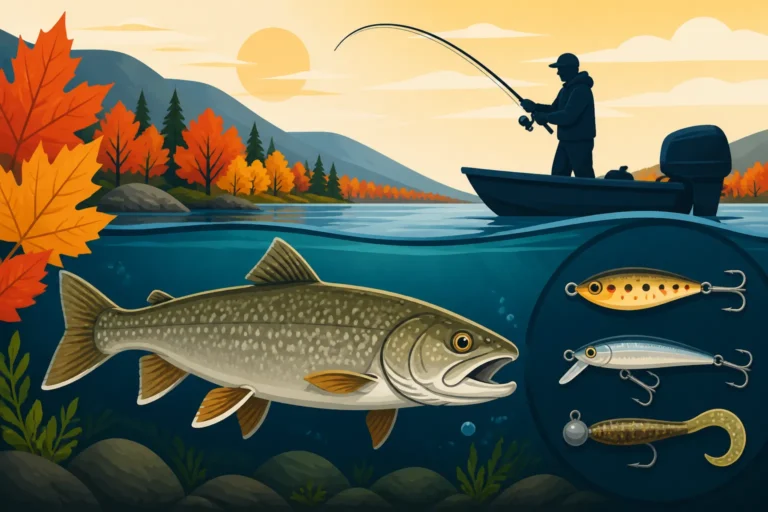
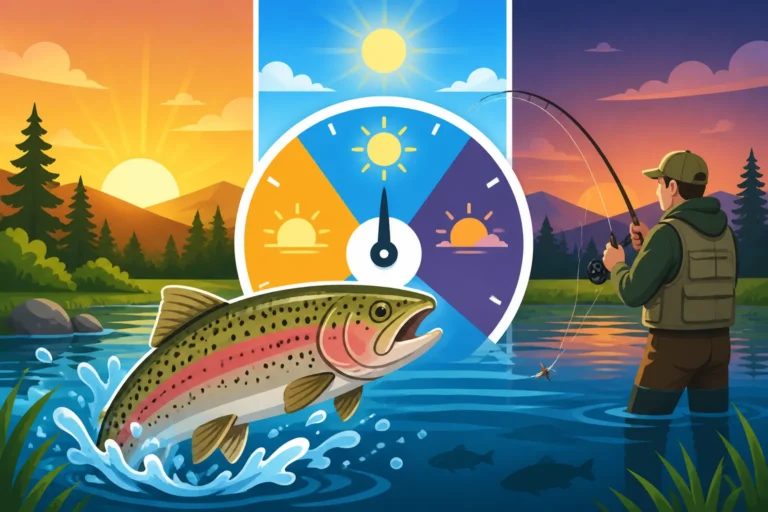
In the spring, as water temperatures rise after ice-out, bass begin to move shallow, staging for the spawn. They'll often be found in the warmest, most protected coves and bays, soaking up the sun's rays. This is when Best Techniques for Early Spring Trout (and bass!) can really pay off. As the water warms further into summer, bass might move deeper to find cooler, more oxygenated water, or they might relate to dense overhead cover like thick lily pads or docks to escape the heat and bright sun. Fall sees them feeding heavily, often schooling up to chase baitfish, sometimes in shallower water, sometimes deeper on humps and points as they fatten up for winter. Even the daily weather plays a role: a sudden cold front can shut bass down, pushing them tight to cover or deeper, making them less willing to chase. Conversely, stable, warm weather can make them aggressive and willing to strike. Understanding these macro and micro weather impacts allows you to make educated guesses about where bass should be, even on an unfamiliar lake.
Consider a hypothetical scenario: you're planning a trip to Newfound Lake in early May. Your research tells you it's a deep, clear lake. Knowing it's spring, you'd hypothesize that bass might be moving into the shallower northern coves or the sun-drenched areas on the western shore where the water would warm first. You wouldn't start by trolling deep open water for lake trout, for instance. If a major cold front rolls through the day before your trip, you'd adjust your expectations and might target deeper points or focus on slow-moving presentations, knowing the fish will likely be sluggish. Having this seasonal and weather-based framework helps you narrow down potential areas significantly, transforming a vast unknown into a more manageable search grid.
On-Water Exploration: The Art of Dissection
Once you've done your homework and you're actually on the water, it's time to put your theories to the test. This phase is all about covering water efficiently, using your electronics, and keeping a keen eye on every detail. Think of yourself as a detective, gathering clues with every cast and every pass over a piece of structure.
Starting Broad: Covering Water Efficiently
When you first arrive at a new New Hampshire lake, it can be tempting to slow down and pick apart every single dock or weed patch. However, on an unfamiliar lake, your initial goal is to find active fish, and that means covering a lot of water quickly. Start by identifying the areas your pre-trip research highlighted as promising – perhaps a long point extending into a channel or a large bay with visible lily pads. Don't be afraid to run-and-gun, making quick casts to obvious targets.
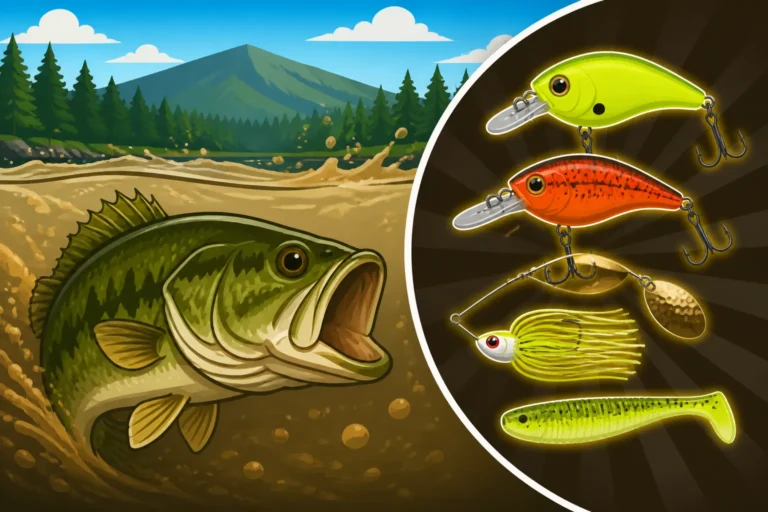
For this initial search, "search baits" are your best friend. These are lures designed to cover water efficiently and elicit reaction strikes from active bass. Think about using a spinnerbait, a fast-moving crankbait like those you might use for Best Crankbait Retrieve for Winnipesaukee Smallmouth, or a chatterbait. Cast them to key features, retrieve them at varying speeds, and keep moving. If you get a bite or even a follow, that's your first clue! It tells you that there are active fish in that general area, and it gives you a starting point to slow down and investigate further. For example, if you're fishing a long main lake point on Winnipesaukee and catch a smallmouth on a crankbait halfway down, you now know that bass are using that point, and potentially at that specific depth. Don't immediately anchor down and exhaust that one spot; rather, note it and look for similar points or features nearby.
It’s about eliminating unproductive water and quickly identifying productive zones. If you spend an hour fishing shallow rocks in a northern cove with no success, it's time to move on and try deeper structure or a different type of cover altogether. Don't get emotionally attached to a spot just because it "looks" good. The fish will tell you where they are, and your job is to listen by covering as much varied water as possible in your initial sweep. Many anglers find a good selection of these search baits on sites like Amazon, ensuring they have a variety of colors and sizes for different conditions.
Locating Key Structure and Cover
Once you've narrowed down some general areas through efficient searching, it’s time to get surgical and use your electronics to pinpoint specific structure and cover. This is where modern fish finders really shine, transforming opaque water into a window to the underwater world. On a lake like Squam, known for its clear water, you might even spot some structure visually, but for the most part, your electronics will be key.
Drive over potential areas slowly, observing your sonar and side imaging screens. You're looking for submerged humps, rock piles, ledges, or channels that might not be visible on the surface. These are textbook bass holding areas, especially when they intersect with cover like brush piles or weed beds. For example, you might see a distinct bait ball on your fish finder, often a tell-tale sign that predatory fish like bass are in the vicinity, or you might mark a "Christmas tree" looking structure, which is clearly submerged timber. Best Fish Finders for New Hampshire Lakes can dramatically improve your ability to locate these hidden gems. Pay attention to how the bottom composition changes – from soft mud to hard rock, as bass often prefer hard bottom.
Don't forget the visible cover either. Docks, fallen trees, beaver huts, and lily pad fields are obvious bass magnets. However, on an unfamiliar lake, you'll want to assess the quality of that cover. Are the docks old and shaded, or new and exposed? Is the fallen timber in deep water or shallow? Bass will relate to these features differently depending on the time of year and day. For instance, a shallow laydown might hold bass early in the morning, but as the sun gets high, they might move to the shadiest side of a deeper dock. By systematically dissecting both visible and invisible structure and cover, you start to build a clearer picture of where the bass are staging and why. One day you might be focusing on How to fish rocky points for smallmouth, the next it might be shallow weed lines.
Dialing In: Understanding Bass Behavior and Presentation
After you’ve done your research and found some promising areas, the real fun (and challenge) begins: figuring out what these particular bass want to eat and how they want it presented. This is where the art of fishing truly comes into play, requiring patience, observation, and a willingness to experiment.
Experimenting with Baits and Presentations
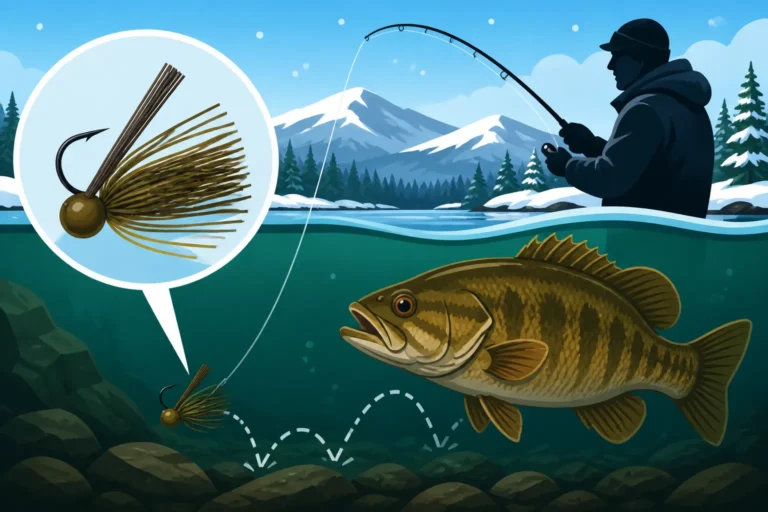
When you're trying to pattern bass on a new lake, it's rare that the first lure you tie on will be the magic bullet. Bass on different lakes, or even in different parts of the same lake, can have distinct preferences. This is why having a diverse tackle box is so crucial. If you're targeting smallmouth, you might start with a tube jig, but if they're finicky, a drop shot might be the answer. For largemouth hidden in thick cover, a Texas-rigged creature bait might be more effective than a spinnerbait.
Think about varying your lure type, color, size, and retrieve speed. If crankbaits aren't producing, switch to a soft plastic, a jig, or even a topwater lure if conditions are right. For example, if the water is a bit stained from recent rain, you might opt for a chartreuse or dark-colored lure, as discussed in Best Lure Color for Muddy Water Bass Fishing. If the water is crystal clear, natural baitfish patterns or translucent soft plastics often excel. Don’t be afraid to switch up your retrieve, too. Sometimes a fast, erratic jerkbait retrieve is what they want; other times, a slow, methodical drag of a worm across the bottom is the ticket. It's a continuous process of elimination and discovery.
One common mistake is to stick with a "confidence bait" for too long, even when it's not producing. On an unfamiliar lake, you need to be a chameleon, constantly adapting. If you've been throwing a topwater frog in the lily pads and getting no action, try punching a heavy jig through that same cover. You might find that the bass are there, but they’re just not willing to come to the surface. Building a comprehensive tackle collection often involves experimenting with different brands and styles, and browsing platforms like Amazon for reviews and variety can really help expand your options. Best Tackle for New Hampshire Smallmouth Bass will have some great starting points for specific lure types.
Interpreting Bites and Repeating Success
Every bite tells a story. On an unfamiliar lake, paying close attention to how a bass bites and where you get that bite is critical for developing a successful pattern. Was it a violent strike? A subtle tap? Did the line just feel heavy? These clues can tell you about the fish's mood and activity level. A hard strike often means an aggressive, active fish, while a light tap might indicate a more neutral or lethargic one.
Once you get a bite, don't just celebrate – analyze it! What depth were you fishing? What type of cover was your lure near? What was the water temperature? What was the retrieve speed? The key to patterning is duplicating success. If you catch a bass on a jig fished in 10 feet of water next to a rock pile, the next logical step is to find other rock piles in 10 feet of water and fish them with the same jig. This is how a pattern starts to emerge. You’re essentially developing a hypothesis based on your first success, and then testing that hypothesis by looking for similar conditions. If you catch another fish under those same conditions, your hypothesis gains strength.
The table below illustrates how different bass behaviors might suggest different lure choices and presentations.
| Bass Behavior / Mood | Typical Location Cues | Suggested Lure Type | Presentation Style |
|---|---|---|---|
| Aggressive/Active | Chasing bait, open water, windy points, current | Spinnerbait, Crankbait, Jerkbait, Topwater | Fast, erratic, covering water |
| Neutral/Slightly Active | Near cover, edges of drop-offs, shaded areas | Jig, Senko, Carolina Rig, Swimbait | Medium retrieve, slow retrieve, twitch & pause |
| Finicky/Lethargic | Tight to heavy cover, deep structure, cold fronts | Drop Shot, Ned Rig, Texas Rig, Finesse Jig | Very slow, subtle movements, soaking bait |
| Spawning/Bedding | Shallow, clear flats, protected coves, near visible cover | Sight fishing baits (tubes, worms), soft plastics | Precise casts, dead sticking, twitching |
| Post-Spawn | Nearby deeper water, suspended near cover, feeding on fry | Flukes, smaller crankbaits, swimbaits | Varied retrieves, focus on cover edges |
Remember, a pattern isn't static. It can change with the weather, time of day, or even just fishing pressure. Always be ready to adjust. If your established pattern suddenly stops producing, it's time to re-evaluate and start experimenting again, perhaps moving deeper or trying different colors. This adaptability is key to consistent success on unfamiliar waters.
Adaptability and Persistence: The Angler's Mindset
Fishing, especially on new water, is as much a mental game as it is a physical one. There will be frustrating moments, long stretches without bites, and times when you feel like you're doing everything wrong. Developing the right mindset – one of adaptability, persistence, and continuous learning – is what separates a successful angler from one who goes home empty-handed.
Learning from Every Cast (and No Cast)
Every single cast you make on an unfamiliar lake, whether it results in a fish or not, provides valuable information. Think of it as data collection. If you throw a crankbait against a riprap bank and get no bites, you’ve learned something: either the bass aren't there, or they don't want that presentation. This is just as important as knowing what does work. Sometimes the absence of a bite tells you more than a dozen catches on a familiar lake.
Maintain a mental log, or even a physical fishing journal, of your observations. Note the water temperature, clarity, wind direction, what areas you fished, what lures you used, and what happened (or didn't happen). Did you see baitfish jumping? Were there birds diving? Was the water muddier in one cove than another? All these seemingly small details contribute to the larger picture. For instance, if you're fishing the Merrimack River and notice a sudden influx of current, and then your spinnerbait starts getting hit, that's a clue that bass might be ambushing bait in the moving water. Even a snag provides information – it tells you about submerged obstacles you couldn't see. Embrace every outcome as a learning opportunity. The more details you collect, the faster you'll be able to piece together the bass puzzle on any given body of water.
When to Change the Game Plan Entirely
Knowing when to stick with a pattern and when to abandon it completely is a critical skill. It's easy to fall into the trap of "just one more cast" in a spot that should be holding fish, but isn't producing. On an unfamiliar lake, holding onto a dead-end strategy for too long is a waste of precious fishing time. If you've methodically worked through an area, tried a few different lures and presentations, and still haven't gotten any signs of life, it's time to pull up stakes and move.
Recognize the signs that your current game plan isn't working. This could be a prolonged period without bites, a change in the weather (like a sudden drop in temperature or a shift in wind direction), or an observation that contradicts your current approach (e.g., seeing bass busting bait in open water when you're targeting shallow cover). Don't be afraid to make a complete pivot. This might mean moving to an entirely different part of the lake, switching from deep to shallow, or even changing your target species if bass simply aren't cooperating. Perhaps on a tough day, instead of beating your head against the wall for smallmouth, you decide to pursue Panfish Fishing in New Hampshire for some action. Having a backup plan or a willingness to explore entirely new water types can turn a frustrating day into a successful one. Remember, the fish don't know your plan, so you have to be ready to adapt to theirs.
Disclaimer
This article is for general informational purposes only and does not constitute professional advice. Laws, prices and regulations vary by location and change over time. Consult a qualified professional for guidance on your specific situation.