Best technique for fishing muddy runoff conditions
There’s nothing quite as deflating for an angler as heading out to your favorite New Hampshire river or lake, only to find it churned into a muddy, swift-moving torrent after a heavy rain or spring snowmelt. That clear, inviting water you envisioned is now the color of chocolate milk, and suddenly, all your usual tactics feel useless. This guide will walk you through the best techniques and strategies to confidently approach fishing in muddy runoff conditions, helping you turn a potentially frustrating day into a successful one.
Understanding Muddy Water: Why It Changes the Game
Before we dive into specific techniques, it's crucial to understand why muddy water and heavy runoff present such a challenge. It's not just about visibility; a lot more is going on beneath the surface that impacts fish behavior and, consequently, how we need to adapt our approach.
The Impact of Reduced Visibility
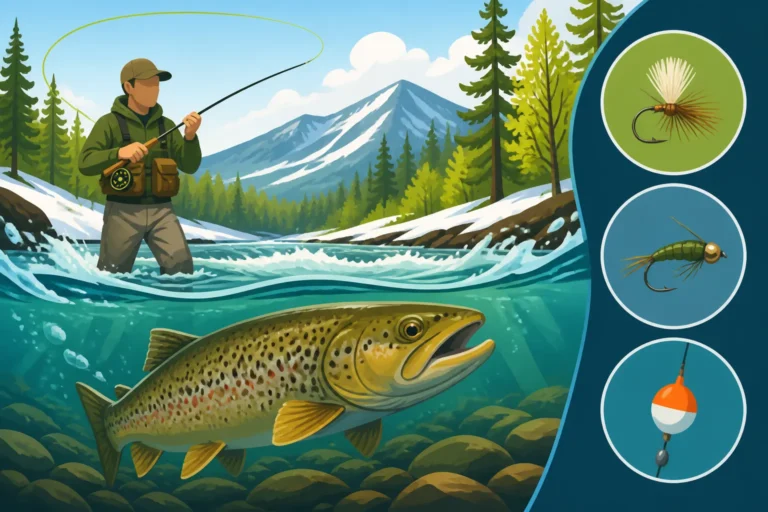
When heavy rains or melting snow hit, they pick up sediment, silt, and debris, flushing it into streams, rivers, and eventually lakes. This influx dramatically reduces the water's clarity. For fish, especially those that are primarily sight feeders like many trout and bass, this is like trying to hunt in a dense fog. They rely less on their eyes and more on other senses to locate food and navigate. This low visibility means your bright, natural-colored lures that usually perform so well might go completely unnoticed. It's a fundamental shift in their world, and you have to think like a fish in these conditions. Fish often move to areas where the water is slightly clearer, or they hunker down in calmer pockets out of the main current, making them harder to find. Understanding these changes is the first step in successful muddy water fishing.
Altered Fish Behavior and Current Dynamics
Beyond visibility, runoff brings other significant changes. The increased current speed can dislodge insects, worms, and baitfish, creating an unexpected buffet for predatory fish. However, this stronger current also means fish have to expend more energy to hold their position. Many species, particularly in rivers like the Contoocook or sections of the Merrimack River, will seek refuge in eddies, behind large rocks, submerged logs, or in slower pockets of water along the banks. These are often the same places that offer a slight reprieve from the heaviest sediment load, providing a marginal improvement in clarity. For lake fishing, runoff often creates a "plume" of muddy water, pushing fish away from the immediate inflow or concentrating them along the edges where the clearer lake water meets the dirty inflow. Knowing New Hampshire Fishing Seasons by Month can also give you insight into when these runoff events are most likely to occur, often in spring or after significant summer storms.
Lure and Bait Strategies for Low Visibility
When the water's murky, you need to appeal to a fish's other senses. This means focusing on vibration, sound, and scent, as well as choosing colors that stand out rather than blend in.
High-Contrast Colors and Larger Profiles
Forget subtle, natural baitfish patterns when the water looks like coffee. In muddy conditions, you want your lure to scream, "Look at me!" High-contrast colors are your best friend because they create a silhouette that fish can detect even in poor visibility. Black is incredibly effective, creating a distinct profile against the dirty water. Dark blues and purples also work well for the same reason. Chartreuse, a vibrant yellow-green, is another muddy water staple that seems to glow in low light, making it easily detectable. Sometimes, a combination, like black and blue or chartreuse and white, can be particularly potent.
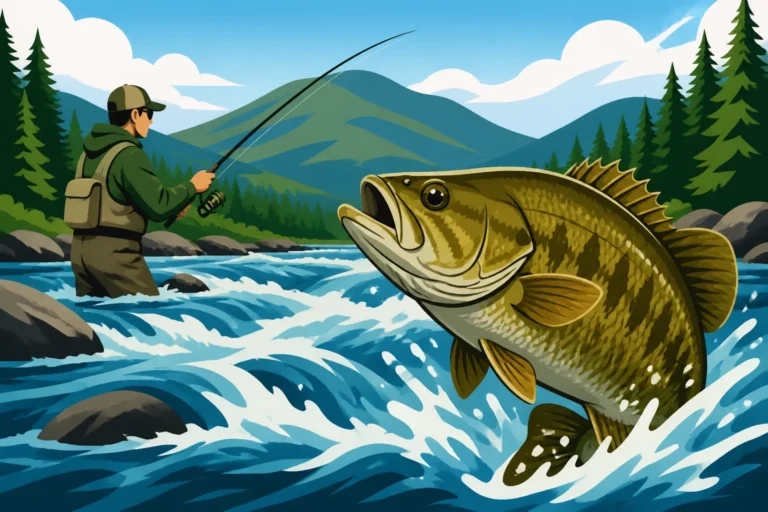
Consider a larger profile for your lures too. A bigger bait pushes more water, creating a more substantial disturbance that fish can feel with their lateral line. So, if you're usually throwing a 3-inch swimbait for smallmouth bass on a lake, maybe try a 4 or 5-inch version, or even a bulkier jig. When targeting species like smallmouth bass, especially on larger bodies of water like Lake Winnipesaukee where runoff can be a factor near inflows, these choices become even more critical. Many anglers find a good selection of these specialized lures on Amazon, ensuring they're prepared for any conditions.
Noise, Vibration, and Scent: Appealing to Other Senses
Since sight is compromised, you need to engage a fish's other highly developed senses: its lateral line (for vibration) and its olfactory system (for scent).
Vibration and Sound: Lures that create significant vibration and noise are invaluable in muddy water.
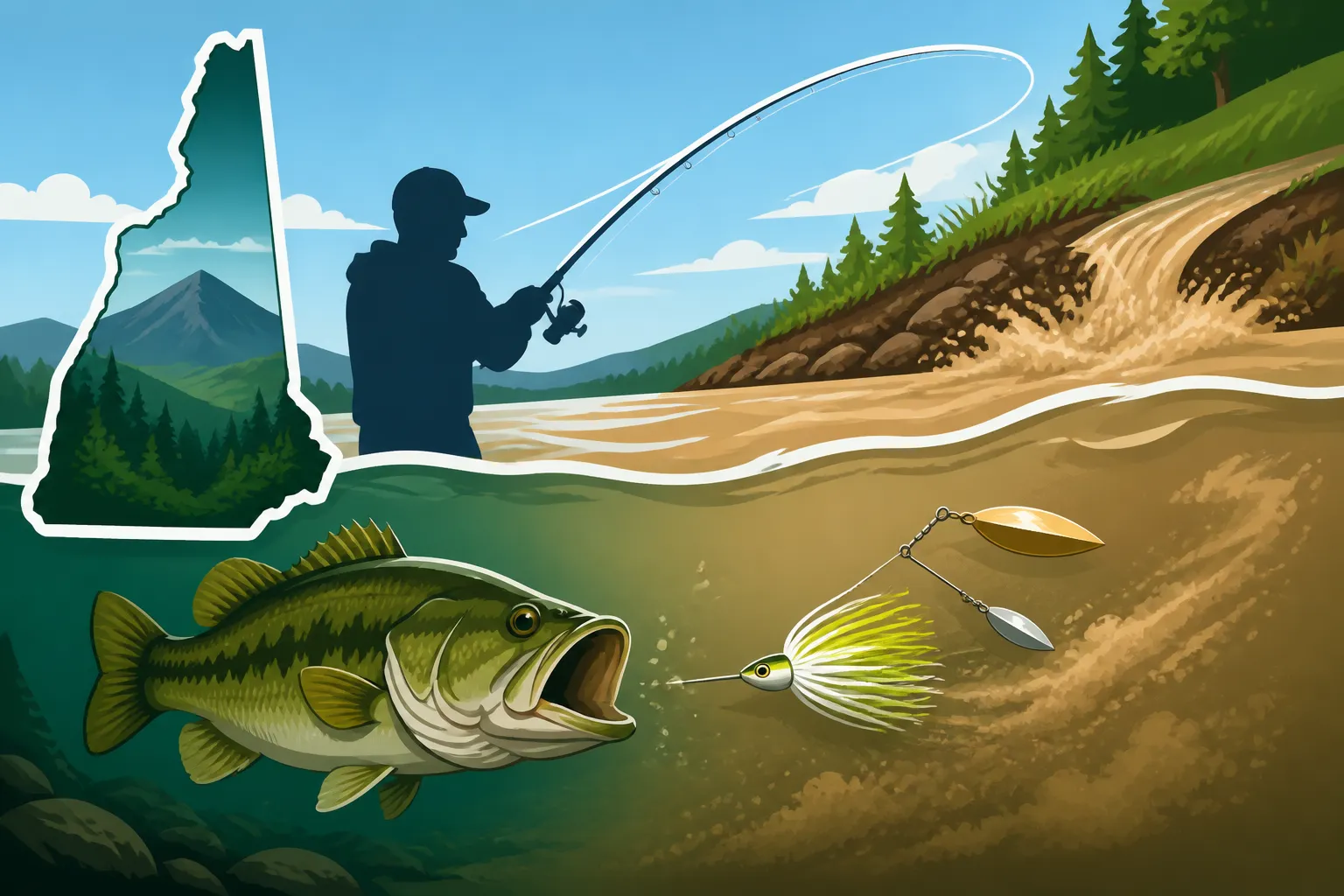
- Spinnerbaits: The thumping blades of a spinnerbait create a powerful vibration that fish can feel from a distance. Pair them with a dark or chartreuse skirt.
- Chatterbaits (Bladed Jigs): These lures combine the flash of a jig with an erratic, high-vibration action, making them incredibly effective.
- Lipless Crankbaits: These baits not only vibrate intensely but many also have internal rattles, adding an auditory element.
- Wobbling Crankbaits: Any crankbait with a wide, aggressive wobble displaces a lot of water.
The goal is to send out strong signals that fish can home in on, even if they can't see your lure until it's right in front of them. For How to Catch Largemouth Bass in New Hampshire, these types of lures are often year-round producers, but they truly shine in runoff.
Scent: Don't underestimate the power of smell. Fish use scent to track down prey, especially in low-visibility conditions.
- Live Bait: Worms, shiners, and other live baits are natural scent machines. They're often the most reliable option when everything else fails.
- Scented Artificials: Many soft plastic baits, like PowerBait, Berkley Gulp!, or various soft plastic worms and creature baits, are impregnated with powerful attractants. Even if your lure doesn't have built-in scent, adding an external scent gel or spray can make a huge difference. For trout fishing in runoff, dousing a small soft plastic bait with a strong trout attractant can be a game-changer.
When combining these elements, you're building a multi-sensory trap that greatly increases your chances of a strike.
Tactical Adjustments: How to Fish Runoff Conditions
It's not just what you throw, but how you present it. Muddy water requires a slower, more deliberate approach to give fish time to react.
Slowing Down Your Presentation
Fish in muddy water often have a shorter strike zone because they can't see or track your lure from far away. This means you need to slow things down considerably. A fast retrieve might blow right past a fish before it even knows it's there.
- Crawling Baits: For jigs, soft plastics, or creature baits, slow down your retrieve to a crawl. Let them sink, drag them along the bottom, and pause frequently. The goal is to keep the bait in the strike zone longer.
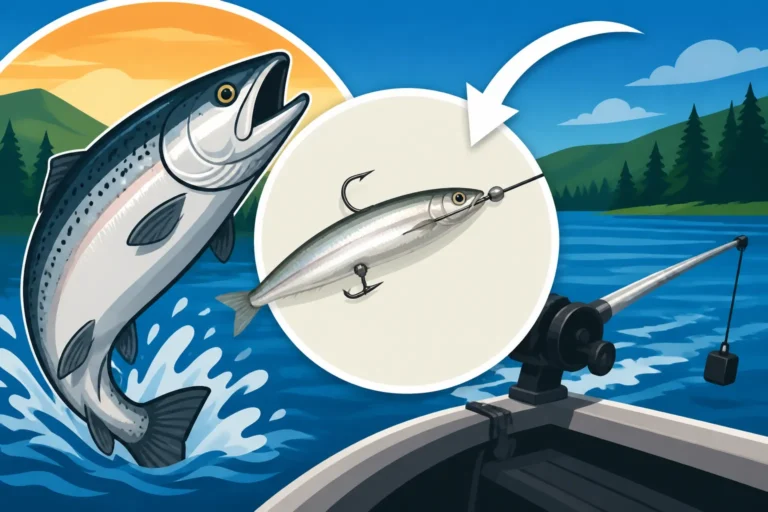
- Slower Trolling: If you're trolling for lake trout or landlocked salmon in areas affected by runoff, reduce your boat speed. This gives these deep-water predators more time to locate your offering by scent and vibration.
- Slack Line Fishing: In rivers, you might try a dead drift with live bait or a scented worm, letting the current do the work. The natural movement combined with scent can be irresistible to fish holding in eddies. This slower approach can also be crucial for How to Catch Landlocked Salmon in New Hampshire when they are pressured by high water.
Targeting Edges, Seams, and Obstructions
Fish don't just swim blindly into the full force of a muddy current. They seek refuge and often gravitate towards areas where conditions are more favorable.
- Current Seams: Look for the boundary where the fast, dirty water meets slower, slightly clearer water. This "seam" often acts as a highway for disoriented baitfish and dislodged food, and predatory fish will sit on the calmer side, waiting to ambush.
- Behind Obstructions: Large rocks, fallen trees (known as "laydowns"), bridge pilings, and other structures create eddies and slack water. These are prime holding spots for fish trying to conserve energy and find clearer water. Cast your lures right into these pockets and work them thoroughly.
- Shorelines: In rivers, the current is often slower along the banks, and the water might be marginally clearer. Fish will hug these areas, especially if there's overhanging vegetation or submerged structure providing cover.
- Inflows on Lakes: When a muddy river or stream flows into a larger lake, it creates a plume. The fish might be on the outside edges of this plume where the visibility is better, or they might be tucked into the immediate vicinity of the inflow where some clearer backwater exists, picking off food swept in. It's often not about fishing in the mud, but rather fishing around the mud. Understanding the Best Fishing Rivers in New Hampshire can help you identify these critical areas.
Heavy Line and Leader Considerations
In normal conditions, many anglers use lighter lines and fluorocarbon leaders for stealth. In muddy water, you can often get away with heavier line, which offers several advantages.
- Reduced Visibility Concern: Fish can't see your line anyway, so line shyness is less of an issue.
- Abrasion Resistance: Heavy runoff often carries debris – sticks, leaves, even larger branches. A heavier, more abrasion-resistant line (like a quality monofilament or braided line) is less likely to fray and break when rubbing against these obstacles. This can be particularly important when fishing near submerged timber or rocky bottom structure.
- Strength: If you hook into a good fish in a strong current, you'll appreciate the extra backbone and pulling power of a heavier line.
- Maneuverability: Heavier lines can help you steer fish away from snags in turbulent water, especially if you're using a Best Spinning Rods for Smallmouth Bass setup that might not have quite as much power as a dedicated baitcasting rod.
You don't need to go overboard, but bumping up your line test by a few pounds can provide a significant advantage without any real drawback in muddy conditions.
| Lure Type | Recommended Colors | Key Advantage | Target Species |
|---|---|---|---|
| Spinnerbait | Chartreuse, Black/Blue | Vibration, Flash | Bass, Pickerel, Pike |
| Chatterbait | Black/Blue, Green Pumpkin | Erratic Vibration | Bass, Pickerel |
| Lipless Crankbait | Firetiger, Chrome/Black | Rattle, Vibration | Bass, Perch, Pike |
| Jig (with trailer) | Black/Blue, Green Pumpkin | Profile, Scent (with trailer) | Bass, Trout, Pickerel |
| Scented Worms/Creatures | Natural, Dark, Chartreuse | Scent, Slow Presentation | Bass, Trout, Panfish |
| Live Bait (Worms, Shiners) | N/A | Natural Scent, Movement | All |
Safety and Preparedness: Staying Smart in Challenging Conditions
Fishing in runoff isn't just about catching fish; it's also about staying safe. High water, slippery banks, and unseen debris can quickly turn a fun outing into a dangerous situation.
Assessing Water Levels and Current Strength
Before you even make your first cast, take a good look at the water. Is the current significantly faster than usual? Are there visible debris fields floating downstream? Are the banks eroded or undercut by the higher water? Never underestimate the power of moving water. If the current looks dangerously strong or if there are large logs or trees being swept down, it might be best to choose a different spot or even postpone your trip. Your safety is always paramount. Conditions can change rapidly, so stay vigilant throughout your time on the water. Local New Hampshire Fish and Game resources can often provide updates on river levels and fishing conditions. Always consider New Hampshire Boating Laws for Anglers if you plan to be on the water in a vessel.
Essential Gear for Safety and Comfort
Being prepared with the right gear can make all the difference in these challenging conditions.
- Waders and Wading Boots: If you're wading, ensure your waders are in good condition and your boots have excellent traction. Felt soles can be great on slick rocks, but rubber with studs might be better in muddy, slippery bank conditions. A good pair of Best Waders for New Hampshire Trout Streams is an investment in both comfort and safety.
- Wading Staff: This is a non-negotiable item if you plan to wade in strong currents or across unknown bottoms. It provides a crucial third point of contact and helps you gauge depth and stability. You can find robust, collapsible wading staffs that stow easily, often available on Amazon.
- Personal Flotation Device (PFD): Even if you're an excellent swimmer, a PFD is essential when wading in strong currents or fishing from a boat or kayak in turbulent conditions. It’s too late to put it on once you’re in the water.
- First Aid Kit: A basic first aid kit is always a good idea, especially if you're fishing in more remote areas.
- Warm, Waterproof Clothing: Runoff conditions often mean cold, wet weather. Layer up, and make sure your outer shell is truly waterproof to stay comfortable and prevent hypothermia.
- Communication Device: Always carry a fully charged cell phone or, if you're in an area with no service, a satellite messenger. Let someone know where you're going and when you expect to return.
By taking these precautions, you can focus on the fishing, knowing you've minimized the risks associated with adverse conditions. Even if the fish aren't biting, a safe day on the water is a good day. For more on localized rules, consult New Hampshire Fishing Regulations Explained.
Disclaimer
This article is for general informational purposes only and does not constitute professional advice. Laws, prices and regulations vary by location and change over time. Consult a qualified professional for guidance on your specific situation.