Best bait for opening day trout in New Hampshire
The crisp, often chilly air of New Hampshire's opening day for trout fishing is a feeling every angler cherishes. But let's be honest, it can also be a frustrating mystery trying to figure out what those freshly stocked trout will actually strike. Many of us have stood by the water's edge, scratching our heads, wondering why our usual go-to bait isn't producing, while the person next to us is pulling in fish after fish. This guide is here to unravel that mystery, focusing on the very best baits and techniques to make your opening day in New Hampshire a resounding success.
Understanding Opening Day Trout Behavior in New Hampshire
Before we even talk about specific baits, it's crucial to understand what makes opening day trout tick. These aren't wild, wary fish that have spent their lives dodging predators in a pristine river. Most are hatchery-raised, accustomed to a very specific diet, and often a bit disoriented when first introduced to a new pond or stream. This unique scenario dictates our approach.
The Hatchery Haze and Cold Water Shock
Imagine being abruptly taken from a familiar, structured environment and dropped into a big, open pool. That's essentially what happens to newly stocked trout. They're often in a bit of a "hatchery haze," which means they might not be as aggressive or discerning as wild trout. Their immediate instinct might be to find cover or simply mill about, rather than actively hunting. This disorientation can make them either incredibly easy to catch, or surprisingly finicky, depending on their stress levels and how long they've been in the water.
Adding to this is the cold water. New Hampshire's springs can be quite chilly, and water temperatures on opening day are often still on the lower side. Cold-blooded creatures like trout become less active in cold water. Their metabolism slows down, meaning they don't need to eat as much, and they might move slower. This doesn't mean they won't eat, but it does mean your presentation needs to be slower and more enticing. You're trying to appeal to a fish that might not be in a high-energy feeding frenzy. Patience and a subtle approach often pay off more than aggressive retrieves. For more in-depth knowledge about trout in New Hampshire, check out our guide on Trout Fishing in New Hampshire.
Schooling Tendencies and Competition
Another key aspect of opening day trout behavior is their schooling. When trout are stocked, they tend to stay together, often congregating in deeper holes, along drop-offs, or near the stocking point itself. This can be both a blessing and a curse. If you find the school, you can have incredible action. If you're not where they are, you might struggle. Observing other anglers (politely, of course!) can give you clues.
Once a school is located, competition can kick in. Even in cold water, if there's enough pressure from other fish trying to get to a perceived food source, their instincts can override their lethargy. This is where scent and color become incredibly important, helping your bait stand out in a crowd. However, too much pressure can also shut them down, making them even warier. It's a delicate balance, and often the early bird gets the worm, or in this case, the first few fish before the chaos sets in. Understanding New Hampshire Trout Stocking and Fishing Rules can also give you insights into where and when fish might be available.
The Tried and True Baits: Worms, PowerBait, and Corn
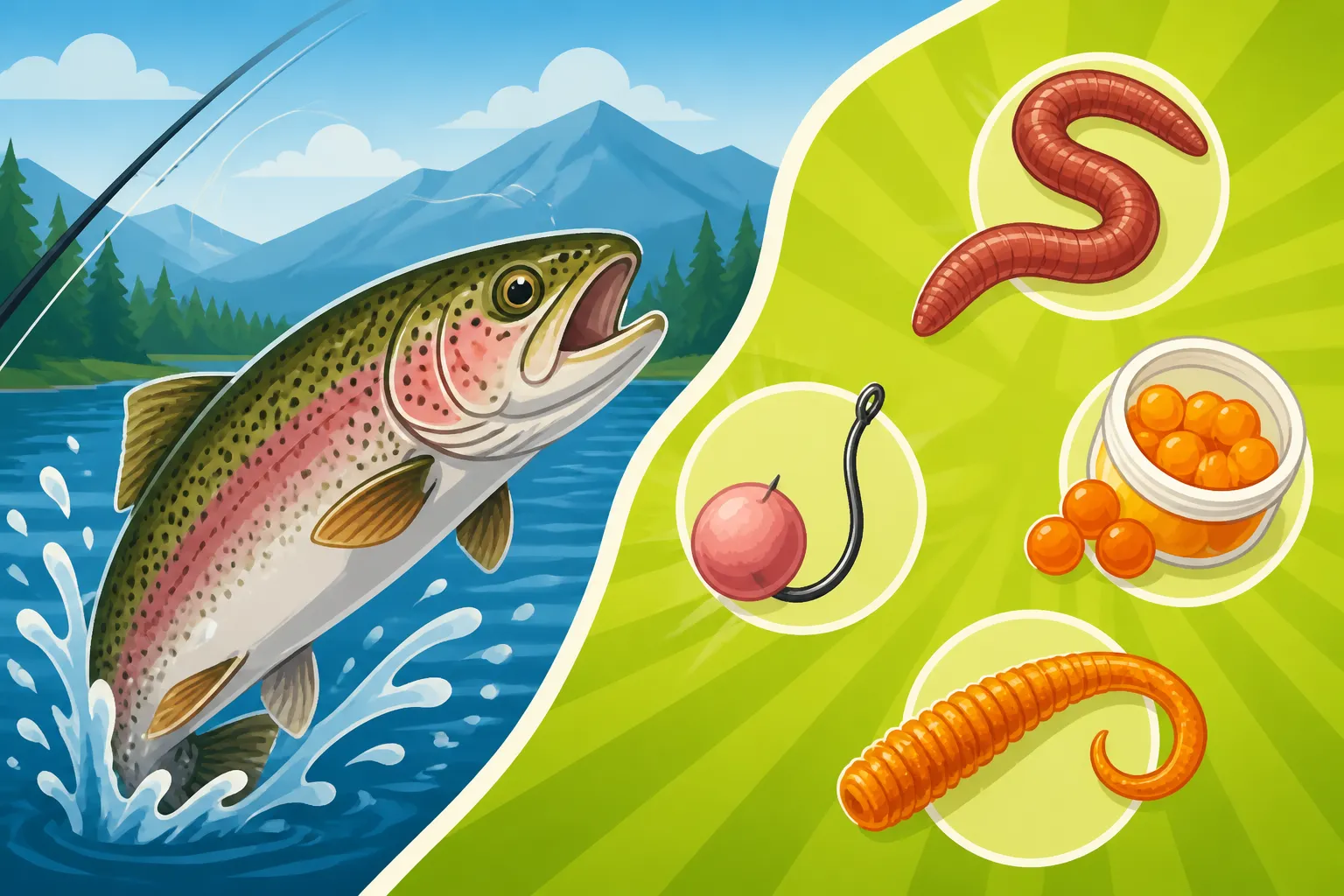
When it comes to opening day trout in New Hampshire, a few classic baits consistently outperform others. These are the workhorses that every angler, from novice to seasoned pro, should have in their arsenal.
Live Worms: The Irresistible Natural Offering
Let's start with the undisputed champion: the humble live worm. Whether it's a juicy nightcrawler, a smaller red wiggler, or even a garden worm, these natural offerings are incredibly effective. Why? Because worms are a natural food source that trout encounter, even if they're hatchery-raised. The wiggling action, natural scent, and soft texture are often too tempting for a trout to resist, especially one that's a bit confused and looking for an easy meal.
For opening day, I prefer smaller worms or sections of a larger nightcrawler. A whole nightcrawler can sometimes be too big for a recently stocked trout's mouth, leading to missed bites. Hook a worm once or twice, allowing maximum wiggling action. Presentation is key:
- Bottom Fishing: Many anglers opt to fish worms directly on the bottom using a small split shot or two to get it down, possibly with a small swivel to prevent line twist. This is effective in deeper holes where trout might be holding.
- Under a Bobber: For shallower areas or when you want to keep your bait suspended just off the bottom, a small bobber can be invaluable. This allows the worm to drift naturally with any subtle current, mimicking a free-floating meal.
- Carolina Rig: A more advanced but highly effective method is a modified Carolina rig, using a small bullet weight above a swivel, and a short leader (12-18 inches) to your hook. This allows the worm to move freely and naturally even when the weight is on the bottom.
You can often find high-quality live worms at local bait shops, but if you're planning ahead, you can also order them or find worm composting kits on Amazon if you want to cultivate your own supply for future trips!
Scented Dough Baits (PowerBait): A Hatchery Favorite
Next up is PowerBait, or other similar scented dough baits. These artificial baits are absolute trout magnets, particularly for hatchery-raised fish. Why? Because they are often formulated with the same scents and ingredients found in the pellets fed to trout in hatcheries. It's like comfort food for them! PowerBait comes in an incredible array of colors, shapes, and scents, making it a versatile choice.
For opening day, bright, contrasting colors like chartreuse, orange, and rainbow often work wonders, especially in murkier water or on overcast days. However, don't shy away from more natural colors like white, green, or even black, which can be surprisingly effective in clear water or on bright days. The key to PowerBait is how you mold it onto your hook. You want to completely cover the hook, forming a small, buoyant ball that floats just off the bottom. This buoyancy is crucial, as it keeps your bait out of the bottom muck and right in the trout's strike zone.
- Floating PowerBait Rig: The most common setup is a simple sliding sinker rig. Thread a small egg sinker onto your main line, then tie on a barrel swivel. To the other end of the swivel, tie about an 18-36 inch leader of fluorocarbon or monofilament, and then your hook. The PowerBait's buoyancy lifts it off the bottom, while the sliding sinker allows the fish to take the bait without feeling immediate resistance. This is perhaps the most reliable setup for Spring Trout Fishing Techniques for New Hampshire Ponds.
- Adjusting Leader Length: Experiment with the leader length. If fish are hugging the bottom, a shorter leader is better. If they're suspended higher in the water column, lengthen your leader.
- PowerBait Alternatives: While PowerBait is the most famous, brands like Berkley also offer PowerBait Nuggets or Power Eggs, which are small, pre-formed pieces that are incredibly easy to use, especially for kids. These can also be ordered from Amazon.
Canned Corn: The Budget-Friendly Surprise
Yes, you read that right: canned corn. While some purists might scoff, plain old canned sweet corn is surprisingly effective for stocked trout, especially on opening day. It shares several characteristics with trout pellets (size, color, sometimes even a slight sweetness), and trout simply seem to like it. It's also incredibly inexpensive and widely available.
The biggest downside of corn is that it doesn't stay on the hook as well as worms or PowerBait, and it's not as durable against smaller "nibblers." However, its effectiveness often outweighs these minor inconveniences. Use smaller, sharper hooks (size 10 or 12 egg hooks work well) and thread 2-3 kernels onto the hook, ensuring the hook point is exposed.
- Simple Bottom Rig: Similar to PowerBait, a sliding sinker rig works best for corn. You want the corn to rest on the bottom or just barely float if you pinch a tiny air bubble into it when hooking.
- Scent Enhancement: Some anglers will "juice up" their corn by adding a few drops of Anise oil or other fish attractant to the can a day or two before fishing. This can give it an extra edge.
- Ethical Considerations: Always remember to only use corn for fishing where it is explicitly allowed. In some catch-and-release waters or areas with specific regulations, corn might be prohibited due to concerns about ingestion by other wildlife. Always consult the New Hampshire Freshwater Fishing Digest for local rules before heading out.
Other Effective Offerings and Presentation Tips
While worms, PowerBait, and corn are the mainstays, there are other baits and techniques that can absolutely shine on opening day, especially if the primary offerings aren't cutting it or if you're looking to target more aggressive fish.
Small Artificial Lures: Spinners and Spoons
Sometimes, after the initial shock, stocked trout will become more active and aggressive. This is when small artificial lures, specifically spinners and spoons, can be incredibly deadly. The flash and vibration can trigger a predatory response that bait sometimes can't.
- Inline Spinners: Brands like Mepps, Panther Martin, and Rooster Tail are classic choices. Sizes #0 to #2 are usually perfect for stocked trout. Colors can vary, but silver, gold, and white blades often work well, especially with a bit of bright orange or chartreuse on the dressing. Cast these out and retrieve them slowly and steadily. The key is to keep the blade spinning. In cold water, a very slow retrieve that just barely keeps the blade rotating is often best.
- Small Spoons: Tiny Kastmaster or Little Cleo spoons in silver, gold, or brass can also be fantastic. The erratic wobbling action of a spoon can imitate a wounded baitfish, which can be irresistible. Cast and retrieve with a slight twitch or pause, or jig them gently if fishing from a boat or pier.
- Presentation: Always consider the water clarity and light conditions. Brighter, more reflective lures for cloudy days or darker water, and more natural, subdued colors for clear, sunny conditions. You can find a huge variety of these lures on Amazon, making it easy to experiment with different sizes and colors.
Fly Fishing: Nymphs and Streamers for Stocked Waters
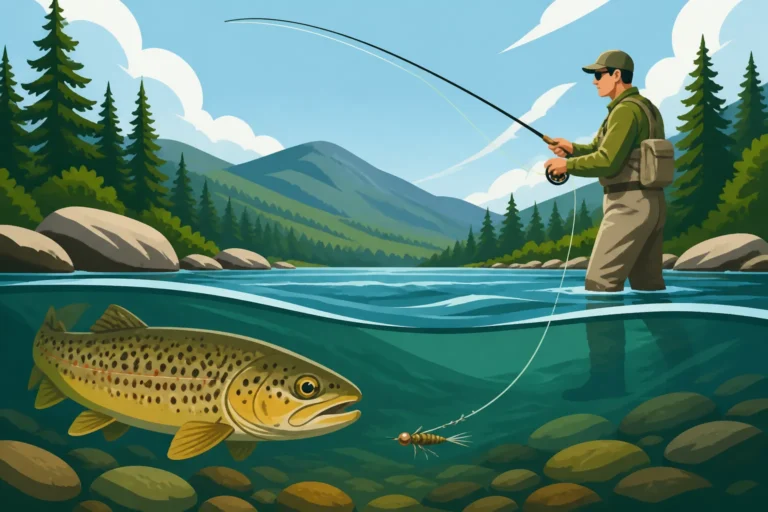
For fly anglers, opening day can be a fantastic time to target stocked trout, especially if you understand what they're looking for. While dry flies might not be the most effective in cold water (unless there's an unexpected early hatch), nymphs and small streamers are often incredibly productive.
- Nymphing: Patterns that imitate aquatic insects like Prince Nymphs, Hare's Ears, Pheasant Tails, or even simple Caddis Larva patterns are excellent. The key is to fish them deep and slow, mimicking an insect drifting along the bottom. Use a strike indicator and enough weight (split shot or a bead-head nymph) to get your fly down to where the fish are holding. Dead-drifting these through pools and runs can be incredibly effective.
- Streamers: Small streamers like Woolly Buggers (black, olive, brown) or tiny Zonkers can also entice aggressive strikes. These imitate small baitfish or leeches, which even hatchery trout will often opportunistically strike. Strip them slowly with pauses to create an erratic, vulnerable action. For more on this, our guide to Fly Fishing for Trout in New Hampshire is a great resource.
- Match the Hatch (or Hatchery): Some fly anglers even tie flies that mimic hatchery pellets! While not a traditional fly, patterns with a rounded, pellet-like profile in a tan or olive color can sometimes be incredibly effective for freshly stocked fish.
Table: Popular Opening Day Trout Baits in New Hampshire
| Bait Type | Pros | Cons | Ideal Conditions | Hook Size |
|---|---|---|---|---|
| Live Worms | Natural scent & action, highly effective | Can be messy, smaller fish can pick off | All conditions, especially cold water | 8-12 |
| PowerBait | Strong scent, floats, hatchery familiar | Artificial feel, can be messy to mold | All conditions, good for bottom fishing | 8-12 |
| Canned Corn | Inexpensive, surprisingly effective | Falls off hook easily, minimal action | When trout are finicky, clear water | 10-12 |
| Inline Spinners | Flash and vibration attracts active fish | Requires active retrieval, less effective for lethargic fish | Active fish, slightly warmer water | Treble |
| Small Spoons | Erratic action, imitates baitfish | Can get snagged, less effective for shy fish | Active fish, clear to murky water | Treble |
| Nymphs/Streamers | Natural imitation, effective for wary fish | Requires fly rod and technique | All conditions, especially clear water | 10-16 |
Gearing Up for Success: Rods, Reels, and Rigging
Having the right bait is only half the battle. Your gear and how you rig it play a huge role in your opening day success. You don't need expensive equipment, but understanding how to match your tackle to the task will make a big difference.
Rod and Reel Setup
For most opening day trout fishing in New Hampshire, a light to ultralight spinning rod and reel combo is ideal. This setup allows for sensitive feel, casting small baits, and handling lighter lines.
- Rod: A 5-foot to 6-foot 6-inch spinning rod with a light or ultralight action is perfect. This action will allow you to cast small weights (like a split shot or a small piece of PowerBait) accurately and will make even a small trout feel like a fighter, which is always fun! Look for a rod that has a sensitive tip to detect those subtle bites. You can find excellent budget-friendly options on Amazon that are perfect for new anglers or seasoned pros looking for a dedicated trout stick.
- Reel: Pair your rod with a small spinning reel (size 1000 to 2500). The key here is a smooth drag system, which is crucial when fighting trout on light line, preventing break-offs.
- Line: Spool your reel with 4 to 6-pound test monofilament or fluorocarbon line. Monofilament is more forgiving with stretch and usually easier to cast, while fluorocarbon offers excellent abrasion resistance, lower visibility in clear water, and less stretch for better sensitivity. Many anglers use monofilament as their main line and then tie on a short fluorocarbon leader for stealth.
Essential Terminal Tackle and Accessories
Beyond the basics, a few small items of terminal tackle can make your life much easier and increase your catch rate.
- Hooks: Stick with small, sharp hooks. Aberdeen hooks (long shank) in sizes 8-12 are great for worms, while bait holder hooks with barbs on the shank can help keep worms or PowerBait in place. Treble hooks are standard on most lures. Always go for the sharpest hooks you can find – a dull hook will lead to missed fish.
- Sinkers: A variety of split shot sinkers (removable and reusable) and small egg sinkers (1/8 to 1/4 ounce) are essential for getting your bait down to the desired depth.
- Swivels: Small barrel swivels or three-way swivels are useful for preventing line twist and for creating effective rigs.
- Bobbers/Indicators: Small slip bobbers or clip-on bobbers are great for suspending your bait at a specific depth. For fly fishing, a small strike indicator is a must.
- Pliers/Forceps: Essential for safely removing hooks, especially if you plan to practice catch and release.
- Net: A small landing net with a rubberized mesh is highly recommended. It protects the fish, reduces stress, and makes landing your catch much easier, especially if you're trying to quickly release a fish.
Getting your Best Gear for New Hampshire Trout Fishing sorted out ahead of time means less scrambling on opening morning. Always double-check your knots and inspect your line for nicks or abrasions, as opening day can be tough on gear, and you don't want to lose that trophy trout due to a preventable mistake. Remember, practice your casting and rigging at home, especially if you're trying a new technique, so you're ready when the season officially opens.
Disclaimer
This article is for general informational purposes only and does not constitute professional advice. Laws, prices and regulations vary by location and change over time. Consult a qualified professional for guidance on your specific situation.