Best time to nymph for trout on White Mountains streams
Navigating the beautiful, often challenging, White Mountains streams of New Hampshire to effectively nymph for trout can feel like trying to crack a secret code. The ever-changing conditions, from snowmelt surges to summer trickles, mean that what worked yesterday might not work today. This guide is dedicated to unraveling that mystery, helping you pinpoint the absolute best times – both seasonally and daily – to present nymphs to the hungry trout hiding in these iconic waters.
Understanding Nymphing in White Mountains Streams
The White Mountains region of New Hampshire offers some truly spectacular trout fishing, but it's a unique environment. These freestone streams, often tumbling down steep gradients, are characterized by cold, oxygenated water, a mix of rocky bottoms, and incredible natural beauty. Nymphing here isn't just about throwing a fly; it's about understanding the subtle rhythms of the ecosystem and how trout react to changes in their watery world.
The Importance of Timing in Mountain Environments
When we talk about "timing" in mountain streams, we're not just referring to the clock on your wrist; we're talking about a confluence of factors: the time of year, the daily weather, the water temperature, and even the subtle shifts in barometric pressure. Unlike larger, more stable rivers, these mountain streams can be incredibly dynamic. A warm rain in spring can turn a gentle brook into a raging torrent overnight, completely altering fish behavior and feeding lanes. Conversely, a prolonged dry spell in summer can reduce once-thriving runs to barely a trickle.
Ignoring these variables is a common mistake that leads to frustration. Anglers often fish the same spot, at the same time, with the same flies, expecting different results. The truth is, the trout in these streams are acutely tuned to their environment. They'll move, change their feeding habits, and become more or less aggressive based on these ever-present influences. Understanding when these shifts occur and how to adapt your nymphing strategy is the cornerstone of consistent success. We've all been there, standing knee-deep in a gorgeous stream, casting diligently with no takers, only to realize later that we were an hour too early, a day too late, or simply missed the signs the stream was giving us. This guide aims to help you read those signs.
Identifying Key Nymph Stages and Trout Behavior
Before you even think about casting, it's crucial to have a basic understanding of what trout are eating beneath the surface. Nymphs are the immature aquatic forms of insects like mayflies, caddisflies, and stoneflies, along with scuds, midges, and various aquatic worms. These make up the vast majority of a trout's diet year-round. The "best time to nymph" often aligns with when these insects are most active or vulnerable.
Trout behavior shifts dramatically depending on the specific nymph stages available. For instance, in early spring, large stonefly nymphs might be crawling along the bottom, preparing to hatch, making them an easy, high-protein meal. Later in the season, during a significant mayfly hatch, trout might key in on emerging nymphs drifting just under the surface film. Knowing which nymphs are present, and at what stage of their life cycle, allows you to "match the hatch" underwater. It’s not always about visually seeing bugs flying around; sometimes, the most effective fishing is done by imitating the invisible food source below. Furthermore, trout in these freestone streams tend to hold in specific areas – behind large rocks, in the slower seams of fast water, or in deep pools – where they can conserve energy while still having access to drifting food. Their holding patterns will shift with water levels and current speeds, directly impacting where you should present your nymph.
Seasonal Breakdown for Nymphing Success
The White Mountains experience four distinct seasons, each presenting unique opportunities and challenges for the nymphing angler. Understanding these broad seasonal patterns is your first step to consistent success.
Spring's High Waters and Early Hatches
Ah, spring in the White Mountains! It's a time of renewal, but for the angler, it often means high, cold, and often turbid water from snowmelt and spring rains. This can be intimidating, but don't let it deter you; spring offers some of the best opportunities for nymphing if you know where to look. Water levels typically peak in April and early May, making many smaller brooks unfishable or even dangerous. However, larger rivers like the Pemigewasset River Fishing Guide or the lower sections of the Connecticut River can still be productive.
During these high water periods, trout will often move to the softer water on the edges of the main current, behind large boulders, or into eddies and slower pools. They're looking for refuge from the strong current and an easy meal. This is the prime time for larger, heavier nymphs that can get down quickly. Think big stonefly patterns like a Pat's Rubber Legs, Kaufman's Stone, or a Girdle Bug. Black and brown colors often work best. Fish these patterns with plenty of weight (split shot or a heavy jig head) and a high-stick nymphing technique to maintain contact and detect subtle takes. As waters begin to recede and warm slightly, typically late May into early June, you'll start to see early caddisfly hatches, and sometimes even the first dark Hendrickson mayflies. Trout will begin to spread out more and become more active feeders, moving into riffles and runs. Smaller, yet still heavily weighted, caddis larva patterns (like a Chartreuse Sexy Walt's Worm) and dark mayfly nymphs will become deadly. You can often find a fantastic selection of these nymph patterns on Amazon, especially if you're looking to stock up before a trip.
Summer's Low Flows and Terrestrial Influence
Summer in the White Mountains, from late June through August, usually brings lower, clearer water conditions. While this makes wading easier, it can also make trout more wary and challenging to catch. The sun is higher, and the water temperatures, especially in some of the lower elevation streams, can begin to rise, making early mornings and late evenings the most productive times. When exploring how to fish a river for smallmouth bass, similar principles of targeting deeper, cooler water in summer apply. During the heat of the day, trout will often retreat to deeper pools, shaded runs, or areas with heavy cover like undercut banks and log jams, seeking cooler water and protection.
This is the season when smaller, more imitative nymph patterns truly shine. Midges are active year-round but become increasingly important in summer, as do small caddis larvae and tiny mayfly nymphs. Patterns like a Zebra Midge, Copper John (in smaller sizes), or a Pheasant Tail Nymph are excellent choices. Don't forget the terrestrial insects! Grasshoppers, ants, and beetles often fall into the water from streamside vegetation, providing a substantial meal. While these are often fished as dry flies, a drowned terrestrial nymph pattern or even a small, weighted foam beetle can be incredibly effective when dropped deep into pools. Euro Nymphing New Hampshire Trout Streams becomes particularly effective in these lower, clearer conditions, allowing for precise presentations and quick detection of subtle takes without the disturbance of an indicator.
Fall's Cooling Waters and Spawning Runs
Fall in the White Mountains is arguably the most beautiful time to be on the water, with the stunning foliage painting the landscape in vibrant hues. It's also an exceptional time for nymphing, as trout become incredibly active, preparing for winter and, for some species like brook trout and brown trout, their spawning runs. Water temperatures begin to cool, re-energizing fish that might have been sluggish during the summer heat. Look for information on Fall fishing spots in New Hampshire for specific locations that shine this time of year.
Early fall, September and early October, often sees a continuation of summer's productive nymph patterns, with an increasing emphasis on larger prey as trout try to put on weight. Stoneflies, caddis, and larger mayfly nymphs are still very much on the menu. As brown trout and brook trout begin their spawning rituals in late October and November, egg patterns become highly effective. These bright, spherical flies imitate the loose eggs drifting downstream and are irresistible to fish looking for an easy, protein-rich snack. Glo Bugs or Otter's Soft Eggs in orange, red, or chartreuse can be incredibly potent. Focus your efforts on the deeper sections of runs leading into spawning areas, as well as the tails of pools where eggs might collect. While actively spawning fish should always be left undisturbed, many non-spawning trout and other species will drop back to feed on these nutrient-rich eggs.
Daily Considerations for Optimal Nymphing
Beyond the broad seasonal shifts, the best time to nymph can change dramatically over the course of a single day, influenced by light, temperature, and atmospheric conditions.
Early Morning and Late Evening Windows
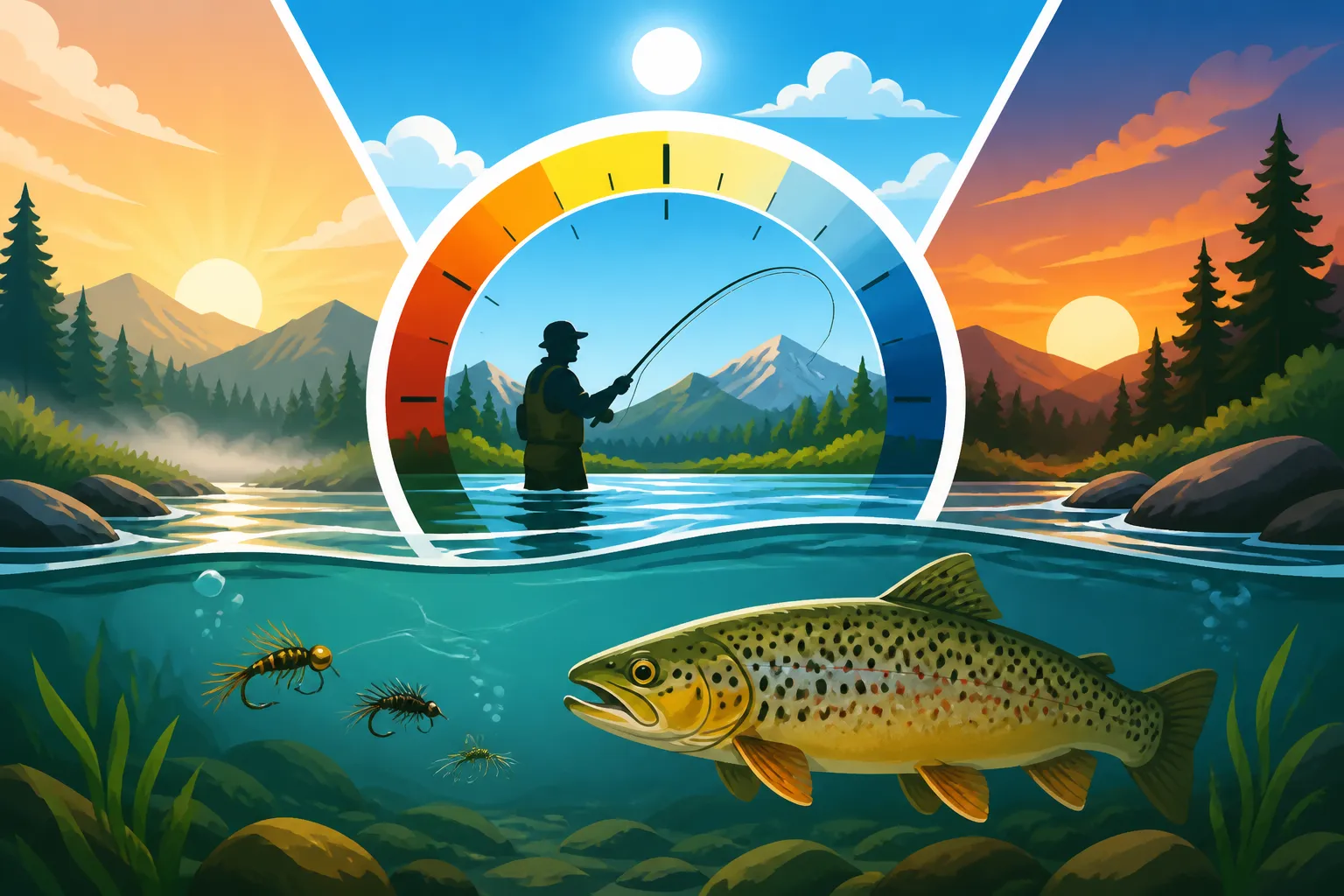
Just like with dry fly fishing, the "golden hours" of early morning and late evening are often prime nymphing times in White Mountains streams, especially during the warmer months. As the sun rises and sets, light levels are lower, making trout feel more comfortable moving out of heavy cover to feed. Water temperatures are also typically at their coolest and most oxygenated during these periods in summer, which energizes the fish.
In the morning, as light begins to penetrate the water, insects often become more active, moving around and dislodging from the streambed, creating a natural drift for trout to intercept. This is when a well-presented nymph can be incredibly effective. Conversely, in the late afternoon and evening, as temperatures drop and the light softens, trout will often go on a final feeding binge before nightfall. This is particularly true if there are evening hatches occurring, with nymphs becoming active and rising through the water column. During these times, focus on the edges of currents, seams, and the heads of pools where trout might be staging to intercept drifting food.
Impact of Weather and Water Conditions
The weather forecast and the actual water conditions of the stream are paramount to nymphing success. A bright, sunny, bluebird day might be great for hiking, but it can make nymphing challenging in clear mountain streams. Trout become incredibly spooky under these conditions, often requiring longer leaders, finer tippets, and more stealthy approaches. They'll hug the bottom or tight to cover.
Conversely, cloudy days can be a nympher's best friend. The reduced light penetration makes trout feel safer and more willing to move and feed throughout the day. Even light rain can be beneficial; it can dislodge insects, add a bit of turbidity to the water (providing cover), and often spark a feeding frenzy. However, heavy rains can quickly blow out a stream, making it unfishable due to high, muddy water and dangerous currents. In these scenarios, it's best to wait a day or two for the water to drop and clear. Pay close attention to the New Hampshire Trout Stocking Report and Map as recent stocking events, often followed by a rain shower, can create excellent nymphing opportunities shortly after. Always prioritize safety, especially when dealing with high water. A good pair of Best Wading Boots for Rocky Streams is essential.
Essential Gear and Techniques for White Mountains Nymphing
Having the right tools for the job can make a world of difference when you're targeting trout in these dynamic mountain environments. It's not just about having a rod, but having the right rod and rigging it appropriately.
Rod, Reel, and Line Selection
For nymphing in White Mountains streams, you're generally looking for a rod that offers a good balance of sensitivity, backbone, and length. A 9-foot, 3- to 5-weight fly rod is a fantastic all-around choice. The extra length (compared to a shorter stream rod) helps with line control, mending, and keeping your line off the water, which is crucial for achieving a drag-free drift with nymphs. A faster action rod can help punch through wind and provide better hook-setting power, while a moderate-fast action can offer more feel for delicate takes. For those specifically interested in Best Fly Rods for New Hampshire Trout Streams, a longer rod like a 10-foot 3-weight is ideal for modern tight-line or Euro nymphing techniques, allowing you to cover more water effectively and keep your leader off the water entirely.
Your reel doesn't need to be a high-end drag monster for trout in these streams; a simple, reliable click-and-pawl or disc drag reel that balances your rod is perfectly sufficient. What's more important is your fly line. For traditional indicator nymphing, a weight-forward floating line that matches your rod weight is standard. However, for tight-line nymphing (often called Euro nymphing), a specialized nymphing line or a thin monofilament leader can greatly improve sensitivity and presentation. These lines are typically much thinner and lighter, allowing for better contact with your nymphs and detecting the subtlest of strikes. You can find excellent options for specialized nymphing lines and components to build your own leaders on Amazon, often at competitive prices.
Recommended Nymph Patterns and Rigging
The effectiveness of your nymphing will largely come down to your fly selection and how you rig them. In White Mountains streams, a diverse box of nymphs is key. You'll want a mix of patterns that imitate the primary food sources. For a more in-depth look at specific patterns, check out Fly Patterns for New Hampshire Trout Streams.
Here's a quick reference for patterns and a table to illustrate seasonal preferences:
- Stoneflies: Pat's Rubber Legs, Girdle Bug, Prince Nymph. These are fantastic searching patterns, especially in higher water or when you want to imitate a large meal. Sizes #8-14.
- Caddis: Green Caddis Larva (e.g., Chartreuse Sexy Walt's Worm, LaFontaine's Sparkle Pupa), Peeking Caddis. Caddis are abundant year-round. Sizes #12-18.
- Mayflies: Pheasant Tail Nymph, Hare's Ear Nymph, Copper John, Squirmy Wormy (especially after rains). These imitate a huge variety of mayfly species. Sizes #12-20.
- Midges: Zebra Midge, Mercury Midge. Often overlooked, midges are a year-round staple, especially in winter and during slow periods. Sizes #18-24.
- Eggs: Glo Bug, Otter's Soft Egg. Essential for fall spawning runs. Sizes #10-14.
- Attractors/Generalists: Squirmy Wormy (yes, it's good enough to mention twice!), San Juan Worm. Sometimes trout just want something juicy and easy.
Seasonal Nymph Pattern Guide for White Mountains Streams
| Season | Primary Nymph Types | Recommended Patterns | Sizes | Notes |
|---|---|---|---|---|
| Spring | Stoneflies, Larger Mayflies, Caddis Larva | Pat's Rubber Legs, Girdle Bug, Prince Nymph, Squirmy Wormy, Pheasant Tail | #8-16 | Focus on heavier patterns to cut through high water. Darker colors often preferred. |
| Summer | Smaller Mayflies, Midges, Caddis Larva, Terrestrials | Copper John, Zebra Midge, Hare's Ear, Pheasant Tail, Small Caddis Larva, Ant/Beetle Nymph | #12-22 | Go smaller and more imitative. Stealth is key in clear, low water. |
| Fall | Stoneflies, Larger Mayflies, Eggs (late fall) | Prince Nymph, Copper John, Hare's Ear, Pheasant Tail, Glo Bug, Otter's Soft Egg | #10-18 | A transition from larger generalists to specific egg patterns as spawning approaches. |
| Winter | Midges, Small Stoneflies, Small Mayflies | Zebra Midge, Tiny Pheasant Tail, Tiny Stonefly Nymphs, Egg Patterns (early winter) | #16-24 | Fish slow and deep. Focus on primary winter food sources. |
When it comes to rigging, the two most common methods are indicator nymphing and tight-line (Euro) nymphing.
Indicator Nymphing: This is the traditional method, using a strike indicator (like a small bobber) to suspend your nymph(s) at a desired depth. It's excellent for fishing deeper pools, slower runs, or when you need to fish multiple nymphs. Typically, you'll use a leader of 7.5 to 9 feet, attach your indicator, then your first nymph, and if desired, a dropper nymph from the bend of the first hook or a separate tag. Add split shot above your first nymph to help get your flies down to the feeding zone. Experiment with the depth and amount of weight until your indicator shows a slight hesitation or dip.
Tight-Line (Euro) Nymphing: This increasingly popular technique involves fishing without a strike indicator, relying on a long leader (often 10-20 feet or more) and direct contact with your flies to detect strikes. It's incredibly effective in faster, shallower runs and riffles where precise depth control and sensitivity are paramount. You'll typically use two or three nymphs of varying weights, tied in tandem, with the heaviest at the bottom to quickly sink the rig. This method requires constant vigilance and a keen eye for subtle line movements, but it can be incredibly rewarding. For this method, a good set of Best Waders for New Hampshire Trout Streams that allow for comfortable movement is highly recommended, as you'll often be actively following your drift.
Ultimately, the "best time" to nymph for trout on White Mountains streams is when you're out there, observing the conditions, and adapting your approach. Mother Nature always has the final say, but with a bit of knowledge and the right gear, you can significantly increase your chances of a successful day on the water.
Disclaimer
The information provided in this guide is for general informational purposes only. Fishing regulations, seasons, and conditions can change rapidly. Always consult the most current New Hampshire Fish and Game Department regulations before heading out on the water. Be aware of private property boundaries and respect the environment. Fishing in certain areas may require specific permits or access rights.