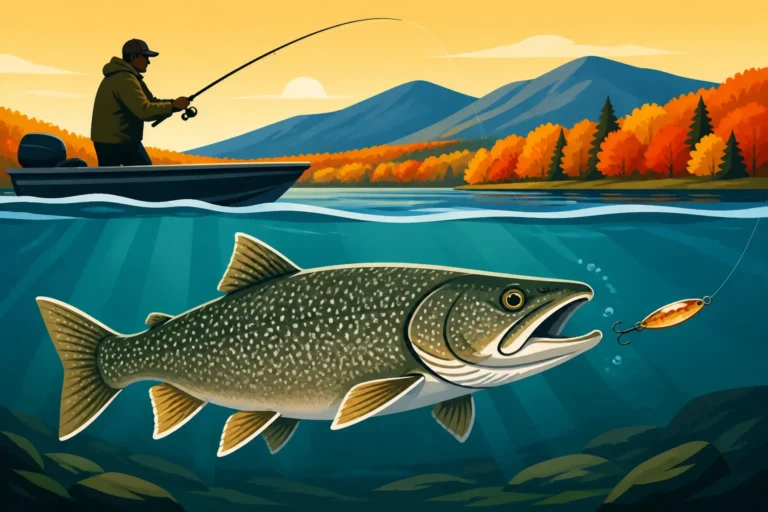
Best time to fish Squam Lake in summer
Trying to figure out the best time to fish Squam Lake in the summer can feel like a real puzzle. You've got the heat, the boat traffic, and fish that suddenly seem to vanish from their usual haunts. It’s frustrating when you head out with high hopes only to come up empty-handed. This guide will walk you through the nuances of summer fishing on Squam Lake, helping you understand fish behavior and identify prime windows of opportunity for a more successful and enjoyable angling experience.
Understanding Squam Lake's Summer Dynamics
Squam Lake, with its stunning clarity and deep, intricate structure, transforms during the summer months. What might work like a charm in spring or fall often becomes a futile exercise under the hot July sun. The key to summer success lies in understanding how the lake itself changes and how these changes influence the fish. It's not just about what time of day you cast, but why that time is important due to the underlying ecological shifts.
Water Temperature and Oxygen Levels
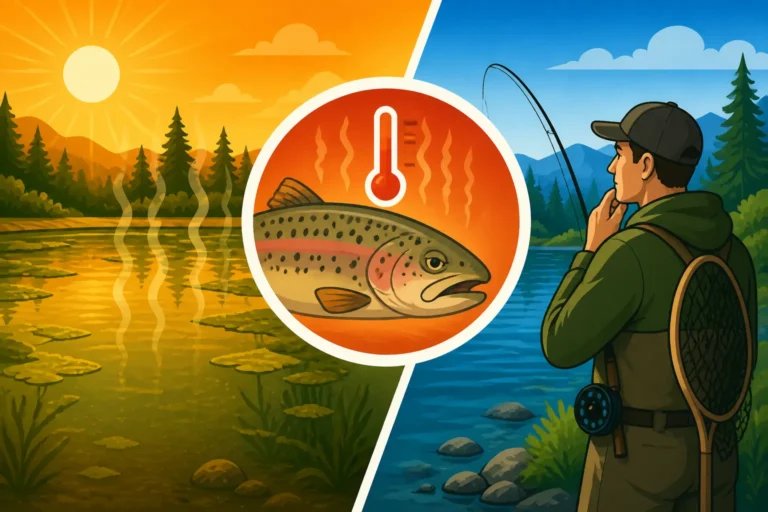
As summer progresses, the surface waters of Squam Lake heat up considerably, sometimes reaching into the high 70s Fahrenheit. While bass might tolerate these warmer temperatures, trout and salmon certainly don't. This creates a phenomenon known as thermal stratification, where the lake essentially divides into layers of differing temperatures. The warmer, less dense water stays on top, while cooler, denser water settles below. Simultaneously, oxygen levels can become depleted in the deepest, coldest layers due to decomposition of organic matter, a process known as anoxia.
This stratification forces cold-water species like landlocked salmon and lake trout into a narrow band known as the thermocline. This is the sweet spot where the water is cool enough to sustain them, but still oxygenated enough to be habitable. Finding this thermocline and fishing within it becomes paramount for these species. For bass and other warm-water species, while they might tolerate warmer surface temps, they often seek refuge in slightly cooler, deeper water or gravitate towards areas with good current or shade during the peak heat of the day to stay comfortable and active.
Forage and Baitfish Movements
The summer months also bring significant changes to the movements and availability of forage in Squam Lake. Smelt, a primary food source for landlocked salmon and lake trout, often move to deeper, cooler waters, following the thermocline. This means if you're targeting these predators, you need to be fishing at the same depths where their food is concentrated. These baitfish schools can be incredibly dense and are often the key to locating feeding fish.
For warm-water species like smallmouth and largemouth bass, their forage also adapts. Crayfish are abundant in rocky areas, and various minnows and panfish are active throughout the shallower bays and around structure. However, the exact locations of these baitfish can shift throughout the day. Early morning and late evening often see baitfish pushing into shallower waters to feed, drawing bass with them. During the bright midday, baitfish might retreat to cover or deeper water, and the bass will follow, making them harder to find without precise knowledge of their hideouts. Understanding these subtle shifts in the food chain is critical to anticipating where the game fish will be.
Morning Glory: Why Early Hours Rule
There’s a reason dedicated anglers are often up before the sun, even in the dead of summer. The early morning hours on Squam Lake offer some of the most consistent and exciting fishing opportunities, especially for bass. It’s a magical time when the lake is calm, the air is cool, and the fish are often at their most active.
Targeting Smallmouth Bass
As a veteran New Hampshire angler, I can tell you that if you want to connect with some solid smallmouth bass on Squam Lake in the summer, your alarm better be set for early. From dawn until about 9 or 10 AM, before the sun gets high and the boat traffic picks up, smallmouth bass often move from their deeper overnight haunts to shallower, rocky structures, points, and humps. They're on the prowl, looking for an easy meal as baitfish become more active. The cooler water temperatures and lower light conditions make them aggressive and less wary.
Topwater lures like poppers, walking baits, and prop baits can be incredibly effective during this window. Imagine the calm surface of Squam, a gentle ripple, and then a sudden, explosive strike on your topwater plug – there’s nothing quite like it! If topwater isn’t producing, switching to soft plastic jerkbaits, Ned Rigs, or tube jigs worked slowly along rocky bottoms can also entice those early risers. Focus on areas with a good drop-off or submerged boulders, where smallmouth can quickly retreat to deeper water as the sun climbs higher. Check out our guide on how to catch Smallmouth Bass in New Hampshire Lakes for more detailed tactics.
Pursuing Largemouth Bass
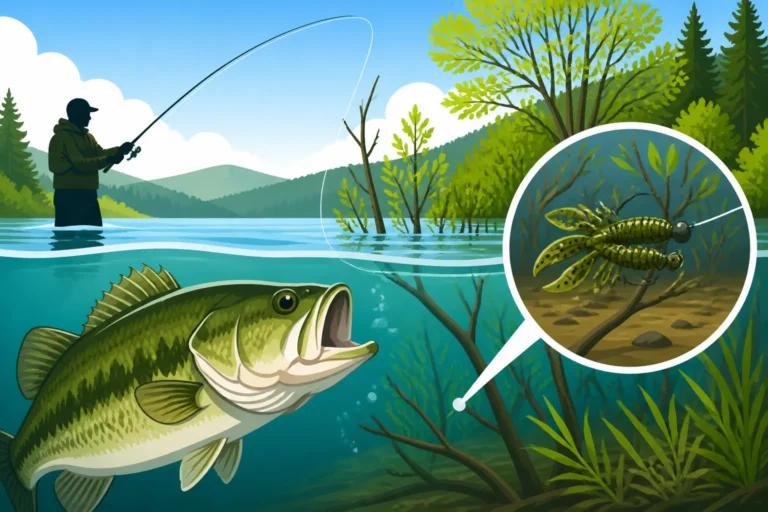
While smallmouth often dominate the conversation on Squam, there are healthy populations of largemouth bass, especially in the shallower, weedier bays and coves. Like their smallmouth cousins, largemouth bass are typically more active in the low-light conditions of early morning. They'll be ambushing prey from beneath lily pads, submerged logs, or dense weed beds. The cooler morning temperatures reduce the water clarity slightly and make them feel more secure in their shallow cover.
This is prime time for pitching and flipping jigs or Texas-rigged soft plastics into dense cover. Work these baits slowly and thoroughly, trying to coax a strike from a hidden lunker. Topwater frogs or hollow-bodied lures are also dynamite over lily pads and matted vegetation, offering exhilarating surface blow-ups. Look for bays on the north or west side of the lake that might get morning shade a bit longer, allowing the largemouth to feed actively for an extended period. Areas with plenty of existing structure and weed growth, such as near Dog Cove or parts of Little Squam, can be particularly productive. For more insights on these chunky fish, read our comprehensive guide on How to Catch Largemouth Bass in New Hampshire.
Evening's Embrace: The Late Day Bite
Just as the sun's first rays ignite a feeding frenzy, its descent often triggers another burst of activity on Squam Lake. The evening hours, from late afternoon into dusk and beyond, provide a cooler, calmer environment that encourages fish to feed once more.
Post-Sunset Opportunities
As the sun dips below the horizon and the oppressive heat of the day dissipates, Squam Lake breathes a sigh of relief, and so do the fish. The water surface cools, boat traffic diminishes, and the overall atmosphere becomes quieter. This transition period, especially from about an hour before sunset into the twilight, can be incredibly productive. Smallmouth bass will often return to shallower points and rocky shorelines for a final feeding spree before settling into their deeper nighttime resting spots.
This is another excellent opportunity for topwater lures, as the reduced light makes them less visible to the fish, allowing for more aggressive strikes. Buzzbaits, large poppers, and even walking baits can draw explosive bites as bass capitalize on the fading light. If topwater doesn’t work, switching to spinnerbaits or crankbaits that create a lot of vibration and flash can be effective, especially in areas where baitfish might be congregating near the surface. Don't be afraid to fish right up until full darkness, as some of the biggest smallmouth can be caught in the low light of dusk.
The Deep Water Game
For cold-water species like landlocked salmon and lake trout, the late afternoon and evening offer a different kind of opportunity. While they remain in the thermocline throughout the day, the change in light intensity can sometimes trigger a feeding window. This is when your trolling gear comes into play. Focusing on depths between 30 and 60 feet, where the thermocline often settles, can yield results.
Using downriggers or lead core line to present spoons, stickbaits, or live smelt at precise depths can be effective. Brands like Amazon offer a wide selection of these specialized trolling baits. As darkness truly sets in, some anglers even find success trolling larger, glow-in-the-dark lures, as the deep water becomes completely dark. Pay close attention to your fish finder during these hours; if you see schools of baitfish or arches near the thermocline, you're in the right zone. Our guide on Landlocked Salmon Fishing in New Hampshire offers more insights into chasing these elusive fish.
Midday Challenges and Strategies
Fishing Squam Lake in the blazing midday sun can be tough, no doubt about it. Many anglers pack it in during these hours, but if you're determined or simply can't get out at prime times, there are still ways to find success. It just requires a different approach and a bit more persistence.
Beating the Heat and the Sun
When the sun is high and the water is warmest, fish generally seek refuge. For smallmouth and largemouth bass, this means moving to deeper water, finding shade, or burying themselves in dense cover. Focus your efforts on deep structure: submerged humps, rock piles, sudden drop-offs into deeper basins, or points that extend far into the lake. Look for any available shade, such as under docks, overhanging trees, or even large boulders.
Slowing down your presentation is crucial. Finesse techniques like drop-shotting, Carolina rigging, or working deep-diving crankbaits become very effective. Present your baits directly to the fish, keeping them in the strike zone longer. Remember, these fish are often less active and won't chase a fast-moving lure far. For cold-water species, the midday sun simply means they’re hunkered down even tighter in the thermocline. Continue your deep trolling efforts, making sure your lures are precisely at the preferred temperature and oxygen levels. A good fish finder is your best friend during these hours, helping you locate both structure and fish. Many excellent models can be found on Amazon, ranging from entry-level to advanced.
Exploring Unique Habitat
Midday is also an excellent time to explore unique and often overlooked habitats. For bass, consider areas with submerged timber or large weed beds that provide both cover and slightly cooler water. These areas might be harder to fish, but they can hold some of the lake's biggest, most wary fish. Jigging through heavy cover with weedless presentations can yield surprising results.
For those seeking panfish like yellow perch or black crappie, look for deeper edges of weed beds or brush piles in slightly deeper water. These fish often school up and can provide consistent action, even in the middle of the day, making them a great option for family fishing or when the bass bite is slow. Chain pickerel, being ambush predators, will still hide in dense vegetation, ready to dart out for a meal, so throwing a spinnerbait or a spoon near the edges of weed lines can be productive. Don't discount fishing around the numerous islands on Squam Lake, as their varied structures and shadows can hold fish at different depths throughout the day.
Species-Specific Summer Strategies
Squam Lake is home to a diverse array of fish, and what works for one species might not be ideal for another, especially in the heat of summer. Tailoring your approach to your target species will significantly increase your chances of success.
Landlocked Salmon Tactics
Summer salmon fishing on Squam Lake is primarily a deep-water trolling game. These beautiful, hard-fighting fish are extremely sensitive to water temperature and will relentlessly pursue smelt. As the lake stratifies, salmon follow the smelt into the cooler, oxygenated water of the thermocline. This usually means depths ranging from 30 to 60 feet, but can vary depending on the year and specific weather patterns.
Precision trolling is key. You'll need equipment like downriggers, lead core line, or heavy sinkers to get your lures to the exact depth where the salmon are feeding. Small spoons, like those from Mooselook or Sutton, in silver, blue/silver, or green/silver patterns are classic choices that imitate smelt. Stickbaits from Rapala or similar brands can also be very effective. Live smelt, if legally obtained and used according to New Hampshire fishing regulations, are often the most irresistible bait. Pay attention to your boat speed; a slow, consistent troll (typically 1.5 to 2.5 mph) is usually best. Watching your fish finder for bait balls is critical, as salmon will be close by. For more specific guidance on these magnificent fish, check out our in-depth article, Best Time of Day to Catch Landlocked Salmon.
Other Panfish and Pickerel Opportunities
While bass and salmon often get the spotlight, Squam Lake offers fantastic opportunities for panfish and chain pickerel, especially during the summer. These species can provide consistent action throughout the day, making them perfect targets for beginner anglers or those looking for a relaxed outing.
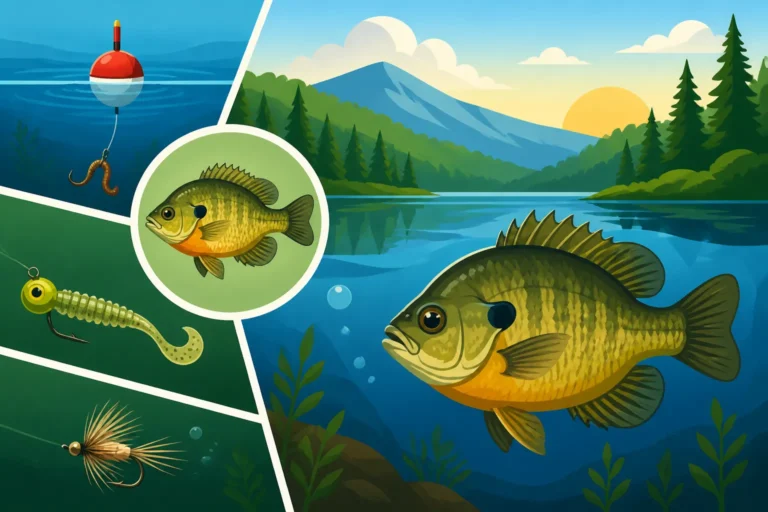
- Yellow Perch: These schooling fish are abundant in Squam. Look for them around deeper weed lines, submerged structures, or near the bottom in 15-30 feet of water. Small jigs tipped with a piece of worm, tiny spoons, or even just a bobber and a worm will usually do the trick. They bite readily and are excellent table fare.
- Black Crappie: Crappie tend to suspend around submerged brush piles, docks, or standing timber. They often move in schools. Small jigs, particularly those with soft plastic bodies, fished under a bobber or slowly retrieved can be very effective. Finding one crappie usually means finding several.
- Chain Pickerel: These aggressive predators are found in and around dense weed beds, lily pads, and shallow bays. They'll readily strike spinnerbaits, spoons, or even live minnows. While not known for their eating quality by some, they offer exciting strikes and a good fight. Using a wire leader is highly recommended due to their razor-sharp teeth.
Fishing for these species often doesn't require specialized gear beyond a light spinning rod, making it accessible for everyone.
Here's a quick reference table for summer Squam Lake fishing:
| Species | Prime Time (Summer) | Depth Range | Recommended Lures/Baits | Key Strategy |
|---|---|---|---|---|
| Smallmouth Bass | Early Morning, Evening | 10-30 ft (structure) | Topwater, Jigs, Tubes, Drop-shots, Crankbaits | Focus on rocky points, humps, deep structure |
| Largemouth Bass | Early Morning, Evening | 5-15 ft (cover) | Jigs, Texas Rigs, Frogs, Spinnerbaits, Chatterbaits | Target weed beds, lily pads, docks, submerged timber |
| Landlocked Salmon | All Day (Theromcline) | 30-60 ft (thermocline) | Spoons, Stickbaits, Live Smelt | Precision trolling with downriggers/lead core |
| Yellow Perch | All Day | 15-30 ft (structure) | Small Jigs, Worms, Small Spoons | Locate schools near deeper weeds or submerged brush |
| Black Crappie | All Day | 10-25 ft (suspending) | Small Jigs, Minnows | Fish around brush piles, docks, standing timber |
| Chain Pickerel | All Day | 5-15 ft (cover) | Spinnerbaits, Spoons, Live Minnows (with wire leader) | Cast into dense weed beds and lily pads |
Essential Gear for Summer Squam Lake Fishing
Having the right gear can make all the difference between a frustrating day and a fantastic one, especially when you're adapting to summer conditions on a diverse lake like Squam. You don't need to break the bank, but having appropriate tools for the job is crucial.
Rods, Reels, and Line Choices
For bass fishing, a good medium-heavy spinning or baitcasting rod (6'6" to 7'6") is versatile enough for most techniques. Pair it with a reliable spinning reel (2500-3000 size) or a baitcaster that handles lighter lures well. Spool up with 10-15 lb braided line with a fluorocarbon leader (8-12 lb) for sensitivity and abrasion resistance. The fluorocarbon is nearly invisible in Squam's clear waters, which is a huge advantage for spooky fish. You can find excellent rod and reel combos for a variety of budgets on Amazon, often bundled for convenience.
When trolling for salmon and lake trout, you'll need specialized gear. A medium-action trolling rod (7-9 feet) with a sturdy conventional reel spooled with either monofilament (15-20 lb) or lead core line is standard. If you're using downriggers, a shorter, more stout rod with a sensitive tip is preferable to detect subtle bites. For the clear water, a long fluorocarbon leader (10-20 feet of 8-12 lb test) between your main line and lure is essential for stealth.
For panfish and pickerel, a light to ultralight spinning rod (5-6'6") with a small spinning reel (1000-2000 size) spooled with 4-6 lb monofilament or braided line is perfect. This setup makes even a modest panfish feel like a trophy and is sensitive enough to detect light bites.
Lure Selection for Summer Success
Your tackle box for summer Squam Lake fishing should be diverse, reflecting the varied species and conditions you might encounter.
For smallmouth bass, include an assortment of topwater lures (poppers, walking baits), soft plastics (tube jigs, Ned Rigs, senkos, creature baits), deep-diving crankbaits (for midday), and maybe some jerkbaits. Colors that mimic crayfish (browns, greens, oranges) or baitfish (silver, white, clear) are usually effective.
For largemouth bass, focus on weedless presentations. Stock up on jigs (black and blue, green pumpkin), Texas-rigged worms and creature baits, hollow-bodied frogs, and spinnerbaits (white, chartreuse).
Landlocked salmon and lake trout will hit small spoons (silver, blue/silver, green/silver, orange), stickbaits (smelt patterns), and live smelt (check regulations). For deep jigging lake trout, heavy spoons or tube jigs can also work.
For panfish, keep a variety of small jigs (1/32 to 1/8 oz) in bright colors like chartreuse, pink, or white, along with tiny spinnerbaits and a good supply of worms. For pickerel, larger spoons (silver, gold, five of diamonds) and white or chartreuse spinnerbaits are excellent choices. Remember a wire leader for pickerel to prevent bite-offs!
Always have a few essential tools on hand: pliers for hook removal, line cutters, a measuring tape, and a good landing net. These seemingly small things can make a big difference in the efficiency and success of your outing. For general fishing, a quality Best Tackle Box Setup for New Hampshire Anglers is a must.
Navigating Squam Lake and Respecting its Ecosystem
Squam Lake is a truly special place, and enjoying its fishing opportunities comes with the responsibility of preserving its natural beauty and fragile ecosystem. Understanding how to navigate safely and fish responsibly ensures that Squam remains a cherished destination for generations to come.
Public Access and Boating Considerations
Squam Lake offers several public access points, with public boat launches available for those bringing their own vessels. One of the primary access points is the Squam Lake Public Boat Launch located off US Route 3 in Holderness. It’s a busy spot, especially on summer weekends, so planning for early arrival is often a good idea. Another popular spot is the Chamberlain Reynolds Memorial Forest, which offers public access and trails, though primarily for kayaks and canoes. For those interested in non-motorized options, our guide on Best Kayak Fishing Spots in New Hampshire might offer more insights.
Squam Lake can get very busy with recreational boaters, particularly during July and August. Always be mindful of other boaters, swimmers, and kayakers. The speed limit is often reduced in certain areas, and no-wake zones are strictly enforced near shorelines and in smaller coves. Familiarize yourself with New Hampshire Boating Laws for Anglers, as regulations on speed, life jackets, and boat registration are crucial for safety and compliance. A personal floatation device (PFD) is not just a good idea, it's often legally required. Our article on Life Jacket Requirements for New Hampshire Boaters can help you understand the specifics. On a busy summer day, opting for a kayak with a quiet electric trolling motor, like one you might find on Amazon, can provide a peaceful and effective way to navigate shallower, less crowded areas.
Conservation and Responsible Angling
Squam Lake is renowned for its pristine waters and diverse fishery, making conservation efforts paramount. Always practice catch-and-release, especially for larger breeding fish, if you don't intend to keep them for a meal. Handle fish gently, minimize their time out of water, and use proper de-hooking tools to ensure their survival. Being mindful of sensitive spawning areas, though typically not an issue in summer, is always a good habit.
Adhere strictly to all New Hampshire fishing regulations, including bag limits, length limits, and season dates for all species. These rules are in place to protect fish populations and ensure sustainable fishing for the future. Report any suspicious activity or environmental concerns to the New Hampshire Fish and Game Department. Keep the lake clean by packing out everything you pack in, and perhaps even picking up a piece of litter or two you find along the way. By respecting the lake and its inhabitants, we all contribute to keeping Squam Lake a world-class fishing destination.
Disclaimer
Please note that fishing regulations, conditions, and fish behavior can change. Always consult the latest New Hampshire Fish and Game Department regulations before heading out on the water. This guide is for informational purposes only and does not guarantee fishing success.