Wading Techniques for New Hampshire Trout Streams
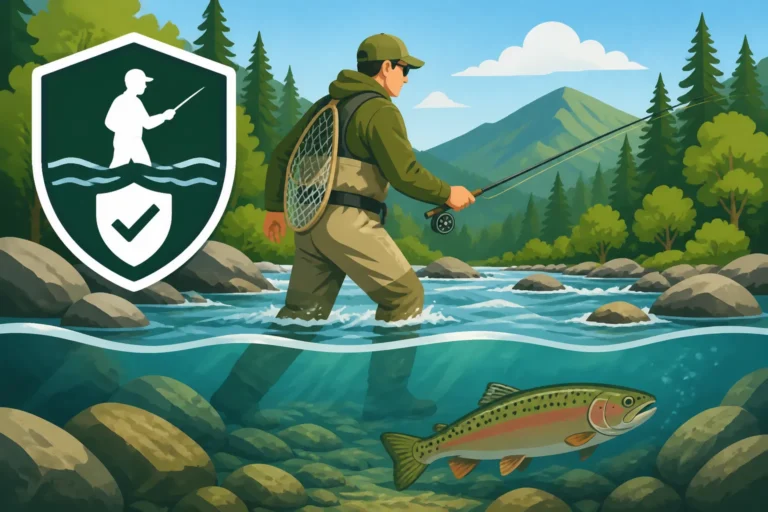
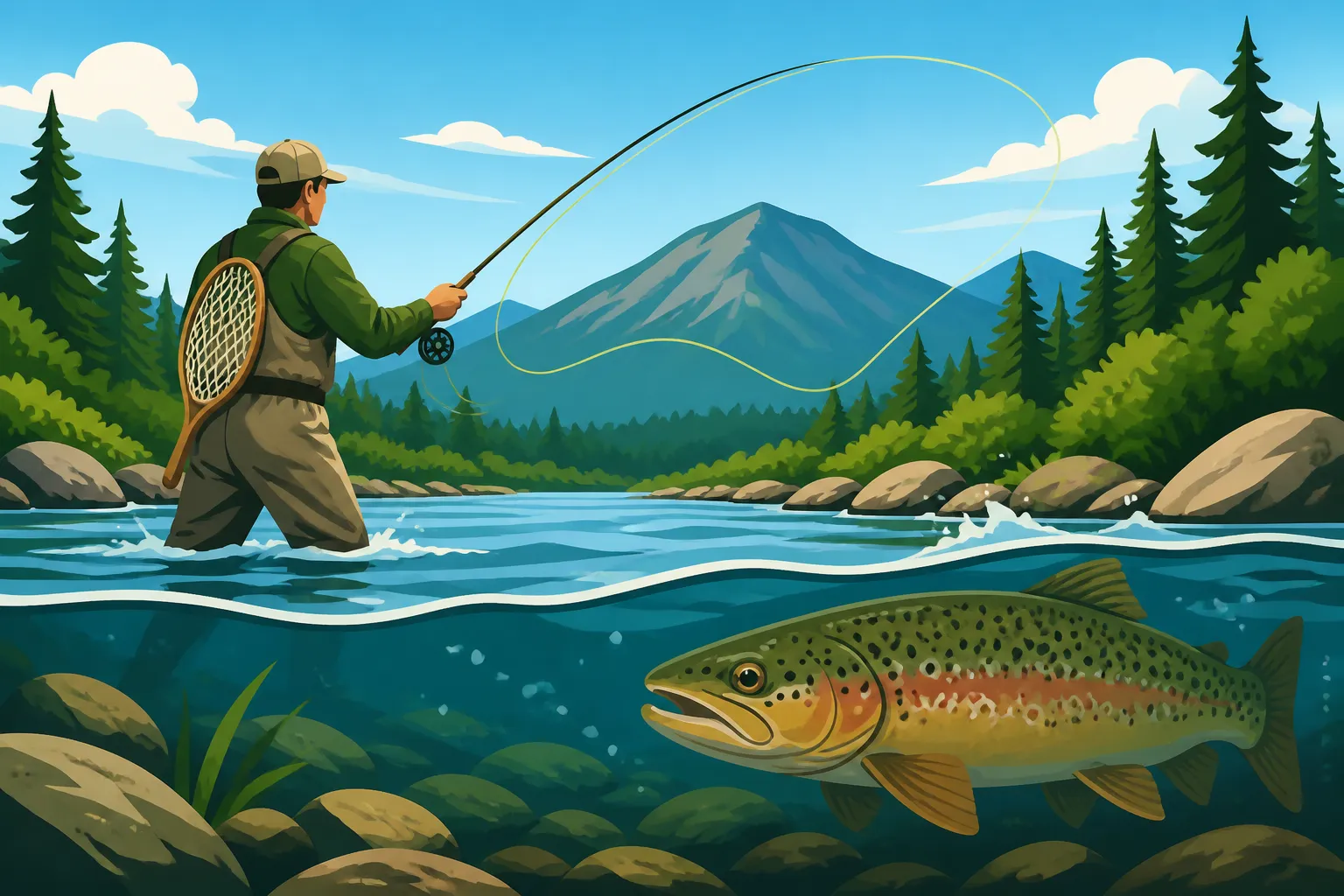
There's nothing quite like the feeling of stepping into a brisk New Hampshire trout stream, the cool current swirling around your legs as you seek out that perfect lie where a wily brook trout might be holding. But let's be honest, those moments of serenity can quickly turn into a heart-pounding scramble if you're not confident in your wading. Navigating the unpredictable bottoms and currents of our beloved Granite State rivers can be daunting, leading to slips, soaks, and sometimes, even lost gear or injuries. This guide is all about equipping you with the knowledge and techniques to wade New Hampshire trout streams safely, effectively, and with the confidence of a seasoned angler, helping you unlock more water and, hopefully, more fish.
The Essentials of Safe Wading for New Hampshire Trout Streams
Before you even think about casting a line, understanding the fundamentals of safe wading is paramount. New Hampshire's trout streams, from the smallest mountain brook to larger rivers like the Pemigewasset, present a unique set of challenges that demand respect and preparation. It's not just about staying dry; it's about staying safe.
Understanding Stream Dynamics and Hazards
Every stream has a personality, and New Hampshire's diverse waterways are no exception. What looks like a calm stretch of water from the bank can harbor hidden dangers beneath the surface. You've got to become a student of the river, understanding how water moves and what lies beneath.
First, consider the current. Faster water, especially in deeper sections, exerts immense pressure. It's not just about pushing you over; it can make it incredibly difficult to lift your feet, affecting your balance. Rivers like the Ellis and Swift, especially after a spring rain or snowmelt, can really surge. Always be aware of the "wading staff rule": if the current is strong enough to push your staff over, it's probably too strong to wade safely. You'll often find that the fastest currents are in the deepest part of the channel, but don't underestimate the power of seemingly shallower, swift sections. Eddies and slower pockets behind boulders might look inviting, but the currents around them can be unpredictable, creating swirling forces that can trip you up.
Then there's the bottom structure, which is arguably the biggest variable. New Hampshire streams are a mix of everything: smooth, water-worn bedrock; loose, rolling gravel; slippery algae-covered rocks; and treacherous "greased bowling balls" – those round, polished stones that offer absolutely no traction. Sometimes, you'll encounter soft, silty bottoms near slower pools or banks that can create a suction effect, making it hard to lift your feet. Understanding that these conditions can change drastically within just a few yards is crucial. A smooth gravel bar might lead directly into a patch of mossy boulders. Always assume the worst and probe the bottom with your feet or a wading staff before committing your weight.
Hidden obstacles are another major concern. Submerged logs, branches, old fishing line, or even unexpected drop-offs can turn a pleasant wade into a nightmare. Many of our streams run through forested areas, so fallen timber is a common sight. Keep an eye out for changes in water surface texture that might indicate submerged structure or depth changes. Sometimes, a subtle ripple or an unusually calm patch of water can be a clue. I've learned the hard way that a little caution goes a long way.
Proper Wading Gear: More Than Just Waders
Your gear is your first line of defense against the elements and hazards of a trout stream. Skimping here isn't just uncomfortable; it can be dangerous. Think of your wading setup as a carefully designed system, not just a collection of random items.
Let's start with the most obvious: waders. Breathable chest waders are the standard for New Hampshire trout fishing, offering flexibility, comfort, and protection from the cold water that persists even in summer. Brands like Simms, Orvis, and Redington offer excellent options that are durable and designed for serious angling. While you can find budget-friendly waders, remember that you often get what you pay for in terms of durability and comfort. If you're planning on a lot of stream time, investing in quality pays off.
Next are your wading boots, and these are, in my opinion, the most critical piece of wading gear. Good boots provide ankle support, protecting against twists and sprains on uneven terrain. More importantly, they offer superior traction. Felt soles were once the go-to for their grip on slick rocks, but many areas now restrict or ban felt due to concerns about spreading invasive species. Rubber soles with aggressive tread patterns are excellent, especially when combined with carbide-tipped wading studs. These studs literally bite into slippery surfaces, providing a level of confidence you wouldn't believe. I personally rely on my stud-equipped Best Wading Boots for Rocky Streams to keep me upright in almost all conditions. You can find a wide range of options on Amazon, and reading reviews from fellow anglers who fish similar conditions is always a good idea.
And then there's the unsung hero of wading: the wading staff. This isn't optional; it's essential, especially if you're venturing into unfamiliar waters or have any doubts about your balance. A collapsible wading staff can be quickly deployed and stowed, providing a crucial third point of contact with the stream bed. It helps you maintain balance, probe depths, and test for stability before you commit your full weight. I wouldn't step into a fast-flowing river without mine, and neither should you. It's a lifesaver, literally. Don't underestimate its value, especially when you're trying to figure out if that next step will lead to a shallow gravel patch or a sudden drop-off.
Finally, think about your clothing layers. Even with breathable waders, you'll be exerting yourself, and temperatures can vary. Quick-drying synthetic layers are best, allowing you to regulate your body temperature. A good Best Rain Gear for New Hampshire Anglers is also a smart addition for those unexpected Granite State showers. And a good pair of polarized sunglasses will help you read the water, spot fish, and see submerged obstacles more clearly.
Here's a quick checklist of essential wading gear:
| Item | Key Feature/Benefit | Notes |
|---|---|---|
| Chest Waders | Waterproof, breathable, full coverage | Choose durable, comfortable material. |
| Wading Boots | Ankle support, superior traction | Rubber soles with studs highly recommended. Check local regulations on felt. |
| Wading Staff | Third point of contact, balance, depth probing | Collapsible for easy storage and deployment. |
| Wading Belt | Safety (prevents water filling waders), comfortable fit | Essential for chest waders; should be snug. |
| Layered Clothing | Moisture-wicking, quick-drying synthetics | Adjust to weather; avoid cotton. |
| Polarized Sunglasses | Reduces glare, helps see bottom and fish, eye protection | Amber, copper, or gray lenses work best for varying light. |
| Hat | Sun protection, glare reduction | Essential for sun and eye comfort. |
Mastering Wading Techniques for New Hampshire Waters
Once you have the right gear, it's time to talk about how you actually move through the water. Wading isn't just walking; it's a deliberate, calculated movement that prioritizes balance, stability, and safety. Developing good technique will make your time on the water more enjoyable and productive, and drastically reduce your chances of taking an unplanned swim.
The Shuffle, the Cross-Step, and the Reverse
There are three primary movements you'll employ when wading: the shuffle, the cross-step, and the reverse. Each has its place, and knowing when and how to use them is key to confident movement.
The shuffle is your go-to for most wading scenarios, especially when moving forward or slightly diagonally. Instead of lifting your feet high, you slide or "shuffle" them along the bottom. This keeps your weight low, maintains constant contact with the stream bed, and helps you feel for obstacles or changes in depth without committing your full weight. Imagine you're ice skating or shuffling through deep snow. It's a slow, deliberate process, but it minimizes the risk of stepping into a hole or onto a slippery rock. When shuffling forward, lean slightly into the current, distributing your weight to maintain stability. Your wading staff should be deployed, probing the water ahead and providing a third point of balance. This is especially useful in areas with moderate current and unknown bottom compositions, which you'll encounter on many of our streams like the Contoocook or Merrimack.
The cross-step is used for traversing the stream or moving significantly across the current. Here, you'll plant one foot firmly, then bring the other foot across your body, placing it down carefully before shifting your weight. This creates a wider base of support and helps you maintain balance against the lateral force of the current. Always lead with your upstream foot when crossing. For example, if you're crossing from left to right (facing upstream), your left foot should be upstream. Plant your left foot, then bring your right foot across and plant it firmly before moving your left. This creates a barrier against the current and helps maintain your balance. Avoid turning your back to the current, as this significantly increases your risk of losing balance. Again, your wading staff is invaluable here, acting as an additional anchor point. When crossing a faster section of the Saco River, for instance, a controlled cross-step with your staff will be far safer than trying to power through.
Finally, the reverse is for retreating from a situation that's too deep, too fast, or too treacherous. Never turn around and walk downstream with the current pushing your back. Instead, backpedal using the shuffle technique, facing upstream, or at least quartering to the current. This allows you to see the path you've already traversed and feel for stable footing. If you've waded out into a river and suddenly find yourself in over your head or in a current too strong, resist the urge to panic and spin around. Slowly shuffle backward, maintaining your low center of gravity and using your wading staff to brace yourself. It's much safer to slowly retreat than to try and force a dangerous crossing. I've often had to back out of spots on the Pemigewasset River when the current was just too strong, and a controlled reverse saved me from a dunking.
Reading the Water for Wading Opportunities
Experienced anglers aren't just looking for fish; they're constantly reading the water for safe passage. The river tells a story if you know how to listen, or in this case, how to observe. Understanding hydraulics, depth, and substrate changes can guide your wading decisions.
Look for areas where the current is slower. These typically include the inside bends of a river, eddies behind large boulders or logs, and wider, shallower sections often referred to as "flats" or "riffles." Riffles, those bubbly, broken-water sections, often indicate shallower, oxygenated water where fish hold and wading can be easier. However, the broken surface can also hide slippery rocks, so still proceed with caution. The transition zones between riffles and deeper pools are often good wading spots, offering a relatively stable bottom before dropping off into deeper water.
Pay close attention to the color and clarity of the water. Darker water often indicates deeper sections, while lighter, clearer water can suggest shallower depths, especially over light-colored gravel or sand. If you can see the bottom, that's a huge advantage, as you can pick your path more easily. However, don't let clear water lull you into a false sense of security; rocks can still be incredibly slick, and even a small drop-off can be jarring.
Surface ripples and boils can be excellent indicators. A smooth, glassy surface in what appears to be a fast-moving section can indicate deep, powerful current. Conversely, a section with small, consistent ripples might suggest a uniform, shallower depth with less intense current, making it more wadeable. Heavy boils or chaotic white water often signal significant underwater obstructions, powerful hydraulics, or deep, turbulent flows that are best avoided when wading.
Always scan downstream before you commit to a crossing or a long wade. What happens if you fall? Are there immediate dangers like waterfalls, large rapids, or log jams? Is there an easy exit point on the bank? Knowing your escape route or what hazards lie downstream can help you make a smart decision about whether to wade a particular section at all. Remember, it's always better to walk around a difficult section on the bank than to risk a dangerous fall. Many of the smaller, wilder streams in the White Mountains require a lot of bank walking and careful scouting before wading.
Navigating Different Stream Environments in New Hampshire
New Hampshire offers an incredible variety of trout streams, each with its own character and challenges. From the boulder-strewn rivers of the White Mountains to the gentler, sandy-bottomed flows of the southern parts of the state, you'll encounter different environments that demand adaptable wading strategies.
Rocky Bottoms and Fast Currents
The quintessential New Hampshire trout stream, especially in the northern and western parts of the state, often features a bottom dominated by rocks, boulders, and gravel. Add in a healthy current, and you've got a recipe for challenging but rewarding wading. These conditions are common on rivers like the Connecticut River tributaries, the upper Merrimack, and many smaller mountain brooks.
When faced with large, stable boulders, use them to your advantage. Step onto the top of them if they're flat and wide enough, taking advantage of their stability. However, be wary of their sides, which are often slick with algae or moss. Probe around them with your wading staff to find the path of least resistance. Small gaps between boulders can create powerful funnels of current, so be careful not to get your foot wedged.
In areas with a mix of gravel and smaller rocks, the bottom can shift under your weight. The "shuffle" technique is crucial here, allowing you to feel for solid footing without lifting your foot entirely. Lean slightly into the current, keeping your center of gravity low. If the current is truly swift, facing slightly upstream and taking small, deliberate steps is the safest approach. Your wading staff should be consistently probing downstream from your lead foot to detect any sudden drops or unstable rocks. This method of slow, deliberate movement is often key when navigating areas like the Israel River or sections of the Wild Ammonoosuc.
Sometimes, the fastest currents are paradoxically the shallowest. These "skinny water" rapids can be deceptively powerful. While the depth might seem inviting, the force of the water can easily sweep your feet out from under you. Always test the current's strength with your staff. If it feels like it's pulling hard, consider finding an alternative path, or choose a wider, more braided section of the river where the current is dispersed.
Muddy Banks and Slippery Substrates
Not all New Hampshire trout streams are defined by rocks and rapids. Some, particularly in flatter, more agricultural or lowland areas, might have softer, muddier banks and bottoms. These environments present their own unique set of challenges. Think about some of the slower, winding sections of rivers in central or southern New Hampshire, or certain stocked ponds with stream inlets.
Muddy banks are notorious for being unstable and incredibly slick. The first rule is to avoid them whenever possible. If you must use them for access, wear appropriate footwear that extends above your ankles and provides good grip, even before you get into your waders. When wading into or out of a muddy bank, try to find areas with vegetation or exposed roots that offer a bit more purchase. Avoid steep, undercut banks, as they can easily crumble under your weight.
Soft, silty bottoms, often found in calmer pools or slower stretches, can create a suction effect that makes lifting your feet difficult. The shuffle technique is still the best approach here, but instead of sliding, you're more gently pressing your foot down and then easing it forward. Be mindful not to get bogged down. If you feel yourself sinking too much, try to find a firmer path by moving closer to the main current channel, which often has a harder bottom, or by seeking out exposed gravel bars.
Algae-covered rocks, often referred to as "snot rocks," are perhaps the most treacherous of all wading hazards. They offer zero traction and can send you sprawling faster than anything else. You'll find these in both rocky and silty streams, often in slower currents or shaded areas. Your best defense against these is a good pair of wading boots with aggressive rubber soles and carbide studs. Without studs, these rocks are almost unwadeable. If you encounter a patch of them, try to identify a path through cleaner, less-slick rocks, or consider exiting the water and walking around the section. This is where Best Wading Staff for Fast Current also comes in handy, allowing you to brace yourself and minimize contact with these slick surfaces.
Ethical Angling and Stream Preservation While Wading
As anglers, we're guests in these incredible natural environments, and it's our responsibility to leave them as pristine, or even better, than we found them. Wading, by its very nature, involves direct interaction with the stream, and a conscious effort must be made to minimize our impact on the fish, their habitat, and the experience of others.
Minimizing Your Impact on Fish and Habitat
Every step you take in a stream has the potential to disturb the ecosystem. Fish eggs, especially those of wild trout like our native Brook Trout: New Hampshire's Native Trout, are often laid in gravel beds during spawning season (typically fall for brookies and browns, and spring for rainbows), and can be easily crushed by careless wading. Even when eggs aren't present, disturbing the substrate can displace aquatic insects, which are the primary food source for trout.
To minimize your impact:
- Wade only when necessary: Sometimes, the best path is on the bank. If you can access a fishing spot without entering the water, or if a particular section is too sensitive (e.g., known spawning redds, very shallow areas with juvenile fish), choose to walk around.
- Shuffle, don't stomp: The shuffling technique not only enhances your safety but also minimizes disturbance to the stream bed. Lifting your feet high and stomping down creates more turbidity and disrupts more bottom organisms.
- Avoid redds: Learn to identify trout redds – typically clean, swept-out areas of gravel in shallower, flowing water. These are vital for reproduction, and stepping on them can destroy an entire year's worth of fish. Avoid wading through them at all costs, especially during fall and early winter when brook trout and brown trout are spawning.
- Stay in the main flow path: Whenever possible, stick to the paths of least resistance that minimize trampling delicate stream-side vegetation. This also usually means staying in areas with harder bottoms, causing less disruption.
- Practice Catch and Release with care: If you're wading and catch a fish you intend to release, try to land it quickly and keep it in the water as much as possible. A Best Landing Net for Trout with rubberized mesh is excellent for this, protecting the fish's slime coat and fins.
Being mindful of our footprint helps ensure that future generations of anglers can enjoy the same healthy streams and robust trout populations that we do today. It's a small price to pay for the privilege of fishing these beautiful waters.
Respecting Private Property and Access Points
New Hampshire has a mix of public and private land, and understanding access rights is crucial for responsible angling. While the public generally has the right to navigate and fish in navigable waters, accessing those waters often requires crossing private land.
- Know your access points: Always use designated public access points, such as those found in state parks, wildlife management areas, or public boat launches. The New Hampshire Fish and Game Department offers maps and resources that can help you identify legal access. Always consult the Reading the New Hampshire Freshwater Fishing Digest for specific access rules and regulations.
- Respect "No Trespassing" signs: If a property is clearly marked, do not enter. Period. Even if the stream itself is public, the land around it may not be. Trespassing not only creates a bad reputation for anglers but can also lead to legal trouble.
- Be a good neighbor: If you're accessing a stream near private residences, be quiet, park respectfully, and avoid leaving trash. A simple nod or "hello" to a landowner can go a long way in fostering positive relationships and preserving access for everyone. Remember that for many residents, their property is their sanctuary, and we want to respect that.
- Understand shore fishing vs. wading: On some waters, shore fishing might be permitted even if wading across private property is not. Always clarify the specific rules for the waterbody you plan to fish. This is particularly relevant when you're exploring Best Shore Fishing Spots in New Hampshire.
- Leave no trace: Pack out everything you pack in, and if you see any trash left by others, consider picking it up. Our actions collectively impact how landowners and the public view anglers. Keeping our streams clean is a shared responsibility.
By adhering to these ethical guidelines, we not only protect the environment but also ensure that the joy of wading New Hampshire trout streams remains accessible for all who cherish them.
Advanced Wading Tips and Scenarios
Sometimes, the conditions on New Hampshire's trout streams throw us a curveball. Knowing how to adapt your wading techniques to different water levels and being prepared for unexpected situations can be the difference between a successful outing and a miserable one.
Wading in High Water vs. Low Water
Water levels in New Hampshire streams can fluctuate dramatically depending on rainfall, snowmelt, and even dam releases. Each condition presents unique wading considerations.
High Water (Spring Runoff or Post-Rain): When streams are running high and fast, such as during spring runoff on the Androscoggin or after a significant summer storm, wading becomes inherently riskier.
- Increased Current Strength: The primary challenge is the sheer force of the water. Even seemingly shallow areas can have currents strong enough to knock you off your feet. Always assume the current is stronger than it looks.
- Turbidity and Debris: High water often means muddy, turbid conditions, making it impossible to see the bottom. This dramatically increases the risk of stepping into holes or onto unstable obstacles. There's also usually more floating debris, which can tangle your line or even hit you.
- Decision to Stay Out: The most crucial decision in high water is often to not wade at all. If the water is above your knees and moving swiftly, or if the visibility is poor, it's generally best to stay on the bank or find a different, calmer body of water. Fishing from the bank or from a small craft might be a safer option. Check the New Hampshire Fishing Seasons by Month to get a sense of typical flow patterns.
- Extreme Caution: If you do decide to wade in moderately high water, use your wading staff constantly, take extremely small, shuffling steps, and always quarter to the current. Never cross a section where the water is above your waist. Look for braided sections or wide flats where the current is dispersed and shallower.
Low Water (Late Summer/Early Fall Droughts): Conversely, late summer and early fall can bring significantly lower water levels, especially during drought conditions. While seemingly safer, low water has its own set of challenges.
- Exposed Obstacles: Rocks and hazards that were previously submerged might now be exposed. While this can make wading easier in some respects (you can see where you're going), it also means more potential tripping hazards on the bank or exposed slippery surfaces in the stream bed.
- Fish Spooking: In low, clear water, trout become incredibly wary. Careless wading can easily spook fish, sending them darting for cover. You'll need to adopt a stealthier approach.
- Narrower Channels, Deeper Banks: In low flow, the main current channel might become much narrower and deeper, forcing you closer to the banks, which can be undercut or soft.
- Algae Growth: Slower, warmer low water often leads to increased algae growth on rocks, making them incredibly slick. This is where those carbide-tipped studs in your wading boots truly earn their keep.
- Stealth Wading: In low water, focus on making as little disturbance as possible. Use lighter steps, avoid kicking up silt, and move slowly. Consider longer casts from a distance to avoid alarming fish. This is where Wading Techniques for New Hampshire Trout Streams become even more critical for successful Fly Fishing for Trout in New Hampshire.
Solo Wading Safety and Emergency Preparedness
Many of us cherish the solitude of a solo fishing trip, but it comes with added responsibilities for personal safety. When you're alone on a remote New Hampshire stream, you are your own first responder.
- Tell Someone Your Plans: This is non-negotiable. Always let someone know where you're going, your estimated return time, and a general itinerary. If you're delayed, they'll know to check on you. Even a quick text like "Heading to the Swift River near Conway, back by 5 pm" is better than nothing.
- Carry Essential Safety Gear:
- First-Aid Kit: A small, waterproof kit with basics for cuts, scrapes, blisters, and pain relief.
- Knife/Multi-tool: Always handy for various situations.
- Whistle: For signaling in an emergency.
- Map/GPS: Even if you think you know the area, technology can fail. A physical map or a reliable GPS app on your phone (with downloaded offline maps) is crucial, especially in areas with spotty cell service, which is common in the North Country.
- Headlamp/Flashlight: If you're out longer than expected, getting caught in the dark without a light is dangerous.
- Water/Snacks: Stay hydrated and energized.
- Personal Locator Beacon (PLB) or Satellite Messenger: For truly remote trips, consider a device like a Garmin inReach or Spot device. These can send distress signals even without cell service.
- Know Your Limits: Don't attempt to wade sections that are beyond your comfort or skill level, especially when alone. There's no shame in turning back or walking around. Pushing yourself in a risky situation when no one is around to help is a recipe for disaster.
- Wader Belt: Always wear your wader belt cinched snugly. In the event of a fall, it helps prevent your waders from filling completely with water, which can be incredibly disorienting and dangerous, turning your waders into heavy anchors. While not a perfect solution, it significantly improves your chances of recovery.
- Self-Rescue Techniques: If you do fall, try to float on your back with your feet pointed downstream. This allows you to fend off obstacles with your feet and protects your head. Work your way to a calmer section or the nearest bank. Practice this in a safe, shallow area if you can, just to get a feel for it.
- Check Conditions: Before heading out, check weather forecasts and streamflow conditions. Sudden thunderstorms can cause flash floods, and rapidly rising water can trap you. Many local fly shops, like those around the Lake Winnipesaukee area, can also provide valuable real-time local conditions.
Being prepared isn't about being paranoid; it's about being responsible and ensuring you can enjoy the peace and beauty of New Hampshire's trout streams without unnecessary risk. So, next time you're packing your tackle for New Hampshire trout fishing and heading out, remember that safe wading is just as important as a good cast.
Disclaimer
The information provided in this guide is for general informational purposes only and does not constitute professional advice. Wading in rivers and streams can be inherently dangerous. Always assess local conditions, wear appropriate safety gear, and exercise extreme caution. The author and publisher are not responsible for any injuries or incidents that may occur while following these suggestions. Always prioritize your safety and consult official New Hampshire Fish and Game regulations before fishing.