Best fishing spots in Coos County
Exploring the vast, rugged wilderness of New Hampshire's Coos County can feel like stepping into a postcard, but for many anglers, the sheer scale of opportunity can also be a bit overwhelming. With countless lakes, ponds, and rivers crisscrossing this northern paradise, knowing where to cast your line for the best chance at success can be a genuine challenge. This comprehensive guide is here to cut through the confusion, revealing some of the very best fishing spots in Coos County, helping you plan your next unforgettable angling adventure in the Granite State's wildest reaches.
Coos County's Premier Lakes and Ponds for Angling
Coos County is home to some truly spectacular lake and pond fishing, offering everything from trophy coldwater species to abundant panfish. The remoteness of many of these waters means less pressure and often, more vibrant fish populations. You'll find yourself surrounded by towering pines, granite peaks, and the quiet sounds of nature, making every catch feel like a hard-earned reward.
Lake Umbagog's Trophy Brook Trout and Remote Charms
Nestled partly in New Hampshire and partly in Maine, Lake Umbagog is a true gem and a bucket-list destination for many anglers seeking that quintessential North Country fishing experience. This large, shallow lake, spanning over 7,800 acres, is fed by several rivers, creating a rich ecosystem that supports a diverse array of fish. It's particularly renowned for its exceptional trophy brook trout fishing. These native beauties thrive in its cold, clear waters, especially in areas where tributary streams flow in.
Anglers targeting brook trout here often do well with small spinners, spoons, or by fly fishing with traditional patterns like Muddler Minnows or small streamer flies. The lake also holds robust populations of smallmouth bass, yellow perch, and chain pickerel, offering something for every type of angler. If you’re looking to truly immerse yourself, consider camping at one of the remote sites accessible only by boat, allowing for multi-day fishing excursions. It’s a vast body of water, and having a local expert can make all the difference. For those planning a trip, exploring options to book a local guide through platforms like FishingBooker can provide invaluable insights into the best honey holes and techniques for Umbagog's unique challenges. The sheer size and wild nature of Umbagog mean that understanding its depths and structure is key to consistently finding fish.
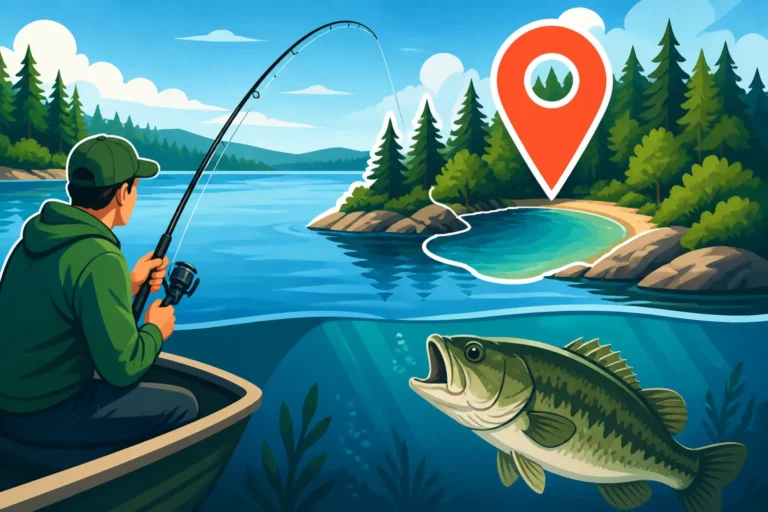
Beyond the brook trout, the smallmouth bass fishing can be absolutely phenomenal, especially during the warmer months when they patrol rocky shorelines and submerged structures. Topwater lures can provide explosive strikes at dawn and dusk, while soft plastics and crankbaits work wonders during the day. Access to Umbagog can be found via the Lake Umbagog National Wildlife Refuge boat launch in Errol, near Errol, New Hampshire, providing a perfect starting point for your adventure. Remember to check the specific regulations, as some areas may have unique rules given its status as a wildlife refuge and its shared border with Maine.
Back Lake's Coldwater Delights
Further north, near Pittsburg, you'll discover Back Lake, a smaller but equally captivating body of water celebrated for its coldwater fishery. Back Lake is regularly stocked with trout, including brook, rainbow, and brown trout, making it a popular spot for both fly anglers and those who prefer traditional spinning gear. It’s a beautiful, easily accessible lake that truly shines in the spring and fall when the water temperatures are ideal for trout.
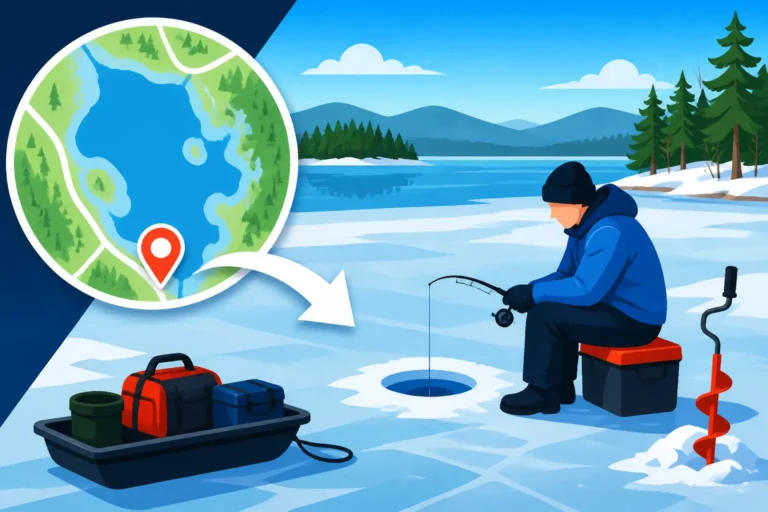
Ice fishing is also a huge draw on Back Lake during the winter months, with anglers setting up shanties and jigging for trout and salmon. The lake’s depth and varied bottom structure, including some deeper pockets and rocky areas, provide excellent habitat. If you're planning an outing, don't forget to check the specific stocking reports to get an idea of recent fish introductions, which can often dictate the best areas to target. Local bait shops in Pittsburg are usually a wealth of information, offering real-time tips on what’s biting and what gear is working best.
Many anglers find success here by trolling small spoons or streamer flies behind a canoe or kayak, mimicking the smelt and other baitfish that trout and salmon key in on. Shore anglers can also find good action, especially near the public access points or any areas with submerged structure. For a more detailed understanding of the species, you might be interested in our guide on Landlocked Salmon Fishing in New Hampshire, as they are also present in Back Lake, offering an exciting challenge for dedicated anglers.
Remote Mountain Ponds for Native Brook Trout
Coos County is dotted with countless smaller, often unnamed or difficult-to-access ponds, particularly in the vast tracts of wilderness within the White Mountain National Forest and various state forests. These remote mountain ponds are often overlooked but can offer incredible opportunities for those willing to hike in. Many of them hold populations of wild, native brook trout – smaller in size perhaps, but vibrant, aggressive, and undeniably beautiful.
These ponds are the essence of solitude. You might not see another soul all day, just the wildlife and the pristine beauty of the New Hampshire wilderness. Fly fishing is particularly effective in these waters, with small dry flies, nymphs, and wet flies often producing consistent action. Ultra-light spinning gear with small spinners or worms can also be very successful. The key here is stealth and a willingness to explore. A good topographical map and a compass or GPS are essential, as is proper backcountry etiquette. Some of these ponds might require a good half-day hike, but the reward of catching a brightly colored, wild brook trout in such a serene setting is truly unparalleled.
Before heading into the backcountry, always consult the New Hampshire Freshwater Fishing Digest for specific regulations, as some remote ponds might have special catch-andrelease rules or gear restrictions designed to protect these fragile ecosystems. This careful approach helps ensure these special places remain wild for future generations.
Rivers and Streams Ripe for Angling in Coos County
While the lakes and ponds offer their own charm, Coos County's network of rivers and streams provides exceptional fishing, especially for trout and smallmouth bass. From powerful mainstem rivers to tiny, tucked-away brooks, there's a moving water experience for every angler.
The Mighty Androscoggin River
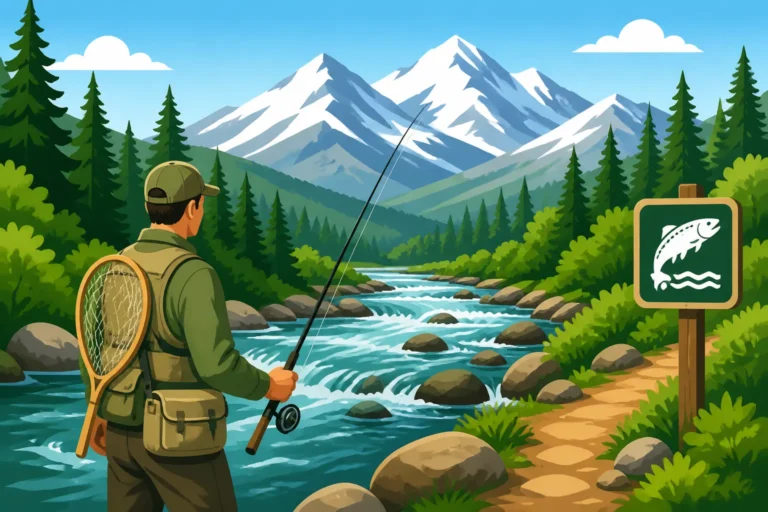
The Androscoggin River is one of Coos County's most significant waterways, flowing through towns like Errol, Milan, and Berlin. This river offers a diverse fishery, particularly known for its strong populations of both wild and stocked trout, as well as excellent smallmouth bass fishing. The character of the river changes as it flows, offering different fishing experiences.
In its upper reaches, particularly above Milan, the Androscoggin is more characteristic of a freestone trout stream, with riffles, runs, and deeper pools. Here, fly fishing and spin fishing for brook, brown, and rainbow trout can be very productive. Below Berlin, the river widens and slows in places, offering excellent habitat for smallmouth bass. Anglers target smallmouth with crankbaits, jigs, and soft plastics, particularly around rocky structures and submerged logs. Drift fishing from a canoe or kayak is a popular method on the wider sections, allowing anglers to cover a lot of water. The sheer size of the river means that some of the best Androscoggin River Fishing Spots are often best explored with local knowledge or by planning your access points carefully.
Access is relatively good, with several public boat launches and shore access points along Route 16. However, some areas are private, so always be mindful of signage. The river has undergone significant environmental recovery over the decades, leading to a much healthier and more productive fishery today. It’s a testament to conservation efforts and offers fantastic angling opportunities in the heart of Coos County.
Connecticut River Headwaters' Wild Trout
The Connecticut River, which forms New Hampshire's western border, begins its journey in the remote northern part of Coos County. The headwaters, consisting of a series of lakes (First, Second, and Third Connecticut Lakes) and the river connecting them, offer some of the state's most pristine and remote trout fishing. These waters are renowned for their wild brook trout and landlocked salmon populations.
The section of the Connecticut River between the First and Second Lakes, and particularly above the First Lake, can be phenomenal for fly fishing. Many sections are managed as "fly fishing only" or "catch and release," providing a true wilderness experience for dedicated trout anglers. Small dry flies mimicking local insect hatches, as well as nymphs and streamers, are highly effective. The trout here are wary and strong, making for a rewarding challenge. These remote waters often hold larger, wild brook trout than you might find in smaller streams further south.
Access to these headwater areas requires a bit more effort, often involving driving on unpaved roads and sometimes hiking into secluded stretches. However, the effort is well worth it for the chance to fish in such untouched beauty. If you're exploring the very upper reaches, you might also be interested in understanding New Hampshire fishing license reciprocity on Vermont boundary waters as the river forms a boundary, though this is less relevant for the specific headwater lakes which are entirely within New Hampshire. Nonetheless, it’s good to be aware if you plan to explore downriver.
Smaller Tributary Streams of the White Mountains
Beyond the major rivers, Coos County is crisscrossed by hundreds of smaller streams and brooks that tumble down from the White Mountains. Many of these are cold, clear, and hold healthy populations of native brook trout. These are the quintessential "hidden gems" of Coos County fishing. Think of rivers like the Swift River (though mostly in Grafton County, the spirit of smaller mountain streams applies here), the Ammonoosuc River and its tributaries, or countless other unnamed brooks that feed into larger systems.
Fishing these smaller streams often involves "bushwhacking" – a polite term for hiking off-trail through dense woods – but it can lead to incredible rewards. Ultralight spinning gear with tiny spinners (size 0 or 1) or a small fly rod rigged with dry flies or simple nymphs are ideal setups. Stealth is paramount, as these trout are easily spooked. Look for plunge pools, undercut banks, and current seams where fish will hold.
These streams are often wild trout fisheries, meaning the fish reproduce naturally and are highly attuned to their environment. Learning about Brook Trout: New Hampshire's Native Trout will give you a deeper appreciation for these vibrant, colorful fish that define many of Coos County's smaller waterways. While you might not catch trophy-sized fish, the sheer number of eager trout and the beautiful surroundings make these smaller streams incredibly enjoyable. Always be prepared for changing conditions, including sudden rain or rising water levels, and always let someone know your plans when venturing into these more remote areas.
Maximizing Your Fishing Trip to Coos County
Planning a successful fishing trip to Coos County involves more than just knowing where to go; it's about understanding the species, preparing your gear, and respecting the unique environment.
Targeting Specific Species and Techniques
Coos County offers a fantastic variety of game fish, each requiring slightly different approaches.
- Trout (Brook, Brown, Rainbow, Lake Trout): For brook trout in smaller streams and ponds, focus on stealth and small presentations. Dry flies, small nymphs, and tiny spinners are often key. For the larger lakes like Umbagog or Back Lake, trolling with spoons, streamer flies, or live bait can be very effective, especially for lake trout and landlocked salmon in deeper water. Early spring and fall are prime times for trout as they move into shallower waters. Our guide on Fly Fishing for Trout in New Hampshire offers detailed strategies for these conditions.
- Smallmouth Bass: Found in abundance in the Androscoggin River and larger lakes like Umbagog, smallmouth bass are aggressive fighters. Look for them around rocky points, ledges, and submerged timber. Crankbaits, jigs, soft plastic worms, and topwater lures can all be highly productive. The summer months offer excellent topwater action, particularly during low light conditions. You can dive deeper into specific tactics by reading about Smallmouth Bass Fishing in New Hampshire.
- Panfish (Perch, Crappie, Horned Pout): Many of Coos County's lakes and ponds are brimming with panfish, offering easy and fun fishing for families or beginners. A simple worm and bobber setup will often do the trick. Perch are especially popular for ice fishing, and a small jig tipped with a grub can lead to consistent action.
The beauty of Coos County is the sheer variety. You can spend one day chasing native brookies in a remote stream and the next battling a powerful smallmouth on a wide river. Be sure to adapt your gear and techniques to the specific water you're fishing and the species you're targeting.
| Location | Primary Species | Best Techniques | Notes |
|---|---|---|---|
| Lake Umbagog | Brook Trout, Smallmouth Bass, Perch, Pickerel | Trolling, Fly Fishing, Lure Casting | Remote, large lake, excellent for kayak fishing. |
| Back Lake | Brook Trout, Rainbow Trout, Landlocked Salmon | Trolling, Ice Fishing, Bait Fishing | Easily accessible, popular for all seasons. |
| Androscoggin River | Brown Trout, Rainbow Trout, Smallmouth Bass | Fly Fishing, Lure Casting, Drift Fishing | Diverse fishery, good access, varying character. |
| Connecticut Headwaters | Wild Brook Trout, Landlocked Salmon | Fly Fishing (often C&R), Stealth Wading | Pristine, remote, true wilderness experience. |
| Smaller Mountain Streams | Native Brook Trout | Ultra-light Spin, Small Dry Flies | Hiking required, secluded, high reward for effort. |
Essential Planning for Your North Country Excursion
Coos County is wild, and a little preparation goes a long way. Before you head out, make sure you have all your bases covered. First and foremost, you'll need a New Hampshire fishing license. Our guide on the New Hampshire Fishing License Guide for 2026 will walk you through the process, whether you're a resident or non-resident. It's always a good idea to buy it online or at a local agent before you get to the most remote areas, where cell service can be spotty.
Secondly, always review the New Hampshire Fishing Regulations Explained. These regulations are crucial and can vary significantly by water body, especially for specific species, catch-and-release rules, and season dates. What's legal on one lake might not be on another, particularly for special regulation waters. Carry a copy of the current digest, either digitally or physically.
For lodging and logistics, especially if you're venturing into the more remote parts, consider options in towns like Pittsburg, Errol, or Berlin. These towns offer a range of accommodations, from rustic cabins to motels, and often have bait and tackle shops where you can get up-to-the-minute local advice. If you're looking for guided trips or want to ensure you have a comfortable stay booked in advance, particularly during peak seasons, using a service like FishingBooker can help you find local guides or lodge owners who specialize in the Coos County region.
Finally, remember that Coos County is prime habitat for wildlife, including moose and black bears. Store food properly, be aware of your surroundings, and pack essentials like extra layers, a first-aid kit, insect repellent, and plenty of water. The beauty of this region is its untamed nature, and being prepared ensures a safe and enjoyable trip.
Disclaimer
The information provided in this guide is for general informational purposes only and is subject to change. Always consult the official New Hampshire Fish and Game Department website and the current New Hampshire Freshwater Fishing Digest for the most up-to-date regulations, licensing requirements, and fishing season dates before heading out. Fishing conditions, access, and fish populations can vary. Always practice responsible angling and conservation.