Best fishing spots on the Cocheco River
Finding those truly productive fishing spots on a river can feel like a secret handshake, especially on a waterway like the Cocheco that might be overshadowed by some of New Hampshire’s larger lakes and rivers. It's frustrating to drive around, peering at the water, only to wonder if you're missing the prime locations. This comprehensive guide is here to unravel the Cocheco River's angling potential, pinpointing the best spots and sharing the insider knowledge you need for a successful and rewarding fishing experience.
Understanding the Cocheco River Fishery
The Cocheco River, flowing from its headwaters in New Durham through Farmington, Rochester, and Dover before meeting the Bellamy River and eventually Great Bay, is a fascinating and often overlooked fishery. It’s not a massive river, but its diverse stretches offer surprisingly varied angling opportunities, from coldwater trout sections in its upper reaches to warmwater bass and panfish habitat, and even a tidal influence that brings in saltwater species closer to the coast.
Key Fish Species to Target
Anglers on the Cocheco can expect a delightful mix of species, depending on where they cast their line. In the colder, narrower upstream sections, you might encounter trout, particularly during stocking seasons. As you move downstream, especially through the more developed areas, warmwater species become prevalent.
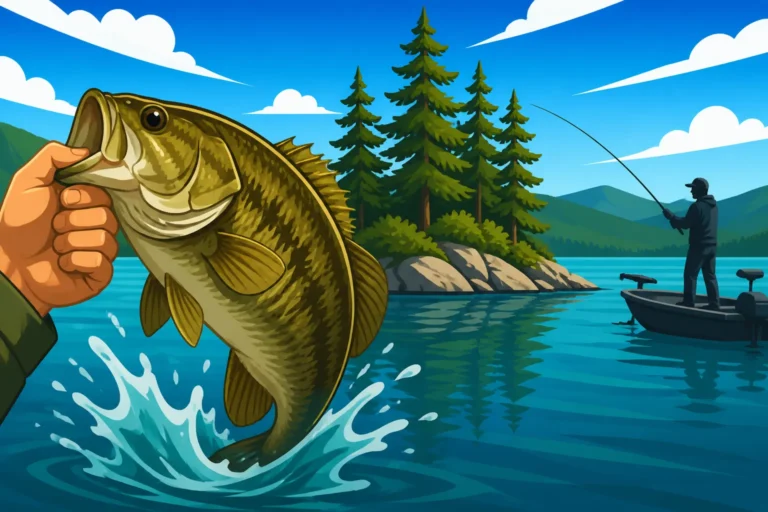
Smallmouth bass are a primary target throughout much of the river, thriving in its rocky bottom and varied current. These feisty fighters provide excellent sport on light tackle. Largemouth bass can also be found in slower-moving pockets and backwaters, particularly where there’s more vegetation. Panfish, including yellow perch, sunfish, and black crappie, are abundant and offer consistent action, especially for younger anglers or those looking for a relaxed outing. Downriver, particularly past the Cocheco River Dam in Dover and towards the confluence with the Bellamy River, the tidal influence from Great Bay becomes significant. This lower section can surprise anglers with striped bass, especially during their migratory seasons, adding an exciting saltwater dimension to the river's freshwater offerings. Occasionally, you might even hook into a chain pickerel in the weedy areas, known for their aggressive strikes.
River Characteristics and Habitat
The Cocheco River is a dynamic system, and understanding its varying characteristics is key to successful fishing. Its upper reaches are typically narrower, with a faster flow over gravel and rocky bottoms, providing ideal trout habitat. These sections are often surrounded by more natural, forested landscapes. As the river progresses downstream through towns like Rochester and Dover, it widens, deepens in places, and its flow often becomes moderated by small dams and impoundments.
Here, you'll find a mix of sand, silt, and rock bottoms, with plenty of submerged structure like fallen trees, bridge pilings, and rocky outcroppings that create prime ambush points for bass and panfish. The river's banks vary from easily accessible public parks to privately owned sections, with some areas featuring dense riparian vegetation that provides cover and shade. Near Dover, the Cocheco River Dam marks a significant transition point. Below the dam, the river is directly influenced by the tides of Great Bay. This tidal stretch sees a mix of freshwater and saltwater, with varying depths and currents depending on the tide cycle, creating unique habitats for migratory species like striped bass. Understanding these changes in river characteristics is crucial for choosing the right fishing approach and finding the best spots.
Top Fishing Spots Along the Cocheco River
The beauty of the Cocheco River is its accessibility and varied landscape, offering different experiences for every angler. From bustling urban parks to quieter, more natural stretches, there's a spot for every preference.
Urban and Accessible Spots in Dover
Dover offers some of the most accessible and productive fishing spots on the Cocheco, particularly around its downtown area.
Henry Law Park: This popular park in downtown Dover is a fantastic starting point. The river here flows past manicured lawns and offers easy bank access. Anglers can fish from the shoreline, targeting smallmouth bass that hold around the rocky bottom and bridge pilings. Panfish are also abundant, making it a great spot for families. The deep pools and varied current provide excellent habitat. Look for areas where the current slows down, or where there's overhead cover from trees or the pedestrian bridge. The accessibility here means you don't need a boat, and you can easily walk the banks to find productive water. For those looking to learn more about how to get their gear ready for an outing, check out our guide on Best Tackle Bag for Bank Fishing.
Downtown Dover Stretches: Beyond Henry Law Park, the Cocheco flows right through the heart of Dover. There are various spots along the riverwalk and near public parking areas where you can gain access. The river in these sections is often deeper with significant structure from old docks, submerged debris, and bridge abutments. These structures are magnets for smallmouth bass. Fishing under the bridges, where shade and current breaks occur, can be particularly effective. Keep an eye on the water level and clarity, as urban runoff can sometimes affect conditions after heavy rains. These spots are highly convenient for a quick fishing trip after work or on a lunch break.
Quieter Stretches Upstream
Moving upstream from Dover, particularly as you approach and pass through Rochester, the Cocheco River takes on a more rural and tranquil character. These areas often require a bit more exploration but can reward anglers with solitude and excellent fishing.
Rochester's Public Access Points: While less centralized than Dover, Rochester has several public access points to the Cocheco. The river here is often narrower and can have a faster current, especially in spring. Check local parks or designated fishing access points. Smallmouth bass are still a primary target, holding in eddies behind rocks and in deeper pockets. In some of the smaller tributaries or the main stem upstream from Rochester, you might even find trout, particularly if they’ve been recently stocked by New Hampshire Fish and Game. Using a site like FishingBooker can sometimes help locate guides who specialize in these less-traveled areas, providing local expertise on the best access and techniques.
Lesser-Known Banks and Bridges: Beyond formal parks, there are numerous bridges crossing the Cocheco River along routes like NH-125 and other local roads between Rochester and Farmington. These often offer informal access points where you can carefully and legally pull off the road and walk down to the river. Always be mindful of private property and respect landowners' rights. Look for bends in the river, rocky riffles, and deeper runs. These are ideal spots for wading, especially during lower water levels, to target smallmouth bass and panfish. Understanding New Hampshire Fishing Regulations Explained is crucial when exploring these less-marked areas to ensure you're compliant with all rules, especially regarding property and species limits.
Tidal Influence Near Great Bay
The most unique section of the Cocheco River is its lower stretch, below the Cocheco River Dam in Dover, where it directly connects to the Great Bay Estuary. This area is a true brackish water fishery, offering a dynamic environment.
Below the Dover Dam: Just below the Cocheco River Dam, the character of the river changes dramatically. The water becomes subject to the powerful tides of Great Bay, rising and falling significantly throughout the day. This section is known for its excellent striped bass fishing during their spring and fall migrations. The dam itself creates a natural bottleneck and a point of concentration for baitfish, drawing in stripers. Anglers often fish from the banks here, or launch small boats and kayaks to access the deeper channels. Check the tide charts before you go; the bite can be highly dependent on whether the tide is incoming or outgoing. This area also holds a mix of freshwater species that tolerate brackish water, such as largemouth bass and various panfish.
Confluence with the Bellamy River and Great Bay: As the Cocheco continues downstream, it merges with the Bellamy River before emptying into Great Bay. This wider, more open section is almost exclusively a saltwater environment. While technically the Cocheco, fishing here is essentially Great Bay fishing. This means strong opportunities for striped bass, especially around structure like marsh edges, oyster beds, and channel drop-offs. Kayak fishing is particularly popular here due to the relatively protected waters compared to the open ocean, offering a stealthy approach to schooling stripers. If you're planning a trip to this section, you'll need to understand Great Bay Striped Bass Fishing Rules and also likely need a New Hampshire Saltwater Fishing License, Explained. A fishing guide, found through services like FishingBooker, can be invaluable here for navigating the tides and knowing exactly where the fish are holding in this complex estuary system.
Essential Techniques and Tackle for the Cocheco
Having the right gear and knowing the best ways to approach the Cocheco River can make all the difference in your fishing success. The river's varied habitats call for a versatile approach.
Lures and Baits for Each Species
Given the diverse fish population in the Cocheco, a flexible tackle box is essential.
For smallmouth bass, which are prevalent throughout much of the river, focus on lures that imitate crayfish and baitfish. Small crankbaits, spinnerbaits, plastic tubes, and Ned rigs are highly effective. Colors like green pumpkin, brown, and natural shad patterns work well. When the bass are aggressive, topwater lures in early morning or late evening can be exhilarating. For slower days or clear water, try small swimbaits or a weightless worm. Live bait like shiners or crayfish can also be irresistible.
Largemouth bass in the slower, weedy pockets will respond to soft plastic worms, jigs with trailers, and chatterbaits. Buzzbaits and frogs over lily pads are also great for exciting topwater action.
For trout in the upper reaches, traditional offerings like worms, small spinners (e.g., Mepps, Rooster Tail), and PowerBait are reliable. Fly anglers will find success with nymph patterns like Prince Nymphs or Hare's Ear, and various dry flies mimicking caddis and mayflies during hatches.
Panfish are less picky. Worms, small jigs tipped with a grub, and tiny spinners will keep you busy. Ultralight tackle makes catching sunfish and perch a blast.
Finally, for striped bass in the tidal sections, larger soft plastic paddle tail swimbaits, topwater plugs, and bucktail jigs are standard. Live mackerel or chunks of menhaden are also highly effective, especially when fished on the bottom during a strong current. Our guide on New Hampshire Bass Limits and Slot Rules will help you understand the specific harvest regulations for both largemouth and smallmouth bass, which are critical for responsible angling.
Best Approaches for River Fishing
Your method of fishing will largely depend on the section of the Cocheco you're targeting and the species you're after.
Wading: Many sections of the Cocheco, particularly upstream from Dover, are ideal for wading. This allows for a stealthy approach and the ability to access prime runs and pools that might be difficult to reach from the bank. Always wear appropriate wading boots with good grip and consider a wading staff for stability, especially on rocky or slippery bottoms. Our guide on Best Waders for New Hampshire Trout Streams offers excellent advice on staying dry and comfortable. Prioritize safety, especially during higher water flows or cold weather.
Shore Fishing: Public parks and accessible riverwalks, like those in Dover, are perfect for shore fishing. This method is great for anglers of all skill levels and doesn't require specialized equipment beyond your rod and tackle. Focus on casting parallel to the bank, targeting visible structure, or fan-casting to cover a wider area. These spots are particularly good for panfish and bass.
Small Craft (Kayak/Canoe): For exploring the Cocheco's more remote stretches or navigating the tidal areas, a kayak or canoe is an excellent choice. These craft allow you to silently glide into hidden coves, under low-hanging branches, and access parts of the river that are unreachable from shore. A small inflatable boat or a jon boat can also be useful in wider, calmer sections. Kayak fishing in particular has gained popularity for its versatility. If you're considering this, our guide on Best Kayak for River Fishing in New Hampshire can help you pick the perfect vessel for navigating the Cocheco's currents and tight spots. Always wear a life jacket and be aware of any rapids or portages required, especially upstream.
Seasonal Considerations for Cocheco Angling
Fishing on the Cocheco River, like any New Hampshire waterway, is deeply influenced by the changing seasons. Understanding these shifts can significantly boost your success.
Spring and Early Summer Opportunities
Spring on the Cocheco River is a time of renewed activity. As ice recedes and water temperatures slowly rise, fish become more active. This is often when New Hampshire Fish and Game conduct their trout stockings in designated areas, providing excellent opportunities for catch-and-release or harvest. The higher water levels from snowmelt can make some wading challenging, but also create new eddies and current breaks for bass to hold in.
The pre-spawn and spawn periods for bass occur in late spring and early summer. Smallmouth bass will move into shallower, rocky areas to spawn, making them more accessible and aggressive. Look for them around points, submerged rocks, and gravel beds. Largemouth bass will prefer warmer, vegetated coves. This is a prime time for throwing crankbaits, spinnerbaits, and soft plastics. For those interested in understanding the broader picture of when to fish, check out New Hampshire Fishing Seasons by Month for a detailed breakdown. During late spring, the first striped bass will also begin to enter the lower tidal sections of the Cocheco from Great Bay, providing initial opportunities for saltwater action.
Fall Fishing and Cooler Waters
As summer gives way to fall, the Cocheco River transforms again, offering some of the year's most comfortable and productive fishing. Water temperatures begin to drop, signaling fish to feed heavily in preparation for winter.
Bass become particularly active, often schooling up and chasing baitfish. This can lead to incredible days where they hit a wide variety of lures, from crankbaits to jigs. Look for them holding on deeper structure, points, and channel edges. Fly anglers targeting smallmouth will find streamers very effective. The cooler water also means less recreational boat traffic in many areas, creating a more peaceful experience. For those fishing for trout in the upper Cocheco or its tributaries, fall can bring a "second season" of activity, especially for holdover trout that have survived the summer. And of course, the striped bass migration intensifies in the tidal sections, offering some of the best striper action of the year as they stage to leave Great Bay and head south. Targeting them with large soft plastics, topwater plugs, or even fly fishing with large baitfish patterns can be highly rewarding.
| Cocheco River Section | Primary Species | Key Features | Recommended Approach | Local Landmark/Access |
|---|---|---|---|---|
| Upper River (Farmington to Rochester) | Smallmouth Bass, Panfish, Trout (stocked) | Narrow, faster current, rocky/gravel bottom, more rural. | Wading, light tackle with spinners/worms/small crankbaits. | Various bridge crossings on local roads. |
| Mid-River (Rochester to Dover Dam) | Smallmouth Bass, Largemouth Bass, Panfish | Wider, varied depths, structure from bridges/fallen trees, some slower pockets. | Shore fishing, kayak/canoe, crankbaits, jigs, plastic worms. | Public access in Rochester, public parks in Dover. |
| Lower River (Dover Dam to Great Bay) | Striped Bass, Largemouth Bass, Panfish | Tidal influence, brackish water, deeper channels, strong currents. | Shore fishing (below dam), kayak/boat, large swimbaits, bucktails, live bait. | Henry Law Park (upper tidal), Dover Public Docks, Bellamy River confluence. |
Disclaimer
The information provided in this guide is for general informational purposes only and is subject to change. Always consult the official New Hampshire Fish and Game Department website or their most current Freshwater Fishing Digest for the latest regulations, licensing requirements, and any emergency closures before planning your fishing trip. Ensure you adhere to all local, state, and federal laws and regulations. Fishing conditions, fish populations, and access points can vary. Practice responsible angling, including catch and release when appropriate, and respect private property.