Best year-round trout fishing in New Hampshire
It's a common frustration for anglers in New Hampshire: the dream of chasing beautiful trout all year long often bumps up against seasonal closures and ice. Many of our favorite trout streams and ponds have specific open seasons, making it feel impossible to enjoy consistent trout action through every month. This comprehensive guide is here to shed light on those elusive year-round opportunities, helping you understand where and how you can find trout, even when the thermometer drops or other waters are off-limits.
Understanding New Hampshire's Trout Fishing Seasons and Regulations
Before we dive into specific locations, it’s vital to grasp the regulatory landscape that governs trout fishing in the Granite State. Most casual anglers are familiar with the general spring-to-fall season for many trout waters, but for year-round success, you need to understand the nuances.
The Seasonal Nature of Trout Waters
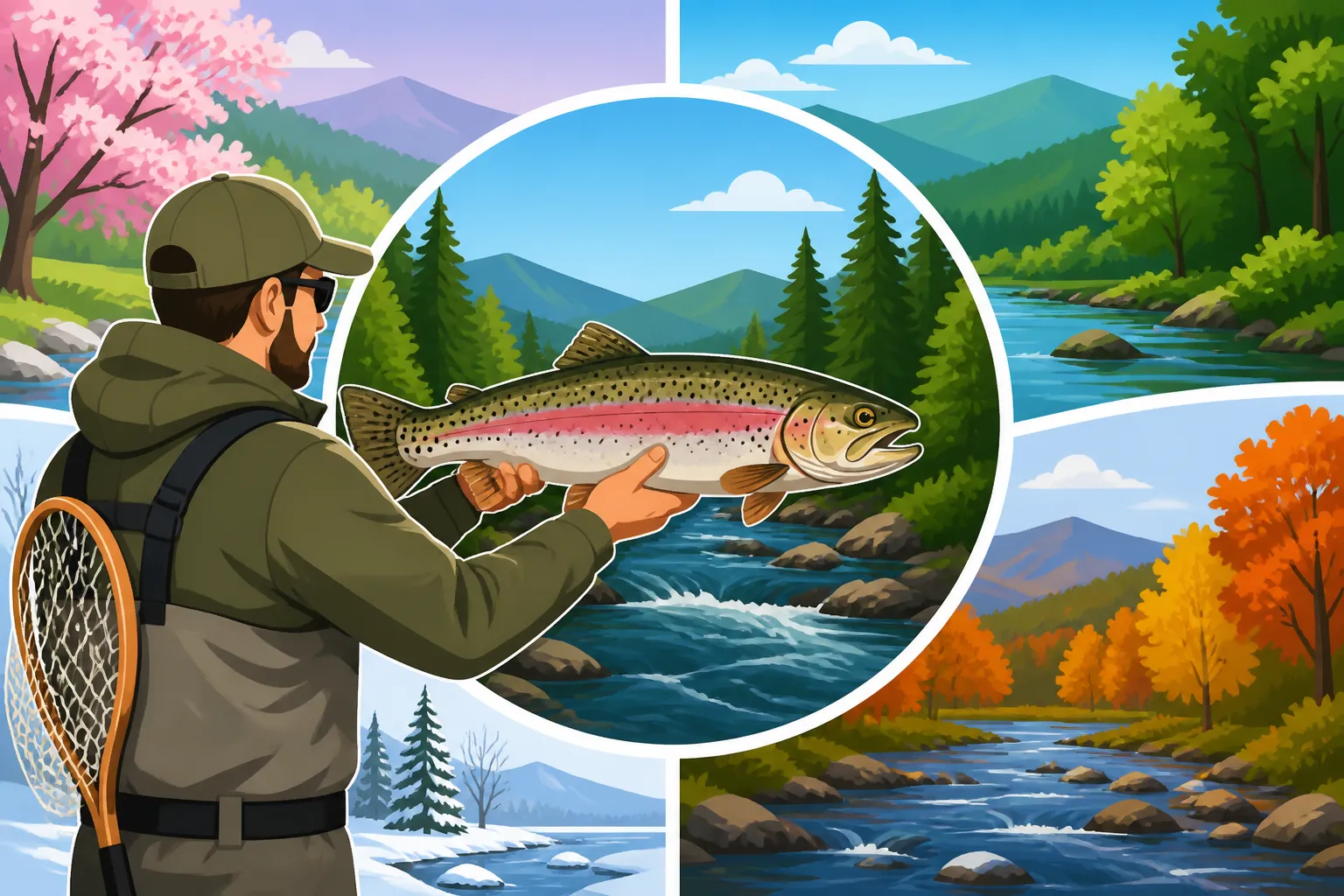
For much of New Hampshire, trout fishing operates on a defined calendar. Many smaller streams, rivers, and ponds, especially those that are heavily stocked with brook, brown, and rainbow trout, have specific opening and closing dates. Typically, these waters open on the fourth Saturday of April and close on October 15th. During the winter months, these waters are usually closed to all fishing for trout, allowing the fish to rest and for the ecosystem to recover. The reasons for these seasonal closures are multifaceted, ranging from protecting spawning fish to allowing newly stocked trout time to acclimate without immediate angling pressure.
This seasonal approach ensures sustainability, but it also creates a puzzle for anglers seeking year-round action. You might drive by a beautiful stream in December, itching to cast a line, only to remember it's legally closed. This is where understanding special regulations becomes absolutely critical. Simply knowing the general season isn't enough; you need to dig deeper into the specific rules for the water body you intend to fish. To stay completely up-to-date, it’s always a good idea to consult the official New Hampshire Fishing Regulations Explained from the New Hampshire Fish and Game Department.
Special Regulation Waters and Their Role
Fortunately, the New Hampshire Fish and Game Department recognizes the desire for extended angling opportunities and has designated certain waters as "Special Regulation" areas. These spots often deviate from the standard statewide rules, allowing for unique angling experiences, including year-round fishing for trout species. You'll find a variety of special regulations, such as "catch-and-release only," "fly-fishing only," or even specific gear restrictions like single, barbless hooks. The key takeaway here is that these special rules are often what make year-round trout fishing possible in New Hampshire.
For example, many "fly-fishing only" sections of rivers, particularly those managed for wild or holdover trout populations, have extended seasons, sometimes even allowing fishing through the winter on a catch-and-release basis. These areas are specifically managed to protect the fishery while still providing opportunities for dedicated anglers. It’s a delicate balance, and adherence to these rules is paramount to maintaining these unique resources. Always double-check the specific regulations for any water you plan to fish, as ignoring these details can lead to fines and harm the very fishery you're trying to enjoy. The New Hampshire Fishing Season Dates and Closures document is your go-to resource for these important details.
Top Picks for Year-Round Trout Fishing Opportunities
When it comes to consistent trout fishing throughout the entire year in New Hampshire, you’ll largely be looking at specific types of water bodies that naturally offer more stable conditions or are managed with special regulations. These aren’t your average stocked ponds, but rather unique fisheries that thrive due to their natural characteristics or deliberate conservation efforts.
Tailwater Fisheries: Consistent Flows and Temperatures
One of the best bets for year-round trout fishing in New Hampshire is found in its tailwater fisheries. These are sections of rivers located directly below large dams. The reason they're so productive, especially in the off-season, is because the water released from the bottom of a large reservoir maintains a much more stable temperature year-round than surface-fed streams. In summer, this cold water provides refuge for trout when other rivers become too warm; in winter, it can prevent severe icing, keeping sections of the river open for fishing even during the coldest months.
The most prominent example of this in New Hampshire is certain stretches of the Connecticut River. While regulations can vary by specific section, parts of this mighty river, particularly those influenced by large upstream dams, offer fantastic cold-water fishing opportunities. You'll often find strong populations of brown and rainbow trout, and even some wild brook trout, thriving in these environments. The consistent flow and temperature make them predictable havens for trout when other waters are less hospitable. Remember to check specific sections, as boundary waters with Vermont can also have unique reciprocal agreements. For detailed access points along this magnificent river, check out our guide on Connecticut River Fishing Access in New Hampshire.
Large Lake Tributaries and Deep, Cold Lakes
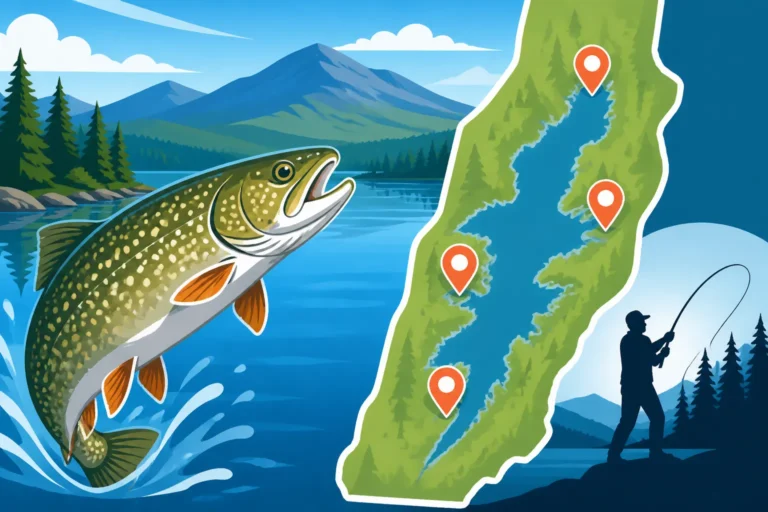
While many smaller lakes and ponds might freeze solid or have strict seasonal closures for trout, New Hampshire's larger, deeper lakes present different year-round opportunities. These massive water bodies, like Lake Winnipesaukee, Lake Sunapee, and Newfound Lake, hold vast reserves of cold, oxygenated water in their depths throughout the year. This makes them ideal habitats for species like Lake Trout and Landlocked Salmon, which thrive in chilly conditions.
Even if the main body of the lake has seasonal restrictions for some species, the deep-water inhabitants are often fair game for specific techniques during the winter months, particularly through the ice. Additionally, the tributaries that feed into these large lakes can sometimes hold populations of wild or holdover trout that can be targeted, especially during milder periods or in sections with special catch-and-release regulations. These lakes are major draws for a reason, offering opportunities that smaller, shallower waters simply cannot. If you're looking for more information on the biggest lake, our Lake Winnipesaukee Fishing Guide is an excellent resource, and you can learn more about specific cold-water species like landlocked salmon in our Sunapee Lake Landlocked Salmon Fishing guide.
Specific "Fly Fishing Only" or Catch-and-Release Sections
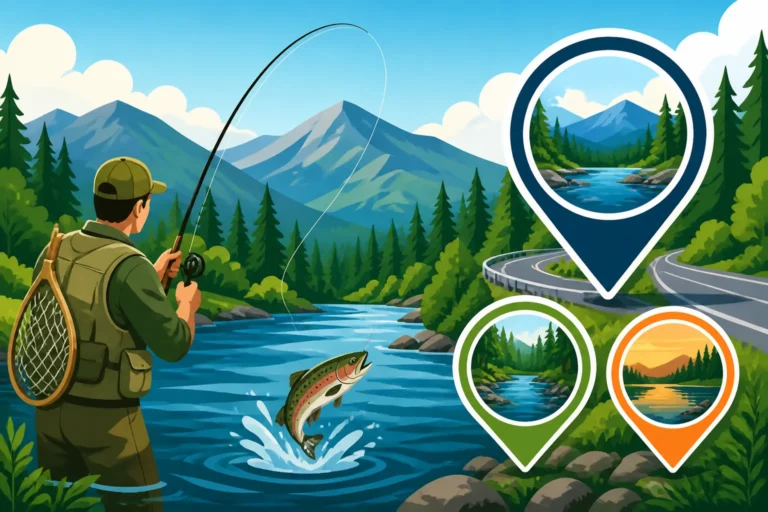
New Hampshire has carved out several designated "fly-fishing only" and "catch-and-release only" sections on various rivers and streams, which are often your best bet for open water trout fishing outside of the traditional season. These special regulations are designed to protect the integrity of the fishery, often targeting areas with healthy wild or robust holdover trout populations. By restricting gear and promoting careful handling, these sections can sustain angling pressure for longer periods, sometimes even year-round.
Prime examples include stretches of the Pemigewasset River, Swift River, Ellis River, and certain sections of the Saco River, particularly in the White Mountains region. These waters are often breathtakingly beautiful and provide a serene experience for the dedicated fly angler. The rules in these areas are non-negotiable – typically, it's artificial lures or flies only, often with single, barbless hooks, and all trout must be immediately released unharmed. These regulations ensure that the fish populations can remain healthy and continue to provide sport. To find a comprehensive list and understand the specific rules for these unique spots, make sure to read up on our detailed guides: New Hampshire Catch and Release Fly Fishing Only Waters and New Hampshire Fly Fishing Only Special Regulation Waters.
Navigating Winter's Icy Grip for Trout
When winter truly sets in and transforms New Hampshire into a frozen wonderland, traditional open-water trout fishing largely comes to a halt on most conventional waters. However, for the hardy angler, winter still offers fantastic trout opportunities, albeit with a different approach – and a critical focus on safety.
Ice Fishing for Lake Trout and Landlocked Salmon
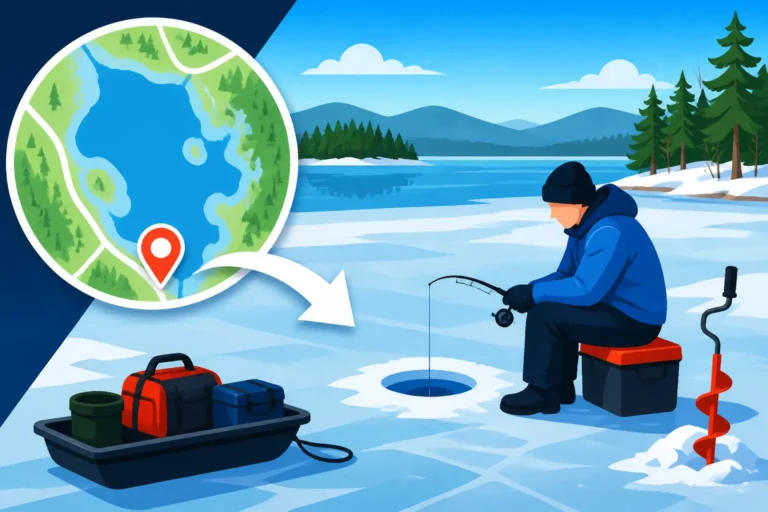
While many trout streams are locked under ice or simply closed, the large, deep lakes of New Hampshire become prime territory for ice fishing, particularly for cold-water species like Lake Trout and Landlocked Salmon. These fish remain active under the ice, often migrating to different depths as the season progresses. Lakes such as Winnipesaukee, Squam, Newfound, and Sunapee are renowned for their winter lake trout and salmon fisheries. It's an entirely different experience than casting flies or lures in open water, requiring specialized gear like ice augers, tip-ups, and short jigging rods.
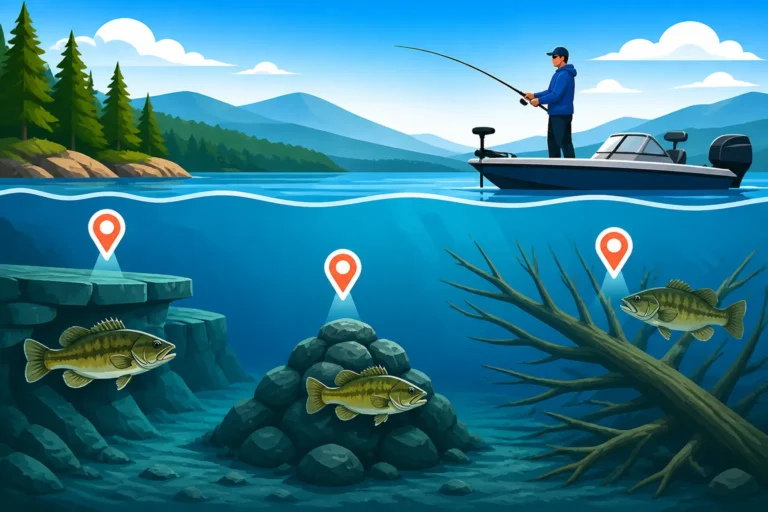
Ice fishing for these species can be incredibly rewarding. Anglers often target deep structure, rocky points, and underwater humps where lake trout and salmon might be cruising for baitfish like rainbow smelt. The season for lake trout and landlocked salmon typically runs from January 1 to March 31 on most large lakes, offering a solid three months of winter action. Before heading out, always consult the official New Hampshire Lake Trout Ice Fishing Season Dates to ensure you're fishing legally. Safety is absolutely paramount when ice fishing. Always check ice conditions and never venture out alone without proper safety equipment. Our guide on How thick ice needs to be before New Hampshire anglers fish it provides crucial information for safe ice fishing.
Open Water in Winter: A Rare Find
Finding truly open, flowing water that holds trout during the depths of winter in New Hampshire is a challenge, but not entirely impossible. These rare spots usually owe their open status to unique geological or hydrological features. Strong currents in larger rivers can sometimes prevent ice from forming completely, or sections of rivers that are fed by warmer springs or tailwater discharges might remain unfrozen.
These locations are often known only to the most dedicated local anglers and require careful scouting and local knowledge. A small, bubbling spring feeding into a larger stream might keep a localized pocket of water open, attracting trout seeking warmer, more stable conditions. However, relying on these pockets can be hit or miss, and access can be tricky with snow and ice on banks. Always proceed with extreme caution, as surrounding ice can be unstable, and cold water immersion is a severe hazard. While a general guide can point you in the right direction, sometimes the best way to uncover these elusive winter open-water spots is by connecting with experienced local anglers or even considering a guided trip through services like FishingBooker, where seasoned professionals can put you on the fish safely.
Essential Gear and Strategies for Year-Round Success
Year-round trout fishing in New Hampshire means facing a diverse range of conditions, from balmy summer days to icy winter winds. Your success will depend not only on knowing where to go but also on how to adapt your gear and strategy to the season and the specific water you’re fishing.
Adapting Tackle for Different Seasons
Just like you wouldn't wear a swimsuit to go skiing, you wouldn't use the same tackle setup for every trout fishing scenario throughout the year.
For example, spring and fall stream fishing for wild and stocked trout often calls for lighter gear. A sensitive spinning rod in the 5'6" to 7' range with 4-6 lb test line is perfect for casting small spinners, spoons, or bait. For fly anglers, a 3- to 5-weight fly rod is ideal for presenting dry flies, nymphs, and small streamers in most New Hampshire trout streams. Check out our guide on Best Fly Rods for New Hampshire Trout Streams for more specific recommendations.
When you move to larger lakes for trolling lake trout or salmon, your gear needs to beef up considerably. You'll want sturdy trolling rods with line counters, capable of handling heavier line (10-20 lb test monofilament or braid) and specialized terminal tackle like downriggers, lead core line, or heavy spoons and stickbaits that can reach fish in deep water. This is a far cry from delicate stream fishing! Our guide on Best Fishing Rods for New Hampshire Lakes offers more insights for lake setups.
And then there's ice fishing. This demands entirely different equipment: short, sensitive ice rods (24-36 inches), specific ice fishing reels, tip-ups for passive fishing with bait, and a variety of small jigs and lures. Dressing in layers, wearing insulated boots, and bringing a portable shelter are also crucial for comfort and safety.
Strategic Planning and Local Knowledge
Success in year-round trout fishing isn't just about gear; it's about preparation, research, and tapping into local expertise. The New Hampshire Fish and Game Department's website is an invaluable resource, offering the most up-to-date regulations, stocking reports, and public access information. You should always check the latest Freshwater Fishing Digest before heading out, as regulations can and do change annually. Understanding what a Reading the New Hampshire Freshwater Fishing Digest entails can save you a lot of headaches.
Beyond regulations, local knowledge is golden. Conditions on a particular river or lake can vary wildly depending on recent weather, water levels, and even time of day. This is where engaging with the local angling community can be incredibly beneficial. Visit local bait shops, strike up conversations at boat launches, or join online forums dedicated to New Hampshire fishing. These resources often provide real-time updates and tips that you won't find in any official guide.
For those who want to maximize their chances and learn the ropes from an expert, especially when targeting less common year-round spots or difficult-to-catch species, consider hiring a local fishing guide. Services like FishingBooker connect you with experienced, licensed guides who specialize in New Hampshire waters. A guide can provide not just the know-how but also the right equipment and a safe, productive experience, instantly cutting down your learning curve and putting you on fish in unfamiliar territory, regardless of the season. They're often privy to subtle changes in conditions and hidden spots that only years of experience can reveal, making a trip with a guide a fantastic investment for year-round trout fishing.
| Type of Water Body | Primary Target Species | Typical Year-Round Strategy | Key Regulations to Check |
|---|---|---|---|
| Tailwater Rivers | Brown, Rainbow Trout | Fly fishing, spin fishing | Catch & Release, Artificial Lures Only |
| Deep, Large Lakes | Lake Trout, Landlocked Salmon | Trolling (open water), Jigging/Tip-ups (ice) | Specific season dates for these species; Ice safety |
| Special Regulation Streams | Brook, Brown, Rainbow Trout | Fly fishing (catch & release) | Fly Fishing Only, Catch & Release Only, Single Barbless Hook |
| Large Lake Tributaries | Brook, Brown, Rainbow Trout | Varies, often C&R | Species-specific rules, seasonal if not C&R |
| Spring-Fed Open Water | Brook, Brown, Rainbow Trout | Spin/fly fishing (highly localized) | Standard river/stream rules; extremely rare |
Disclaimer
The information provided in this guide is for general informational purposes only and is subject to change. Fishing regulations in New Hampshire are established and enforced by the New Hampshire Fish and Game Department. It is the angler's responsibility to review and comply with all current state and local fishing laws and regulations before engaging in any fishing activity. Always prioritize safety, especially when fishing in cold water or on ice.