Best Kayak Fishing Spots in New Hampshire
The joy of kayak fishing in New Hampshire is truly something special, offering an intimate connection with nature that larger boats just can't quite match. But let's be honest, with so many incredible lakes, rivers, and coastal areas, figuring out where to even start paddling can feel a bit overwhelming. This comprehensive guide is here to cut through the confusion and point you toward the absolute best kayak fishing spots across the Granite State, ensuring your next outing is both productive and incredibly serene.
The Unmatched Freedom of Kayak Fishing in New Hampshire
There's a reason why kayak fishing has exploded in popularity, especially here in New Hampshire. It's not just a trend; it's a way to experience angling on a whole different level. When you're sitting just inches above the water, silently gliding along, you become part of the environment in a way that’s impossible from a roaring motorboat. The sounds of nature, the subtle shift in current, the whisper of the wind through the pines – it all contributes to an incredibly immersive and effective fishing experience.
Why Kayaks are Perfect for the Granite State's Waters
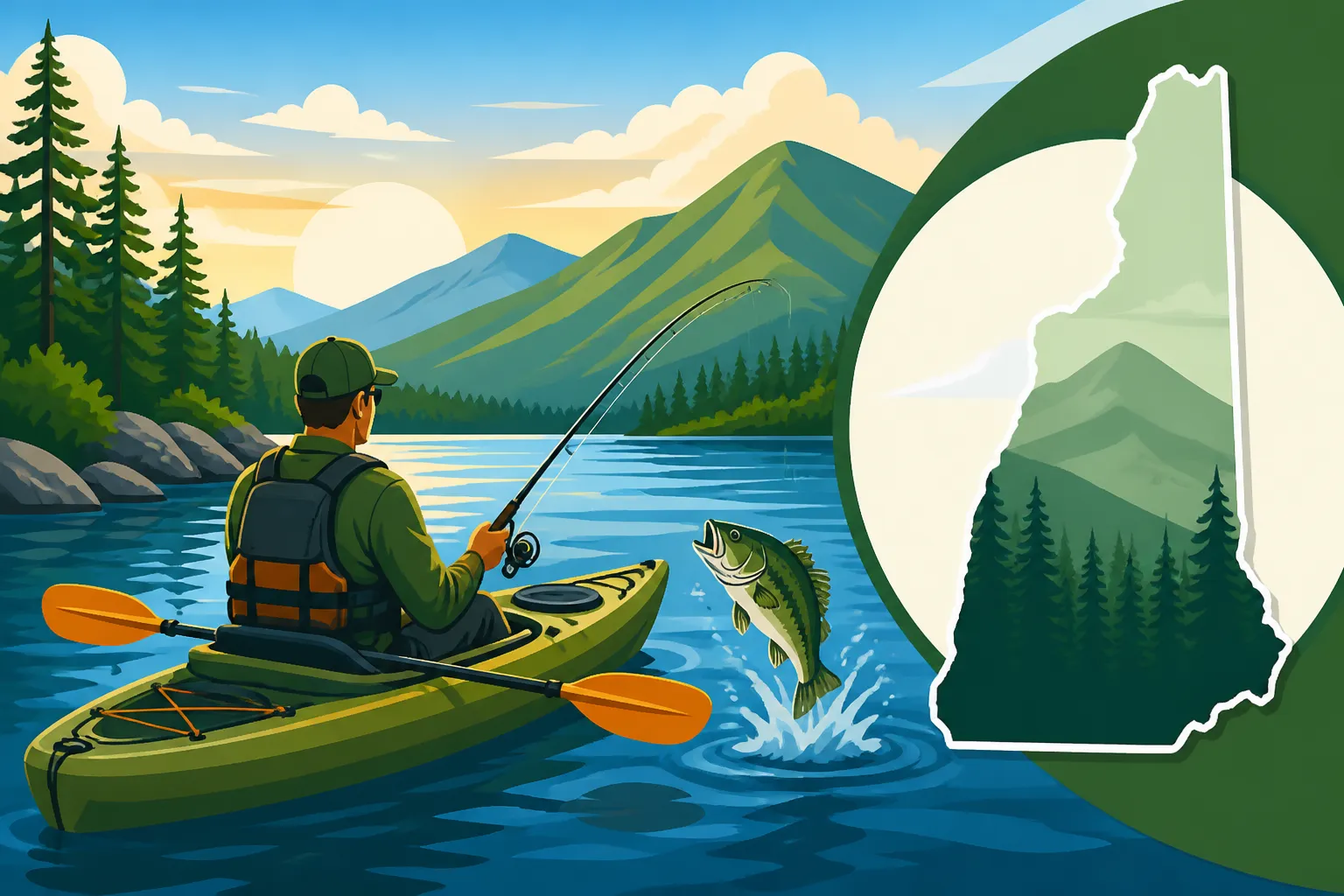
Kayaks, whether you're paddling a sit-on-top, a sit-in, or even a pedal-driven model, offer unparalleled access to prime fishing grounds that often remain untouched by traditional powerboats. Think about those shallow coves choked with lily pads, the tight turns of a meandering river, or the remote ponds tucked away in the White Mountains. A kayak can slip right in, allowing you to cast into undisturbed waters where fish feel safe and unpressured. This stealth factor alone can dramatically increase your chances of success, especially when targeting wary species like brook trout or big bass.
Furthermore, kayak fishing is generally more economical than owning and maintaining a powerboat. There are no gas costs, minimal maintenance, and the initial investment can be significantly lower. It’s also incredibly flexible; you can car-top a kayak and launch it almost anywhere, from state parks with designated ramps to quiet roadside pull-offs. This ease of transport and launch opens up a vast array of fishing opportunities that would otherwise be inaccessible, allowing you to explore new waters without the logistical headaches. The physical exercise is a bonus, too, adding an adventurous layer to your fishing pursuits.
Understanding New Hampshire's Diverse Waterways
New Hampshire boasts an incredibly diverse hydrography, from the expansive depths of its glacial lakes to the rapid flows of its mountain rivers and the tidal estuaries along its short but productive coastline. Each type of waterway presents unique opportunities and challenges for the kayak angler. The strategy, the gear, and even the safety precautions you take will vary dramatically depending on whether you're on a vast, windswept lake or a narrow, rocky river.
For instance, the large lakes, while offering trophy fish opportunities, can also become dangerous quickly with sudden winds and choppy conditions. Rivers demand a keen eye for currents, rapids, and obstacles, often requiring a more agile kayak and a different paddling technique. The coastal estuaries, on the other hand, are governed by the tides, which dictate fish movement and optimal fishing times. Before you even think about launching, taking a moment to understand the specific characteristics of your chosen water body is paramount. It’s about being prepared, being safe, and ultimately, maximizing your chances of a successful and enjoyable day on the water.
Top Freshwater Lakes for Kayak Anglers
New Hampshire's Lakes Region is legendary, and for good reason. It’s a kayak angler’s paradise, offering everything from smallmouth and largemouth bass to landlocked salmon and lake trout. The sheer variety of structure, depths, and forage means there's always something new to explore. Getting out on these waters in a kayak allows for a quiet approach, letting you sneak up on fish that might bolt at the sound of an outboard.
Exploring Lake Winnipesaukee and its Numerous Coves
Lake Winnipesaukee, the largest lake in New Hampshire, is a fantastic, if sometimes intimidating, destination for kayak anglers. Its vastness, dotted with over 250 islands and countless coves, offers endless opportunities for exploration. For kayak anglers, the key to success here often lies in focusing on specific areas rather than trying to cover the entire lake. The smaller, shallower coves, especially those with weed beds, submerged timber, or rocky points, are prime habitat for both largemouth and smallmouth bass. You can quietly paddle into these spots, using finesse techniques or topwater lures, without disturbing the fish.
While powerboaters might roar past, your kayak allows you to thoroughly dissect these productive zones. Targeting the many rocky points and drop-offs for smallmouth bass can be particularly rewarding. You'll want to check out coves around areas like Alton Bay, Center Harbor, or Meredith, where sheltered waters provide both good fishing and a bit more protection from the main lake’s boat traffic. Always remember that Winnipesaukee can get very choppy, so choosing a calm day and sticking close to shore or in protected bays is wise. If you're really looking to deep dive into this incredible fishery, our comprehensive guide on the <Lake Winnipesaukee Fishing Guide> offers even more specific tips and locations.
The Tranquil Beauty of Squam Lake and Newfound Lake
For those seeking a more serene experience, Squam Lake and Newfound Lake offer breathtaking scenery and incredible fishing from a kayak. Squam Lake, famously known as the setting for "On Golden Pond," is a gem with a more restrictive boat traffic policy, making it exceptionally peaceful for paddlers. Here, you'll find excellent populations of smallmouth bass, particularly around its rocky islands and submerged structures. The clear waters also hold landlocked salmon and lake trout, though these can be harder to target from a kayak without specialized trolling gear. However, for a relaxing day of bass fishing amidst stunning natural beauty, Squam is hard to beat. Its many quiet coves and inlets are perfect for a stealthy approach. You can learn more about its specific features in our dedicated <Squam Lake Fishing Guide>.
Newfound Lake, another exceptionally clear and deep glacial lake, provides similar opportunities, albeit with a slightly different character. It's renowned for its lake trout and landlocked salmon, which can be challenging to reach from a kayak without deep-water trolling techniques. However, its shoreline offers excellent habitat for smallmouth bass, especially in the spring and fall. The sheer cliffs and rocky shores create ideal ambush points for bass, and the lack of extensive weed beds means a focus on rock structure and drop-offs. Both Squam and Newfound offer a tranquil escape, where the quiet paddle to your fishing spot is as much a part of the experience as the catch itself. To get a closer look at what Newfound has to offer, check out our detailed <Newfound Lake Fishing Guide>.
Smaller Lakes and Ponds for Panfish and Bass
Beyond the behemoths, New Hampshire is dotted with hundreds of smaller lakes and ponds that are absolutely perfect for kayak fishing, especially for anglers targeting panfish or a healthy population of largemouth bass. These waters often have public access points that are ideal for launching a kayak, and their smaller size means less motorboat traffic and easier navigation. Pawtuckaway Lake in Nottingham is a prime example, known for its excellent largemouth bass fishing in its numerous coves and stump fields. It also holds pickerel and a variety of panfish, making it a great spot for family outings where everyone can catch something.
Another fantastic option is Northwood Lake, which offers similar opportunities for bass and panfish, with plenty of lily pads and shallow structure to explore. These smaller bodies of water allow kayak anglers to really slow down and work an area thoroughly. You can drift along weed lines, cast into pockets of open water, or flip jigs into dense cover – techniques that are highly effective for bass and often difficult from a larger boat. These lakes often offer a more relaxed atmosphere, and because they warm up faster in the spring, they can provide earlier season action. Our article on the <Best Bass Fishing Lakes in New Hampshire> provides even more great suggestions for these types of waters.
| Lake/Pond Name | Primary Target Species | Kayak Accessibility | Best Features for Kayaking | Typical Water Conditions |
|---|---|---|---|---|
| Lake Winnipesaukee | Smallmouth Bass, Largemouth Bass, Lake Trout | Good (many ramps) | Numerous coves, islands, varied structure | Can be choppy, busy |
| Squam Lake | Smallmouth Bass, Landlocked Salmon | Good (limited ramps) | Tranquil, clear water, rocky shores | Calm to moderate, less boat traffic |
| Newfound Lake | Lake Trout, Landlocked Salmon, Smallmouth Bass | Good (public beach, ramps) | Very deep, clear, cliff-lined shores | Calm to moderate |
| Pawtuckaway Lake | Largemouth Bass, Pickerel, Panfish | Excellent (state park) | Weed beds, stump fields, numerous coves | Generally calm, moderate boat traffic |
| Northwood Lake | Largemouth Bass, Pickerel, Panfish | Good (public launch) | Shallow areas, lily pads, structure | Generally calm |
River and Stream Kayak Fishing Adventures
New Hampshire's rivers and streams provide a completely different but equally rewarding kayak fishing experience. From the mighty Connecticut River forming the state's western border to the pristine mountain streams winding through the White Mountains, these flowing waters offer dynamic challenges and diverse species. Kayaks are uniquely suited to river angling, allowing anglers to float silently downstream, covering vast amounts of water and accessing hidden pools that are inaccessible by foot or larger craft.
Navigating the Connecticut River for Smallmouth and Trout
The Connecticut River, which defines the western boundary of New Hampshire, is an outstanding destination for kayak anglers seeking both smallmouth bass and various trout species. Its sheer length and varied character, from broad, slow-moving sections to narrower, riffle-filled stretches, provide a multitude of fishing opportunities. For smallmouth bass, focus on areas with current breaks, rocky structure, and submerged logs. Drifting downstream and casting towards eddies and seams where fish ambush bait can be incredibly effective. The sections near Hanover or Lebanon offer excellent access and varied structure.
For trout, especially brown trout and rainbow trout, the cooler, oxygenated sections downstream of dams or where cold tributaries enter can be highly productive. Anglers often float-fish these sections, presenting flies or small lures to holding lies. It's worth noting that the Connecticut River is a boundary water, so be mindful of specific regulations, which can sometimes differ slightly from other New Hampshire waters. Always consult the New Hampshire Fish and Game Department's digest for the most current rules. For specific access points and fishing tips for this impressive waterway, our resource on <Connecticut River Fishing Access in New Hampshire> is a must-read. If you are looking to book a guided trip to explore the river, sites like FishingBooker can connect you with experienced local guides.
The Merrimack River and Other Productive Flowages
The Merrimack River, flowing through the heart of New Hampshire, offers a different kind of riverine kayak fishing experience. While perhaps not as wild as some northern rivers, it provides excellent opportunities for largemouth and smallmouth bass, as well as northern pike, especially in its slower, wider sections. The river flows through more populated areas, but quiet coves, oxbows, and sections with less development can be incredibly productive. Look for areas with dense vegetation, bridge pilings, and rocky banks. Kayaks allow you to paddle into these prime fish-holding structures without the disturbance of a motor.
Beyond the Merrimack, other notable rivers like the Contoocook and Saco offer unique kayak fishing prospects. The Contoocook, a tributary of the Merrimack, features a mix of pools, riffles, and runs, providing good habitat for trout and bass, especially in its upper reaches. The Saco River, particularly sections in eastern New Hampshire, is known for smallmouth bass and some panfish, often with a gentler current, making for a more leisurely paddle. These rivers are excellent choices for a half-day or full-day float trip, offering a combination of scenic beauty and consistent fishing action.
Paddling for Wild Trout in Mountain Streams
For the adventurous kayak angler, New Hampshire’s mountain streams offer the ultimate challenge and reward: wild brook trout, the state’s native fish. Rivers like the Pemigewasset, Swift, and Ellis, particularly in their upper, less-accessible reaches, provide incredible opportunities for fly fishing or ultra-light spinning from a nimble kayak or canoe. These waters are often characterized by fast currents, rocky bottom, and numerous plunge pools and pocket water. A lightweight, maneuverable kayak is essential here, allowing you to navigate tight turns and avoid submerged obstacles.
The strategy often involves a "paddle and wade" approach, where you paddle to a promising section, beach your kayak, and wade fish the prime lies. Stealth is paramount, as wild brook trout are incredibly wary. Focus on presenting small, natural baits or flies to the head of pools, current seams, and undercut banks. The tranquility of these remote streams, surrounded by the majestic White Mountains, makes every caught fish feel like a true trophy. Our article, <Fly Fishing for Trout in New Hampshire>, details specific techniques and patterns that work well in these environments. Remember, these fragile ecosystems require extra care, including practicing strict catch and release and minimizing your impact on the stream banks.
Coastal Kayak Fishing in New Hampshire's Estuaries
While New Hampshire's coastline is relatively short, its estuarine systems, particularly the vast Great Bay, offer exceptional kayak fishing for saltwater species. This is a completely different ballgame from freshwater, requiring careful attention to tides, currents, and different gear, but the rewards—especially a feisty striped bass—are well worth the effort. Kayaks shine here by allowing access to shallow flats, marsh edges, and tight channels where larger boats simply cannot go.
Chasing Striped Bass in Great Bay and Beyond
Great Bay is the crown jewel of New Hampshire's saltwater kayak fishing scene, primarily known for its incredible striped bass fishery. These powerful fish migrate into the bay during the warmer months, feeding heavily on schooling baitfish like herring and silversides. Kayak anglers have a distinct advantage here, as they can silently approach the edges of salt marshes, mud flats, and tidal creeks where stripers often ambush prey. Fishing the incoming and outgoing tides is crucial, as these movements concentrate bait and make stripers more active. Focus on casting soft plastics, topwater lures, or live bait near current breaks and structure.
Safety is paramount when fishing Great Bay. The tides can be very strong, and winds can whip up quickly, creating challenging conditions. Always check the marine forecast before heading out, wear your life jacket, and consider a highly visible flag for your kayak. Kayak fishing also necessitates adherence to <New Hampshire Saltwater Fishing License, Explained> requirements, even if you are only fishing in the tidal fresh areas of the bay. Using a marine-specific GPS or chart plotter can also be invaluable for navigating the bay's complex channels and avoiding shallow, oyster-filled areas. For an in-depth look at this thrilling fishery, refer to our comprehensive <Great Bay Fishing Guide for Striped Bass>. If you're new to saltwater kayak fishing, consider hiring a local guide through platforms like FishingBooker to help you navigate these dynamic waters safely and effectively.
Exploring Smaller Coastal Inlets and Harbors
Beyond Great Bay, New Hampshire's smaller coastal inlets and harbors offer more protected, though perhaps less dramatic, kayak fishing opportunities. Locations like Little Bay, Sagamore Creek, and the back channels of Hampton Harbor provide excellent areas to target a variety of inshore species. While stripers are still a primary target, these areas also hold winter flounder, mackeral, and even some tautog around rocky structures. The calmer waters of these smaller estuaries are ideal for beginners or for those looking for a more relaxed paddle.
Kayaks allow you to explore the very edges of these systems, casting into docks, mooring fields, and jetty areas that are often inaccessible by foot or larger boats. The strategy here often involves a mix of light tackle jigging, bottom fishing with bait, or casting small plugs and spoons. Always be aware of local boating traffic, especially in active harbors, and adhere to all navigation rules. These sheltered spots can be particularly productive during times when the open bay or ocean is too rough, offering a reliable alternative for getting your saltwater fix from a kayak.
Essential Gear and Safety for New Hampshire Kayak Fishing
Embarking on a kayak fishing adventure in New Hampshire requires more than just a paddle and a rod. Having the right gear and, more importantly, understanding crucial safety protocols are non-negotiable. The diverse conditions across the state's lakes, rivers, and coastal areas demand thoughtful preparation to ensure a safe, comfortable, and successful outing.
Must-Have Kayak Fishing Equipment
First and foremost, selecting the right kayak is critical. For New Hampshire's varied waters, a sit-on-top fishing kayak is often the most versatile choice. They offer stability, easy re-entry from the water, and often come with features like rod holders, gear tracks, and ample storage. Pedal-driven kayaks, such as those from Hobie or Old Town, are increasingly popular for their hands-free propulsion, which is a huge advantage when fighting a fish or maintaining position against current or wind. However, traditional paddle kayaks are more budget-friendly and still highly effective. For detailed guidance on choosing your vessel, our article on <Best Kayaks for New Hampshire Fishing> offers excellent insights.
Beyond the kayak itself, a high-quality personal flotation device (PFD) that fits comfortably and is always worn is non-negotiable. Other essential gear includes a paddle (even for pedal kayaks, as a backup), an anchor system appropriate for the water body you’re fishing (e.g., grapple anchor for lakes, river anchor for currents), a reliable dry bag for electronics and valuables, and a whistle or horn for signaling. A good pair of polarized sunglasses will help you spot structure and fish, and a landing net, especially one with rubberized mesh, is crucial for safely landing fish and protecting their slime coat for catch and release.
Important Safety Considerations and Regulations
Safety on the water cannot be overstressed, especially when kayak fishing in New Hampshire’s often cold waters and sometimes unpredictable weather. Always check the weather forecast before you go, paying close attention to wind speeds and water temperatures. Hypothermia is a real risk in New Hampshire, even on seemingly warm days, due to cold water. Dressing in layers, preferably non-cotton, and having a change of dry clothes stowed in a dry bag are essential. Furthermore, it is a legal requirement for certain types and sizes of boats, including kayaks, to carry specific safety equipment. Our article on <Life Jacket Requirements for New Hampshire Boaters> provides all the details you need to stay compliant and safe.
Familiarizing yourself with <New Hampshire Fishing Regulations Explained> is also paramount. This includes understanding bag limits, season dates, and any special regulations for the specific body of water you're targeting. Don't forget your fishing license! Whether it's a resident or nonresident license, you need one to fish legally, and you must have it with you. Our guide on <Printing or Carrying a Digital Fishing License in New Hampshire> explains your options for compliance. Always inform someone of your float plan – where you’re going, when you expect to return, and who to call if you don’t check in. A basic first-aid kit, plenty of water, and snacks complete your safety preparations. You might also find invaluable information on <New Hampshire Boating Laws for Anglers> as you prepare for your trips.
Planning Your Trip and Finding Resources
Effective trip planning can make all the difference between a frustrating outing and a truly memorable one. Start by researching the specific species you plan to target and their habits in New Hampshire waters. The New Hampshire Fish and Game Department's website is an invaluable resource, providing stocking reports, species information, and detailed regulations. Online forums and local bait shops are also great places to gather current information and tips.
Consider using mapping applications on your phone or a dedicated GPS unit to navigate unfamiliar waters and mark productive fishing spots. Platforms like FishingBooker can be incredibly useful for finding local guides, especially if you're new to a particular area or targeting a challenging species. A good guide can significantly shorten the learning curve and put you on fish quickly. Remember, part of the adventure is the discovery, so don’t be afraid to explore new public access points or lesser-known ponds. Always leave no trace, respecting the natural beauty of New Hampshire's waterways for all to enjoy.
Disclaimer
The information provided in this guide is for general informational purposes only and should not be considered legal advice or a substitute for official regulations. Fishing rules and conditions can change rapidly. Always consult the most current New Hampshire Fish and Game Department regulations before engaging in any fishing activity. Personal safety is your responsibility; always wear a personal flotation device and assess weather and water conditions before heading out.