Best boat cover for winter storage
As the crisp air of late autumn settles over New Hampshire, many of us start facing that annual rite of passage: putting our beloved fishing boats away for the long winter. It's a bittersweet time, marking the end of the open water season, but also a critical period where neglecting proper storage can lead to costly damage come spring. Finding the absolute best boat cover for winter storage isn't just about throwing a tarp over your craft; it's about providing a shield against the harsh elements, ensuring your boat is protected and ready for countless adventures on New Hampshire's lakes and rivers next year. This guide will walk you through everything you need to know to pick the perfect winter sanctuary for your vessel.
Why a Quality Boat Cover is Non-Negotiable for New Hampshire Winters
Let's be real, New Hampshire winters are beautiful but brutal. We’ve all seen boats covered with inadequate tarps, flapping in the wind, or worse, sagging under a foot of snow and ice. That's why investing in a quality boat cover specifically designed for winter storage is not just a nice-to-have, it's an absolute necessity. It’s the difference between a pristine boat ready for spring fishing and one that needs extensive, expensive repairs.
The Harsh Realities of New Hampshire's Off-Season Weather
When winter sets in across the Granite State, it brings with it a formidable arsenal of destructive forces. We're talking heavy snowfalls that pile up, sometimes for weeks, creating immense weight on your boat and its cover. Then there's the ice, forming and expanding, capable of cracking gel coats and splitting seams. Couple that with the relentless freeze-thaw cycles that can slowly degrade materials, and you have a recipe for disaster if your boat isn't properly protected.
Beyond the obvious snow and ice, New Hampshire winters also mean strong, gusting winds that can whip through, tearing at weak covers and exposing your boat to the elements. Imagine leaving your boat exposed to those biting winds for months on end; the constant friction and strain can lead to significant wear and tear on upholstery, paint, and even structural components. Even the low-angle winter sun, though weaker, still emits UV rays that can cause fading and cracking over time. Without a robust cover, your boat's interior, electronics, and hull are vulnerable to moisture infiltration, leading to mold, mildew, rust, and premature aging. A reliable cover forms the first line of defense against these challenges, preserving your boat's integrity through the coldest months.
Protecting Your Investment from the Elements
Your fishing boat is more than just a piece of equipment; it's an investment, a source of joy, and often, a significant financial commitment. Protecting that investment through the winter is paramount. An inferior cover, or no cover at all, exposes your boat to a laundry list of potential damages. Water seeping into compartments can freeze and expand, causing cracks in fiberglass or wood. Snow accumulation can put undue stress on the hull and trailer, leading to structural issues. Rod holders, electronics, and seating can all suffer from prolonged exposure to moisture and extreme temperatures.
Think about the cost of replacing faded upholstery, repairing gel coat damage, or battling a widespread mildew infestation. These aren't small fixes; they can easily run into hundreds, if not thousands, of dollars. A quality winter boat cover, while an upfront expense, is a preventative measure that saves you money and headaches in the long run. It maintains the aesthetic appeal of your boat, preserves its mechanical components, and significantly contributes to its resale value down the road. It ensures that when spring arrives, and it's time to hit the water for Best Techniques for Early Spring Trout, your boat is in top condition, not in the repair shop.
Understanding Different Boat Cover Materials and Their Winter Performance
Choosing the right material for your winter boat cover is like choosing the right winter coat for yourself – it needs to withstand the cold, shed precipitation, and ideally, let a little air breathe. The market offers a range of options, each with its own strengths and weaknesses. Understanding these differences is key to making an informed decision that suits New Hampshire's particular climate challenges.
Canvas, Polyester, and Polypropylene Blends
When you start looking at boat covers, you'll primarily encounter options made from variations of polyester, acrylic canvas, or polypropylene.
-
Marine-Grade Polyester: This is a very common material for boat covers, offering a good balance of durability, water resistance, and affordability. Look for denier counts, which indicate the fabric's density and strength – higher numbers (e.g., 600D, 1200D) mean a thicker, more robust fabric. Polyester covers are typically coated with a water-repellent finish, making them excellent at shedding snow and rain. They resist UV degradation better than some cheaper plastics and generally hold up well to moderate winds. For many New Hampshire anglers, a heavy-duty polyester cover hits that sweet spot of protection and value. You'll find many reputable brands offering these types of covers, and they're widely available at marine stores or online retailers like Bass Pro Shops and Amazon.
-
Acrylic Canvas (e.g., woven solutions): These covers are often considered the premium choice, known for their exceptional breathability, long lifespan, and superior UV resistance. They are woven materials that allow air to circulate while still shedding water effectively. This breathability is a huge advantage in preventing moisture buildup and mildew, which can be a persistent problem during extended winter storage. However, they are generally more expensive than polyester covers. If you're looking for the ultimate protection and longevity, especially for a high-value boat or long-term outdoor storage, acrylic canvas is an excellent choice.
-
Polypropylene Blends: These are often found in more budget-friendly or universal-fit covers. While they offer initial water resistance, they tend to be less durable and more prone to tearing, especially in high winds or under heavy snow loads. Their UV resistance is also typically lower, meaning they can degrade and become brittle faster over time. While they might be an option for very short-term storage in a protected indoor environment, they are generally not recommended as the primary winter cover for boats exposed to the full force of a New Hampshire winter. They simply don't have the resilience needed for our intense weather conditions.
The Importance of Waterproofing and Breathability
It might seem contradictory, but for a winter boat cover, you need both excellent waterproofing and good breathability. Here’s why:
-
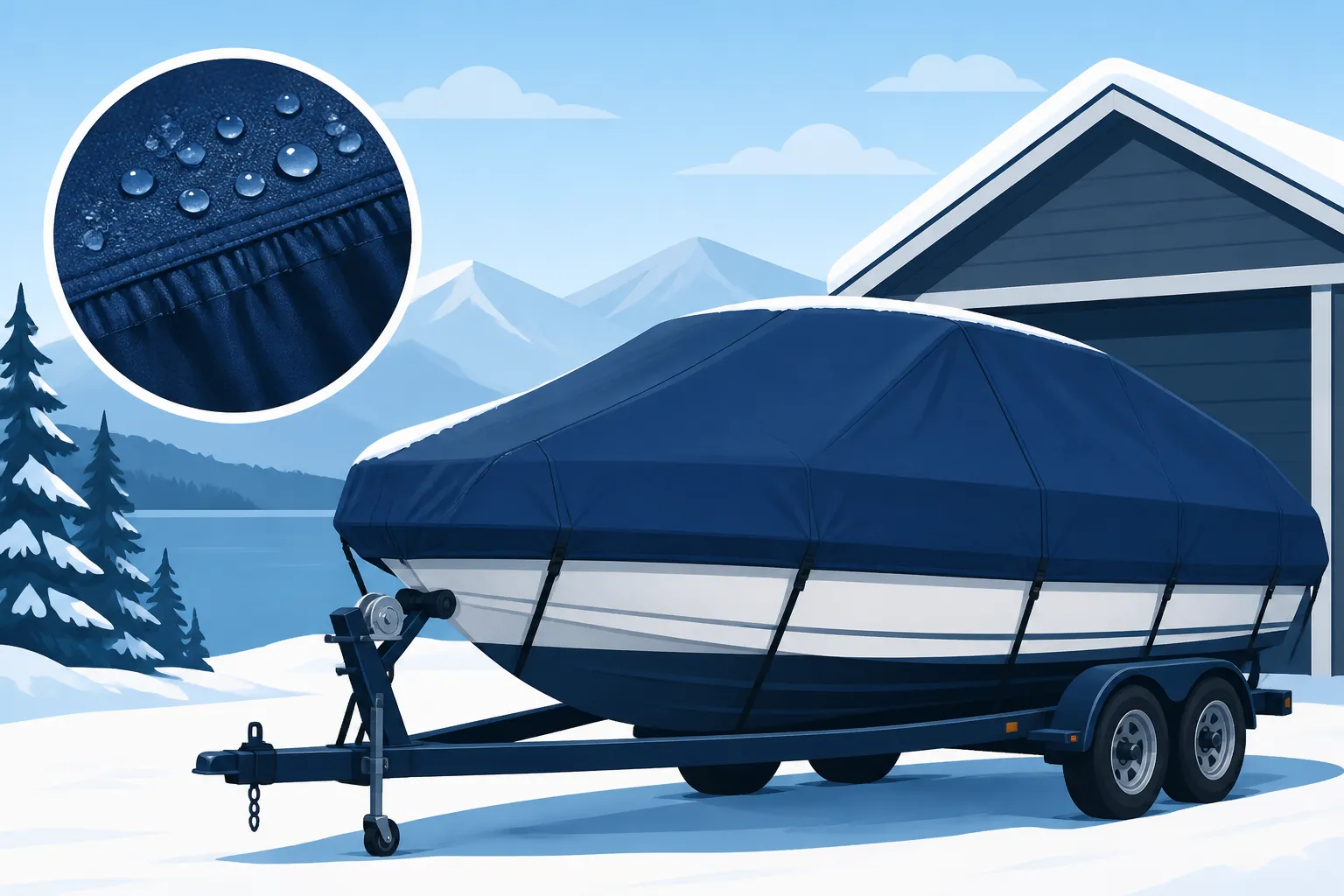
Waterproofing: This is obvious, right? Your cover needs to keep rain, melting snow, and ice out of your boat. Most quality covers achieve this through a combination of tightly woven fibers and a durable water-repellent (DWR) coating. Some materials might even have a laminated backing for extra protection. A truly waterproof cover will cause water to bead up and run off, preventing it from soaking through to your boat's interior. When you're looking at covers, pay attention to the seams as well; double-stitched and reinforced seams are crucial for maintaining waterproofing. A single weak seam can be a gateway for moisture.
-
Breathability: This is where many people go wrong. A cover that is only waterproof and doesn't breathe effectively can create a greenhouse effect underneath, trapping moisture and condensation. Imagine the temperature fluctuations in New Hampshire over winter – a cold night followed by a sunny, mild day. This can cause condensation to form inside the cover, leading to mildew, mold, and a stale, musty smell that is incredibly difficult to get rid of. A breathable cover, particularly those made from woven materials like acrylic canvas or specially designed vented polyester, allows this trapped moisture to escape while still preventing external precipitation from entering. This balance is critical for long-term health of your boat and is often overlooked. When thinking about New Hampshire Fishing Season Dates and Closures, a well-ventilated cover ensures your boat is fresh and mold-free when it's time to uncover it.
Key Features to Look for in a Winter Boat Cover
Beyond the material, the design and additional features of a boat cover play a huge role in its effectiveness for winter storage. These often dictate how well it stands up to heavy snow, high winds, and general wear and tear over months of inactivity. Don't just grab the cheapest cover; look for smart design choices that offer superior protection.
Proper Fit and Support Systems
A boat cover is only as good as its fit. A cover that's too loose will flap in the wind, causing chafing against your boat's finish and ultimately tearing itself apart. A cover that's too tight might not cover everything or could put undue stress on seams.
-
Custom-Fit vs. Semi-Custom vs. Universal:
- Custom-fit covers are made specifically for your boat's make, model, and year. They fit like a glove, providing the best protection and aesthetics. They are, however, the most expensive option.
- Semi-custom covers are designed for a range of boat styles (e.g., V-hull runabout, center console fishing boat) within certain length and beam parameters. They offer a much better fit than universal covers without the custom price tag.
- Universal covers are the most affordable and widely available, often found on Amazon. They're meant to fit a broad range of boats but rarely provide a truly snug fit. This often means they need extra effort to secure and support.
-
Support Systems: This is arguably the most critical feature for winter storage in New Hampshire. Without adequate support, snow and water will pool on top of the cover, creating heavy depressions that can eventually stretch, tear, or even collapse the cover. Worse, this pooled weight can damage your boat's windshield, railings, or even the hull.
- Look for covers that come with or recommend support poles or frames. These create a tent-like structure, allowing snow and water to shed off naturally. Adjustable support poles can be placed at strategic points to create peaks and valleys, guiding water away.
- Some boat owners create DIY support structures using PVC pipe or wooden frames. The goal is always to prevent any flat spots where precipitation can accumulate. This is especially important for New Hampshire Boating Laws for Anglers who store boats on trailers outdoors.
Reinforcements, Straps, and Vents
These details might seem minor, but they contribute significantly to a cover's durability and overall performance in harsh conditions.
- Reinforcements: Areas that experience high stress, such as corners, windshields, cleats, and rub rails, should have extra layers of material or reinforced stitching. This prevents premature wear and tear from friction and tension. Think about those sharp edges on your boat – a cover needs to be tough enough to resist constant rubbing.
- Strapping Systems: A robust strapping system is essential to keep the cover securely in place, especially against New Hampshire's notorious winter winds. Look for strong, adjustable straps with durable buckles that can withstand freezing temperatures without becoming brittle. Some covers use an elastic shock cord sewn into the hem, combined with belly straps that go under the boat, pulling the cover tight and preventing wind from getting underneath and lifting it. A good set of straps will ensure your investment stays covered through even the wildest winter storms.
- Vents: As discussed, breathability is key. Many quality covers include strategically placed vents, often covered with mesh or a flap, to allow air circulation while still preventing rain and snow from entering. These vents are crucial for preventing mildew, mold, and condensation buildup beneath the cover. They work in tandem with the material's inherent breathability to keep the boat's interior dry and fresh.
Considering UV Resistance and Mildew Protection
While the sun's intensity is lower in winter, UV rays can still take a toll on boat cover materials, leading to fading, brittleness, and a reduced lifespan. High-quality covers incorporate UV inhibitors into their fabric, helping them maintain their strength and color over many seasons of exposure. This is an important consideration, as a UV-damaged cover is more likely to tear or fail when you need it most.
Furthermore, even with good breathability, mildew can still be a concern in damp, enclosed environments. Many marine-grade covers are treated with mildew and rot inhibitors to prevent the growth of fungi and bacteria. This protection helps keep your cover looking good and smelling fresh, but more importantly, it prevents the spread of mildew to your boat's upholstery, carpeting, and other surfaces. When you're looking to protect your boat, consider options that explicitly state these protective treatments. It's a small detail that makes a big difference in the long-term health of both your cover and your boat.
DIY vs. Custom Boat Covers for Winter Storage
Deciding between a readily available, often more affordable cover and a custom-made solution is a common dilemma for New Hampshire boat owners. Both have their place, but the best choice often depends on your specific boat, storage conditions, and budget. There's no single right answer, but understanding the trade-offs can help you make an informed decision for your boat's winter slumber.
The Pros and Cons of Universal-Fit Covers
Universal-fit boat covers are the most accessible option for many anglers. You can often find them on short notice at major retailers or with quick shipping from online giants.
Pros:
- Affordability: They are typically much less expensive than custom or semi-custom options, making them attractive for those on a tight budget or for smaller, less expensive boats.
- Availability: Easy to find at local marine supply stores or online through platforms like Amazon, offering a quick solution when winter suddenly looms. You might even find a wide selection at a large outdoor retailer such as Bass Pro Shops.
- Flexibility: They are designed to fit a broad range of boat shapes and sizes, which can be useful if you're not entirely sure of your boat's exact dimensions or if you have an older, less common model.
Cons:
- Imperfect Fit: This is their biggest drawback. A universal cover rarely fits snugly, leading to excess fabric that flaps in the wind. This flapping causes friction and chafing against your boat's finish and quickly degrades the cover material itself.
- Poor Water Shedding: Without a proper taut fit, universal covers are highly prone to pooling water and snow. This creates heavy depressions that can stretch the fabric, compromise waterproofing, and eventually lead to tearing or even structural damage to your boat from the sheer weight.
- Reduced Protection: The loose fit means less protection against wind-blown debris, dust, and direct exposure to harsh weather. They are also less effective at allowing proper ventilation, increasing the risk of mildew.
- Shorter Lifespan: Due to the increased stress from wind and pooling, universal covers typically have a shorter lifespan compared to their better-fitting counterparts. This means you might end up replacing them more frequently, negating some of the initial cost savings. For those looking to keep their boat registered and ready for the next season, the lifespan of the cover is a critical consideration, alongside checking New Hampshire boat registration renewal period.
When a Custom Cover is Worth the Investment
While the initial cost is higher, a custom or high-quality semi-custom cover offers unparalleled protection and peace of mind, especially for boats stored outdoors in New Hampshire.
Pros:
- Superior Fit: A custom cover is precisely tailored to your boat's dimensions, contours, and accessories (like cleats, windshields, and bow rails). This snug fit eliminates flapping, chafing, and pooling, providing maximum protection.
- Excellent Water Shedding: The precise fit ensures the cover naturally sheds water and snow, preventing accumulation and the associated damage. This is especially vital for preventing long-term issues that could arise when winter turns into spring and brings Best Techniques for High Water Spring Conditions.
- Enhanced Durability: Because there's no excess fabric to flap or rub, and the material is evenly tensioned, a custom cover lasts significantly longer. It's designed to withstand the elements without premature wear.
- Optimized Protection: Custom covers often feature reinforced stress points exactly where your boat needs them, offering robust defense against sharp edges and high-friction areas. They are also typically made from premium, breathable, and UV-resistant materials.
- Aesthetic Appeal: Let's face it, a boat covered with a perfectly fitted, well-designed cover simply looks better, even in the middle of winter. This reflects well on your investment and care.
Cons:
- Higher Cost: The primary deterrent is the price. Custom covers are a significant upfront investment.
- Longer Lead Time: Custom covers need to be measured and manufactured, meaning you can't just grab one off the shelf. Planning ahead is crucial.
- Less Versatility: A custom cover is designed for your boat. If you change boats, it won't fit the new one.
For many New Hampshire boat owners with a substantial investment in their vessel, particularly if it's stored outside for extended periods, a custom or high-quality semi-custom cover is often the smarter long-term choice. It provides superior protection, extends the life of your boat, and ultimately saves you money and worry in the long run. Whether you're considering Best Boats for New Hampshire Lakes and Rivers or wondering about Best boat for fishing Lake Winnipesaukee, the cover protects what's underneath.
| Feature | Universal-Fit Cover | Semi-Custom Cover | Custom-Fit Cover |
|---|---|---|---|
| Fit Quality | Loose, often baggy | Good, designed for specific boat styles | Excellent, tailored precisely to your boat |
| Cost | Lowest | Moderate | Highest |
| Protection | Basic, prone to pooling/flapping | Good, decent against elements | Superior, optimal against all elements |
| Lifespan | Shorter, more prone to wear | Medium to Long | Longest, highly durable |
| Availability | Readily available (e.g., Amazon, Bass Pro Shops) | Often in stock or quick order | Requires measurement, longer lead time |
| Water Shedding | Poor, significant pooling risk | Good, minimal pooling with proper support | Excellent, sheds effectively |
| Ventilation | Varies, often inadequate | Generally good with vents | Excellent, often integrated ventilation systems |
| UV Resistance | Varies, often lower | Good | Excellent |
| Mildew Control | Lowest, higher risk | Good | Excellent |
| Ideal Use Case | Short-term, protected storage, budget boats | General outdoor storage, good value | Long-term outdoor storage, high-value boats |
Ultimately, the best boat cover for winter storage in New Hampshire is one that fits well, is made from durable, breathable, and waterproof material, and has a strong support system to shed snow and ice. It's an essential part of preparing your vessel for the off-season, ensuring it remains in prime condition for when you're ready to cast a line again next spring. Remember, a little preparation now saves a lot of heartache later.
Disclaimer
This article is for general informational purposes only and does not constitute professional advice. Laws, prices and regulations vary by location and change over time. Consult a qualified professional for guidance on your specific situation.