Best inline spinner for stream trout
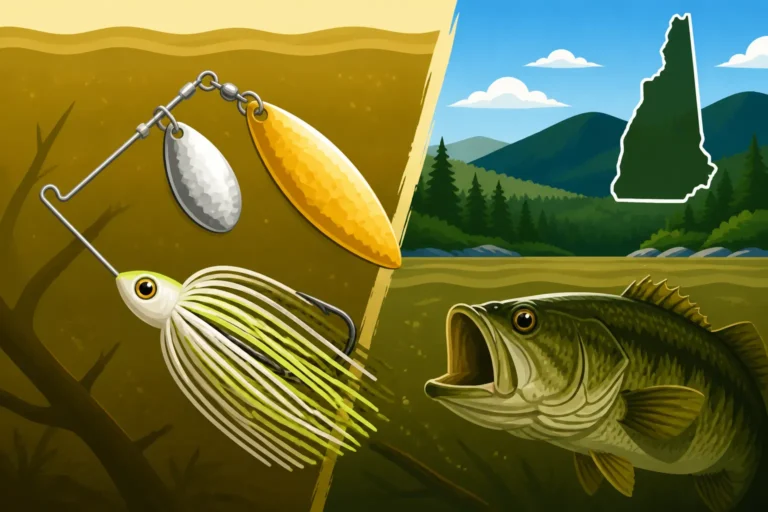
There's nothing quite like the crisp air of a New Hampshire morning, the sound of a rushing stream, and the anticipation of a trout tugging at your line. But let's be honest, figuring out which inline spinner to tie on can sometimes feel like trying to solve a puzzle with a thousand shiny pieces. You want something that will entice those feisty brookies, rainbows, or browns without spooking them, and cut through the current effectively. This guide is all about simplifying that choice, helping you understand the best inline spinners for New Hampshire's diverse stream trout, so you can spend less time guessing and more time reeling in those beautiful fish.
Why Inline Spinners Are a Go-To for Stream Trout
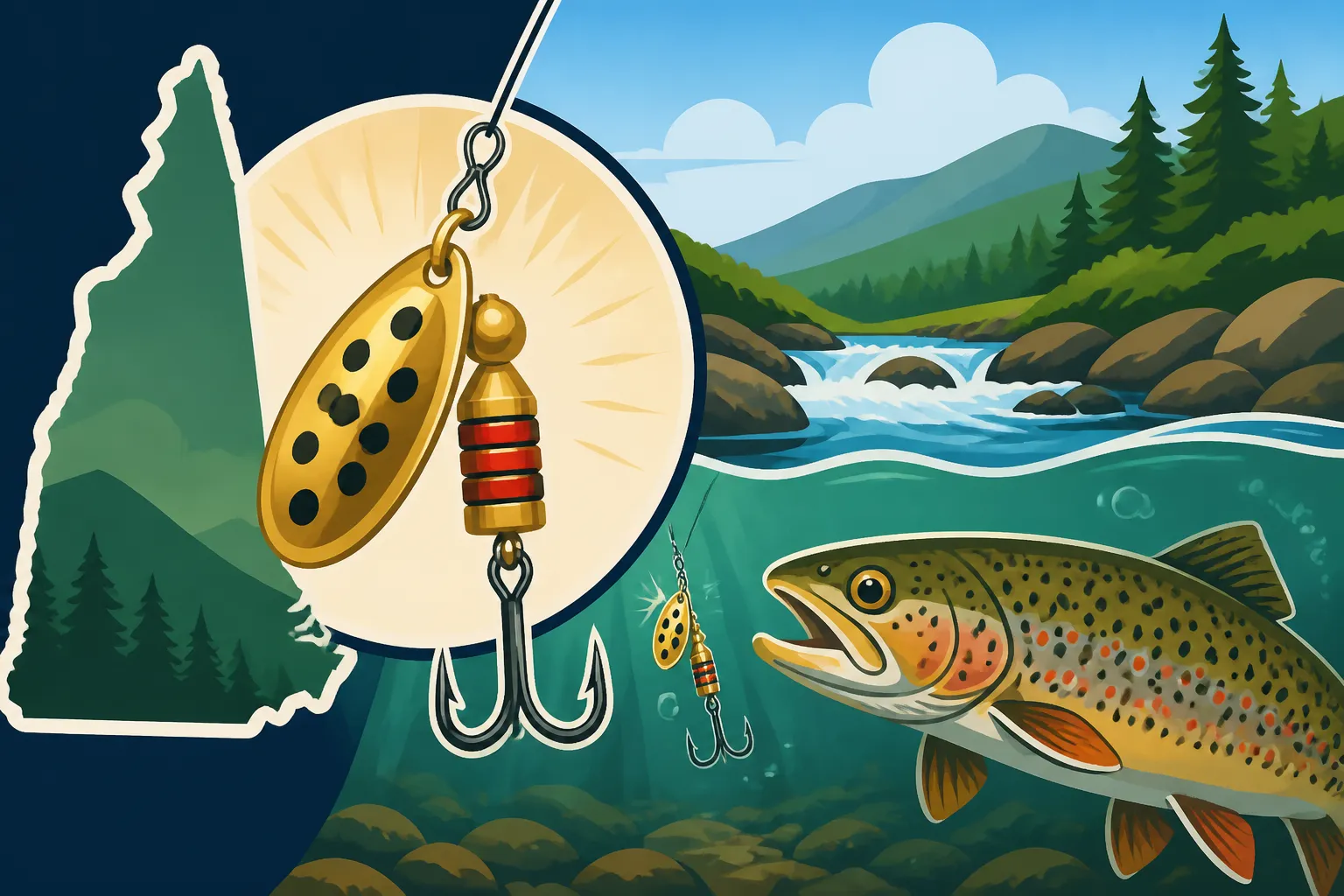
Inline spinners have been a staple in many an angler's tackle box for generations, and for very good reason. They are incredibly effective at mimicking fleeing baitfish or insects, sending out vibrations and flashes that trout simply can't resist. For stream fishing, where currents can vary wildly and trout often hold in specific pockets, the spinner's ability to cover water and grab attention makes it an indispensable tool.
The Irresistible Flash and Vibration
Imagine a small baitfish darting through the water, or a struggling insect swept downstream. That's essentially what a good inline spinner imitates. The rotating blade creates a mesmerizing flash, especially in clear stream water where visibility is high. This visual appeal is often enough to trigger a predatory strike from a hungry trout. It's a primal instinct, really – a flash of light often signals food.
Beyond the visual, the spinning blade also produces a distinct vibration in the water. This is crucial because trout don't just hunt by sight; they also feel changes in water pressure through their lateral line. Even if the water is a bit cloudy, or the fish is tucked under a log, that subtle thrumming vibration can alert them to the spinner's presence. It's like a dinner bell ringing underwater, drawing them out from their hiding spots. This combination of sight and feel makes inline spinners incredibly versatile, appealing to trout in various conditions, from bright sunny days to overcast ones, and in both clear and slightly stained waters.
Versatility Across Stream Conditions
New Hampshire's streams are incredibly diverse, from the roaring, boulder-strewn rivers of the White Mountains to the gentle, meandering brooks in the southern parts of the state. A big part of the inline spinner's enduring appeal is its adaptability. You can find them in a range of weights and blade styles, allowing you to effectively fish different water depths and current speeds.
For instance, in a fast, deep run, a heavier spinner with a broad blade might be necessary to get down to where the trout are holding and keep it there. Conversely, in a shallower, slower riffle, a lighter spinner with a more compact blade might be perfect for a delicate presentation that doesn't spook the fish. This adaptability means you don't need a dozen different lure types; often, a selection of inline spinners in various sizes and colors will cover most scenarios you'll encounter on a New Hampshire trout stream. It's a tackle box space-saver and a confidence booster rolled into one. If you're looking to explore more about general gear, check out our guide on Best Gear for New Hampshire Trout Fishing.
Key Features of an Effective Inline Spinner
Not all inline spinners are created equal, especially when you're targeting wily stream trout. Understanding the different components and how they influence performance will greatly improve your success rate. It's about matching the lure to the conditions and the fish's mood.
Blade Type and Its Impact on Action
The blade is the heart of an inline spinner, dictating its action, vibration, and flash. There are a few primary types, each with its own advantages:
- Willowleaf Blade: This is a long, slender blade, resembling a willow leaf. It creates less lift and vibration but spins very quickly, offering a subtle flash. It's excellent for faster currents where you want the spinner to cut through the water efficiently and stay deeper. Think of it for deeper runs in rivers like the Pemigewasset.
- Colorado Blade: At the other end of the spectrum, the Colorado blade is round and broad. It creates a lot of lift and a strong vibration, spinning slowly even at low retrieve speeds. This makes it ideal for slower moving water, deeper pools where you want maximum thumping action, or when fishing against the current in moderate flow. It's also great in lower light conditions or stained water because of its strong vibration.
- French (Agilia) Blade: This is probably the most common blade shape, oval or teardrop-shaped. It's a fantastic all-rounder, offering a good balance of flash, vibration, and lift. French blades spin easily and consistently, making them a superb choice for a wide variety of stream conditions. If you're just starting your spinner collection, French blade spinners are a great place to begin.
Choosing the right blade type depends on the specific stream section you're fishing. A fast riffle will perform better with a willowleaf, while a deep, slow bend might call for a Colorado. For general purpose fishing in moderate currents, the French blade is usually a winner.
Weight and Size for Current and Depth Control
The weight and size of your inline spinner are critical for controlling its depth and how it behaves in the current. A spinner that's too light for a fast current will simply wash downstream, never getting to the trout holding at the bottom. One that's too heavy for a shallow pool will snag constantly.
For most New Hampshire trout streams, particularly those with varying currents, you'll want a range of weights. Generally, 1/16 oz to 1/8 oz are excellent starting points for smaller to medium streams and typical trout sizes. If you're fishing larger rivers with stronger flows, or targeting deeper pools, you might go up to 1/4 oz or even 3/8 oz. The key is to select a weight that allows your spinner to sink to the desired depth and maintain that depth with a steady retrieve, without getting constantly swept away or snagging the bottom. Consider the average size of the trout you expect; smaller spinners (size 0 or 1) are often best for smaller brook trout, while larger ones (size 2 or 3) can attract bigger browns and rainbows. If you're exploring different fishing spots, understanding Best Fishing Rivers in New Hampshire might help you decide on appropriate spinner sizes.
Color and Dressings: Matching the Hatch (or Mood)
Spinner color can make a huge difference, often being the subtle trigger that convinces a hesitant trout to strike. While there's no single "best" color, certain patterns tend to perform well in specific conditions:
- Bright Colors (Chartreuse, Orange, Firetiger): These are fantastic in stained or murky water, low light conditions (dawn/dusk), or when trout are particularly aggressive. They provide high contrast and visibility, grabbing attention when natural colors might be overlooked.
- Natural Colors (Silver, Gold, Copper, Black, Brown): These imitate natural baitfish or insects and are often best in clear water or bright sunlight. Silver is a perennial favorite, mimicking a variety of baitfish. Gold can be great on overcast days or in tannic water. Black can be surprisingly effective, especially on clear, sunny days when it creates a strong silhouette against the bright sky.
- Dressings: Many inline spinners come with a feathered or bucktail dressing on the treble hook. These add extra appeal by mimicking tails or insect legs, providing a softer, more lifelike profile in the water. Sometimes the subtle pulse of a marabou tail is all it takes.
It's always a good idea to carry a variety of colors and experiment. Trout can be finicky, and what works one day or in one section of a stream might not work the next. A good rule of thumb is bright for murky, natural for clear, and always have a silver and gold option. You can find a huge variety of these at your local Bass Pro Shops or explore the extensive options available on Amazon.
Hook Quality and Barbless Options
The hook is where the rubber meets the road, or rather, where the fish meets the line. High-quality, sharp hooks are paramount for good hook-sets and secure landings. Many premium inline spinners come with excellent hooks right out of the package.
However, for stream trout, especially if you practice catch and release, choosing barbless hooks or crimping down the barbs on your existing hooks is a highly recommended practice. Barbless hooks minimize damage to the fish, making release much easier and increasing their survival rate. Many anglers specifically choose barbless for their stream fishing, knowing that those wild brook trout are precious. Always check local regulations, as some New Hampshire Fishing Regulations Explained or special regulation waters may even require barbless hooks.
Top Picks and Considerations for New Hampshire Streams
With so many inline spinners out there, it's easy to get overwhelmed. But when it comes to New Hampshire stream trout, a few brands and styles have consistently proven themselves effective. These are the workhorses that have earned their reputation on countless outings.
Classic Models That Consistently Produce
There are some inline spinners that are practically legendary among trout anglers, and for good reason—they just work!
- Mepps Aglia: This is arguably the most famous inline spinner in the world, and it's a staple for New Hampshire trout. Its classic French blade spins effortlessly and reliably, creating an enticing flash and vibration. Mepps Aglias come in a vast array of sizes (from tiny #00 up to #5 and beyond, but #0 to #3 are best for streams) and colors (silver, gold, black fury, copper). The "Black Fury" pattern, with its black blade and fluorescent dots, is particularly deadly in various conditions. It’s an ideal choice for both stocked and wild trout, offering a consistent action that fish find irresistible. If you're ever wondering what to throw, a Mepps Aglia in silver or black is a fantastic starting point. You can easily stock up on these through retailers like Amazon.
- Rooster Tail: The Worden's Rooster Tail is another iconic spinner, easily identifiable by its unique hackle tail dressing. This dressing adds a pulsating action and an extra visual attractant that often seals the deal. Rooster Tails are excellent for casting and retrieving, and their variety of colors, from natural browns and greens to bright chartreuse and firetiger, ensures you have options for any water clarity or light condition. They are particularly good for rainbow trout and brook trout. The added bulk of the hackle can sometimes tempt larger fish.
- Panther Martin: Known for its inverted blade design that creates a unique hydrodynamic action, the Panther Martin spinner has a distinct, deep thumping vibration. This spinner is a personal favorite for many because of its heavy body and ability to cast well, even in windy conditions. The blades are often brightly colored, and they come in a range of sizes that are perfect for stream fishing. The gold blade with yellow dots or silver with red dots are highly effective on New Hampshire trout. Their solid construction means they hold up well to repeated use.
Having a selection of these three classics in various sizes and colors will set you up for success on almost any New Hampshire trout stream, whether you're targeting brook trout in a small mountain stream or larger browns in a wider river.
Matching Spinners to Specific New Hampshire Trout Species
New Hampshire is home to beautiful brook trout, rainbow trout, and brown trout, each with their own habits and preferences. While inline spinners work for all, tailoring your choice can increase your odds.
- Brook Trout: Our native brookies, often found in smaller, colder, higher-elevation streams, tend to be less picky but can be spooked easily by large presentations. For them, stick with smaller spinners (sizes #00 to #1) like a Mepps Aglia or Rooster Tail. Subtle colors like silver, gold, or even black are often fantastic. Their aggressive nature means they'll often hit something small and flashy moving through their territory. Consider small streams that are part of New Hampshire's Native Trout habitat, where delicate presentations often pay off.
- Rainbow Trout: Rainbows are often found in stocked waters and larger streams. They are generally aggressive and will hit a wider range of spinners. Sizes #1 to #2 are a good starting point. Bright colors like chartreuse, orange, or firetiger Rooster Tails can be very effective, especially right after stocking. However, in clearer water, don't shy away from natural silver or gold Mepps Aglias. Rainbows are often acrobatic fighters, so a good hook set is crucial!
- Brown Trout: Brown trout are typically warier and often prefer larger meals, especially the trophy-sized ones that hold in deeper pools and under cover. For browns, you might size up to a #2 or #3 spinner. Natural baitfish patterns (silver, gold, copper) are often preferred, as are spinners with a darker, more subtle presentation like a black or brown Mepps Black Fury. Brown trout can be found in many of the larger rivers, where a slightly heavier spinner helps maintain depth in stronger currents.
Understanding the specific traits of each species and the typical size of fish in a given water body will guide your spinner selection. It's not uncommon for an angler to carry a small selection of spinners specifically for the type of trout they expect to encounter.
Techniques for Fishing Inline Spinners in Streams
Tying on the right spinner is only half the battle; knowing how to present it effectively is just as important. Stream fishing with inline spinners requires a nuanced approach, factoring in current, depth, and fish behavior.
Casting and Retrieval Strategies
How you cast and retrieve your spinner can make or break your day on the water. It's about making the spinner look as natural and appealing as possible to the trout.
- Casting Upstream and Across: One of the most effective strategies is to cast your spinner slightly upstream and across the current. This allows the spinner to sink to the desired depth as it drifts downstream before you even begin your retrieve. As it swings down and across, it mimics a baitfish or insect being swept naturally by the current, presenting a broadside view to waiting trout. Begin a slow, steady retrieve as the spinner approaches you, just enough to get the blade spinning. The goal is to keep the spinner just above the bottom, where trout often lie in ambush.
- Casting Downstream (Less Common but Effective): While less common, casting directly downstream and retrieving against the current can also be effective, especially in slower pools or when fishing eddies. This forces the blade to spin quickly, creating a strong vibration. Be mindful of line twist if you do this repeatedly, as the current can put a lot of pressure on your line.
- Varying Retrieve Speed: Don't just reel at one speed. Experiment! Sometimes trout want a faster, more aggressive retrieve, while other times a slow, methodical crawl is the ticket. Pay attention to how the blade is spinning—you want it to rotate consistently without stalling. If you feel the blade stop spinning, speed up your retrieve slightly. If it's spinning too fast, causing it to rise too high in the water column, slow down. Often, a slight hesitation or twitch during the retrieve can trigger a follow or strike from a hesitant fish.
Reading the Water and Targeting Holding Lies
Successfully fishing inline spinners means understanding where trout hold in a stream. Trout are always looking for three things: food, cover, and current breaks.
- Pools and Eddies: These are classic trout holding spots. Pools offer depth and usually slower currents, allowing trout to conserve energy. Cast your spinner to the upstream end of a pool and let it sink as it drifts through. Eddies, the calmer water behind rocks or logs, are prime ambush points. Cast your spinner into the main current just upstream of an eddy, letting it drift into the calmer water.
- Riffles and Runs: While these areas might seem too fast, trout often hold in the slightly calmer pockets behind rocks, boulders, or ledges within riffles. The fast water brings food, and the cover provides protection. A heavier inline spinner cast upstream into a fast run can be incredibly effective, as it allows you to get the lure down to the fish quickly.
- Undercut Banks and Overhanging Vegetation: Trout love structure. Undercut banks provide overhead cover and often create deeper, slower pockets. Cast your spinner parallel to the bank, letting it drift naturally. Overhanging branches offer shade and protection from aerial predators; fishing tight to these can yield results. For more details on these natural habits, consider reading about Brook Trout: New Hampshire's Native Trout.
- Log Jams and Boulders: Any significant structure in a stream will create current breaks and potential hiding spots. Approach these areas carefully, casting your spinner just upstream of the obstruction and letting it drift past. Be prepared for a strike as it clears the cover.
Always try to approach a fishing spot stealthily. Trout have excellent eyesight and can feel vibrations through the bank. Keeping a low profile and making accurate casts can make all the difference. Remember, knowing Wading Techniques for New Hampshire Trout Streams can help you approach these spots without spooking the fish.
Adjusting for Water Clarity and Light Conditions
The environment of a stream can change rapidly, and your spinner choice and technique should adapt with it.
- Clear Water, Bright Sun: In these conditions, trout can be very spooky and highly visual. Opt for natural colors like silver, gold, or black. Smaller spinner sizes (#00 to #1) are often best to avoid overwhelming the fish. A delicate presentation is key, casting upstream and letting the spinner drift naturally with minimal retrieval to mimic a helpless insect. Fish slower pools and shaded areas where trout might feel more secure.
- Stained Water, Overcast Days: When the water is murky from recent rain or it's a cloudy day, visibility is reduced. This is when flash and vibration become paramount. Brighter colors like chartreuse, orange, or firetiger, or highly contrasting colors like a black blade with fluorescent dots (Mepps Black Fury), will stand out. Larger blade types (Colorado or larger French blades) that generate more vibration can help trout locate your lure. A slightly faster retrieve might also be effective to ensure the blade is spinning actively and sending out those crucial vibrations. If you are interested in stocked trout, knowing How to catch trout right after stocking in New Hampshire is also helpful.
- Low Light (Dawn/Dusk): These are prime feeding times for many trout species, especially larger brown trout. The reduced light often makes trout bolder. Again, bright or contrasting colors work well, but don't overlook black, which creates a strong silhouette against the sky. The fish are often more active and willing to chase, so a slightly more aggressive retrieve can be effective. This is often the best time to target those elusive trophy fish.
By paying attention to these factors and adjusting your spinner choice and technique, you'll greatly improve your chances of a successful and enjoyable day on New Hampshire's trout streams. Always double-check New Hampshire Trout Stocking and Fishing Rules and New Hampshire daily trout limit before you head out, as regulations can vary.
| Spinner Model | Blade Type | Recommended Sizes | Key Features & Best Use | Primary Colors |
|---|---|---|---|---|
| Mepps Aglia | French | #00, #0, #1, #2 | Versatile, consistent spin, wide range of colors. Great all-rounder for most conditions. | Silver, Gold, Black Fury |
| Rooster Tail | Willowleaf | 1/32 oz, 1/16 oz, 1/8 oz | Unique hackle tail, strong flash, good for casting. Attracts aggressive rainbows. | Chartreuse, White, Black, Brown |
| Panther Martin | Inverted | 1/32 oz, 1/16 oz, 1/8 oz | Deep thumping vibration, heavy body for good casting, effective in current. Good for browns. | Gold/Yellow, Silver/Red, Black |
| Blue Fox Vibrax | French | #0, #1, #2 | Patented two-part body creates unique sound/vibration, excellent in clear water. | Silver, Gold, Copper |
Disclaimer
This article is for general informational purposes only and does not constitute professional advice. Laws, prices and regulations vary by location and change over time. Consult a qualified professional for guidance on your specific situation.