Best crawfish imitation lure for lake bass
Oh, the quest for that perfect bass bite! There’s nothing quite like it, is there? Many of us spend countless hours staring at our tackle boxes, wondering which lure will truly entice those elusive lake bass. If you've ever felt like your current arsenal just isn't cutting it, especially when bass are being finicky, you’re in the right place. This guide is all about diving deep into one of the most consistently effective baits: the humble, yet mighty, crawfish imitation lure, and how to make it work wonders for your lake bass fishing adventures right here in New Hampshire.
Why Crawfish Are an Irresistible Meal for Lake Bass
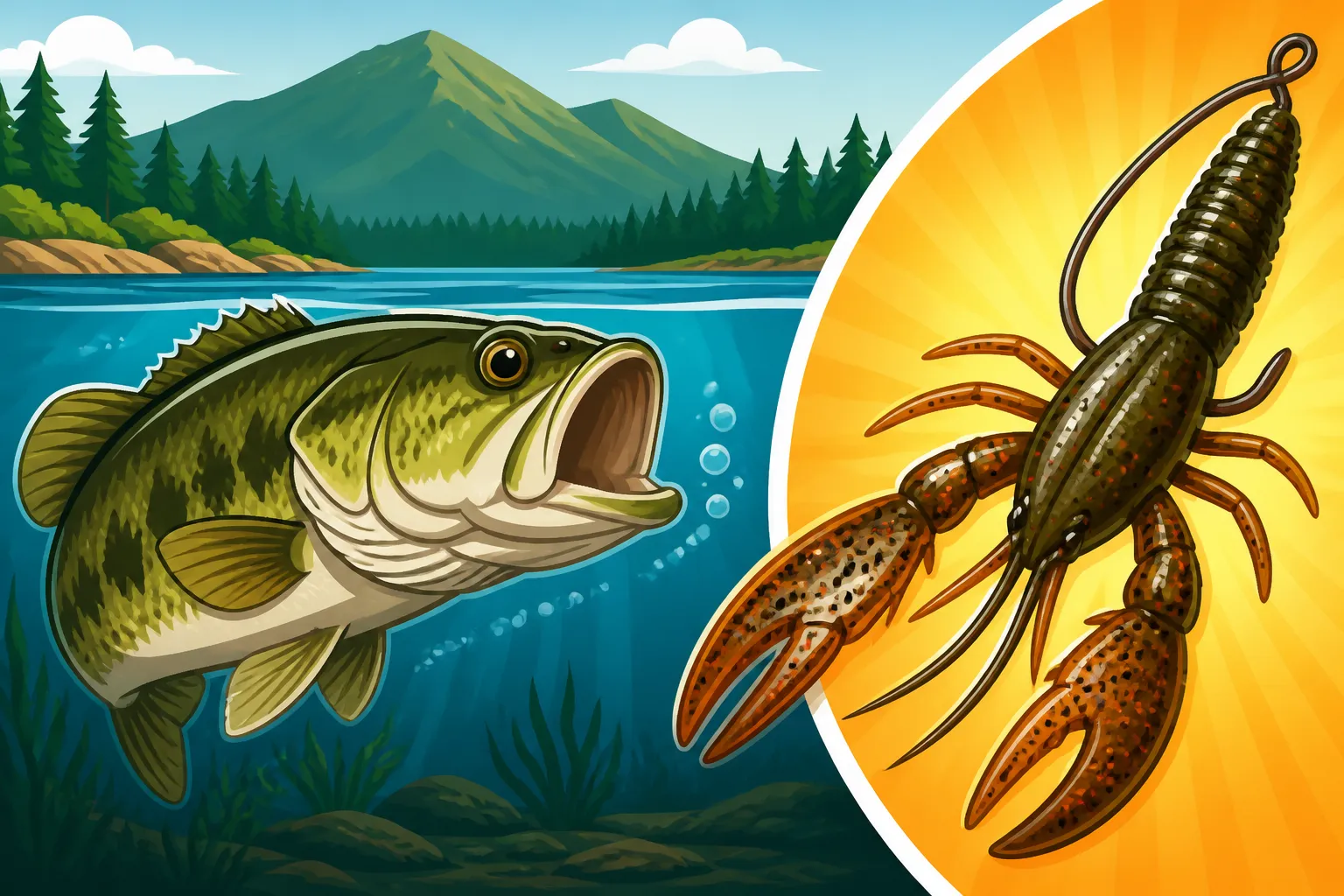
Let's be real, if you’ve spent any time around New Hampshire's lakes, you know that crawfish are a staple in the diet of a hungry bass. These crustaceans are often overlooked by anglers who stick to flashy spinnerbaits or speedy crankbaits, but savvy bass know a good meal when they see one. Understanding why bass love crawfish so much is the first step to truly mastering these imitation lures.
The Bass Diet Connection: A Year-Round Delicacy
Think about it: crawfish are everywhere in healthy lake environments. They scuttle around rocky bottoms, hide under logs, and burrow into mud. For a bass, they represent a high-protein, easy-to-catch meal that doesn't require a lot of energy to chase down. When you’re talking about sustained feeding throughout the year, especially when other baitfish might be scarce or too fast, crawfish are a consistent food source. They're like the comfort food of the bass world – always available, always satisfying. This makes them incredibly important, whether you're fishing a clear, rocky lake like Newfound or a more fertile pond in southern New Hampshire.
Consider a scenario in late summer. Water temperatures are high, and baitfish are scattered and elusive. Bass are often hunkered down, conserving energy, and not willing to chase far. That’s when a slow-moving, lifelike crawfish imitation dragged along the bottom suddenly becomes the most appealing thing in the water. It’s a guaranteed meal that requires minimal effort from the bass, making it a go-to choice when conditions make active hunting difficult.
Seasonal Availability and Bass Predation Patterns
Crawfish aren't just a year-round snack; their availability actually dictates bass behavior throughout the seasons. In spring, as water temperatures rise, crawfish become more active after their winter dormancy. They emerge from their burrows, making them easy targets for pre-spawn and spawning bass looking to pack on calories. Then, in the summer, they molt frequently, leaving them soft-shelled and vulnerable – another prime time for bass to feast. As fall approaches and water temperatures cool, crawfish might not be as active, but they're still present, burrowing into deeper rocks and cracks, which bass will root them out of.
This seasonal pattern means that a crawfish imitation isn't just a "sometimes" lure; it's a "most of the time" lure. During the spring, when bass are cruising the shallows preparing to spawn, a crawfish jig crawled along a rocky bank can be absolutely deadly. Best Bass Fishing Techniques for Squam Lake often involve mimicking these natural food sources. Come fall, as bass move deeper, mimicking a crawfish scurrying for cover near drop-offs can yield incredible results. Even through the ice, bass will occasionally pick off a crawfish that's moved sluggishly. Knowing these patterns helps you not just choose the lure, but also when and where to present it for maximum impact.
Different Types of Crawfish Imitation Lures for Your Tackle Box
The market is flooded with crawfish imitation lures, and for good reason. Each type offers a slightly different action, presentation, and versatility, allowing you to "match the hatch" more effectively to the specific conditions and mood of the bass. Building a diverse collection is key to being prepared for any situation you encounter on New Hampshire's waters. You can find a vast array of options, from budget-friendly choices to premium brands, at retailers like Bass Pro Shops or even through online vendors like Amazon.
Jigs and Soft Plastic Trailers: The Classic Combo
The jig and soft plastic craw trailer is arguably the most iconic crawfish imitation setup, and for good reason. The jig itself provides weight for bottom contact and a compact profile, while the soft plastic trailer adds realistic movement. These come in countless colors and sizes, allowing you to perfectly imitate the local crawfish species in your favorite New Hampshire lake. A football head jig, for instance, is perfect for dragging over rocky bottoms without getting snagged, mimicking a crawfish trying to escape.
When you pair a dark-colored jig (like black and blue or green pumpkin) with a matching soft plastic craw, and slowly drag or hop it along the bottom, it's incredibly difficult for a bass to resist. The jig head does the initial work, getting down to the structure, and the subtle flapping claws of the trailer provide that irresistible "live" action. This setup is fantastic for targeting larger, more lethargic bass that are holding tight to cover, whether it's submerged timber or a rocky ledge. It allows for a slow, methodical presentation that often triggers a strike from even the most cautious fish.
Creature Baits and Texas Rigs: Versatility and Weedlessness
Creature baits often blend elements of crawfish, lizards, and other forage, but many are designed with strong crawfish characteristics like prominent claws and segmented bodies. When rigged Texas-style, with the hook point embedded in the plastic, they become incredibly weedless, making them ideal for fishing through thick vegetation, brush piles, or heavy cover that would snag other lures. This weedless presentation is crucial in many New Hampshire lakes that feature dense aquatic grasses or flooded timber.
Imagine you're fishing a shallow cove on Lake Winnipesaukee with lots of lily pads and submerged weeds. Throwing a traditional jig there would be a nightmare. But a green pumpkin creature bait, Texas-rigged and pitched into those same pockets, can be crawled over the weeds and dropped into openings, presenting a perfect, snag-free crawfish imitation to bass hiding in the green stuff. The Texas rig allows for a more aggressive presentation in heavy cover, where bass are often ambushing prey. Best Tackle for New Hampshire Smallmouth Bass often includes various creature baits for these situations.
Crawfish-Pattern Crankbaits and Lipless Cranks: Covering Water
While jigs and creature baits excel at slow, methodical presentations, crawfish-pattern crankbaits and lipless crankbaits allow you to cover more water quickly. These lures are designed to dive to specific depths and, with their vibrant colors and erratic movements, mimic a crawfish darting across the bottom or scurrying away from a predator. They're excellent for locating active bass, especially in broader areas or when trying to find schools of fish.
For instance, a shallow-diving crankbait with a realistic brown or orange crawfish pattern can be incredibly effective when bass are feeding actively on flats or along shallow rock piles in the spring or fall. It bumps off the bottom and deflects off structure, creating an erratic action that often provokes a reaction strike. Lipless crankbaits, on the other hand, are fantastic for ripping through submerged grass or yo-yoing near drop-offs, emitting vibrations that mimic a distressed crawfish. You'll find many excellent options for Best Crankbaits for New Hampshire Smallmouth Bass that feature lifelike crawfish colors and designs.
Soft Plastic Craws for Finesse Applications: Subtle Temptation
Sometimes, bass need a more subtle presentation, especially in clear water or when fishing pressure is high. This is where dedicated soft plastic craws, often fished on a shaky head, Ned rig, or drop shot, really shine. These smaller, more realistic imitations offer minimal action, relying on their lifelike profile and subtle movements to draw strikes from wary bass. Their buoyancy and softness allow for incredibly natural presentations.
Imagine fishing a crystal-clear section of the Connecticut River or one of New Hampshire's smaller, highly pressured ponds. A bulky jig might spook the fish, but a small, realistic soft plastic craw on a light jig head, gently shaken or slowly dragged, can be the ticket. It perfectly mimics a crawfish subtly moving along the bottom, not fleeing in a panic, and that unthreatening presentation can be the difference between a bite and an empty hook. For these finesse techniques, checking out a specialty tackle shop or looking up specific brands on Amazon can yield excellent results for realistic soft plastic options.
Choosing the Right Crawfish Lure for New Hampshire Lakes
Selecting the best crawfish imitation isn't just about picking a pretty lure; it's about understanding the nuances of the water you're fishing and the behavior of the bass. New Hampshire offers a diverse range of lake environments, from deep, cold mountain lakes to shallower, warmer ponds. Each demands a slightly different approach when it comes to lure selection.
Matching the Hatch: Color and Size
The golden rule of fishing is "match the hatch," and it applies perfectly to crawfish. The color of crawfish can vary greatly depending on their local environment and even their stage of molting. In New Hampshire, you'll generally find crawfish in various shades of brown, green, orange, and red. Take a moment to observe the local forage if possible, or consult a local bait shop. If you’re fishing a lake with lots of dark rocks and stained water, a black and blue or dark green pumpkin craw might be ideal. In clearer waters with lighter, sandy bottoms, a lighter brown or natural green pumpkin could be more effective. When crawfish are molting, they often have softer shells and appear more reddish or orange, making those colors excellent choices.
Size matters, too. A tiny, 1.5-inch craw might be perfect for pressured bass or smaller ponds, while a beefy 4-inch imitation is often necessary to tempt a trophy largemouth or smallmouth in a larger lake like Winnipesaukee. Don't be afraid to experiment. Sometimes, a slightly larger or smaller profile than what you typically see can trigger a strike purely out of curiosity or aggression.
| Lure Type | Best Conditions | Common Colors | Ideal Sizes | Key Action |
|---|---|---|---|---|
| Jig with Plastic Craw | Bottom fishing, heavy cover, structure | Green Pumpkin, Black/Blue | 3-4 inches (trailer) | Drag, hop, twitch, subtle claw movement |
| Texas-Rigged Creature Bait | Heavy weeds, brush, wood | Green Pumpkin, Watermelon | 3-5 inches | Pitch, flip, slow crawl, weedless |
| Crawfish Crankbait | Covering water, active bass, rocky areas | Red, Orange, Brown | 2-3 inches (body) | Erratic dive, deflect off structure, vibrate |
| Finesse Soft Plastic Craw | Clear water, pressured bass, subtle bites | Green Pumpkin, Natural | 2-3 inches | Subtle shake, slow drag, minimal disturbance |
Action and Presentation in New Hampshire Waters
Beyond color and size, the action of your lure and how you present it are paramount. Crawfish don't zip through the water; they scuttle along the bottom, occasionally darting backward to escape danger. Your imitation should mimic this. A jig and craw combo, for example, is best presented with a slow drag, a subtle hop, or a gentle shake, allowing the craw's claws to slowly undulate. Think about the terrain – is it rocky, sandy, or muddy? Tailor your retrieve to that bottom structure.
In a deep, clear lake like Newfound, bass might be holding tight to rocky outcroppings. A slow, precise presentation with a jig is often more effective than a fast retrieve. Conversely, in a shallower, warmer pond with abundant vegetation, a Texas-rigged creature bait "punched" through the mats or slowly retrieved over lily pads will get their attention. The goal is to make the lure appear as natural and vulnerable as possible to the bass. How to Catch Largemouth Bass in New Hampshire often depends heavily on understanding these subtle presentations.
Considering Water Clarity and Depth
New Hampshire's lakes boast a wide range of water clarities and depths. Some lakes are incredibly clear, almost gin-clear, while others can be stained or muddy, especially after heavy rains or in shallower, warmer sections. Water clarity heavily influences your lure choice and presentation. In very clear water, bass rely more on sight, so a highly realistic, natural-colored craw with subtle action will often outperform something flashy. Light line and a long cast are also key to avoiding spooking fish.
Conversely, in stained or murky water, bass rely more on their lateral line (which detects vibrations) and scent. Here, a crawfish imitation with a larger profile, more aggressive action, or added scent might be more effective. Darker colors, especially black and blue, can create a stronger silhouette in low visibility. When fishing deeper water, you'll need heavier jigs or crankbaits that can quickly reach the bottom and stay there. For shallow water, lighter jigs or smaller crankbaits will keep your lure in the strike zone without constantly digging into the bottom. It’s a constant dance between what the bass are seeing, feeling, and sensing. Best Fishing Rods for New Hampshire Lakes will give you an idea of rods suitable for handling various lure weights and conditions.
Effective Techniques for Fishing Crawfish Imitations for Lake Bass
Having the right crawfish imitation lure is only half the battle. Knowing how to present it effectively to those New Hampshire lake bass is where the magic truly happens. These aren't lures you simply reel straight in; they demand a more nuanced approach to truly unlock their potential.
Bottom Contact is Key: Feeling the Lake Floor
Crawfish live on or near the bottom, so your imitation needs to do the same. This means you need to feel the bottom. Whether you're dragging a jig, crawling a creature bait, or bumping a crankbait, maintaining contact with the lake bed is crucial. This is where a sensitive rod and braided line with a fluorocarbon leader really pay off. You want to feel every rock, every twig, every change in substrate. When you feel a "tick" or a "thump," it could be a bass, but it could also be a crawfish moving over a piece of gravel. Learning to distinguish these feelings comes with practice.
For example, when fishing a rocky point on Lake Winnipesaukee, try a football head jig with a plastic craw trailer. Cast it out, let it sink to the bottom on a semi-slack line, and then slowly drag it back, pausing frequently. Feel for the subtle resistance of rocks or the distinct "thump" of a bass inhaling your bait. If you’re not making consistent bottom contact, you're not where the crawfish are, and therefore, likely not where the bass are feeding on them. This meticulous approach often outproduces frantic retrieves that miss the prime strike zone.
"Crawling" and Hopping Retrieves: Mimicking Natural Movement
The most effective retrieve for a crawfish imitation often mimics the natural movement of a real crawfish. This generally involves a slow, deliberate "crawling" action or short, sharp "hops." For crawling, cast your lure out and let it sink. Then, with your rod tip slightly elevated, slowly drag the lure across the bottom using your reel handle. Pause for a few seconds, then drag again. This makes the craw appear to be scuttling along, pausing to feed, or hiding. The pauses are absolutely critical, as many strikes happen when the lure is motionless on the bottom.
For hopping, after your lure hits the bottom, give your rod tip a short, sharp twitch or lift, making the lure hop up a few inches, then let it fall back down on a semi-slack line. The fall often imitates a crawfish darting backward to escape. These hops can be short and subtle or more aggressive, depending on the bass's mood. Experiment with the cadence – two hops, a pause; one long drag, three short hops. Varying your retrieve is essential, as what works one day might not the next. These techniques are often highlighted in guides like How to Catch Smallmouth Bass in New Hampshire Lakes.
Pitching and Flipping into Cover: Targeting Ambush Points
New Hampshire bass, especially largemouth, love to ambush prey from heavy cover. This makes pitching and flipping crawfish imitations into dense vegetation, fallen trees, docks, and rock piles incredibly effective. Pitching is a quiet, accurate cast for slightly further distances, while flipping is a shorter, pendulum-like motion for extremely precise, close-range presentations. Both allow you to drop your crawfish imitation right into a bass's living room without spooking it.
When you're fishing a thick brush pile or a dock on Pawtuckaway Lake, use a Texas-rigged creature bait. Pitch or flip your lure silently into the densest part of the cover. Let it sink, jiggle it in place for a few seconds, then slowly pull it out or let it fall into another opening. Many strikes will be subtle, feeling like a slight "mushy" feeling or just added weight. Set the hook immediately! These techniques allow you to probe tight spots where big bass often hide, waiting for an unsuspecting crawfish to wander by. Having a stout rod and strong line is crucial for pulling these fish out of heavy cover once they bite. If you're looking for specific gear, check out Best Baitcaster for Pitching Jigs to Laydowns.
Remember, persistence and experimentation are key when fishing crawfish imitations. Pay attention to how the bass react, and don't be afraid to change colors, sizes, or retrieve styles until you unlock their feeding pattern.
Disclaimer
This article is for general informational purposes only and does not constitute professional advice. Laws, prices and regulations vary by location and change over time. Consult a qualified professional for guidance on your specific situation.