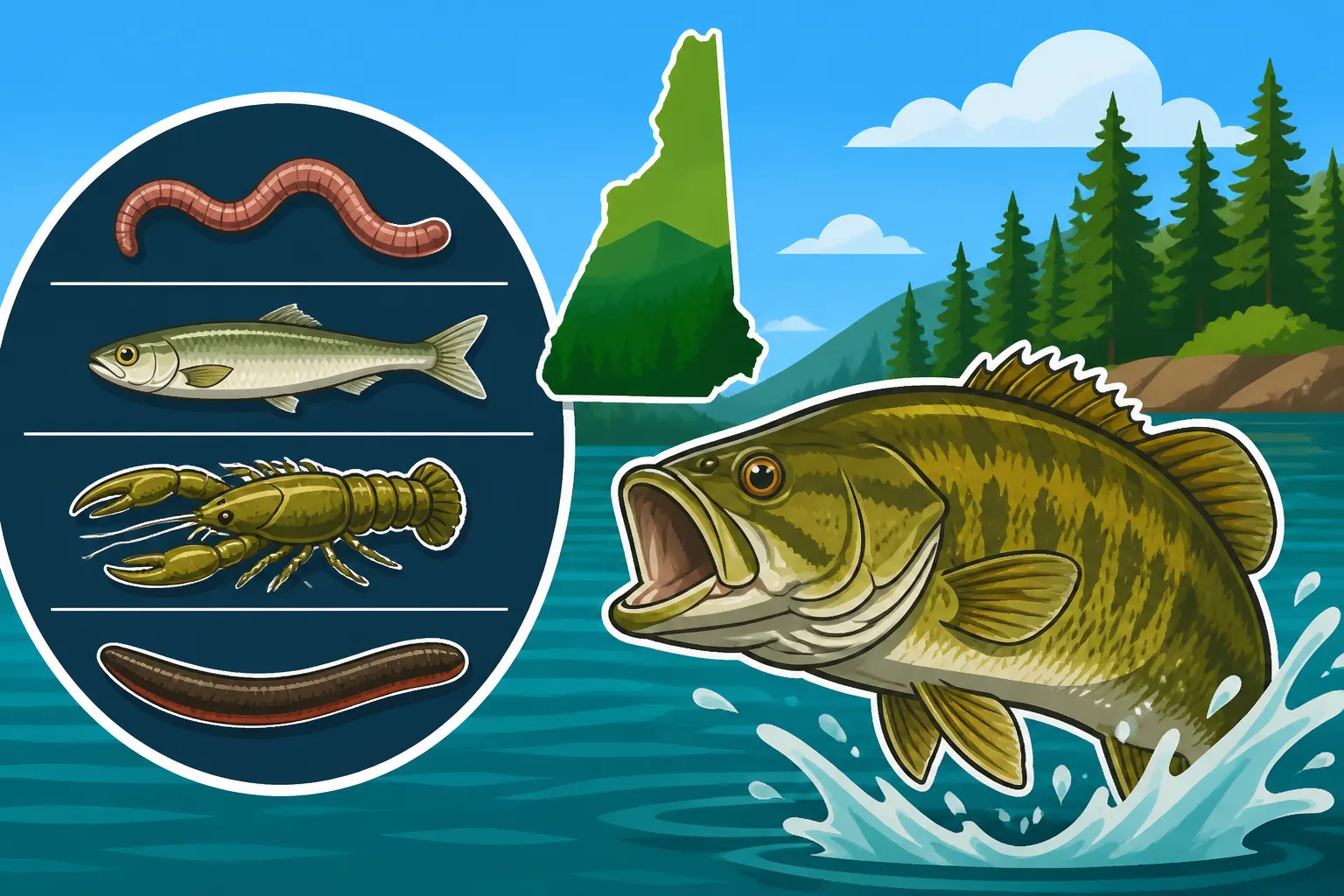
Best live bait for smallmouth bass
There's nothing quite like the thrill of chasing smallmouth bass in New Hampshire's pristine lakes and rivers. But let's be honest, sometimes those bronzebacks can be incredibly finicky, ignoring every fancy lure or plastic you throw their way. That's where live bait comes into its own, often being the secret weapon that turns a frustrating day into an unforgettable one. This comprehensive guide will dive deep into the world of live bait for smallmouth bass, covering everything from why it works so well to the best options, rigging techniques, and how to keep it fresh and legal in the Granite State.
Why Live Bait Reigns Supreme for New Hampshire Smallmouth
When it comes to enticing a strike from a wary smallmouth bass, especially in clear, pressured waters like many of New Hampshire's popular fishing destinations, live bait often holds an undeniable advantage. It's not just about what it looks like; it's the whole package that triggers a bass's primal instincts.
The Irresistible Allure of Natural Prey
Think about it from a smallmouth's perspective. They are opportunistic predators, constantly on the lookout for an easy meal. A struggling shiner, a scuttling crayfish, or a wiggling worm isn't just a resemblance to food—it is food. This natural presentation, combined with the real scent and subtle movements, makes live bait incredibly difficult for a bass to ignore, even when they're not actively feeding aggressively. It mimics exactly what they forage for day in and day out, whether they're cruising the rocky depths of Lake Winnipesaukee or hiding in the currents of the Connecticut River.
This authenticity is particularly crucial in waters that see a lot of fishing pressure. Bass in these areas become accustomed to artificial lures and can develop a "lure shyness." A perfectly presented live bait bypasses this learned caution, appealing directly to their instincts without any artificial giveaways. Many anglers find that when the bite is tough, switching to live bait can be the difference between a skunk and a limit.
Outsmarting Wary Bass with Lifelike Action
Artificial lures have come a long way, but none can perfectly replicate the erratic, natural movements of live prey. A minnow darting nervously, a crayfish attempting to bury itself in the gravel, or a worm writhing on the bottom creates vibrations and visual cues that are impossible for a lure to entirely match. These subtle nuances are what seal the deal for a smallmouth.
Consider a scenario where bass are holding tight to cover, perhaps around submerged timber or rocky points. A plastic worm might get their attention, but a live worm, constantly moving and emitting natural scent, will draw them out and convince them to strike even when they're hesitant. This natural movement is especially effective during colder water periods, like early spring or late fall, when bass are less active and more reluctant to chase fast-moving lures. They want an easy, calorie-rich meal, and a live bait offering perfectly fits that bill. It's often the key to unlocking bites when Best water temperature for smallmouth bass fishing might be on the cooler side.
The Best Live Bait Options for Granite State Smallmouth
New Hampshire's diverse waterways offer a buffet of natural prey for smallmouth bass, and understanding which live baits best imitate these meals is crucial for success. Each type of bait has its own strengths and situations where it shines.
Shiners and Minnows: The Tried-and-True Favorite
If there's one live bait that consistently produces smallmouth bass, it's shiners and minnows. These are the classic "meat and potatoes" for many predatory fish, including our beloved bronzebacks. Smallmouth bass absolutely gorge themselves on baitfish, and a lively shiner or minnow is an exact match for a natural meal.
Golden shiners, emerald shiners, and various local minnow species are all excellent choices. Their silvery flash and constant swimming motion are incredibly enticing. They are particularly effective when smallmouth are actively feeding on schools of baitfish, often found near submerged humps, rocky shoals, or drop-offs in larger lakes like Winnipesaukee. You can use them effectively by suspending them under a bobber near structure, slowly drifting them along contour lines, or even slow-trolling them behind a boat. When you're fishing a deep-water lake, a shiner hooked through the lips or dorsal fin will swim naturally and attract attention. Many anglers find these indispensable, especially when targeting larger smallmouth. You can often find a great selection of minnow buckets and aerators at stores like Bass Pro Shops or even online at Amazon to keep your bait lively throughout the day.
Crayfish: A Smallmouth Bass's Favorite Snack
Ask any seasoned smallmouth angler what a bass truly loves, and crayfish will almost certainly be at the top of the list. New Hampshire's lakes and rivers are home to various species of crayfish, and they form a significant part of a smallmouth's diet. Bass often "key in" on crayfish, especially in rocky areas where these crustaceans reside.
Crayfish have a unique appeal: they represent a substantial, protein-packed meal that is relatively slow-moving and easy to catch for a bass. When a crayfish tries to escape, it darts backward with powerful tail flips, a movement that absolutely triggers a predatory response. Rigging a crayfish is typically done by hooking it lightly through the tail, allowing it to move naturally along the bottom. This is a fantastic bait for fishing rocky points, rip-rap, jetties, and transitions where rock meets sand. Smallmouth will often ambush crayfish from cracks in rocks or behind boulders. Presenting a live crayfish near these hiding spots can be incredibly effective, especially during times when bass are shallower and actively foraging, like during the New Hampshire Bass Catch-and-Release Season, Explained.
Worms and Leeches: Versatile and Effective
While shiners and crayfish are excellent for mimicking specific prey, good old-fashioned worms and leeches offer unparalleled versatility and appeal to a broader range of smallmouth feeding preferences.
Worms: Nightcrawlers, red wigglers, and even garden worms are universally effective. Their constant wiggling motion and potent scent trail make them irresistible. Worms are great for all conditions and can be fished in countless ways: on a simple hook under a bobber, Carolina-rigged or Texas-rigged along the bottom, or even drifted down current in rivers. They are particularly good for targeting smallmouth in murky water or when fish are less active, as their strong scent helps bass locate them. If you're fishing smaller ponds or streams for smallmouth, a juicy worm can often outperform more specialized baits, and they're easy to find and keep.
Leeches: Often overlooked, leeches are a fantastic smallmouth bait, especially in lakes. They are incredibly tough, stay alive for a long time on the hook, and offer a unique, undulating movement that bass find very appealing. Leeches are a natural food source in many New Hampshire waters. Hooked once through the suction cup on the head, a leech will swim and undulate naturally, making it a perfect choice for slow presentations. They work wonders when dragged slowly across the bottom, suspended under a bobber, or even fished on a drop shot rig. Their slimy texture and persistent movement are hard for a bass to pass up, making them a great option for How to Catch Smallmouth Bass in New Hampshire Lakes in a variety of conditions.
| Live Bait Type | Primary Appeal | Best Presentation | Ideal Conditions | Notes |
|---|---|---|---|---|
| Shiners/Minnows | Flash, erratic swimming, natural food source | Under bobber, slow drift, slow troll | Active feeding, clear water, baitfish present | Requires aeration, delicate to handle |
| Crayfish | Natural bottom forage, powerful tail flips | Bottom rig (Carolina/Texas), slow crawl | Rocky bottoms, structure, cautious fish | Hardy, can be caught locally |
| Worms (Nightcrawlers) | Scent, constant wiggling motion, universal appeal | Bobber, bottom rig, drifted | All conditions, murky water, less active fish | Easy to find and keep, highly versatile |
| Leeches | Undulating motion, tough, natural prey | Slow retrieve, under bobber, drop shot | Less active fish, clearer water, deep water | Very hardy, excellent choice for tough bites |
Rigging and Presenting Your Live Bait for Success
Having the best live bait is only half the battle; knowing how to rig it correctly and present it naturally is what truly leads to more bites. The goal is always to maximize the bait's natural action while keeping it securely on the hook.
Fundamental Rigs for Different Bait Types
Choosing the right rig depends on the bait you're using and the conditions you're fishing.
-
For Shiners and Minnows:
- Lip Hook: Hooking a minnow through both lips from the bottom up allows it to swim freely and naturally. This is excellent for suspending under a bobber or slow-trolling.
- Dorsal Fin Hook: Hooking just behind the dorsal fin ensures the minnow stays lively and swims away from the line. This is great for drifting or still fishing in current, or when you want the bait to dive. Be careful not to damage the spine.
- Treble Hook (with quick-strike rig): For larger shiners and big smallmouth, a small treble hook can be inserted gently near the dorsal fin, with a second hook free-swinging near the tail. This improves hook-up ratios on short strikes, especially when you're targeting big fish on Smallmouth Bass Habits on Winnipesaukee.
-
For Crayfish:
- Tail Hook: The most common method is to hook the crayfish through the meaty part of its tail, careful to avoid the black line that runs down its back (which is its intestine). This allows it to kick and scuttle naturally. Use a single hook, often an octopus or wide-gap hook, snelled or on a Carolina rig to keep it near the bottom.
- Plastic Clip: Some anglers use small plastic clips that attach to the crayfish's shell, allowing for a completely uninhibited natural movement, though this can be trickier to set up.
-
For Worms:
- Wacky Rig: Hooking a nightcrawler or larger worm through the middle allows both ends to wiggle freely, creating a very enticing action. This is fantastic for slow drops or drifting.
- Texas Rig: For fishing in weeds or cover, thread the worm onto a worm hook, burying the hook point back into the worm. This makes it weedless. A small weight can be added for deeper presentations.
- Simple Hook: For a classic setup, simply thread a worm onto a bare hook, leaving a good portion to dangle and wiggle. This is very effective under a bobber or on a lightweight bottom rig.
-
For Leeches:
- Head Hook: Hook a leech just once through its head (the larger, rounder end with the suction cup). This allows its body to undulate freely. Use a small, sharp hook, such as a mosquito or octopus hook. Leeches are incredibly tough and will stay alive for a long time.
Strategic Presentation: Reading the Water and the Fish
Knowing how to present your bait is just as important as the rigging. Smallmouth bass are highly structure-oriented fish, and understanding their habits can guide your approach.
- Target Structure: Always present live bait near known smallmouth habitat: rocky points, submerged humps, weed lines, drop-offs, and current breaks in rivers. Bass will often position themselves to ambush prey in these areas. For river smallmouth, focus on the edges of currents, eddies, and behind large rocks or logs.
- Slow and Natural: Live bait is rarely fished quickly. Allow shiners to swim naturally, crayfish to crawl along the bottom, and worms to settle or drift slowly. Smallmouth often take live bait with a gentle "thump" or by simply swimming off with it, so pay close attention to your line.
- Vary Depth: If you're not getting bites, try adjusting your depth. Smallmouth might be holding tight to the bottom, suspended in the water column, or cruising just below the surface, depending on the time of day and water temperature. Using a slip bobber is an excellent way to adjust depth quickly and precisely. You might find more success by studying How to Catch Smallmouth Bass in New Hampshire Lakes for specific water bodies.
- Current Considerations: When river fishing, use the current to your advantage. Let the bait drift naturally downstream, bouncing it gently along the bottom or suspending it just above the rocks. This mimics a wounded or disoriented prey item.
Maximizing Bait Lifespan and Action
A dead or sluggish bait isn't nearly as effective as a lively one. Keeping your live bait fresh and active is paramount to success.
- Aeration: A good quality bait bucket with an aerator is non-negotiable for minnows and shiners. This provides oxygen to the water, keeping your bait lively for hours. You can find excellent portable aerators at Bass Pro Shops or online at Amazon, which are small enough to fit in your tackle box or boat.
- Cool Water: Keep your bait cool. Warm water depletes oxygen faster and stresses the bait. A cooler with ice packs (making sure the bait water isn't directly exposed to ice melt, which can be chlorinated) can extend their life significantly, especially on hot summer days.
- Clean Water: Change the water in your bait bucket regularly, especially if it gets cloudy or full of scales and waste. Use fresh, non-chlorinated water from the lake or river you're fishing, if possible.
- Gentle Handling: Handle your bait as little as possible, and always with wet hands. Dry hands can remove the protective slime layer from minnows, making them susceptible to disease and stress. Hook them carefully to avoid vital organs.
- Proper Hooking: As mentioned in rigging, ensure your hook placement allows for maximum movement without causing immediate distress or impeding its ability to swim naturally. A well-hooked bait will last longer and be more appealing.
Sourcing, Storing, and Respecting New Hampshire Bait Regulations
Using live bait effectively also means understanding where to get it, how to care for it before and during your trip, and, crucially, adhering to New Hampshire's fishing regulations.
Finding Quality Live Bait Providers
When it comes to sourcing live bait, you generally have a few options in New Hampshire:
- Local Bait Shops: This is often your best bet. Local bait and tackle shops throughout New Hampshire, especially near popular fishing lakes, are usually well-stocked with fresh shiners, minnows, and worms. Many also carry leeches and sometimes even crayfish. These shops often have the freshest bait, and the staff can provide valuable local insights into what's been working. They know the species that are native to local waters and can advise on what's permitted.
- Chain Retailers: Larger sporting goods stores like Bass Pro Shops might carry a selection of live bait, particularly worms and sometimes shiners, alongside a huge array of Best Tackle for New Hampshire Smallmouth Bass. Their stock can vary, so it's always good to call ahead.
- Catch Your Own: If you're feeling ambitious and the regulations allow (always check the current New Hampshire Fishing Regulations Explained!), you can trap your own minnows or crayfish using a minnow trap or by hand. This ensures the freshest bait and is a fun way to connect with the ecosystem, but it requires effort and knowledge of local rules regarding bait collection.
Best Practices for Bait Care and Storage
Bringing your bait home or keeping it overnight requires good practices to maintain its vitality:
- Long-Term Minnow/Shiner Storage: For extended storage, a larger bait tank or a repurposed cooler with a good filtration system and continuous aeration is ideal. Keep the water cool and clean. Regular, partial water changes can help maintain water quality.
- Worm Care: Worms are relatively easy. Store them in a breathable container with peat moss or specialized worm bedding, kept in a cool, dark place like a garage or basement. Keep the bedding moist, but not soaking wet. Avoid direct sunlight and extreme temperatures.
- Leech Care: Leeches can be kept in a container of cool, clean, non-chlorinated water in the refrigerator. Change the water every few days. They are very hardy and can last a long time with minimal care.
- Crayfish Care: Crayfish can be kept in a shallow container with some damp leaves or grass, also in a cool environment. They need access to oxygen and shouldn't be fully submerged in water for long periods in a small container.
Navigating New Hampshire's Live Bait Rules
This is absolutely critical. New Hampshire has specific regulations regarding the use and transport of live bait to prevent the spread of invasive species and disease. Always consult the latest New Hampshire Freshwater Fishing Digest (available from NH Fish and Game or online) or check their website before heading out.
- Prohibited Species: Certain baitfish species might be prohibited in specific waters to protect native fish populations or prevent the introduction of invasives. Ignorance of the law is no excuse, and penalties for Fishing Without a License in New Hampshire: Penalties can be steep, so always double-check.
- Source of Bait: In some waters, only bait taken from that specific water body, or commercially purchased bait from a certified dealer, may be used. This is often to prevent transferring species from one watershed to another.
- Species-Specific Rules: There may be rules about what can be used for certain species, or during certain seasons, like the New Hampshire Bass Catch-and-Release Season, Explained. For example, the use of live fish as bait is often restricted in trout-only ponds.
- Transport Rules: Transporting live baitfish between bodies of water can be restricted or illegal. Always drain your bait buckets and livewells and inspect your boat and trailer for any aquatic vegetation or organisms when moving from one lake or river to another. This is part of being a responsible angler and protecting New Hampshire's beautiful natural resources. Make sure your New Hampshire Fishing License Guide for 2026 is up to date and you understand all the relevant sections concerning bait.
By understanding these regulations and practicing responsible bait handling, you're not only increasing your chances of success but also doing your part to preserve the health of New Hampshire's fisheries for future generations.
Disclaimer
This article is for general informational purposes only and does not constitute professional advice. Laws, prices and regulations vary by location and change over time. Consult a qualified professional for guidance on your specific situation.