Best starter combo for a first-time angler
Stepping into the world of fishing for the very first time can feel like diving into the deep end without a life jacket. You're probably staring at endless aisles of rods, reels, lures, and lines, feeling completely overwhelmed by all the choices and wondering where on earth to even begin. This guide is here to cut through all that confusion and help you confidently choose the perfect starter combo, ensuring your first few casts in New Hampshire waters are enjoyable, not frustrating.
Why a Starter Combo is a First-Time Angler's Best Friend
When you're new to anything, especially a hobby with as many nuances as fishing, the sheer volume of gear can be daunting. You hear terms like "fast action," "medium-heavy power," "braided line," and "gear ratio," and it's enough to make you want to just pack it in before you even start. This is exactly where a good starter combo shines. It takes away all the guesswork, providing a perfectly matched rod and reel setup that's designed for ease of use and versatility, allowing you to focus on the fun part: learning to cast and, hopefully, catching some fish!
What's Included in a Typical Starter Combo?
A starter combo, at its heart, is a pre-assembled package consisting of a fishing rod and a reel that are already spooled with line. Think of it as the "plug and play" version of fishing gear. The rod and reel are engineered to work together seamlessly, eliminating the need for you to match components yourself.
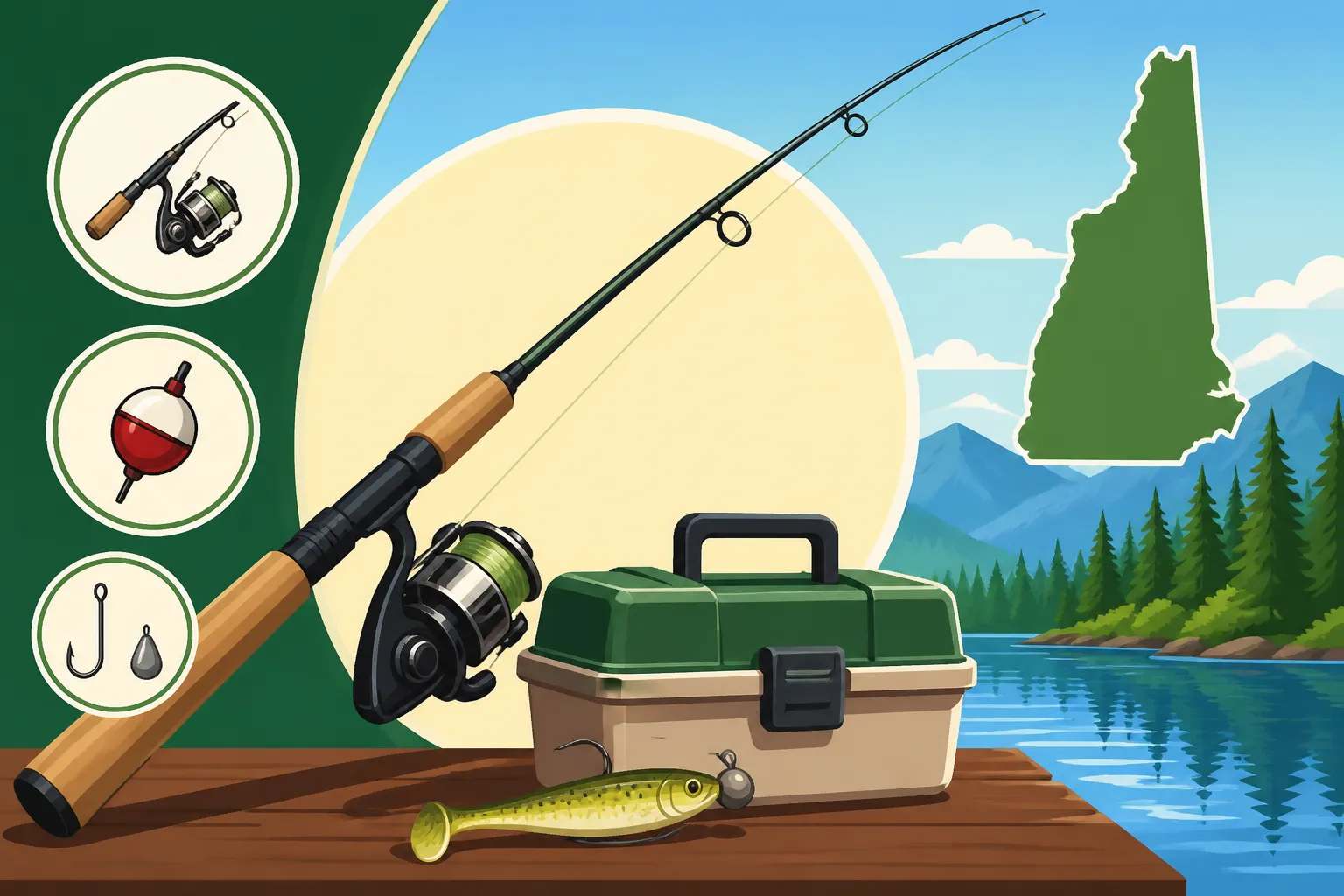
Most often, these combos come with monofilament line, which is forgiving for new casters and visible enough to manage. Some might even include a small basic tackle kit with a few hooks, sinkers, and a bobber – just enough to get you started without overthinking things. This bundled approach is not only convenient but also typically more cost-effective than buying each piece separately, a huge plus when you're just dipping your toes in the water.
The Benefits of Starting Simple
Beyond the convenience, starting with a combo offers several psychological benefits for a new angler. Firstly, it reduces decision fatigue, which is real and can suck the joy out of starting a new hobby. Secondly, it provides a functional setup right out of the box, meaning you can get to the water faster. There's nothing more discouraging than buying a bunch of gear only to realize you don't know how to put it together or if it's even compatible.
Moreover, these entry-level combos are generally quite robust. They're built to withstand a few bumps, drops, and less-than-perfect casting techniques that are inevitable when learning. You won't feel precious about them, which frees you up to experiment, make mistakes, and truly learn the ropes without worrying about damaging expensive equipment. It's a low-pressure way to discover if fishing is truly for you.
Understanding the Two Main Combo Types for Beginners
For the vast majority of first-time anglers, especially those looking to fish in New Hampshire's ponds, lakes, and calmer rivers, you'll be choosing between two primary types of combos: spinning or spincast. Each has its own advantages and learning curve, making one potentially better suited for your specific needs or the age of the angler.
Spinning Combos: The Versatile All-Rounder
Spinning combos are perhaps the most popular and versatile choice for beginners and experienced anglers alike. The reel sits underneath the rod, and the line comes off in coils from a fixed spool. This design minimizes friction, allowing for smooth, long casts with relatively light lures or baits. They are excellent for targeting a wide range of species commonly found in New Hampshire, from stocked trout in small ponds to panfish in local lakes, and even smaller bass.
The casting motion is intuitive: open the bail, hold the line with your finger, cast, and then close the bail to retrieve. While it takes a little practice to get precise, it's a skill quickly mastered. Most starter spinning combos will feature a medium-light or medium power rod, paired with a reel in the 2000-3000 size range, which is perfect for general-purpose freshwater fishing. You can find robust options from brands like Bass Pro Shops or readily available online through Amazon that are perfect for getting started.
Spincast Combos: Ultimate Simplicity for the Youngest or Most Novice
If you're looking for the absolute easiest setup to learn with, especially for a young child or someone who has never touched a fishing rod before, a spincast combo is the way to go. The reel sits on top of the rod, and the line is enclosed within a nose cone. To cast, you simply press and hold a button, make your casting motion, and then release the button. Retrieval is as simple as turning the handle.
This "push-button" operation virtually eliminates tangles and backlashes, which can be a huge source of frustration for new anglers. While they might not offer the same casting distance or versatility as spinning gear, their sheer simplicity makes them fantastic for building confidence. They are ideal for chasing panfish like sunfish and yellow perch in calm waters or jigging for easy catches. Many iconic starter kits, often found in retail stores, utilize spincast reels for this very reason.
Comparison Table: Spinning vs. Spincast Combos
| Feature | Spinning Combo | Spincast Combo |
|---|---|---|
| Ease of Use | Moderate learning curve for casting, highly versatile | Easiest to learn, push-button casting |
| Casting Distance | Generally longer, smoother casts | Shorter, less precise casts |
| Line Management | Open spool, can tangle if not spooled correctly | Enclosed spool, virtually tangle-free |
| Versatility | Good for light lures, bait, various species | Best for bait fishing, heavier lures, panfish |
| Sensitivity | Better feel for light bites | Less sensitive due to enclosed design |
| Common Angler | General beginners, adults, older children | Young children, absolute novices |
| Cost | Entry-level options are very affordable | Often slightly less expensive for basic models |
| Maintenance | Requires occasional cleaning of spool/bail | Minimal maintenance, well-protected |
What to Look for in a Beginner-Friendly Combo
Choosing the right starter combo isn't just about picking one off the shelf; it's about finding one that matches the kind of fishing you'll primarily be doing and your comfort level. While "starter" often implies basic, there are still a few key features that can make a big difference in your learning experience.
Understanding Rod Action and Power
These two terms sound technical, but they're super important for understanding how a rod performs. "Action" refers to where the rod bends when pressure is applied. A "fast action" rod bends mainly near the tip, offering sensitivity and quick hook sets, which is great for feeling subtle bites. A "moderate action" rod bends more through the middle, providing a smoother casting arc and more forgiveness, which is often preferable for beginners. For a starter combo, a moderate to fast action is usually a good bet, balancing sensitivity with ease of casting.
"Power" refers to the rod's strength or backbone – how much weight it can handle. For general-purpose freshwater fishing in New Hampshire, a "medium-light" or "medium" power rod is ideal. This range is capable of handling lighter baits and lures for panfish and trout, yet still has enough backbone to manage a feisty smallmouth bass. A light power rod might be too delicate, while a medium-heavy could be overkill and harder for a beginner to cast effectively.
Reel Size and Line Capacity
The reel on a starter combo will typically be a spinning reel in the 2000 to 3000 size range. This numerical rating refers to the reel's overall size and, more importantly, its line capacity. A 2000-sized reel is excellent for lighter fishing with thin lines, perfect for panfish and trout in many New Hampshire Trout Stocking and Fishing Rules locations. A 3000-sized reel offers a bit more line capacity and slightly more stopping power for larger fish like bass.
These sizes are perfectly adequate for the types of fish a first-time angler is likely to encounter in New Hampshire's freshwater bodies. They strike a good balance between being lightweight enough for comfortable casting all day and robust enough to handle the occasional unexpected larger catch. Pay attention to the line already spooled on the reel; most beginner combos will come with 6-10 lb test monofilament, which is a versatile choice for many situations.
Durability and Construction Materials
Since your starter combo will likely take a few knocks as you learn, durability is key. Look for rods made from fiberglass or a composite blend of fiberglass and graphite. Fiberglass is incredibly tough and forgiving, though a bit heavier. Composites offer a good balance of strength, sensitivity, and lighter weight. Pure graphite rods are lighter and more sensitive, but also more prone to breaking if mishandled, making them less ideal for a true beginner.
For the reel, a graphite body is common in entry-level models. It's lightweight and corrosion-resistant. Look for smooth operation when turning the handle; excessive wobble or grinding indicates lower quality. While specific components might be basic, a reputable brand's starter combo will usually offer a decent level of construction quality that will hold up to regular use. Remember, the goal here is to learn and have fun, not to invest in heirloom tackle right away!
Essential Beginner Tackle to Pair with Your Combo
Once you have your rod and reel combo, you're almost ready to hit the water! But a rod and reel won't catch fish on their own. You'll need a few basic pieces of terminal tackle to complete your setup. The beauty of starting out is that you don't need a massive tackle box overflowing with gear. A small selection of versatile items will get you catching fish quickly.
Hooks, Sinkers, and Bobbers
This trio is the bread and butter of beginner fishing. For hooks, a variety pack of basic bait-holder hooks in sizes 6, 8, and 10 will cover most panfish and stocked trout situations. Worms are a universal bait, and these hooks are perfect for them. If you're going for larger fish like bass, you might want to add a few larger offset worm hooks (size 1/0 or 2/0).
Sinkers, also known as weights, help get your bait down to where the fish are. A small assortment of split shot sinkers (small, medium, large) that you can easily crimp onto your line is invaluable. For deeper water or to hold bait in a light current, a few small egg sinkers or bullet weights (1/8 oz to 1/4 oz) will do the trick.
Bobbers, or floats, are your visual indicator that a fish is biting. Small, red-and-white round bobbers are classic and effective. If you're fishing in slightly choppier water or want a bit more precision, a slip bobber setup can be useful, though it's a bit more advanced to rig. These are all readily available at any sporting goods store or even major retailers.
Beginner-Friendly Baits and Lures
For live bait, you simply can't beat worms or nightcrawlers. They are universally attractive to almost every freshwater fish species in New Hampshire and are easy to acquire. For panfish, small pieces of corn or bread can also work surprisingly well.
If you want to try lures, keep it simple. Small inline spinners (like Mepps or Rooster Tail) in sizes #0 to #2 are deadly for trout and panfish and are incredibly easy to cast and retrieve. Small jigs (1/16 oz to 1/8 oz) tipped with a small plastic grub or Gulp! bait are also fantastic for a variety of species. These lures require little special technique beyond a slow, steady retrieve or a gentle jigging motion. You can learn more about specific presentations in articles like Best Techniques for Panfish in New Hampshire.
Tools and Accessories You'll Appreciate
Beyond the fishing gear itself, a few simple accessories will make your first fishing trips much smoother. A small pair of needle-nose pliers or a dedicated fishing multi-tool is essential for safely removing hooks from fish (and occasionally from yourself!). A small pair of line clippers or nail clippers will make tying knots much easier.
A small stringer or cooler can be handy if you plan on keeping fish within New Hampshire's New Hampshire Bag and Possession Limits by Species. And of course, don't forget the essentials for being outdoors: sunscreen, bug spray, a hat, and plenty of water. A small tackle box or bag to keep all your bits and pieces organized is also a game-changer, preventing a frustrating search for that one hook you need.
Where to Purchase Your First Combo and Gear
When you're ready to take the plunge and get your first fishing combo, you have several excellent options right here in New Hampshire or online, each with its own advantages. The key is to find a place that offers good value, a decent selection of beginner-friendly gear, and perhaps even some helpful advice.
Local Sporting Goods Stores
Visiting a local sporting goods store is often the best choice for a first-time angler. Stores like Dick's Sporting Goods, or smaller independent tackle shops scattered across New Hampshire, offer the huge benefit of in-person assistance. You can physically handle different combos, feel their weight, and get a sense of the rod's action. More importantly, you can speak with knowledgeable staff who can answer your questions, offer local advice on good fishing spots, and help ensure you're getting a suitable setup for New Hampshire waters.
They can also guide you through selecting those essential hooks, sinkers, and lures, often steering you towards what's currently working well for beginners in your area. This personalized touch can be invaluable when everything feels new and overwhelming.
Big Box Retailers
Larger retail chains often have sporting goods sections where you can find a good selection of entry-level fishing combos. While the staff might not always be dedicated fishing experts, these stores frequently offer competitive prices and a convenient one-stop shop for your fishing gear and other outdoor essentials. They typically stock popular brands that are reliable for beginners.
If you're already familiar with what you need, these can be a quick and efficient option. Just remember to do a little research beforehand, or stick to well-known brands that specifically market to beginners.
Online Retailers
For convenience and often a wider selection, online retailers are a fantastic resource. Websites like Amazon and Bass Pro Shops (which also has physical locations, but their online store is massive) offer an almost endless array of fishing combos and tackle. You can read reviews from other beginners, compare prices, and have everything delivered right to your door.
When buying online, however, you lose the ability to physically inspect the gear or get immediate, personalized advice. Make sure to read product descriptions carefully, especially regarding rod action, power, and reel size. Focus on combos explicitly labeled "beginner" or "starter" to ensure you're getting something appropriate for your first foray into fishing. Remember to double-check that the reel comes spooled with line unless you intend to add your own.
Getting Started: Your First Few Trips
With your new combo and basic tackle in hand, the real adventure begins! The most important thing for your first few trips is to keep it fun and low-pressure. Don't worry about catching a trophy fish; focus on learning to cast, feeling the bites, and enjoying the outdoors.
Picking Your First Fishing Spot
For your very first outing, choose a location known for easy access and a good population of panfish or stocked trout. Many state parks and local ponds in New Hampshire are regularly stocked and have designated fishing access points, often with docks or easy shore access. These spots are usually calmer, making casting practice much easier.
Consider places like nearby state park ponds mentioned in a New Hampshire State Park Fishing Guide, or smaller, less crowded lakes. Overly complex environments with strong currents or heavy vegetation can be frustrating for a new angler. Simplicity and a high chance of catching something are your best friends.
Practicing Your Cast
Before you even put a hook on your line, practice casting. Find an open grassy area away from trees and power lines. You can tie a small weight (like a washer or a lead-free casting plug) to your line instead of a hook to avoid snags. Focus on a smooth, controlled motion rather than trying to cast as far as possible.
For a spinning combo, remember the steps: open the bail, hold the line with your index finger, bring the rod back to about 10 or 11 o'clock, then smoothly sweep it forward to 1 or 2 o'clock, releasing the line as the rod points towards your target. For a spincast, it's even simpler: press and hold the button, sweep, and release. Repetition builds muscle memory, and soon, casting will feel natural.
Don't Forget the Essentials!
Beyond your fishing gear, remember to always have your valid New Hampshire Fishing License Guide for 2026 in hand (or digitally on your phone, if allowed – check Printing or Carrying a Digital Fishing License in New Hampshire for details!). Understand the basic New Hampshire Fishing Regulations Explained for the waters you're fishing, especially regarding limits and any special restrictions.
Always tell someone where you're going and when you expect to return. Dress in layers, as New Hampshire weather can change quickly. And most importantly, have patience. Fishing is as much about the experience of being in nature as it is about catching fish. Enjoy the tranquility, the fresh air, and the process of learning. Before you know it, you'll be giving advice to the next generation of first-time anglers!
Disclaimer
This article is for general informational purposes only and does not constitute professional advice. Laws, prices and regulations vary by location and change over time. Consult a qualified professional for guidance on your specific situation.