Best sling bag for bank fishing
We've all been there: standing on the bank of a beautiful New Hampshire river or lake, trying to get to that perfect fishing spot, only to realize we're either fumbling with a bulky backpack that keeps snagging on branches, or we've crammed everything into our pockets and can't find a single thing. It's frustrating when your gear works against you instead of with you. This guide is all about finding that sweet spot for bank anglers – the perfect sling bag that keeps your essential tackle organized, accessible, and comfortable, so you can focus on the tug on your line, not the burden on your back.
Why a Sling Bag is a Game Changer for Bank Anglers
Bank fishing, whether it's on the rocky shores of Lake Winnipesaukee, the gentle bends of the Pemigewasset, or a quiet local pond, presents unique challenges for carrying gear. You're constantly moving, sometimes over uneven terrain, through brush, or along muddy paths. A traditional backpack can feel cumbersome, and a tackle box is certainly not designed for portability over distance. That's where a fishing sling bag truly shines, transforming your experience by offering unparalleled convenience and efficiency.
The Frustration of Hauling Too Much (or Too Little)
Think about the last time you went bank fishing. Did you end up with a full-sized backpack, loaded down with items you barely touched, making every step feel like a trek? Or perhaps you tried to go minimalist, only to realize you forgot that one crucial lure or tool back in the car? The struggle is real. I’ve definitely packed a full day’s worth of snacks and drinks for a quick hour of fishing, only to regret the heavy load when climbing over rocks to reach a promising riffle. It’s a delicate balance, and often, we err on the side of either overpacking or underpacking, both leading to discomfort or missed opportunities. Trying to dig through a cavernous backpack for a new leader or a pair of pliers while standing knee-deep in water is a recipe for frustration, not relaxation. Your hands are full with your rod, you're trying to maintain balance, and suddenly you feel like an octopus trying to manage too many limbs.
Comfort and Accessibility on the Move
A fishing sling bag is designed with movement in mind. Unlike a backpack that distributes weight across both shoulders and often requires you to take it off to access anything, a sling bag rests comfortably across your back and can be swung around to your front in a single, fluid motion. This means your tackle, tools, and essentials are instantly at your fingertips without ever breaking stride or setting your bag down on wet ground. Imagine needing to swap out a lure quickly when a school of bass suddenly starts busting on the surface. With a sling bag, it's a matter of seconds. The single strap design, often padded and adjustable, makes it easy to navigate tight trails, dense foliage, and uneven terrain without snagging. The weight, though concentrated on one shoulder, is typically managed well because these bags are inherently designed for a lighter, more agile load than a full backpack. This freedom of movement is particularly valuable when you're exploring Best Shore Fishing Spots in New Hampshire or wading into a stream for trout.
Key Features to Look for in a New Hampshire Bank Fishing Sling Bag
Choosing the right sling bag isn't just about picking one off the shelf; it's about understanding what features will best serve your specific fishing adventures here in the Granite State. From resisting our unpredictable weather to keeping your gear perfectly organized, a few key elements make all the difference.
Material and Durability for New England Weather
New Hampshire weather can be a real character, often shifting from sunny to drizzly in a blink. You need a sling bag that can stand up to these conditions. Look for materials like heavy-duty nylon or polyester, often with a ripstop weave, which offers excellent tear resistance and durability. More importantly, prioritize bags with water-resistant or even waterproof coatings and zippers. A sudden shower along the Merrimack River or an accidental splash from a lively fish shouldn't soak your spare line or phone. I've learned this the hard way with a cheap bag that left my sandwich soggy and my spare flies damp after a misty morning on the Swift River. Pay attention to the quality of the stitching and the zippers – robust, self-healing zippers with large pull tabs are a godsend when your hands are cold or wet. Many quality bags will feature reinforced stress points, ensuring they can handle the constant pulling and pivoting that comes with bank fishing. This durability is essential if you plan on exploring places known for their rugged access points.
Strategic Compartmentalization and Storage
This is where a good sling bag truly shines. It’s not just about having pockets; it’s about having the right pockets in the right places.
- Main Compartment: This is typically where your primary tackle box (often a 3600 or smaller series for sling bags) or soft plastics go. Some bags are designed to hold one to three tackle trays, offering a good balance of capacity and portability.
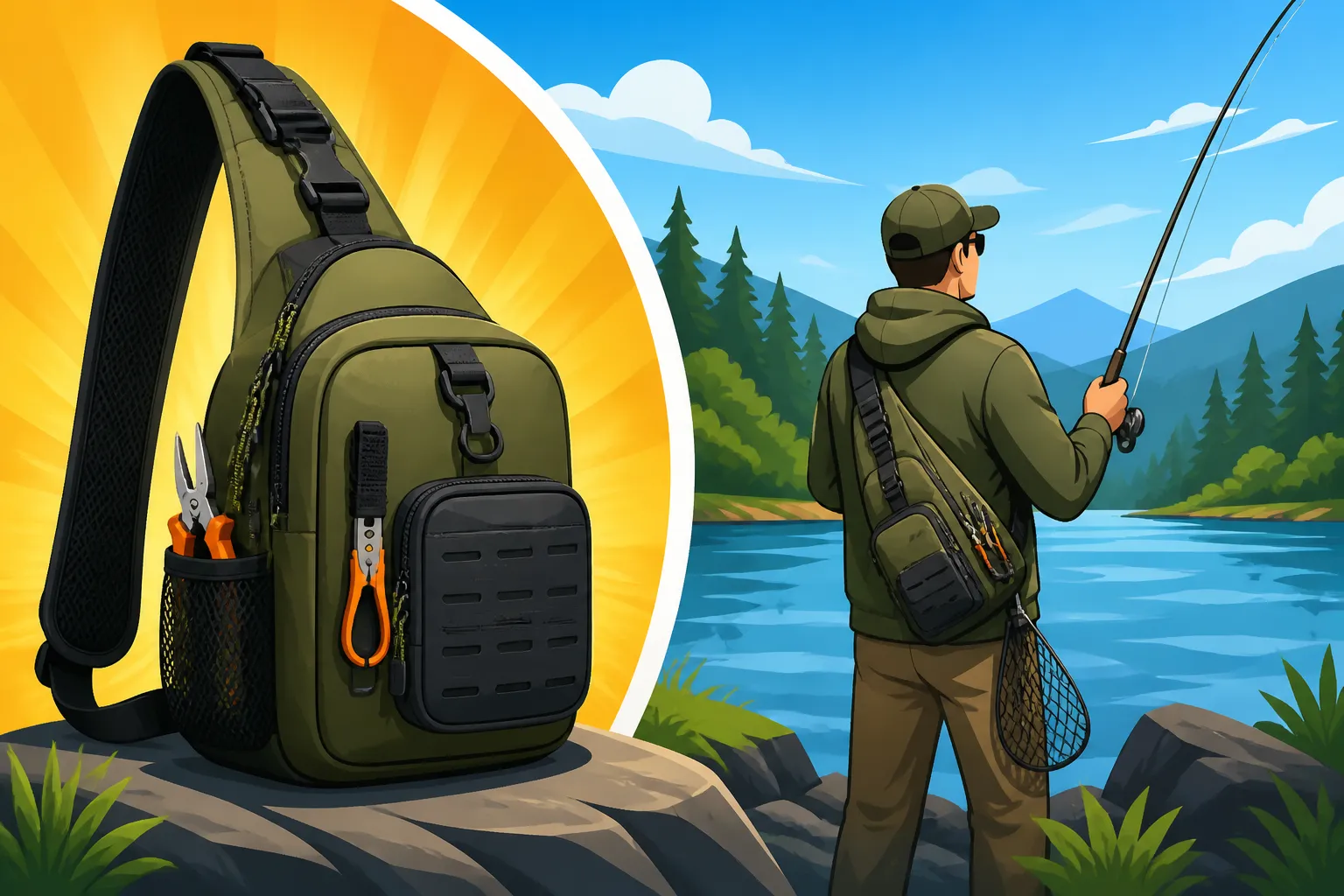
- External Pockets: Look for zippered external pockets for items you need frequently, like your phone, a small first-aid kit, or your fishing license. Some bags even have specific slots for tools like pliers or line clippers, keeping them securely in place but easily accessible without fumbling.
- D-Rings and Attachment Points: These are incredibly useful for clipping on external tools, a net, a water bottle, or a small rag. I always attach a retractable zinger with my clippers to a D-ring for super quick line changes.
- Water Bottle Holder: Hydration is key, especially during warmer months. A dedicated, easily accessible water bottle pocket is a major plus, letting you keep your hands free.
- Dedicated Tool Sheaths: Some higher-end bags include molded sheaths for pliers or multi-tools. This prevents them from poking holes in your bag or getting lost in a jumble of lures.
When considering internal layout, think about the kind of fishing you typically do. If you're Fly Fishing for Trout in New Hampshire, you might need space for multiple small fly boxes, tippet spools, and floatant. If you're targeting bass, you'll want room for a few crankbaits, jigs, and soft plastic packs. The ideal sling bag helps you organize your Best Tackle Box Setup for New Hampshire Anglers perfectly.
Comfort Features for Long Days on the Water
Even though sling bags are generally lighter than backpacks, comfort is paramount, especially if you plan to cover a lot of ground.
- Padded Shoulder Strap: This is non-negotiable. A wide, well-padded strap prevents digging into your shoulder, even when the bag is fully loaded. Some straps are reversible, allowing you to switch shoulders to alleviate fatigue.
- Breathable Back Panel: Many quality bags feature a mesh or channeled back panel designed to allow airflow, reducing sweat build-up against your back – a definite plus during humid New Hampshire summers.
- Stabilizer Straps: A smaller strap that clips from the main strap to the opposite side of the bag can prevent it from swinging around excessively, especially useful when bending over or navigating tricky terrain.
- Adjustability: Ensure the main strap is easily adjustable. You'll want to be able to cinch it up tight when moving quickly and loosen it slightly for easier access when fishing.
These comfort features might seem minor, but after a few hours of walking the banks of the Connecticut River, they can make a huge difference in your enjoyment and stamina.
Top Considerations for New Hampshire's Diverse Fishing Spots
New Hampshire offers an incredible variety of fishing environments, from rocky mountain streams to expansive lakes and tidal estuaries. The "best" sling bag for you will largely depend on where you spend most of your time casting.
River Banks and Stream Sides
When you're exploring the countless rivers and streams of New Hampshire, like the Swift River or the Pemigewasset River, agility and a streamlined setup are key. You're often walking along narrow trails, wading into currents, and making precise casts in tight quarters. For these environments, you'll want a sling bag that is:
- Compact: Something that won't snag on branches or restrict your casting motion. Smaller, more minimalist bags are often preferred.
- Wader-Friendly: If you're Wading Techniques for New Hampshire Trout Streams, consider how the bag will sit over your waders. Some bags are designed to ride higher on your back.
- Quick-Access: You'll be changing flies or lures frequently, so easy access to tippet, nippers, and a few small fly boxes or lure cases is essential. Think about a bag with exterior loops for a net, especially important for catch-and-release.
- Durable and Water-Resistant: Scrambling over slippery rocks and wading means your bag is likely to get wet or scraped. Brands like those found at Bass Pro Shops often have excellent options with reinforced bottoms and water-resistant zippers.
Imagine working a small mountain stream for brook trout; you're more likely to need a few small fly boxes, a bottle of floatant, and a leader wallet than a stack of large crankbaits.
Lake Shores and Pond Edges
Fishing the shores of New Hampshire's larger lakes, like Squam Lake, or smaller, stocked ponds presents a different set of needs. You might be casting heavier lures, need more space for snacks and drinks, or plan to stay in one spot longer.
- Increased Capacity: You might want to carry a few more tackle trays with different lure types (e.g., crankbaits, jigs, soft plastics for How to Catch Largemouth Bass in New Hampshire). A sling bag that can comfortably hold two 3600-sized tackle boxes is a good starting point.
- Dedicated Drink Holder: For longer sessions on a sunny lake shore, a well-insulated water bottle pocket is crucial.
- Sun Protection Storage: A hat, sunscreen, and maybe even a lightweight long-sleeved shirt can be easily stowed in a slightly larger sling bag.
- Comfort for Longer Stays: While you're still moving, you might spend more time stationary, so a comfortable, well-fitting strap remains important.
For targeting How to Catch Smallmouth Bass in New Hampshire Lakes, you'll appreciate having a range of lures ready at hand without needing to trek back to a vehicle. A slightly larger bag from a retailer like Amazon, with plenty of reviews detailing its capacity for lake fishing, could be ideal.
Coastal and Estuary Bank Fishing
New Hampshire’s coast, particularly areas like Great Bay or the Piscataqua River, offers unique opportunities for species like striped bass. Saltwater environments demand specific features from your gear.
- Corrosion Resistance: Any metal components on your sling bag (zippers, D-rings) should ideally be corrosion-resistant. Saltwater is notoriously harsh on gear.
- Larger Lure Storage: Stripers often hit larger baits, so your sling bag needs to accommodate bigger plugs, soft plastics, and jig heads. Look for wider main compartments or specialized pockets.
- Tool Holders: Pliers for de-hooking toothy stripers are essential. Ensure your bag has easily accessible, secure sheaths for these tools.
- Easy to Clean Material: Salt and sand will get everywhere. A bag made from material that can be easily rinsed clean is a huge bonus.
When you're trying your luck with Great Bay Striped Bass Fishing Rules, having your essential gear protected and within reach can make a significant difference in your success and comfort.
Choosing the Right Size and Style
The "best" sling bag truly boils down to personal preference and your typical fishing style. There's no one-size-fits-all, but rather a perfect fit for your specific needs.
Small and Nimble vs. Medium Capacity
This is often the first decision you'll make when looking at sling bags.
- Small and Nimble (Minimalist): These bags are fantastic for short excursions, focused trips, or when you know exactly what you'll be targeting. They typically hold one small tackle box (like a 3500 series), a few soft plastic packs, a pair of pliers, and maybe a water bottle. Think of it as your "go-bag" for a quick hour or two on a local trout pond or a reconnaissance mission to a new river section. They offer maximum freedom of movement and minimal bulk. If your style is light tackle and exploring tight spots, this is your winner.
- Medium Capacity (Versatile): This size offers more flexibility and is probably the most popular choice for general bank fishing. These bags usually accommodate one or two 3600-series tackle trays, extra soft plastic bags, a larger water bottle, snacks, and perhaps a small camera or phone in a dedicated, protected pocket. They're great for half-day to full-day trips where you might encounter varied conditions or want options for different species. This is the bag you grab when you're heading to a state park pond that might hold trout, bass, and panfish. You can find excellent options in this size range at Bass Pro Shops or by browsing the extensive selection on Amazon, reading reviews about how much actual tackle they can hold.
Consider what you realistically need for an average trip. Avoid the temptation to fill every pocket, as that defeats the purpose of an agile sling bag.
Left-Shoulder vs. Right-Shoulder Carry
While it might seem like a minor detail, the orientation of your sling bag can significantly impact your comfort and accessibility. Most sling bags are designed for a specific shoulder carry, which dictates how the main strap and pockets are positioned when you swing the bag around to your front.
- Dominant Hand Access: If you're right-handed, you might prefer a bag designed for a left-shoulder carry, meaning when you swing it to your front, the pockets are on your right side, easily accessible by your dominant hand. The opposite is true for left-handed anglers.
- Casting Motion: Consider how the strap might interfere with your casting arm. While the bag usually sits on your back during casting, the strap's positioning can feel more natural one way or the other.
- Personal Preference: Ultimately, some anglers simply find one carry style more comfortable than the other. If you have the chance to try on a few different styles, do so! Simulate swinging it around and accessing different pockets. This is why visiting a physical store like Bass Pro Shops can be beneficial, allowing you to get a real feel for the bag before committing. Many online retailers like Amazon will specify if a bag is left- or right-shoulder specific, or if it’s ambidextrous.
The ideal sling bag disappears on your back when you're casting and moving, and presents itself effortlessly when you need to re-tie or grab a snack.
Here's a quick comparison of typical sling bag features:
| Feature | Minimalist Sling Bag | Versatile Sling Bag |
|---|---|---|
| Capacity | 1 small tackle box (3500 series), essentials | 1-2 medium tackle boxes (3600 series), more gear |
| Ideal For | Quick trips, focused fishing, highly mobile anglers | Half-day/full-day trips, varied fishing scenarios |
| Comfort | Lightweight, maximum agility | Padded strap, breathable back panel, optional stabilizer |
| Pockets/Storage | Few external pockets, often minimalist internal space | Multiple external pockets, tool holders, D-rings |
| Water Resistance | Generally good, focused on essential protection | Often more robust, sealed zippers for weather |
| Typical Items Carried | Small lures/flies, clippers, phone, snack | Lure variety, snacks, drinks, tools, small camera |
| NH Fishing Use Case | Mountain stream trout, quick pond bass trips | General lake/river bass, panfish, longer hikes |
Finding the right sling bag is about enhancing your time on the water, not complicating it. By considering these factors and thinking about your typical fishing habits, you’ll be well on your way to a more enjoyable and efficient bank fishing experience in New Hampshire.
Disclaimer
This article is for general informational purposes only and does not constitute professional advice. Laws, prices and regulations vary by location and change over time. Consult a qualified professional for guidance on your specific situation.