What striped bass eat when they enter Great Bay
One of the most common frustrations for anglers targeting striped bass in New Hampshire's Great Bay is trying to figure out what they're actually eating. It's not always obvious, and what works one day might not get a single bite the next. This guide will take a deep dive into the primary food sources of striped bass as they navigate the tidal waters of Great Bay, helping you choose the right baits and lures to improve your chances.
Understanding the Striped Bass Diet in Great Bay
When striped bass enter the nutrient-rich waters of Great Bay, they're not just looking for a casual swim; they're there for one primary reason: to feed. These anadromous fish, born in freshwater and spending most of their lives in saltwater, are opportunistic predators with a diverse diet. Their menu changes based on the season, the tides, and what local baitfish and invertebrates are most abundant. Understanding this adaptable diet is key to consistent success, whether you're fly fishing in a shallow estuary or casting from the shore. It's a dynamic ecosystem, and the stripers are always tuning into the most readily available meal.
The Great Bay Estuary is a unique environment, a tidal embayment fed by several rivers, leading to a mix of fresh and saltwater conditions. This blend creates a perfect habitat for a variety of baitfish and crustaceans, making it a prime feeding ground for migrating striped bass. Unlike the open ocean where their diet might be dominated by larger schooling fish, within Great Bay, stripers often key in on smaller, more diverse prey items. This variety requires anglers to be versatile and observant, paying close attention to what's happening in the water around them. Are birds diving? Are baitfish dimpling the surface? These visual cues can offer invaluable insights into what the bass are currently gorging on.
The Influence of Tides and Currents on Forage
Tides and currents play an enormous role in distributing food within Great Bay. As the tide rushes in and out, it washes baitfish, shrimp, and crabs out of their hiding spots in marsh grass, mud flats, and rocky structures. Striped bass are masters at positioning themselves in current seams, ambush points, and eddies where they can expend minimal energy while waiting for the current to deliver their next meal.
Imagine a strong outgoing tide: baitfish and crustaceans that sought refuge in the high marsh grass during high tide are suddenly flushed out into the main channels. Stripers will stack up at the mouths of creeks and rivers, ready to intercept these disoriented prey items. Conversely, during an incoming tide, as new water pushes into the bay, it can bring in schools of bait from the open ocean or activate forage species within the bay, pushing them towards structure or shallower feeding flats. Anglers who understand these movements often find the most success by timing their efforts around these tidal flows. Observing the water around specific areas, like where the Great Bay Striped Bass Fishing Rules apply, can reveal patterns in bait movement and, subsequently, striped bass feeding activity.
Environmental Factors Affecting Food Availability
Beyond tides, various environmental factors influence the abundance and behavior of forage in Great Bay, directly impacting what striped bass will eat. Water temperature is a huge one; as the water warms up in late spring and summer, certain baitfish become more active and numerous. Similarly, the availability of freshwater inputs from rivers can bring down different food items, from insects to small amphibians, particularly after heavy rains.
The overall health of the ecosystem, including the presence of aquatic vegetation and healthy marshlands, provides crucial habitat for many baitfish and invertebrate species that stripers rely on. Pollution or habitat degradation can reduce these populations, forcing stripers to seek food elsewhere or struggle to find adequate nourishment. Even factors like light penetration can affect how stripers feed; on bright sunny days, they might feed deeper or in shaded areas, while on overcast days or at dawn/dusk, they might move into shallower water to chase baitfish. Understanding these subtle shifts is part of the ongoing learning process for any dedicated New Hampshire angler.
Key Forage Species in Great Bay
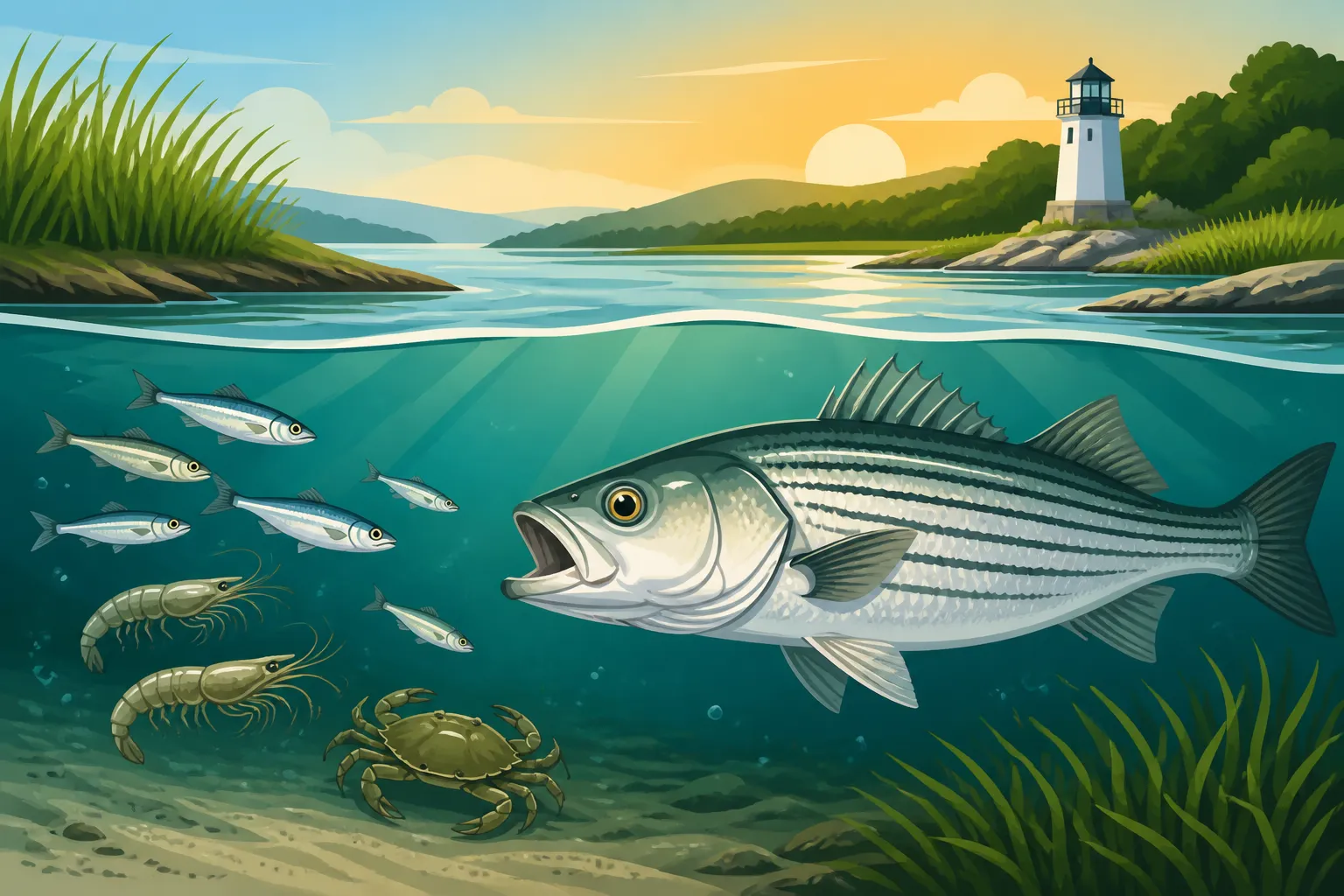
When you're trying to figure out what striped bass are eating in Great Bay, it's really about knowing the local menu. Stripers are not picky eaters, but they definitely have preferences based on what's most plentiful and easiest to catch. Here in Great Bay, their diet is dominated by a few key players, and if you can mimic these, you'll be well on your way to a successful outing.
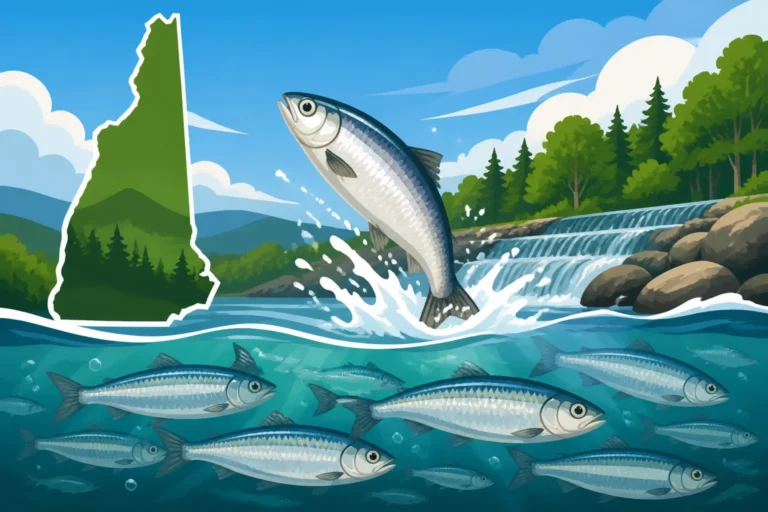
One of the big ones is various species of herring. This includes alewives and blueback herring, which are common anadromous fish that move between fresh and saltwater. These are typically silvery, sleek fish, often ranging from 8 to 12 inches, and they form dense schools, making them an easy target for hungry stripers. Another major food source is Atlantic mackerel. While mackerel are more commonly found in the open ocean, smaller schools do venture into the bay, especially during their migrations. They're recognized by their distinctive green and blue backs and silvery sides, often between 6 and 14 inches long.
Sand eels, also known as sand launce, are another critical forage species. These slender, silvery fish, usually 4 to 7 inches, burrow into the sand and emerge to feed, becoming easy prey for stripers cruising over sandy bottom areas. You might also find them feeding on small menhaden (sometimes called bunker), particularly juvenile ones, which are fattier and provide a good energy boost.
Crustaceans and Invertebrates: The Hidden Menu
It's easy to focus solely on baitfish, but striped bass also heavily rely on a variety of crustaceans and other invertebrates, especially when baitfish are less abundant or when they're rooting around in the shallows. Shrimp are a huge part of this diet. Different species of grass shrimp, mud shrimp, and even larger prawns can be found in the bay's rich estuaries and marshlands. Stripers will often "nose down" into the mud and grass to root out these tasty morsels.
Crabs, particularly green crabs and various fiddler crabs, are another favorite. These are especially vulnerable during incoming and outgoing tides when they're moving around the mudflats and marsh edges. A smaller striper might gulp down a whole crab, while a larger one might crunch through several. Worms, like marine worms, also make up a portion of their diet, especially in muddy or silty areas. These often get dislodged by tidal currents, offering an easy meal. When you're trying to figure out the Best Techniques for Striped Bass in Great Bay, don't forget the bottom-dwellers!
Table of Common Forage and Mimicking Lures
To help you visualize the most common food sources and how to imitate them, here's a quick reference table:
| Forage Species | Typical Size Range | Key Characteristics (Color/Shape) | Mimicking Lure Types | Retrieval Style |
|---|---|---|---|---|
| Alewife/Herring | 8-12 inches | Silvery, deep body, sleek | Soft plastics (shad/fluke), lipped plugs, stickbaits, poppers | Steady retrieve, twitching, topwater |
| Atlantic Mackerel | 6-14 inches | Green/blue back, silver sides, torpedo shape | Swimmers, lipped plugs, soft plastics (paddle tail) | Moderate to fast retrieve, trolling |
| Sand Eels | 4-7 inches | Slender, silvery, small profile | Skinny soft plastics (jigs), slender metal jigs, flies | Fast retrieve, jigging, skipping |
| Shrimp | 1-4 inches | Clear/brown/green, segmented, small | Small bucktail jigs, soft plastic shrimp imitations, flies | Slow retrieve, bouncing bottom |
| Crabs | 1-3 inches (body) | Green/brown, hard shell, wide | Crab-imitating soft plastics, heavier bucktail jigs, flies | Slow drag, hops on bottom |
| Juvenile Menhaden | 4-8 inches | Silvery, deep body, large eye | Larger soft plastics, wider profile lipped plugs | Moderate retrieve, "wobble" action |
Seasonal Shifts and Opportunistic Feeding
The diet of striped bass in Great Bay isn't static; it's a dynamic, ever-changing menu influenced by the seasons and what's available. Understanding these shifts is a critical component of successful striper fishing. A lure that was deadly in May might be completely ignored in August if the forage has changed.
In the spring, when striped bass first arrive in Great Bay during their Striped Bass Migration into Great Bay, they are often lean and hungry from their journey. At this time, smaller baitfish like juvenile herring and sand eels are common, along with various crustaceans emerging from their winter dormancy. The water is cooler, and the bass might be a bit more lethargic, preferring an easy meal. This is when smaller soft plastics and flies mimicking these early-season baitfish can be particularly effective. As the waters begin to warm, bigger schools of larger baitfish start to move in.
By summer, the bay is bustling with life. Larger schools of mackerel, bigger herring, and a plethora of crabs and shrimp are active. Stripers are in full feeding mode, often chasing down larger prey items. This is when you might see them exploding on topwater lures as they smash into schools of bait. The warmer water also means higher metabolism, so they're feeding aggressively and frequently. As summer progresses, anglers might switch to larger plugs, poppers, and substantial soft plastics to match the bigger forage present.
Fall Feeding Frenzy
The fall is perhaps the most exciting time for striped bass fishing in Great Bay. As water temperatures begin to drop, stripers enter a full-blown feeding frenzy, trying to pack on as much weight as possible before their migration south. This is when they will gorge themselves on nearly anything available, including larger herring, mackerel, and even smaller bottom fish. The "blitz" scenario, where stripers are actively smashing bait on the surface, is a common sight in the fall.
During this period, they are less selective and more aggressive. Large plugs, big soft plastics, and even live bait like eels or menhaden can be incredibly effective. The bass are driven by an instinctual need to feed, making them highly susceptible to a wide range of offerings. However, as the water gets colder, and baitfish begin to thin out, the stripers will eventually leave Great Bay, heading back to the open ocean for their journey south, as detailed in When striped bass leave Great Bay for the ocean.
Opportunistic and Adaptive Predators
Beyond seasonal changes, striped bass are incredibly opportunistic. If there's an easy meal, they'll take it. This means they'll sometimes deviate from their primary diet to exploit an unusual abundance of food. For example, after a heavy rain, various terrestrial insects, worms, and even small amphibians might get washed into the bay from the freshwater rivers. Stripers will not hesitate to consume these if they present an easy target.
They are also highly adaptable. If one baitfish population crashes, they will quickly switch to another. This is why paying attention to current conditions, local reports, and even checking the stomach contents of a legally harvested fish can give you valuable clues. You might find a striper that was just caught had a stomach full of shrimp, even though everyone else was fishing for mackerel. Being able to adapt your presentation to match these opportunistic feeding patterns is what separates good anglers from great ones. This adaptability means that while certain lures generally work well, having a diverse tackle box is always a good idea. Many anglers find great deals on a variety of lures on platforms like Amazon, ensuring they have options for any situation.
Mimicking the Menu: Lures and Baits for Great Bay Stripers
Once you understand what striped bass are eating in Great Bay, the next logical step is to choose your lures and baits to perfectly imitate those food sources. This concept, known as "matching the hatch" in fly fishing or "matching the bait" in conventional fishing, is fundamental to successful striper angling.
For imitating herring and mackerel, which are often the larger schooling baitfish, you'll want lures that have a similar profile and swimming action. Lipped swimming plugs, often called "swimmers," that dive a few feet below the surface and wobble with a fish-like motion are excellent. Soft plastic paddle-tail swimbaits, rigged on appropriate jig heads, also do a fantastic job. Colors like silver, green mackerel, blue, or white are usually go-to options. Think about the length of the baitfish; if you see stripers chasing 10-inch herring, throwing a 4-inch lure might not get their attention. Sometimes, larger topwater poppers or walk-the-dog style lures can mimic a struggling baitfish on the surface, triggering explosive strikes, especially when stripers are actively busting schools. You can find a vast selection of these types of lures on platforms like Amazon.
When stripers are focused on sand eels, you need something much slimmer and faster. Thin, soft plastic jerkbaits or flukes, either weightless or lightly weighted, are perfect. Slender metal jigs, often called "diamond jigs," retrieved quickly through the water column, also do a great job of imitating the darting action of a sand eel. Fly anglers will often use "skinny" fly patterns, like sand eel imitations, to target these feeding events.
The Art of Presenting Crustaceans and Invertebrates
Mimicking shrimp and crabs requires a different approach entirely. These are slower-moving, bottom-oriented prey items. Small bucktail jigs, often in white, pink, or olive colors, can be bounced along the bottom or slowly hopped to imitate a scurrying crab or darting shrimp. Soft plastic shrimp or crab imitations are also highly effective, particularly when fished slowly on a jig head or under a popping cork in shallower, grassier areas. These lures don't rely on speed but rather on subtle movements and realistic profiles.
Live bait is another phenomenal way to match the menu. If you can get your hands on local bait like live herring, mackerel, or eels, they are often irresistible to striped bass. However, be sure to check the New Hampshire Fishing Regulations Explained for any rules regarding the use of live bait, as some species may have restrictions. Rigging live bait effectively, as explored in How to rig live bait for Great Bay striped bass, is an art form that can pay huge dividends. Sometimes, a simple chunk of cut bait from a mackerel or herring, fished on the bottom, can entice a striper that's feeding on slower-moving prey.
Adjusting to Conditions and Specific Spots
The key isn't just knowing what they eat, but how they're eating it based on the conditions. If stripers are feeding in shallow water over mud flats, a slow-moving soft plastic shrimp imitation might be best. If they're in deeper channels, chasing schools of bait, a fast-retrieved swimming plug or jig would be more appropriate. Your location also plays a significant role; specific spots within the bay, like those mentioned in Great Bay best striper fishing spots, might consistently hold certain types of forage.
It's also important to consider your leader material. In Great Bay's relatively clear water, especially when using lighter tackle or targeting finicky fish, a fluorocarbon leader can make a big difference. Articles like Best leader for striped bass in Great Bay provide excellent guidance on this. Ultimately, success comes from combining knowledge of the striper's diet with adaptable tactics and a willingness to experiment with different presentations. Sometimes, the most unexpected lure from your tackle box, maybe one you found a good deal on at Amazon, turns out to be exactly what they're looking for that day.
Disclaimer
This article is for general informational purposes only and does not constitute professional advice. Laws, prices and regulations vary by location and change over time. Consult a qualified professional for guidance on your specific situation.