Differences between New Hampshire’s lake and river fish populations
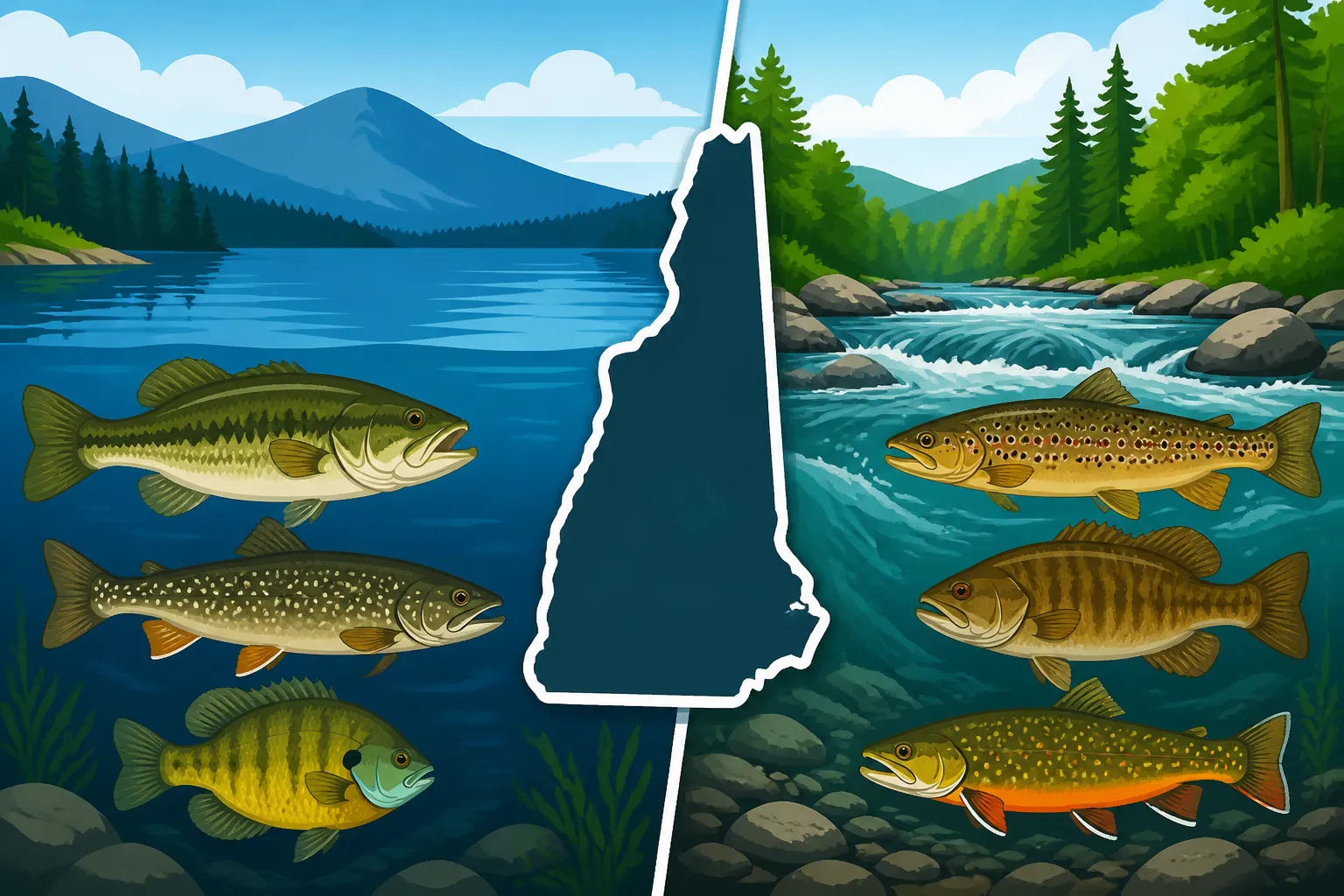
It's a common misconception, especially for those new to angling in the Granite State, that a fish is a fish, no matter where it swims. But in New Hampshire, with its incredible diversity of waterways, nothing could be further from the truth. The fish populations you encounter, and even how they behave, can differ dramatically between our expansive, deep lakes and our wild, tumbling rivers. Understanding these fundamental distinctions is absolutely crucial if you want to elevate your fishing game, avoiding frustration and maximizing your chances of a truly memorable catch. This guide will walk you through the distinct characteristics of New Hampshire's lake and river fish populations, helping you tailor your approach for success in any environment.
Understanding the Distinct Habitats: Lakes vs. Rivers in New Hampshire
To truly grasp why fish populations diverge so much, we first need to look at the environments themselves. New Hampshire offers an incredible array of aquatic habitats, from the vast, glacially-carved lakes of the Lakes Region to the intricate networks of rivers and streams that crisscross the entire state. Each of these environments presents unique challenges and opportunities for fish, shaping not only which species thrive but also their size, behavior, and diet.
Lake Characteristics and Their Impact on Fish
New Hampshire's lakes, especially the larger ones like Lake Winnipesaukee or Squam Lake, are generally characterized by their considerable depth, relatively still waters, and often distinct thermal stratification during the warmer months. Imagine a massive, deep bowl: the surface waters warm up, while the depths remain cold and stable. This creates different zones, or "layers," that various fish species prefer. The lack of strong, constant current means fish don't expend as much energy fighting flow, but they do rely heavily on structure—rock piles, submerged timber, weed beds—for ambush points and protection.
These deep, still environments are often home to robust forage bases, particularly in the form of rainbow smelt. Smelt are a vital link in the food chain for many of our trophy-sized predatory fish. They congregate in schools, moving to different depths and areas based on water temperature and light conditions, and the predators follow. This dynamic means that finding the bait is often the key to finding the fish in a lake. If you're looking for where the big ones live, understanding the deep structure and temperature breaks is paramount, which often requires a good fish finder.
River Characteristics and Their Impact on Fish
Conversely, New Hampshire's rivers and streams are defined by their moving water. From the roaring whitewater of a mountain stream to the lazy, meandering sections of a larger river like the Merrimack, current is the dominant force. This constant flow brings oxygen, washes food downstream, and dictates where fish can hold without expending too much energy. Rivers typically feature a much more varied bottom structure in quick succession: riffles (shallow, fast-moving water), runs (deeper, smoother flow), and pools (deep, slow sections).
River fish are adapted to this dynamic. They often develop more streamlined bodies to navigate currents and typically position themselves in "holding lies"—places where the current is broken, allowing them to rest while still being close enough to dart out and grab passing food. Their diet is heavily influenced by aquatic and terrestrial insects, as well as smaller baitfish or crayfish depending on the river size. Fishing in rivers often requires a more intimate understanding of water flow and fish positioning, as opposed to the vast depth searches common in lakes. Think about how a trout will tuck behind a boulder or in the soft water of an eddy, waiting for a meal to drift by. This distinct behavior demands different fishing techniques.
Common Fish Species in New Hampshire Lakes
When you're out on the big water in New Hampshire, whether it's the vastness of Lake Winnipesaukee or the clearer depths of Newfound Lake, you'll encounter a specific cast of characters perfectly adapted to these environments. The key difference here often revolves around their thermal preferences and food sources.
Coldwater Lake Species
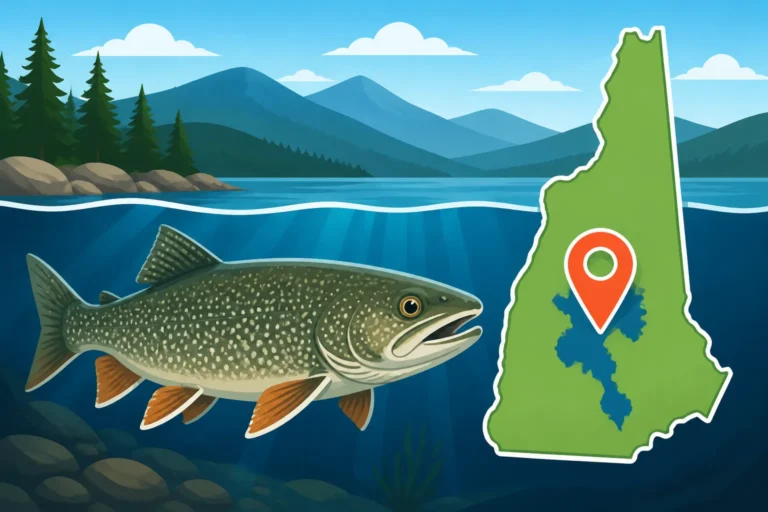
The true giants of New Hampshire's deep lakes are often coldwater species, primarily Lake Trout and Landlocked Salmon. These magnificent fish absolutely thrive in the deep, cold, oxygen-rich waters found in our larger, glacially-formed lakes. They are highly dependent on deep-water forage, with rainbow smelt being their absolute favorite meal. During the summer, these fish will retreat to the deepest, coolest parts of the lake, often hanging just above or within the thermocline (the layer where water temperature changes rapidly). This is why deep trolling with downriggers or weighted lines is a staple technique for catching them.
For those targeting these elusive species, patience and specialized gear are key. Lake trout are powerful, bottom-oriented predators, while landlocked salmon are known for their acrobatic jumps and speed. Understanding their movements throughout the seasons is critical; for instance, right after ice-out, you might find them closer to the surface before they descend to the depths as the water warms. Check out Landlocked Salmon Fishing in New Hampshire for more in-depth tips on these fantastic fighters. A good sonar unit, often available from brands like Garmin or Humminbird, can really help you locate the thermocline and bait balls where these fish lurk.
Warmwater Lake Species
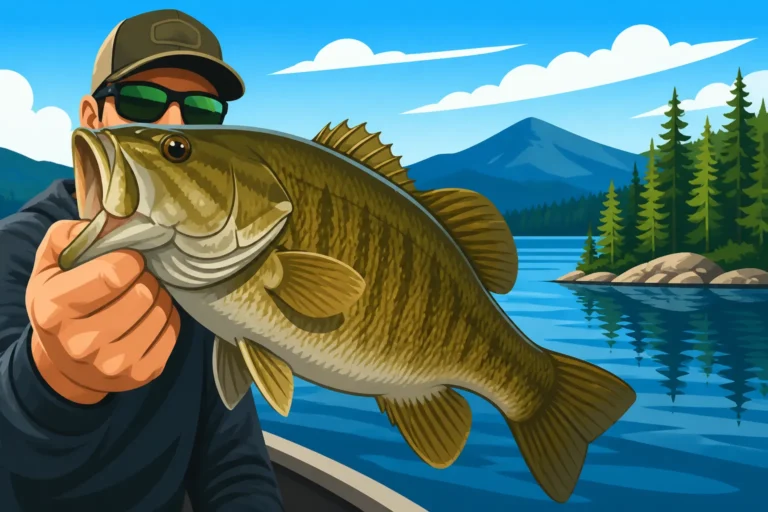
While the coldwater species command the depths, the shallower, warmer sections of New Hampshire's lakes, especially those with abundant weed beds, rocky points, and submerged timber, are prime territory for a host of warmwater fish. The two most popular gamefish in this category are Largemouth Bass and Smallmouth Bass. Largemouths prefer the thick cover of weeds and lily pads, ambushing prey, while smallmouths gravitate towards rocky structures, drop-offs, and sandy flats, often in slightly deeper, cooler water than their largemouth cousins.
Beyond bass, these warmwater lake habitats are bustling with Panfish, including Yellow Perch, Black Crappie, and Bluegill. These species are incredibly popular with families and beginners due to their abundance and willingness to bite. They thrive in vegetated areas where they can find insects, small crustaceans, and protection from larger predators. Fishing for panfish is often done with simple techniques like bobbers and worms, or small jigs. Understanding the distinct habits of these bass species can make a huge difference in your success; for a deeper dive, read Smallmouth Bass Fishing in New Hampshire and Largemouth Bass Fishing in New Hampshire. You can find a huge variety of lures and soft plastics specifically designed for bass fishing on Amazon, which can be overwhelming, so focusing on local favorites is often a good start.
Common Fish Species in New Hampshire Rivers and Streams
Shifting gears to the flowing waters, you'll find a completely different set of adaptations and species. The constant movement, varying depths, and often cooler temperatures define which fish make their homes in New Hampshire's intricate river systems.
River Trout Species
New Hampshire is a paradise for trout anglers, and our rivers and streams are the primary playgrounds for these beautiful fish. The native Brook Trout, with its vibrant colors, thrives in the coldest, most pristine headwater streams. You'll also find abundant populations of stocked Rainbow Trout and Brown Trout in many of our larger rivers like the Pemigewasset, Merrimack, and Connecticut. These trout rely heavily on insect hatches – both aquatic insects like caddis and mayflies, and terrestrial insects that fall into the water – making fly fishing an incredibly popular and effective technique.
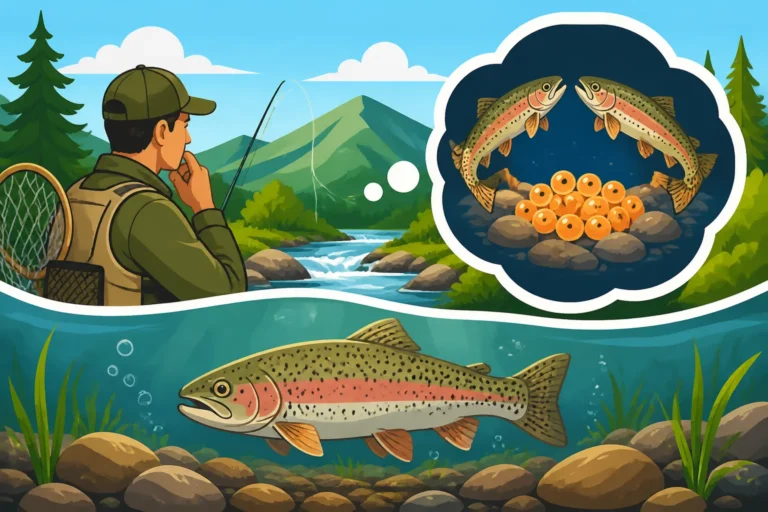
River trout are masters of using the current to their advantage. They will hold in seams where fast and slow water meet, behind boulders, in undercut banks, or at the tail end of a deep pool, darting out to intercept food. Their metabolism is often higher due to the colder, oxygenated water, making them aggressive feeders. If you're interested in pursuing these finicky but rewarding fish, exploring Trout Fishing in New Hampshire and Best Fly Fishing Rivers in New Hampshire will provide a wealth of knowledge. Gear like durable wading boots and a quality wading staff, easily sourced from outdoor retailers or online platforms like Amazon, are indispensable for safely navigating rocky riverbeds.
River Smallmouth Bass and Other Warmwater Species
While trout dominate the colder, swifter sections of many rivers, the larger, slower-moving stretches of rivers like the Merrimack, Connecticut, and Saco offer fantastic opportunities for Smallmouth Bass. These river smallmouth often exhibit even stronger current-fighting abilities than their lake counterparts and can be incredibly powerful. They prefer rocky bottom structure, ledges, and current breaks, feeding on crayfish, baitfish, and larger insects. Fishing for river smallmouth often involves casting upstream and letting your lure drift naturally with the current, or targeting eddies and slack water created by obstacles.
You'll also find other warmwater species making their home in the slower river sections, including Chain Pickerel, especially in areas with aquatic vegetation, and various Panfish species. These fish adapt to the flow by seeking out quieter pockets, log jams, and backwaters where the current is less intense. Understanding how to "read the water" – identifying those subtle current breaks and likely holding lies – is a crucial skill for river anglers. For more insights on this, dive into How to Fish a River for Smallmouth Bass.
Transitional Zones and Unique Opportunities
New Hampshire's fishing landscape isn't always a clear-cut "lake or river" scenario. There are fascinating transitional zones where these environments blend, creating unique habitats and presenting distinct fishing opportunities. These areas often concentrate fish and forage, making them hotspots for discerning anglers.
Brackish Water and Estuaries
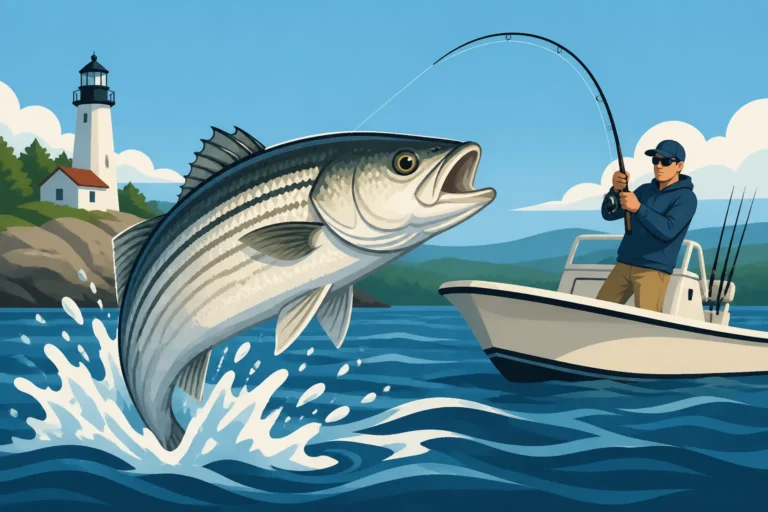
One of the most exciting transitional zones in New Hampshire is the Great Bay Estuary system. Here, freshwater rivers meet the incoming saltwater tides, creating a brackish environment. This dynamic mix attracts a whole new array of species, most notably the incredible Striped Bass. Stripers migrate into Great Bay during the warmer months, feeding heavily on schooling baitfish like herring and silversides. They are powerful, aggressive predators that offer some of the most thrilling fishing in the state.
Fishing in Great Bay requires understanding tidal flows and the behavior of both fresh and saltwater species. You might encounter freshwater species pushed down by river flow, alongside typical estuarine residents. This blend creates a rich ecosystem. Anglers often use a variety of techniques, from casting plugs and soft plastics to soaking bait, adapting to the changing conditions of the tide. For detailed information on regulations and techniques in this unique fishery, be sure to read Great Bay Striped Bass Fishing Rules and Striped Bass Fishing in Great Bay.
River Mouths and Lake Inlets
Another prime transitional area is where a river flows into a lake, or a lake's outlet begins to form a river. These "river mouths" and "lake inlets" are often incredibly productive because they act as natural funnels for food and concentrate fish. As river water, often slightly cooler or warmer than the lake, enters, it can create thermal differences that attract baitfish and predators. The current from the river also washes nutrients and small organisms into the lake, creating a constant food source.
In these zones, you might find a fascinating overlap of species. Lake trout and salmon could be cruising the deeper lake side of an inlet, waiting for baitfish to exit the river, while river trout or smallmouth bass might be holding in the current of the river channel itself. These areas are fantastic for "mixed bag" fishing days, where you might catch multiple species using varied techniques. It pays to observe the water carefully, looking for signs of baitfish or feeding activity. Sometimes, simply moving your boat or casting a short distance can transition you from prime lake fishing to prime river fishing, allowing you to adapt your strategy on the fly.
Comparing Fish Populations: A Quick Overview
To help visualize the differences we've discussed, here's a quick comparison of common characteristics and species preferences:
| Feature | New Hampshire Lakes | New Hampshire Rivers & Streams |
|---|---|---|
| Water Flow | Generally still, minimal current | Constant flow, varied currents (riffles, runs, pools) |
| Depth | Often deep, significant thermal stratification | Varied depth, less pronounced stratification |
| Primary Forage | Rainbow Smelt, Alewife, smaller baitfish, panfish | Aquatic insects, terrestrial insects, crayfish, smaller baitfish |
| Typical Game Fish | Lake Trout, Landlocked Salmon, Largemouth Bass, Smallmouth Bass, Pickerel, Perch, Crappie, Bluegill | Brook Trout, Brown Trout, Rainbow Trout, Smallmouth Bass, Chain Pickerel, Suckers |
| Common Tactics | Trolling, jigging, bait fishing, casting lures/plastics to structure | Fly fishing (nymphing, dry flies, streamers), spin fishing (small spinners, spoons, jigs), drift fishing |
| Habitat Focus | Depth contours, weed beds, submerged structure, open water | Current seams, eddies, undercut banks, plunge pools, riffles, runs |
This table provides a quick reference, but remember, fishing is always about adapting to the specific conditions on any given day.
The Angler's Advantage: Tailoring Your Approach
Understanding the differences between New Hampshire's lake and river fish populations isn't just academic; it's intensely practical. It directly informs your choice of location, gear, and technique. If you're heading to a deep lake like Winnipesaukee with the goal of catching a trophy landlocked salmon, you wouldn't bring your ultralight fly rod designed for small brook trout streams. Conversely, trying to troll for lake trout in a narrow, rushing river would be futile.
Knowing these distinctions empowers you to make informed decisions. It helps you select the right Best Fishing Rods for New Hampshire Lakes versus Best Gear for New Hampshire Trout Fishing. It guides you in choosing between a boat suited for wide-open water or a kayak ideal for navigating smaller rivers. Before you even cast your line, spend a few moments considering the environment you're in. Is it still and deep, or is it flowing and shallow? What kind of food is likely available, and how would a fish position itself to feed in that current, or ambush prey from structure?
By recognizing these ecological nuances, you'll not only catch more fish but also develop a deeper appreciation for the complex and beautiful aquatic ecosystems that make New Hampshire such a phenomenal fishing destination.
Disclaimer
This article is for general informational purposes only and does not constitute professional advice. Laws, prices and regulations vary by location and change over time. Consult a qualified professional for guidance on your specific situation.