What fish species are unique to New Hampshire’s lakes
It's easy to assume that all fish in a particular region are the same, but the truth is, many anglers wonder if there's anything truly special or unique swimming beneath the surface of New Hampshire's pristine lakes. It's frustrating when you hear about unique species elsewhere and wonder if your home waters hold similar treasures. This guide will dive deep into what makes some of New Hampshire's lake inhabitants distinct, exploring native populations, rare finds, and the conditions that make them special.
Defining "Unique" in New Hampshire's Aquatic Ecosystems
When we talk about "unique" fish species, it's not always as straightforward as you might think. Many factors contribute to a species being considered unique, from its genetic makeup to its geographic isolation. Understanding these distinctions helps us appreciate the intricate ecology of New Hampshire's lakes.
Native vs. Introduced Species in Lakes
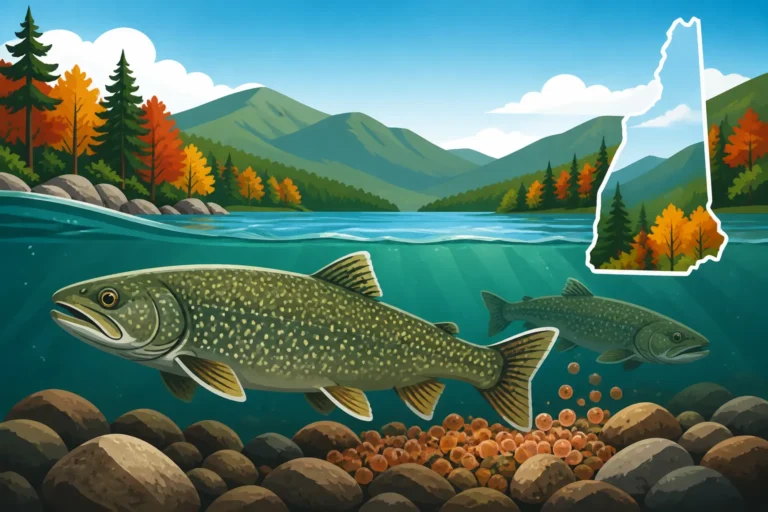
First, let's clarify the difference between native and introduced species. Native species are those that naturally occurred in New Hampshire's waters before human intervention. They evolved here, adapted to the local environment, and are an integral part of the ecosystem. Think about the classic brook trout, truly a gem of our cold, clean waters. Brook Trout: New Hampshire's Native Trout
Introduced species, on the other hand, are those brought into New Hampshire's lakes by humans, either intentionally for sport fishing or accidentally. While many introduced species, like brown trout or rainbow trout, thrive and provide fantastic angling opportunities, they aren't "unique" to New Hampshire in the same way a truly native species would be. They might be unique to your specific fishing hole if they're not common there, but they aren't unique to the state's entire natural history. The balance between native and introduced species is a constant consideration for New Hampshire Fish and Game, as they work to manage fisheries for both conservation and recreation.
Endemic Species: The True Definition of Unique
When we talk about something being truly "unique" to a specific place, we're often thinking about endemic species. An endemic species is one that is found exclusively in a particular geographic area and nowhere else in the world. This is a high bar! For a fish species to be endemic to New Hampshire's lakes, it would mean that its entire global population exists only within the boundaries of our state's lakes. This level of exclusivity is incredibly rare for widespread creatures like fish, which often have ranges that span multiple states, provinces, or even countries.
Consider how New Hampshire's geology and history might contribute to endemism. The state's landscape was heavily shaped by glaciers, which created many of our beautiful lakes but also acted as powerful homogenizers, mixing species and preventing long-term isolation in most cases. So, while a fish might be native to New Hampshire, it's much harder for it to be endemic in the strictest sense of the word.
Role of Geographic Isolation and Glacial History
New Hampshire's lakes, particularly the deeper, older ones, have a fascinating geological history that has indeed created conditions for some unique populations or subspecies, even if full species endemism is rare. The retreat of glaciers left behind deep basins that became lakes like Winnipesaukee, Squam, and Sunapee. These deep, cold-water habitats allowed certain species to thrive and, over millennia, develop distinct characteristics.
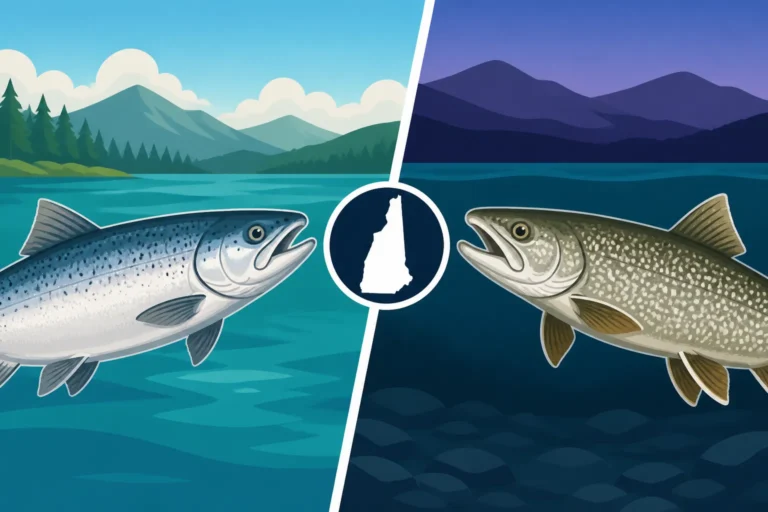
For example, a population of lake trout or landlocked salmon in a specific New Hampshire lake might have adapted in ways that make them genetically distinct from their cousins in other states. This isn't a new species, but a unique genetic lineage. These differences can be subtle, impacting things like growth rates, spawning times, or even preferred forage, which is why New Hampshire Landlocked Salmon Regulations and New Hampshire Lake Trout Ice Fishing Season Dates might vary slightly from general rules. These localized adaptations are what often make fishing in one New Hampshire lake feel distinct from another, even if you're targeting the same species.
Unpacking New Hampshire's Truly Unique Lake Fish Species
While finding a fish species exclusively found in New Hampshire's lakes is a rare claim, our waters host several species that are either native, critically endangered here, or exhibit unique population characteristics that make them stand out.
The Elusive Dwarf Wedgemussel: A Bivalve, Not a Fish, but Critically Unique
Before we delve into fish, it's crucial to highlight one of New Hampshire's most truly unique, aquatic inhabitants: the dwarf wedgemussel. Yes, it's a freshwater mussel, not a fish, but it lives in the lakes and rivers and its survival is deeply intertwined with fish species. This tiny bivalve is critically endangered, and New Hampshire is one of the few states where it still clings to existence in some river systems and, by extension, connected lake habitats.
Its uniqueness lies in its extreme rarity and its specific habitat requirements. The dwarf wedgemussel relies on certain host fish species during its larval stage, meaning the health of our fish populations directly impacts its survival. So, while it's not a fish, it's a testament to the truly unique and fragile biodiversity that New Hampshire's aquatic environments can harbor. Learning about these creatures makes you realize just how delicate and interconnected our aquatic worlds truly are. New Hampshire dwarf wedgemussel protected waters are a good example of how specific conservation efforts are put in place for these rare gems.
Specialized Populations: Lake Trout and Landlocked Salmon
When it comes to game fish, New Hampshire's deeper lakes are renowned for their cold-water species, particularly lake trout and landlocked salmon. While these species are found across the northern United States and Canada, New Hampshire's specific populations are often highly valued for their genetic integrity and the quality of their fishery.
Take Lake Winnipesaukee, for instance. It's not just a big lake; it's a massive, complex ecosystem with deep, cold oxygenated waters that provide ideal habitat for these species. The lake trout in Winnipesaukee have adapted to its particular forage base and structure, creating a fishery that many anglers consider world-class. Similarly, the landlocked salmon in Lake Sunapee or Newfound Lake are often genetically distinct and managed with great care. These aren't necessarily different species from those found elsewhere, but they are unique populations that have developed specific traits due to long-term isolation and adaptation to their particular lake environment. The way they behave, feed, and grow can be quite distinct from populations even in a neighboring state. You might find specialized lures or techniques recommended on Amazon that are particularly effective for these specific lake populations due to their unique feeding habits.
Whitefish and Smelt: Critical Forage, Niche Adaptations
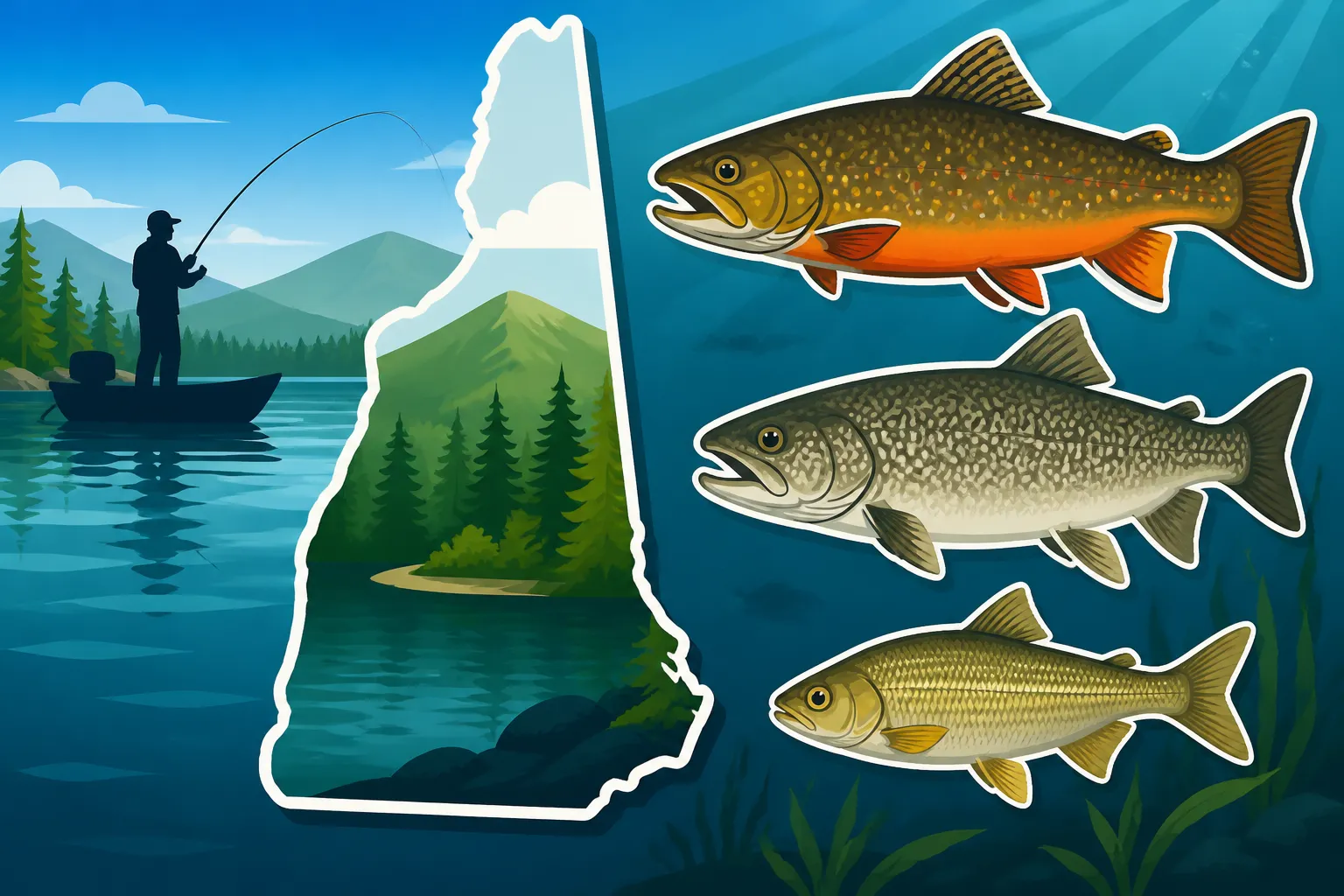
Beyond the prized game fish, New Hampshire's lakes also host unique populations of forage fish and other less-targeted species that play crucial ecological roles. Whitefish, for example, are native cold-water fish found in some of our deeper lakes. They are highly sensitive to water quality and temperature, and their presence indicates a healthy, undisturbed environment. While not exclusive to New Hampshire, certain populations of whitefish here might represent relict populations from the glacial era, making them genetically distinct and very special.
Rainbow smelt are another critical component of New Hampshire's lake ecosystems, especially for species like lake trout and landlocked salmon. How rainbow smelt affect New Hampshire lake fisheries is a topic often discussed by local biologists. While smelt are widely distributed, the specific populations within New Hampshire's large, deep lakes have adapted to those environments and contribute to the unique growth patterns of our trophy game fish. These smaller, often overlooked fish are the cornerstone of the food web that supports the larger, more sought-after species, and their healthy populations are vital for the overall uniqueness of our lake fisheries. Without a robust smelt population, for instance, you wouldn't see the same trophy-sized salmon or lake trout that anglers proudly display, often using specialized gear purchased from places like Amazon to target them.
Are There Any Fish Exclusively Found in New Hampshire Lakes?
This is the million-dollar question for many curious anglers and conservationists! While New Hampshire boasts incredible biodiversity, finding a fish species that is solely and exclusively found within its lake boundaries is an extremely rare occurrence for a variety of reasons.
The Nuance of Endemic Fish Species
As discussed, true endemism in fish—meaning a species found nowhere else on Earth—is a tough claim to make for most regions, especially those that aren't isolated island chains or ancient, deep rift valley lakes. New Hampshire's lakes, while beautiful and ecologically rich, are part of a larger interconnected watershed system that has seen significant historical movement of fish populations, both naturally and with human assistance.
Most of New Hampshire's native fish species, like brook trout, various minnow species, and some panfish, are also found in neighboring states or across broader North American ranges. Their uniqueness comes from their native status and their ecological role within New Hampshire, rather than strict global exclusivity. If you're looking for information on all Native trout species found in New Hampshire, you'll see that while they are special, they aren't endemic.
Understanding Subspecies and Distinct Genetic Populations
Where New Hampshire does hold a unique claim is often in the realm of subspecies or genetically distinct populations. Think of it like different regional accents for the same language. While it's still the same language, the accent makes it unique to a particular area.
For certain species, particularly those that have been isolated in deep lake basins since the last ice age, evolutionary processes can lead to subtle but measurable genetic differences. These might manifest as variations in coloration, size, specific life history traits (like spawning habits), or even resistance to certain diseases. These populations are incredibly valuable for biodiversity and represent a unique part of New Hampshire's natural heritage. They are the living results of thousands of years of adaptation to specific local conditions.
New Hampshire Fish and Game Department, for instance, carefully manages certain strains of lake trout or landlocked salmon within specific lakes to preserve these unique genetic characteristics. These efforts ensure that the fish you're catching aren't just generic examples of their species but are truly adapted "locals."
Here's a simplified way to look at different levels of "uniqueness":
| Category | Definition | Examples in New Hampshire |
|---|---|---|
| Endemic Species | Found only in a specific, limited geographic area (e.g., New Hampshire Lakes). | Dwarf Wedgemussel (bivalve, not fish; highly restricted) |
| Native Species | Naturally occurred in New Hampshire's waters before human introduction. | Brook Trout, Smallmouth Bass, Chain Pickerel, Yellow Perch |
| Unique Populations | Genetically distinct groups of a native species, adapted to a specific lake. | Lake trout strains in Winnipesaukee, Landlocked Salmon in Sunapee |
| Introduced Species | Brought to New Hampshire by humans, now established. | Rainbow Trout, Brown Trout, Largemouth Bass (some populations) |
This table helps illustrate that while true "endemic fish species" might be elusive in the strict sense, New Hampshire still boasts a wealth of unique aquatic life, especially at the population level.
Protecting New Hampshire's Special Aquatic Inhabitants
Understanding the uniqueness of New Hampshire's lake species, whether they are true endemics, native, or specialized populations, brings with it a responsibility to protect them. Every angler and outdoor enthusiast plays a part in this vital conservation effort.
Conservation Efforts for Unique Species
The New Hampshire Fish and Game Department works tirelessly on a number of fronts to conserve our aquatic resources. This includes habitat restoration, water quality monitoring, and careful management of fishing regulations. For species like the dwarf wedgemussel, efforts often involve protecting critical habitat, managing host fish populations, and educating the public about their fragile existence. These conservation plans often involve partnerships with local land trusts and environmental organizations, highlighting a community-wide dedication to preserving New Hampshire's natural beauty.
For specialized fish populations, conservation often involves selective stocking practices, where biologists might use fish from a particular lake's genetic stock to replenish or enhance that same fishery. This helps maintain the unique genetic integrity that has evolved over centuries. It's a careful balancing act, ensuring that we have healthy, fishable populations while also safeguarding the unique biological heritage of our waters. Organizations and even local fishing clubs often raise money to support these efforts, sometimes selling branded merchandise on Amazon to fund their initiatives.
How Anglers Can Help Preserve Uniqueness
As anglers, we have a direct impact on the health and uniqueness of New Hampshire's lake species. Here are a few ways you can contribute:
- Practice Catch and Release Responsibly: For certain species or in specific areas, catch and release is crucial, especially for larger, older fish that are vital for reproduction. Learning Landlocked salmon catch and release survival tips or how to properly handle any fish helps ensure their survival.
- Respect Regulations: Always adhere to New Hampshire Fishing Regulations Explained regarding bag limits, size limits, and season dates. These rules are in place to protect fish populations and ensure sustainable fishing for everyone.
- Prevent the Spread of Invasive Species: This is a big one! Always clean, drain, and dry your boat, kayak, and fishing gear when moving between different water bodies. Invasive species can outcompete native fish, introduce diseases, and drastically alter unique ecosystems.
- Support Conservation: Consider purchasing a conservation license plate, donating to local conservation groups, or volunteering for habitat restoration projects. Every little bit helps. When you're gearing up for a trip, consider buying fishing line, lures, or other essentials from responsible brands, many of which can be found on Amazon, that actively support aquatic conservation through their sales or partnerships.
- Educate Yourself and Others: The more you know about the species you're targeting and the environment they live in, the better equipped you'll be to protect them. Share your knowledge with fellow anglers and encourage responsible practices.
By understanding what makes New Hampshire's lake species unique and actively participating in their conservation, we can ensure that these special aquatic inhabitants continue to thrive for generations to come.
Disclaimer
This article is for general informational purposes only and does not constitute professional advice. Laws, prices and regulations vary by location and change over time. Consult a qualified professional for guidance on your specific situation.