Total pounds of trout stocked into New Hampshire waters annually
As an angler in New Hampshire, it’s completely natural to wonder about the efforts that go into making our fishing experiences so consistently rewarding. You might be curious about how many fish are actually out there, and what role the state plays in keeping those opportunities plentiful. This guide will take a deep dive into the fascinating world of trout stocking in New Hampshire, exploring not just the "total pounds" of trout released annually, but what those numbers really mean for you and your fishing adventures.
The Heartbeat of New Hampshire Fishing: Understanding Trout Stocking
There's something truly special about casting a line into a pristine New Hampshire lake or stream, knowing that a feisty trout might be waiting. For many, that joy is directly supported by the dedicated efforts of the New Hampshire Fish and Game Department's stocking program. It's a massive undertaking that ensures a healthy, accessible fishery for residents and visitors alike.
Why Stocking Matters for Our Waters
Let's be real, New Hampshire is a popular place, and our beautiful lakes and rivers see a lot of angling pressure. Without a robust stocking program, many of our favorite fishing spots simply wouldn't be able to sustain the demand, especially for certain species like trout. The natural reproduction of wild trout, while vital and cherished, can only go so far in the face of widespread recreational fishing.
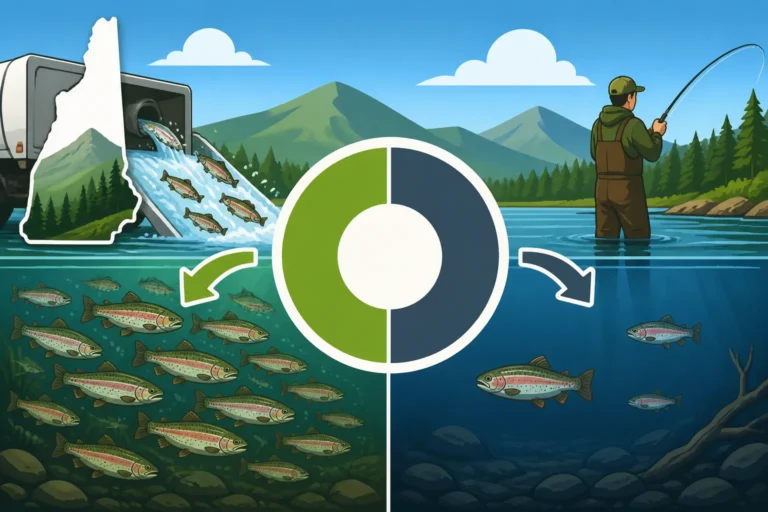
The primary reason behind stocking is to enhance fishing opportunities and meet angler demand where wild populations either don't exist, can't reproduce successfully, or simply can't handle the fishing pressure. This creates what we often call "put-and-take" fisheries, particularly in ponds and smaller lakes that are easily accessible. These stocked waters provide countless hours of enjoyment for families, beginners, and seasoned anglers looking for consistent action. It's about balancing the wild, self-sustaining fisheries with those that are augmented to provide abundant catchable fish. It takes the pressure off delicate wild populations in other areas, allowing them to thrive untouched. To truly understand where and why trout are stocked, it's worth taking a look at the detailed New Hampshire Trout Stocking and Fishing Rules that govern these efforts.
The Goal Behind the Pounds: Quantity, Quality, and Location
When we talk about "total pounds" of trout, it's easy to picture one huge mass of fish. But in reality, it's a carefully orchestrated plan involving various species, sizes, and strategic placements across the state. The New Hampshire Fish and Game Department doesn't just dump a truckload of fish anywhere; there's a science and a purpose behind every stocking decision.
The goal isn't just about sheer quantity, but also about the quality of the fishing experience and the ecological suitability of the location. They consider the water temperature, available forage, and access points for anglers. Different species of trout, such as brook, rainbow, and brown trout, are chosen for specific waters based on their ability to thrive in those environments. For instance, some ponds are perfect for brook trout, while larger, colder lakes might be better suited for rainbows or brown trout that can grow to impressive sizes. It’s also about when these fish are released – often in spring and fall – to maximize their survival and the angler's chance of success. If you're looking for specific spots, consulting a List of New Hampshire stocked trout waters can give you a great head start.
Unpacking "Total Pounds": What the Annual Figures Represent
The phrase "total pounds of trout stocked annually" is often used to give a general sense of the scale of New Hampshire's stocking program. However, it's a figure that's much more nuanced than it first appears. It's not a static number, and it represents a combination of many factors, from the number of individual fish to their average weight.
Breaking Down the Annual Trout Haul
The "total pounds" figure is essentially the sum of the weight of all the individual trout released across the state in a given year. This means that if 100,000 fish are stocked, and their average weight is half a pound, that's 50,000 pounds. If they're smaller, say a quarter-pound each, the total pounds would be less, even with the same number of fish. New Hampshire Fish and Game typically provides statistics that show both the number of fish stocked and their total weight, giving anglers a more complete picture.
These figures will naturally fluctuate from year to year due to various operational considerations, budget allocations, and environmental factors. For example, a year with excellent hatchery production might see a higher number of fish, which translates to a higher total weight. Conversely, a challenging year might result in slightly lower figures. The average size of stocked trout plays a huge role here too. Catchable-sized trout, often weighing a quarter-pound to a pound or more, contribute significantly to the total weight, while fingerlings (tiny fish intended to grow out in the wild) add less to the poundage but are crucial for long-term fisheries management. You can often find reports detailing these figures, and for a general idea, consider how many trout New Hampshire stocks each year. Learning about the Average size of stocked trout in New Hampshire can also help you visualize these numbers better.
Here's a simplified look at how different trout types contribute to the "total pounds" stocked:
| Trout Species | Typical Stocking Size | Primary Purpose of Stocking | Angler Experience |
|---|---|---|---|
| Brook Trout | 6-12 inches (catchable), sometimes fingerlings | Put-and-take, enhancing native populations | Eager biters, popular for ponds and small streams |
| Rainbow Trout | 8-14 inches (catchable), occasionally larger | High-volume put-and-take, open water fisheries | Strong fighters, adaptable to various waters |
| Brown Trout | 8-16 inches (catchable), some larger broodstock | Supplementing populations, trophy potential | More wary, can grow large, good holdover rates |
| Lake Trout | Fingerlings (small) | Establish/maintain deep, coldwater fisheries | Slow growing, often target of specialized anglers |
| Landlocked Salmon | Smolts (small, yearling fish) | Sustain trophy fisheries in large lakes | Strong, acrobatic fighters, popular with trollers |
| Splake/Tiger Trout | Varies (catchable) | Experimental, unique angling opportunities | Hybrids, often aggressive and unique catch |
The Diverse Cast of Stocked Trout Species
When we talk about "trout" in the context of stocking, it's not just one homogenous fish. New Hampshire's program carefully utilizes several species, each with its own characteristics and best-suited environments. These different species all contribute to that overall "total pounds" figure.
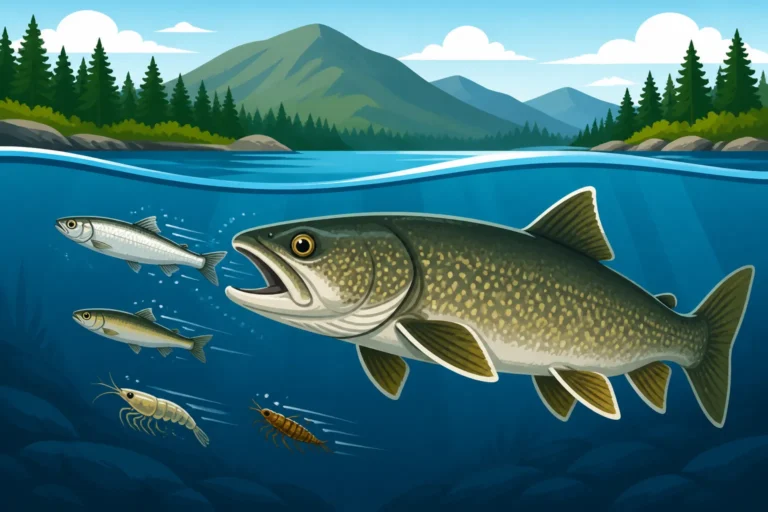
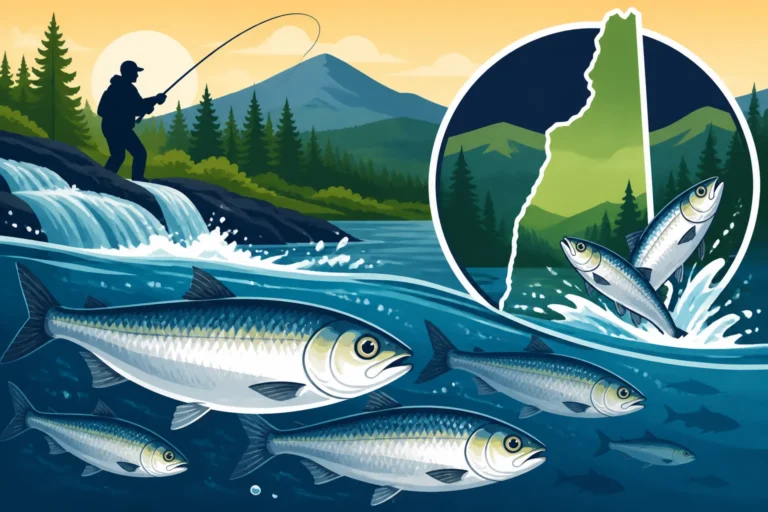
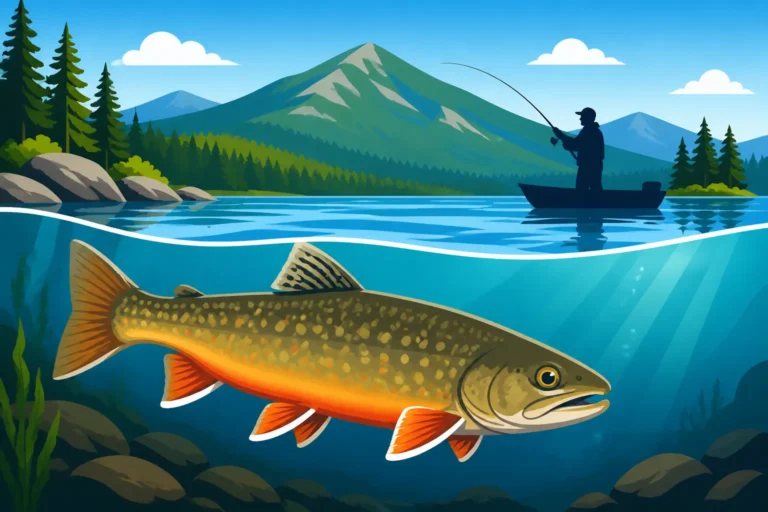
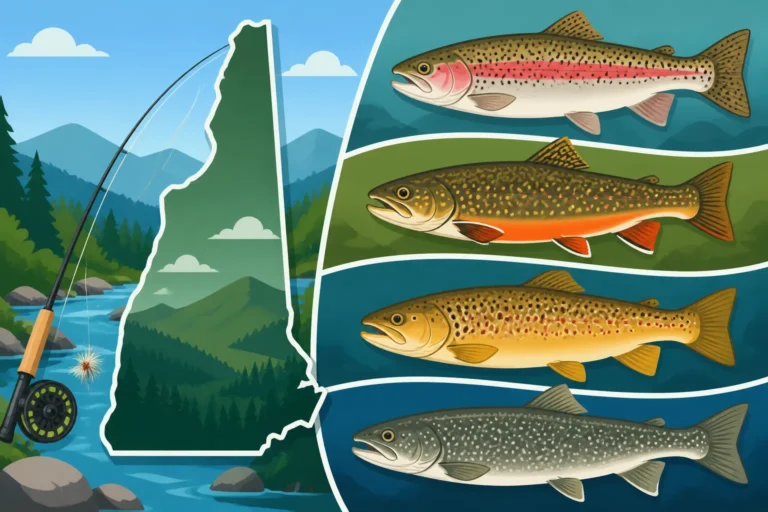
Brook Trout are our state's native trout and are incredibly popular. They're often stocked in smaller ponds and streams, particularly in the spring, where they provide fantastic action. They tend to be eager biters and are a favorite for family fishing outings. Rainbow Trout are known for their spirited fights and are often stocked in larger numbers in many lakes and rivers due to their robust nature and fast growth. They adapt well to various water conditions, making them a staple of the put-and-take program. Brown Trout, while perhaps not as aggressively biting as rainbows right after stocking, are revered for their ability to survive longer, grow larger, and become more elusive, providing a challenge for more experienced anglers. They can also provide a great holdover fishery. Beyond these main three, New Hampshire also stocks Landlocked Salmon in its larger, deeper lakes like Winnipesaukee and Sunapee, often as small, pre-smolt fish. These grow into powerful, highly sought-after gamefish. Occasionally, you might hear of Splake (a brook trout and lake trout hybrid) or Tiger Trout (a brown trout and brook trout hybrid) being stocked for specialized opportunities. Each of these species, from tiny fingerlings to hefty broodstock, adds to the annual total. Keeping an eye on the New Hampshire Trout Stocking Report and Map is your best bet for knowing what's being stocked where.
What Influences the Annual Stocking Figures?
The number of total pounds of trout stocked isn't just pulled out of thin air each year. It's the result of a complex interplay of available resources, biological considerations, and even Mother Nature herself. Understanding these factors helps us appreciate the scale of the operation and why those numbers can shift.
Funding, Facilities, and Manpower
At the core of any large-scale stocking program are the practical logistics: money, infrastructure, and people. The New Hampshire Fish and Game Department relies heavily on fishing license sales to fund its operations, including the hatcheries. The more licenses sold, the more resources are generally available for stocking efforts. Therefore, the annual "total pounds" can be directly influenced by state budgets and the revenue generated from license purchases. For those curious about the financial side, understanding How Much Does a New Hampshire Fishing License Cost provides insight into how these programs are sustained.
New Hampshire operates several critical hatcheries, like the Powder Mill Fish Hatchery in New Durham and the Milford Fish Hatchery. These facilities are the backbone of the stocking program, where millions of fish are raised from eggs to stocking size. The capacity of these hatcheries – how many tanks they have, the amount of clean water they can process, and the space available – directly limits how many fish can be raised. Additionally, it takes a dedicated team of biologists, hatchery technicians, and seasonal staff to manage the fish, feed them, monitor their health, and transport them safely to their destinations across the state. Without adequate manpower, even the best facilities can't operate at full capacity.
Environmental Factors and Angler Demand
Beyond the operational nuts and bolts, environmental conditions play a massive, sometimes unpredictable, role in annual stocking figures. For instance, a prolonged drought can lead to low water levels and higher water temperatures in certain streams and ponds, making them unsuitable for stocking or reducing the survival rate of newly introduced fish. Conversely, heavy rainfall and flooding can also make stocking difficult or impact fish health. Disease outbreaks, while thankfully rare and carefully managed, can also affect hatchery production and necessitate adjustments to stocking plans to prevent the spread of illness.
Angler demand is another critical factor. The Fish and Game Department pays close attention to where people are fishing, what species they're targeting, and how satisfied they are with the fishing opportunities. Public feedback, surveys, and creel census data (where biologists interview anglers about their catches) all help to inform stocking decisions. If a particular lake sees immense fishing pressure for trout, it's likely to receive more attention in the stocking schedule to ensure a consistent fishery. This responsiveness to the angling community helps to shape the yearly numbers and ensure that the "total pounds" are distributed where they'll have the most impact on angler success. This is particularly evident in the planning for popular seasons, so if you're targeting trout, reading up on Spring Trout Fishing Techniques for New Hampshire Ponds might give you an edge.
Making the Most of Stocked Waters as an Angler
Knowing that thousands of pounds of trout are released into New Hampshire waters each year is one thing, but translating that knowledge into successful fishing trips is where the real fun begins! You, as an angler, have the power to leverage this information and significantly improve your chances of a great day on the water.
Accessing Stocking Information and Planning Your Trip
The absolute best way to make the most of New Hampshire's trout stocking program is to know when and where the fish are going. The New Hampshire Fish and Game Department's website is your primary resource for this. They typically publish stocking reports, often updated weekly or bi-weekly during peak stocking seasons (spring and fall). These reports list the specific water bodies, the species stocked, and sometimes even the number or pounds of fish.
Checking these reports before you head out can save you a lot of guesswork. Imagine driving an hour to a pond, only to find it was stocked last month and fishing pressure has since depleted the numbers. Instead, with a quick check, you can identify waters that have been recently stocked, increasing your odds of finding active fish. Many local bait and tackle shops also keep copies of these reports or have staff who are incredibly knowledgeable about recent stockings. It’s a bit like having an insider's guide to the freshest fishing spots. You can even find some handy tools, like portable fish finders or specific lake maps, on Amazon that can help you scout those stocked waters more effectively. Beyond specific reports, the New Hampshire Freshwater Fishing Digest is a comprehensive resource that can help you plan.
Gear and Techniques for Success
Stocked trout, especially those fresh from the hatchery, can behave a little differently than their wild counterparts. They're often accustomed to a steady diet and can be quite eager to bite. This means you don't always need highly specialized gear or advanced techniques, making stocked waters excellent for beginners and seasoned anglers alike.
For bait fishing, classics like worms (nightcrawlers, mealworms), corn, and PowerBait in various colors (often bright greens, yellows, or oranges) are incredibly effective. A simple bobber rig or a slip-sinker rig fished on the bottom can work wonders. If you prefer lures, small spinners (like Mepps or Rooster Tails), spoons, or small jigs are fantastic choices. For fly anglers, standard nymph patterns, small wet flies, or even simple attractor patterns can entice a strike. The key is often to use lighter lines (4-6 lb test) and smaller hooks to avoid spooking these sometimes less-wary fish. Don't forget, you can find a huge variety of these baits, lures, and other essential tackle items on Amazon, often with convenient delivery right to your door before your next trip. To truly dial in your approach, consider exploring Best Gear for New Hampshire Trout Fishing and specific advice on How to catch trout right after stocking in New Hampshire. Bringing a small cooler, also readily available on Amazon, to keep your catch fresh is always a good idea too!
Ultimately, the total pounds of trout stocked annually in New Hampshire represent a significant investment in our shared passion for fishing. It’s a testament to the Fish and Game Department’s commitment to providing abundant opportunities for everyone to enjoy the natural beauty and thrilling sport that New Hampshire offers.
Disclaimer
This article is for general informational purposes only and does not constitute professional advice. Laws, prices and regulations vary by location and change over time. Consult a qualified professional for guidance on your specific situation.